
Budget binoculars: where to draw the line
You do not need to spend more than $200 to get optics that resolve fine feather details. In the under-$200 bracket, you trade premium glass coatings for solid performance that handles most daylight birding scenarios. The goal here is clarity and brightness, not the absolute peak resolution found in $1,000+ models.
Celestron Nature DX 8x42
The Celestron Nature DX 8x42 is the standard-bearer for entry-level birding optics. It uses BaK-4 prisms and fully multi-coated lenses to deliver a bright image in low-light conditions, such as dense forest canopies or early mornings. The rubber-armored body provides a secure grip, and the focus wheel is smooth enough for quick target acquisition. It is a workhorse that gets the job done without breaking the bank.
Vortex Viper HD 10x42
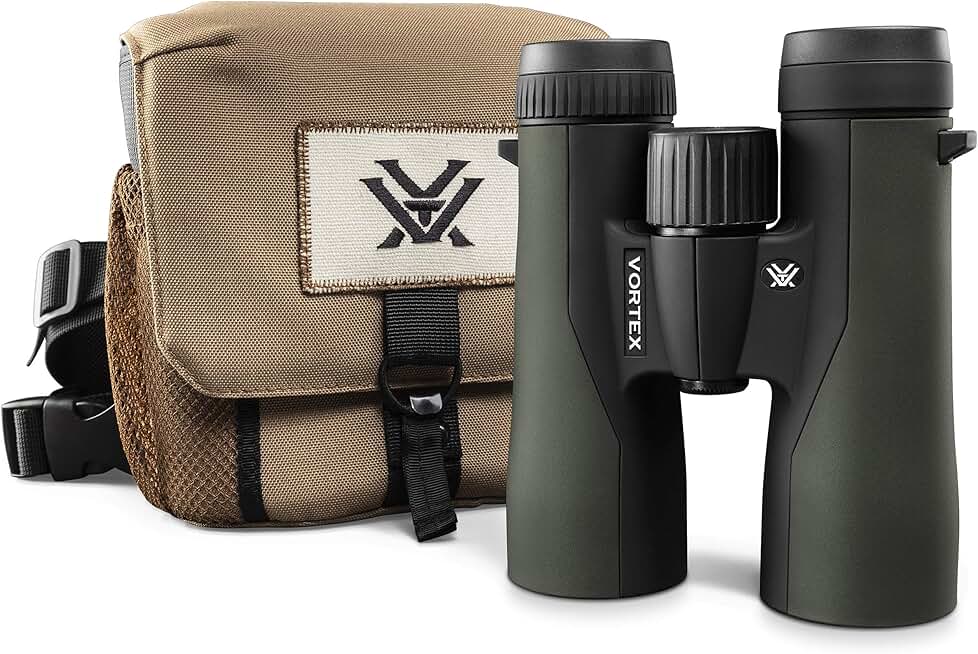
While slightly closer to the $300 mark, the Vortex Viper HD 10x42 often drops into budget-friendly sales. It offers HD glass that significantly reduces chromatic aberration compared to cheaper alternatives. The 10x magnification helps when birds are distant, but you must hold it steady. Vortex’s lifetime warranty adds value, making this a safer long-term investment than many competitors in the same price range.
What to expect at this price point
At the budget end, you will notice two main compromises. First, the field of view is often narrower, meaning you have to pan more to track fast-moving birds. Second, low-light performance may require a tripod for extended viewing sessions. However, for casual birding in good light, these models provide exceptional value. Avoid the cheapest options under $100; they often use inferior prisms that create a dim, hazy image that ruins the experience.
Shortlist real options
Birding demands binoculars that balance optical clarity with comfort during long hours in the field. The best 2026 binoculars for birding prioritize edge-to-edge sharpness, reliable low-light performance, and ergonomic designs that reduce neck strain. Rather than chasing the highest magnification, successful birders choose optics that deliver a wide field of view and accurate color rendering.
We evaluated top contenders based on optical coatings, weight distribution, and durability against weather elements. The following comparison table highlights four standout models that consistently rank among the best binoculars for birding. Each option serves a different priority, from budget-friendly versatility to premium flagship performance.
| Model | Spec | Best For | Weight |
|---|---|---|---|
| Nikon Monarch M7 | 10x42 | Overall Performance | 23.6 oz |
| Vortex Viper HD | 10x42 | Optical Value | 22.8 oz |
| Kowa Genesis | 8x32 | Low Light & Compactness | 16.6 oz |
| Celestron Nature DX | 10x42 | Budget-Conscious | 23.2 oz |
The Nikon Monarch M7 remains the benchmark for all-around birding. Its fully multi-coated lenses and dielectric prism coatings deliver bright images even in dense forest canopies. The 10x42 configuration offers a versatile magnification that handles both distant waterfowl and nearby songbirds without excessive shake. At 23.6 ounces, it sits comfortably in the mid-weight category, making it suitable for full-day treks.
For those prioritizing optical clarity per dollar, the Vortex Viper HD stands out. Its HD glass provides exceptional resolution and contrast, rivaling much more expensive flagship models. The rubber-armored body ensures durability in wet conditions, while the ergonomic design reduces fatigue. This model is ideal for birders who want premium optics without the premium price tag.
When weight and low-light performance are paramount, the Kowa Genesis 8x32 offers a compelling alternative. The lower magnification provides a wider field of view, making it easier to track fast-moving birds. Its compact size and lighter weight make it perfect for travel or long hikes where every ounce counts. The 8x magnification also reduces hand shake, allowing for sharper views without a tripod.
Budget-conscious birders often find the Celestron Nature DX to be an excellent entry point. It delivers solid optical performance with fully multi-coated lenses and BaK-4 prisms. While it may not match the edge sharpness of higher-end models, it provides reliable clarity for most birding scenarios. Its affordable price point allows birders to upgrade later without significant initial investment.
Inspect the expensive parts
High-end binoculars are complex optical instruments where a single compromised component can ruin the experience. When evaluating a premium pair, focus your inspection on the parts that are most expensive to repair or replace. These failure points define the long-term value of your investment.
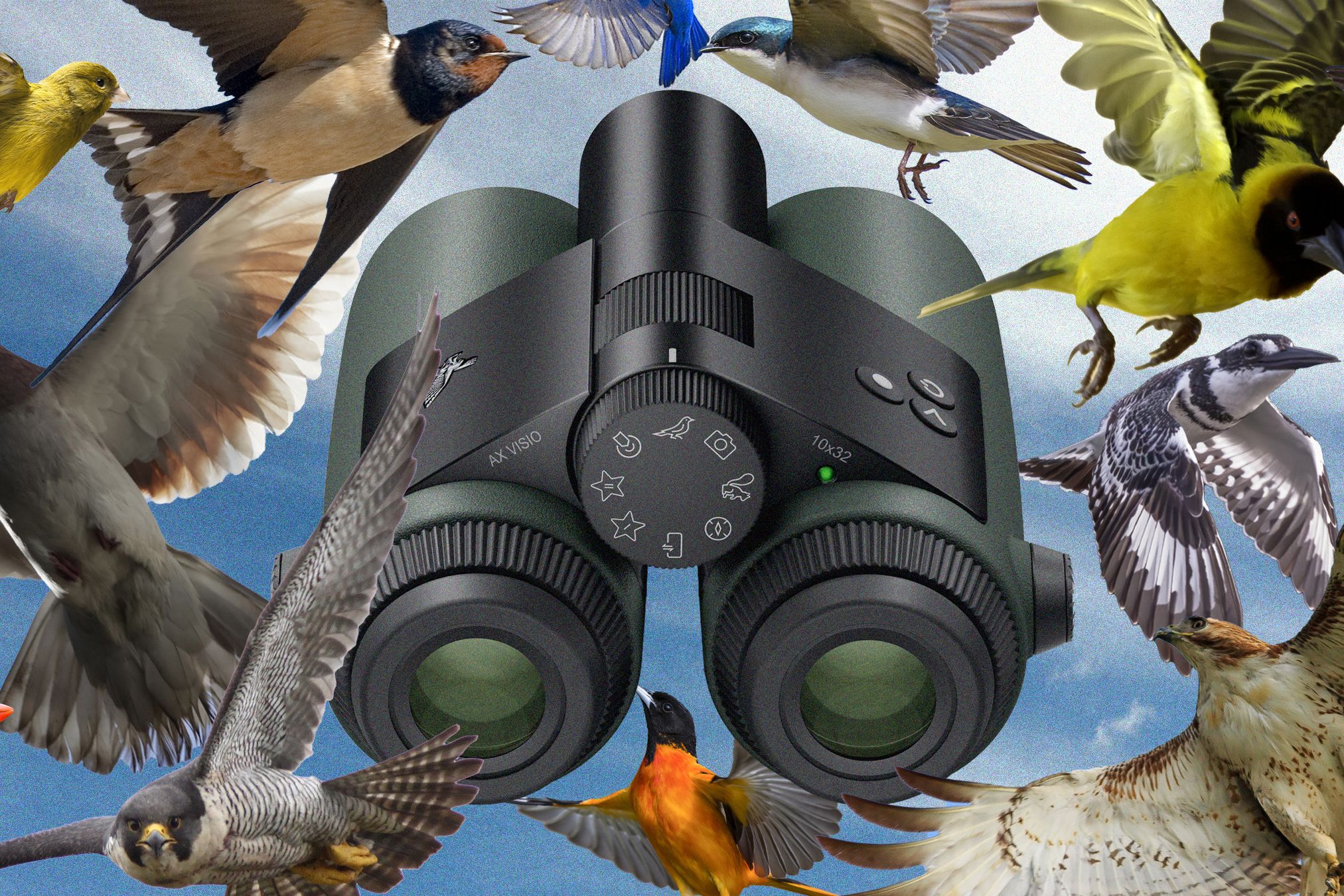
Water resistance is non-negotiable for birding gear. Inspect the rubber armor for cracks and ensure the objective lens gaskets sit flush. Even a minor seal failure allows humidity inside, leading to fungal growth that destroys coatings permanently. If the unit feels loose or creaky when twisted, the internal seals are likely compromised.

The focus wheel should turn with smooth, consistent resistance. Gritty or loose movement indicates worn gears that will eventually fail. Check the diopter ring (usually on the right eyepiece) to ensure it locks securely. A loose diopter ruins your zeroing process, forcing you to constantly refocus one eye while birding.
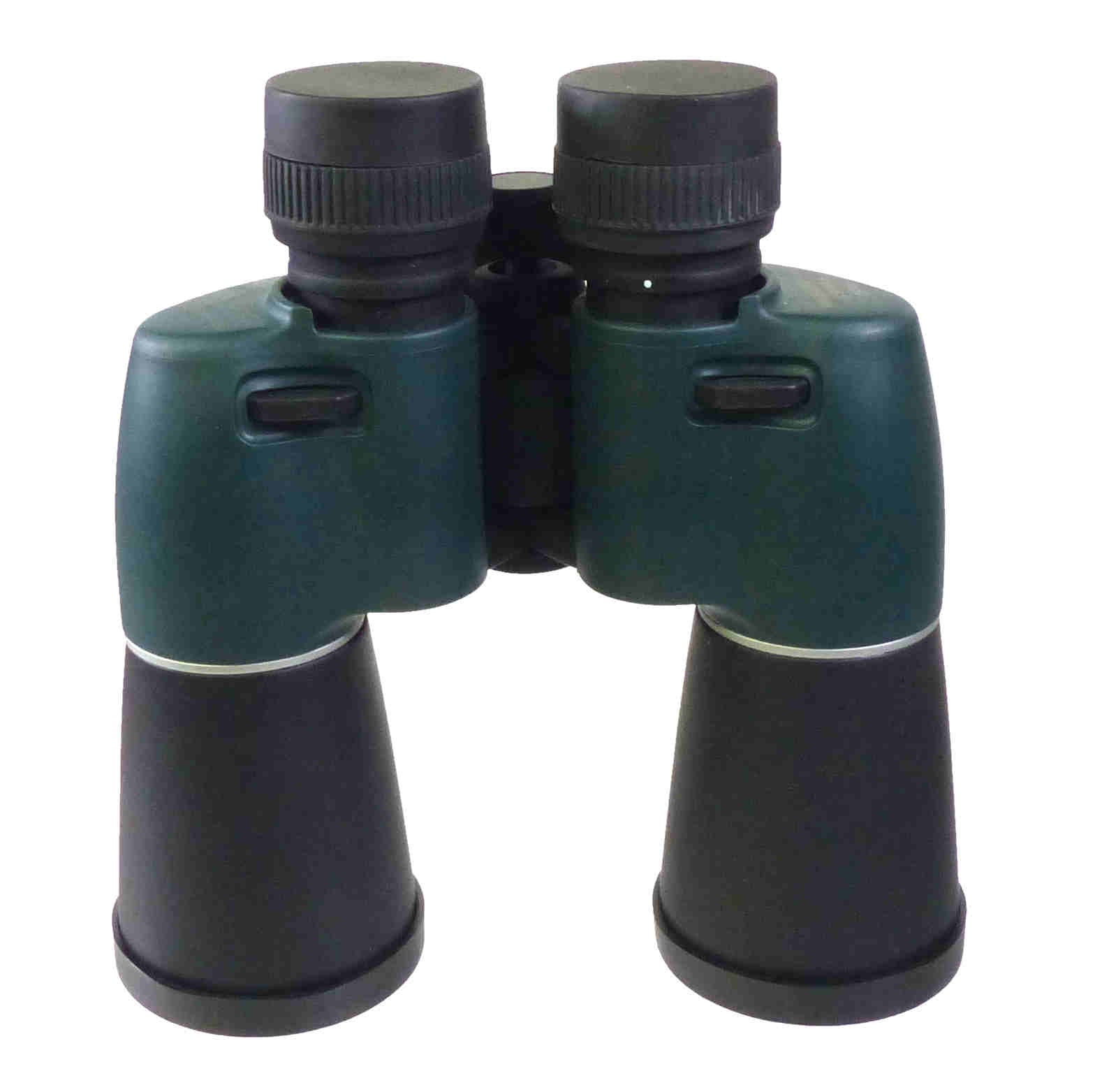
Look through both eyepieces at a distant object. Close one eye and check if the image shifts or splits when you switch eyes. This is called "prism separation" or "decentering." Even slight misalignment causes eye strain and reduces sharpness. High-end models from brands like Nikon and Vortex typically maintain tight tolerances here, but you must verify it yourself.
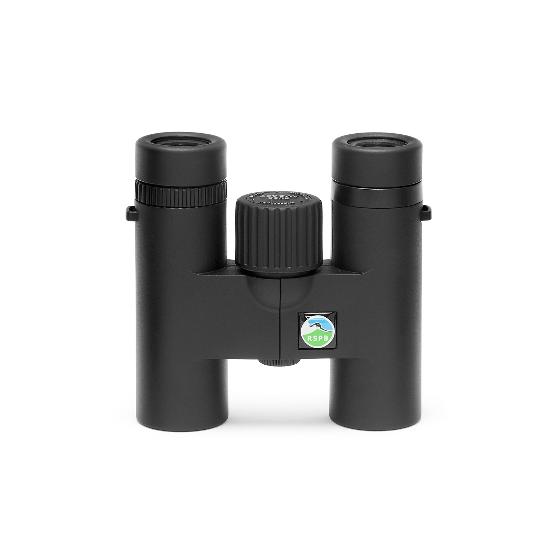
For roof-prism binoculars, the hinge is the most mechanically stressed part. Open and close the unit several times. It should move with a firm, damped feel, not a loose floppiness. A loose hinge ruins the collimation (alignment) of the optics over time, making the image unusable for detailed bird ID.
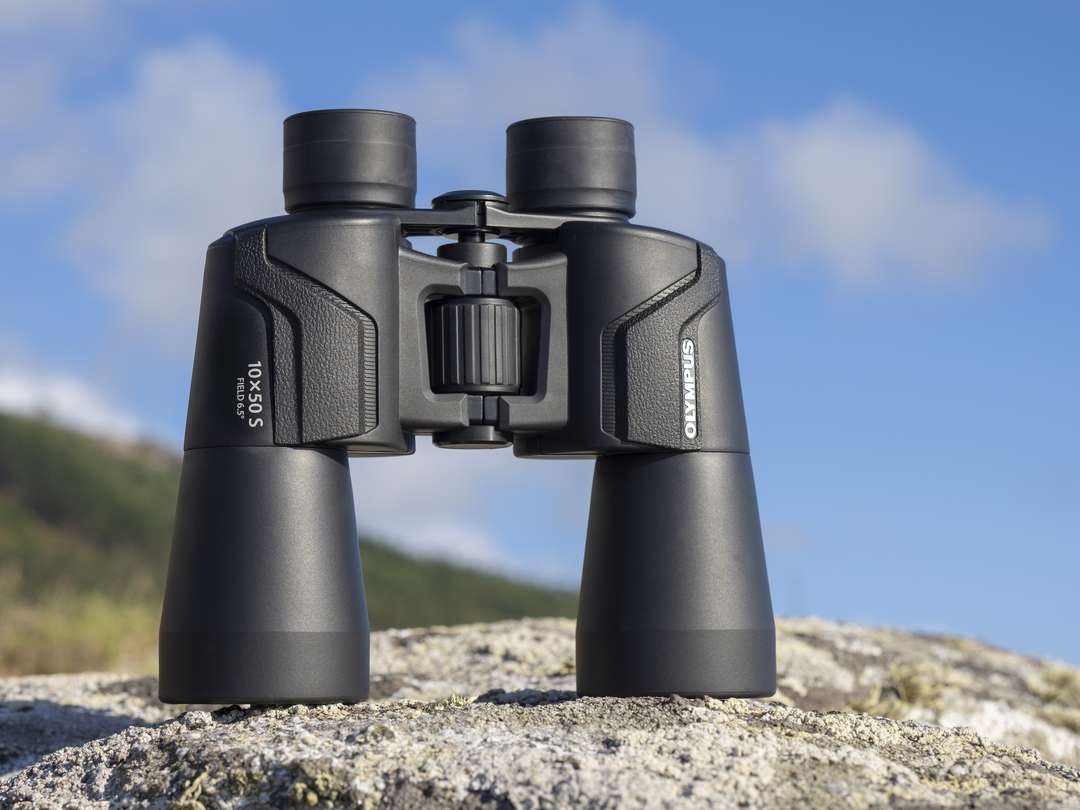
Extend and rotate the eyecups to ensure they lock into position. Cracked or loose eyecups let in stray light, reducing contrast. For birders who wear glasses, check if the eyecups provide sufficient eye relief. Discomfort leads to abandonment of the gear, which is the most common failure of all.
Amazon Product Grid

As an Amazon Associate, we may earn from qualifying purchases.
Plan for ownership costs
The sticker price is only the first expense. Owning binoculars involves ongoing costs for maintenance, protection, and eventual replacement. A pair that costs $150 but breaks in a year is more expensive than a $400 pair that lasts a decade. Understanding these hidden costs helps you choose gear that holds its value and performance over time.
Maintenance and Protection
Regular cleaning is non-negotiable for optical clarity. Dust and moisture degrade coatings faster than use. You need a blower, microfiber cloths, and lens cleaning solution. These supplies cost less than $20 but are essential for preventing permanent scratches.
A hard case is also an ownership cost, not just an accessory. Soft pouches offer minimal protection. If you hike or bird in rugged terrain, a hard case prevents impact damage that voids warranties. It also keeps moisture and dust out of the hinge mechanisms, which can become stiff or loose over time.
When Cheap Stops Being Cheap
Budget binoculars often use glued prisms or lower-quality glass that degrades with temperature changes. In humid environments, internal fogging can occur if the seals fail. Once internal fogging or fungus sets in, the binoculars are usually unrepairable. You will need to replace them sooner than planned.
Mid-range and premium binoculars are typically nitrogen-purged and O-ring sealed, making them waterproof and fog-proof. This durability means you won't need to replace them every few years. The initial investment pays off in longevity and consistent optical performance.
Resale Value and Longevity
Brands like Nikon, Vortex, and Zeiss hold their resale value better than budget brands. If you upgrade later, you can recoup 30-50% of the original cost. Budget binoculars often have little to no resale value because they are considered disposable.
Investing in a reputable brand also means better warranty support. Many premium brands offer lifetime warranties or low-cost repair programs. This support extends the life of your binoculars and reduces long-term costs.


As an Amazon Associate, we may earn from qualifying purchases.
Binoculars: what to check next
Choosing the right pair often comes down to balancing magnification, weight, and budget. Here are the most common questions birders ask before buying.
Which brand of binoculars is considered the best?
There is no single "best" brand, but several consistently rank at the top for birding. Nikon, Vortex, and Swarovski are frequent winners in professional tests. Nikon is known for bright, natural color and sharp optics. Vortex offers strong value with generous warranties. Swarovski provides premium clarity and ergonomics for those who prioritize comfort during long sessions.
What is better, 12x50 or 10x42 binoculars?
For most birders, 10x42 is the better choice. The 10x magnification is easier to hold steady by hand, and the 42mm objective lens provides good light gathering without excessive weight. 12x50 binoculars are heavier and require a tripod for stable viewing. They are better suited for stationary observation of distant subjects rather than tracking moving birds in the field.
Which binoculars are considered the best?
The "best" binoculars depend on your budget and needs. For overall performance, the Nikon Monarch M7 is a top pick. For budget-conscious buyers, the Celestron Nature DX or TrailSeeker ED models offer excellent value. High-end options like the Vortex Razor HD or Swarovski EL provide top-tier optics for serious enthusiasts. The best pair is the one that fits your hand and budget while delivering clear images.
How much does a really good pair of binoculars cost?
Good binoculars start around $200. A solid mid-range pair with excellent optics and durability typically costs between $300 and $600. Premium models from brands like Swarovski or Zeiss can exceed $1,000. For most birders, investing $300–$500 yields the best balance of quality and value without paying for luxury brand premiums.
No comments yet. Be the first to share your thoughts!