
Binoculars budget
Price is the first filter for compact birding binoculars. The market splits into three distinct tiers, each offering a clear tradeoff between optical clarity, build durability, and weight. You do not need to spend $1,000 to get sharp images, but the gap between entry-level and premium glass is noticeable in low-light conditions.
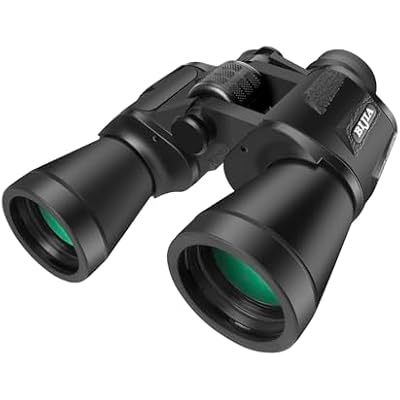
Entry-level ($100–$250): Models like the Celestron Nature DX provide solid performance for casual birding. They use standard BaK-4 prisms and basic anti-reflective coatings. Expect slight edge softness and dimmer images at dawn or dusk. These are ideal for beginners who want to test their commitment to the hobby without a heavy investment.
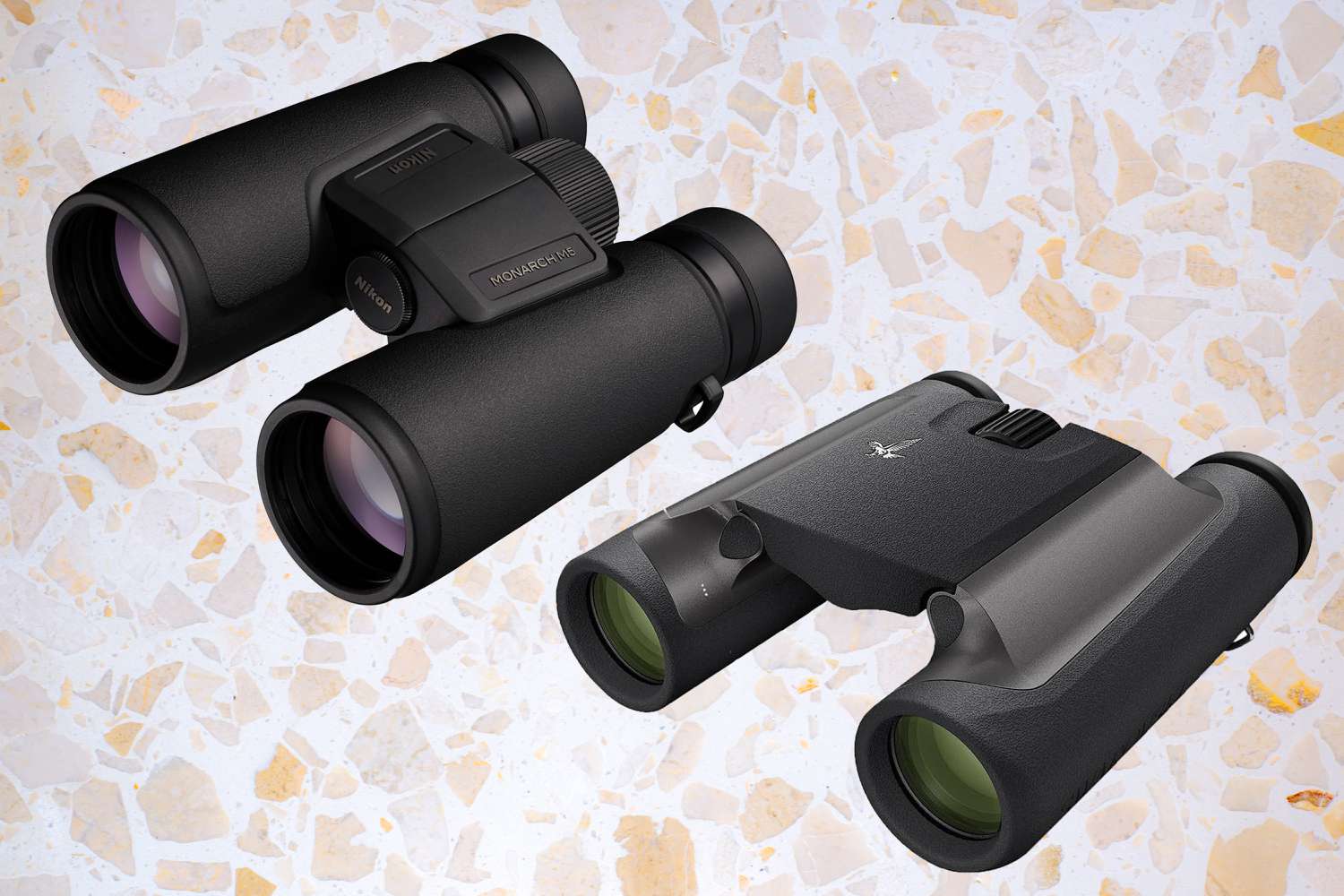
Mid-range ($250–$500): This is the sweet spot for most birders. Brands like Nikon (Monarch series) and Vortex (Viper HD) dominate here. You get fully multi-coated optics, better contrast, and more durable waterproof bodies. The jump in clarity is immediate, especially when tracking fast-moving birds against complex backgrounds.
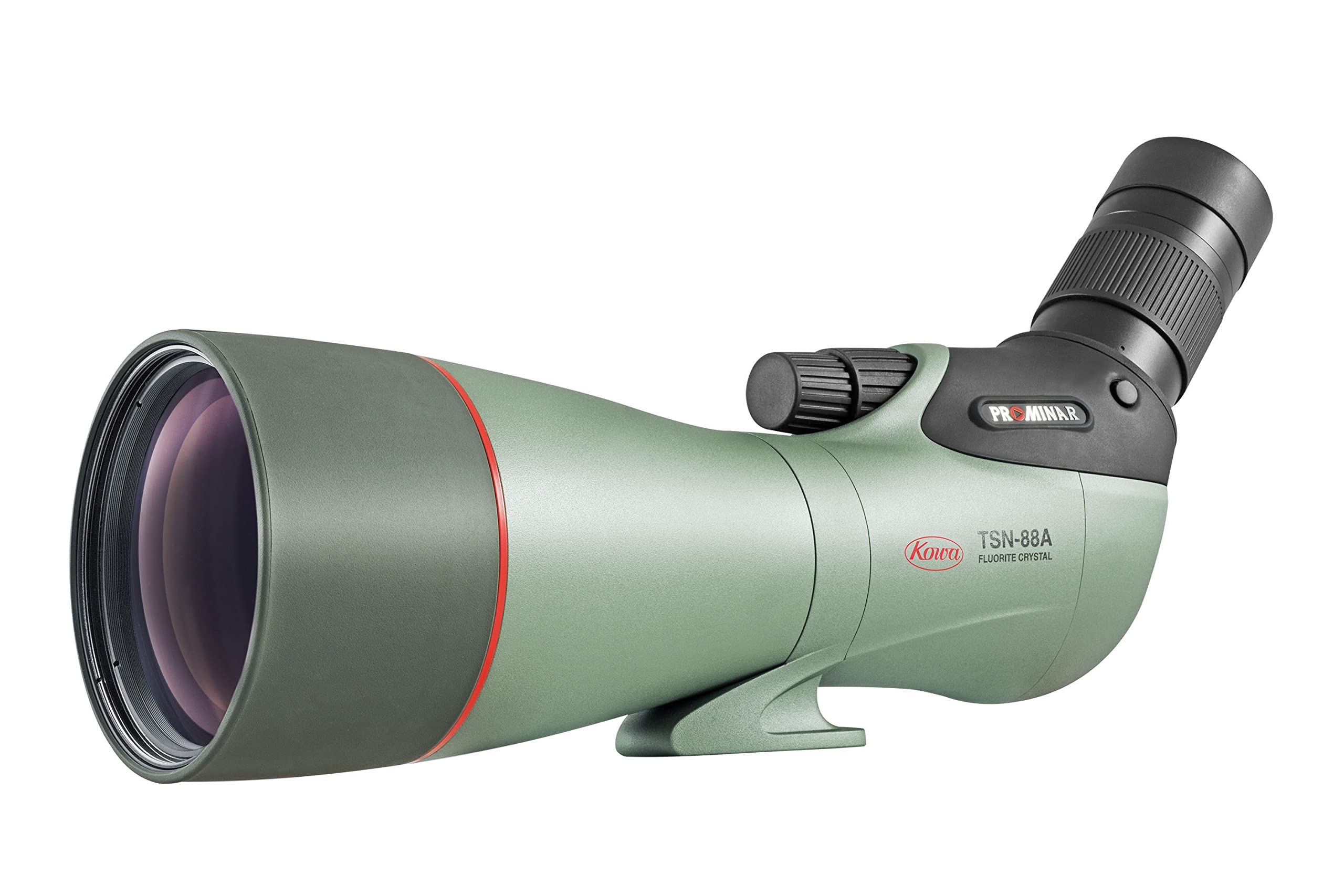
Premium ($500+): High-end models like the Kowa TSN or Zeiss Victory offer exceptional light transmission and ergonomic refinements. These are built for professionals or serious enthusiasts who need the absolute best resolution and color fidelity. For occasional use, the extra cost rarely justifies the marginal gain in image quality.
Key tradeoffs to consider
When choosing a budget-friendly option, prioritize weight and grip. Compact binoculars (8x32 or 10x42) are designed for all-day wear. A lighter pair reduces neck strain significantly. Check the rubber armoring quality; cheap coatings can peel or become slippery in rain. Also, verify the eye relief if you wear glasses. Short eye relief forces you to remove them, which is impractical for quick sightings.


As an Amazon Associate, we may earn from qualifying purchases.
Shortlist real options
Use this section to make the Best Compact Binoculars for Birding decision easier to compare in real life, not just on paper. Start with the reader's actual constraint, then separate must-have requirements from details that are merely nice to have. A practical choice should survive normal use, maintenance, timing, and budget. If a recommendation only works in an ideal situation, call that out plainly and give the reader a fallback path.
| Factor | What to check | Why it matters |
|---|---|---|
| Fit | Match the option to the primary use case. | A good deal still fails if it does not fit the job. |
| Condition | Verify age, wear, and service history. | Hidden condition issues erase upfront savings. |
| Cost | Compare purchase price with likely upkeep. | The cheapest option is not always the lowest-cost option. |
Inspect the expensive parts
Binoculars are precision optical instruments, and the most expensive components to replace are the prisms and the internal lens elements. If you buy used or inspect a demo model, focus your attention on these failure points rather than cosmetic scratches on the rubber armor. A cracked prism ruins image quality immediately, while internal fogging or fungus indicates a seal failure that is impossible to repair cost-effectively.
Check for internal fogging
Fogging inside the lenses usually means the nitrogen or argon gas seal has failed. This allows moisture to enter the optical tube, leading to condensation or fungal growth. Look closely at the prisms under bright light. If you see haze, spots, or web-like structures, walk away. These issues degrade contrast and can spread, eventually ruining the entire optic.
Align the prisms (collimation)
Collimation refers to the alignment of the two optical tubes. Misaligned prisms cause eye strain, double images, and a general sense of "mushy" vision. To check this, focus on a sharp, high-contrast edge like a window frame or tree branch. Center the image in your view and gently rock the binoculars side to side. If the image shifts or splits rather than staying locked in place, the collimation is off. This is a serious defect that requires professional recalibration or replacement.
Inspect the diopter and focus mechanism
The diopter ring on the right eyepiece is a common wear point. Twist it through its full range. It should move smoothly without grinding, clicking, or dead zones. If the focus knob feels stiff or gritty, the internal gears may be worn or contaminated with dirt. A smooth, precise focus is essential for quickly acquiring distant bird details. Also, check the eyecups; they should rotate securely without wobbling, ensuring a consistent eye relief distance for comfortable viewing.
Look for prism separation
In some models, particularly older or heavily used ones, the prisms can separate from their adhesive mounts. This often manifests as a visible line or gap inside the lens assembly when viewed at an angle. Even a tiny separation can cause light leakage and significant image degradation. This is another sign of internal damage that typically necessitates buying a new pair.
Plan for ownership costs
A cheap pair of binoculars often costs more over time than a mid-tier model. The difference usually comes down to maintenance, repairability, and how quickly the optics degrade. If you are birding in humid environments or traveling frequently, the initial savings from a budget buy may vanish when you factor in the cost of keeping the optics functional.
Waterproofing is the first major ownership consideration. Cheaper binoculars often use rubberized coatings that crack or peel after a few seasons, exposing the internal metal to rust. A higher-quality model with O-ring seals and nitrogen purging prevents internal fogging and moisture damage. This matters most for 8x32 and 10x42 models, which see more outdoor exposure. Replacing a cracked rubber armoring piece is rarely possible on budget models, whereas mid-range brands often sell replacement parts or offer straightforward repair services.
Lens cleaning and care also add up. Lower-end coatings scratch easily, requiring specialized cleaning kits or professional servicing to restore clarity. Mid-tier binoculars typically feature more durable multi-coated lenses that resist scratches and maintain contrast longer. If you plan to use your binoculars daily, investing in a sturdy case and a microfiber cleaning cloth is essential, but the optics themselves should withstand minor mishaps without losing performance.
When a cheap buy stops being cheap is often tied to repair costs. If a binocular loses focus or develops internal fungus, the repair bill can exceed the price of a new mid-range pair. Always check the manufacturer’s warranty and service policy before purchasing. A five-year warranty on a $200 model is often a better value than a one-year warranty on a $100 model, especially if you need the binoculars for serious birding.

As an Amazon Associate, we may earn from qualifying purchases.
Binoculars: what to check next
Choosing the right compact binoculars often comes down to balancing magnification with usability. Whether you are tracking birds in dense canopy or scanning distant horizons, the trade-offs between size, weight, and clarity dictate what works best for your specific needs.
No comments yet. Be the first to share your thoughts!