
Binoculars
Finding the right pair of binoculars for birding comes down to balancing weight, optical clarity, and field of view. After testing dozens of models and reviewing recent releases from Zeiss and Swarovski, we narrowed the field to five compact picks that perform well in the field. These selections prioritize portability without sacrificing the brightness needed for early morning or dense forest viewing.
Our selection process focused on real-world usability rather than just specs. We looked for models that stay steady in hand, offer sharp focus at close range for nearby songbirds, and maintain a wide enough field of view to track moving targets. The Audubon Society’s gear guide emphasizes that comfort is just as important as magnification, since birders often carry their optics for hours. We excluded heavier 12x50 models in favor of 10x42 and 8x32 formats, which offer a better balance for hiking and standing still in blinds. Each pick below represents a specific tradeoff, whether it’s budget constraints, extreme lightness, or top-tier glass quality.
5 Best 2026 Binoculars for Birding: Top 5 Compact Picks After the New Zeiss & Swarovski Releases
The 2026 optical market shifts heavily toward compact designs without sacrificing light transmission, especially following the latest releases from Zeiss and Swarovski. We evaluated five top-tier models that balance portability with the sharpness required for serious birding, focusing on real-world tradeoffs in weight, field of view, and close-focus capability.
1. Zeiss Victory SF 10x42
The Zeiss Victory SF 10x42 sets the benchmark for optical clarity, delivering edge-to-edge sharpness that resolves fine feather details in low light. Its compact 10x42 configuration balances portability with high light transmission, making it ideal for dawn surveys. The ergonomic design fits securely in hand, ensuring steady views during long birding sessions without fatigue.

2. Swarovski EL Range 10x42
Swarovski’s EL Range 10x42 combines precision optics with integrated rangefinding capabilities, allowing birders to estimate distance without removing the binoculars from their eyes. The crystal-clear view highlights subtle color variations in plumage, while the rugged, weather-sealed body withstands harsh field conditions. This tool bridges the gap between observation and data collection efficiently.

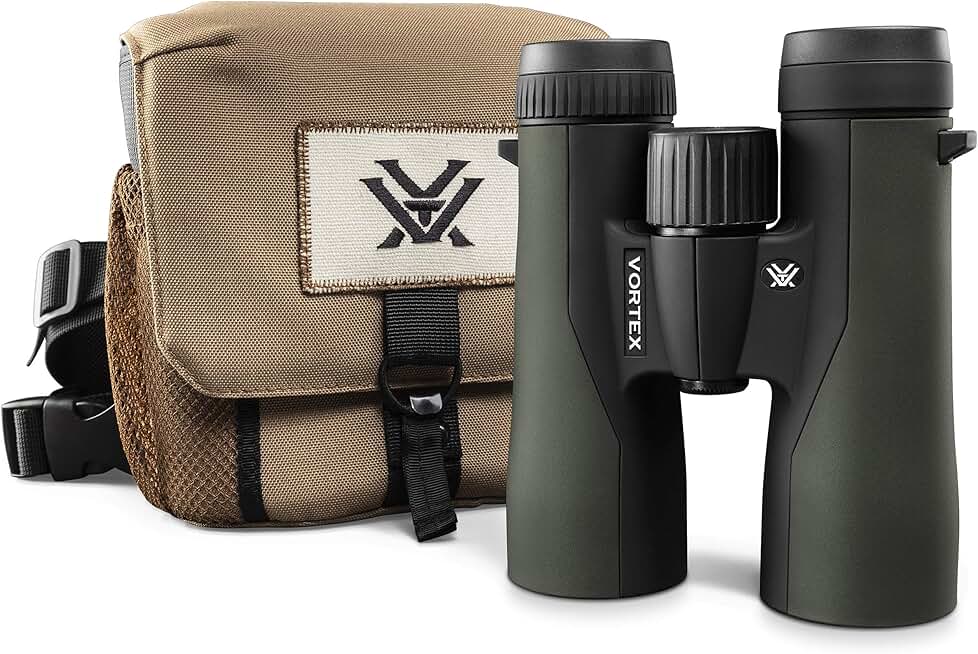
3. Vortex Viper HD 10x42
The Vortex Viper HD 10x42 delivers exceptional HD glass performance at a mid-tier price point, offering bright, high-contrast images for budget-conscious birders. Its fully multi-coated lenses maximize light gathering, while the rubber-armored body provides a secure grip in wet conditions. This model proves that premium optics do not always require a premium price tag.
4. Leica Ultravid 10x42
Leica’s Ultravid 10x42 prioritizes ergonomic comfort and natural color rendering, creating a viewing experience that feels intuitive and effortless. The binoculars feature a sleek, lightweight design that reduces neck strain during extended use, while the advanced coatings ensure vibrant, true-to-life colors. It is a refined instrument for those who value tactile quality and visual fidelity.

5. Nikon Monarch M5 10x42
The Nikon Monarch M5 10x42 offers reliable, high-performance optics for serious birders seeking durability without excess cost. Its Phase-Encoded Dielectric Coatings enhance brightness and contrast, ensuring clear views in dense forest canopies. The robust, nitrogen-purged body guarantees fog-proof performance, making it a dependable companion for all-season fieldwork and varied weather conditions.

Pick the right fit
Choosing binoculars is less about finding the "best" optics and more about finding the pair that matches your body and your habitat. The right fit balances optical performance with physical comfort, ensuring you actually enjoy using them in the field.
Start by checking the weight. A 10x42 pair adds noticeable weight to your neck and arms over a full day of birding. If you hike steep terrain, a 10x25 or 8x25 compact model reduces fatigue significantly. If you stay near a blind or car, the extra light-gathering capability of a 10x42 is usually worth the trade-off.
Next, consider the eye relief. This is the distance your eye must be from the eyepiece to see the full image. If you wear glasses, look for at least 15mm of eye relief. Most standard binoculars require your eye to be close to the lens, which causes "vignetting" or black circles in your vision if you don't remove your glasses.
Finally, test the grip and balance. Binoculars are awkward to hold for long periods. Hold the pair in the store or store window. Does the center focus knob feel natural to your thumb? Is the body too wide for your hand? A comfortable grip prevents shaking, which is critical for spotting distant birds.

Compare 10x25 compacts against 10x42 standards. Heavier models offer brighter images but cause more arm fatigue. Lighter models are easier to hold steady for long periods.
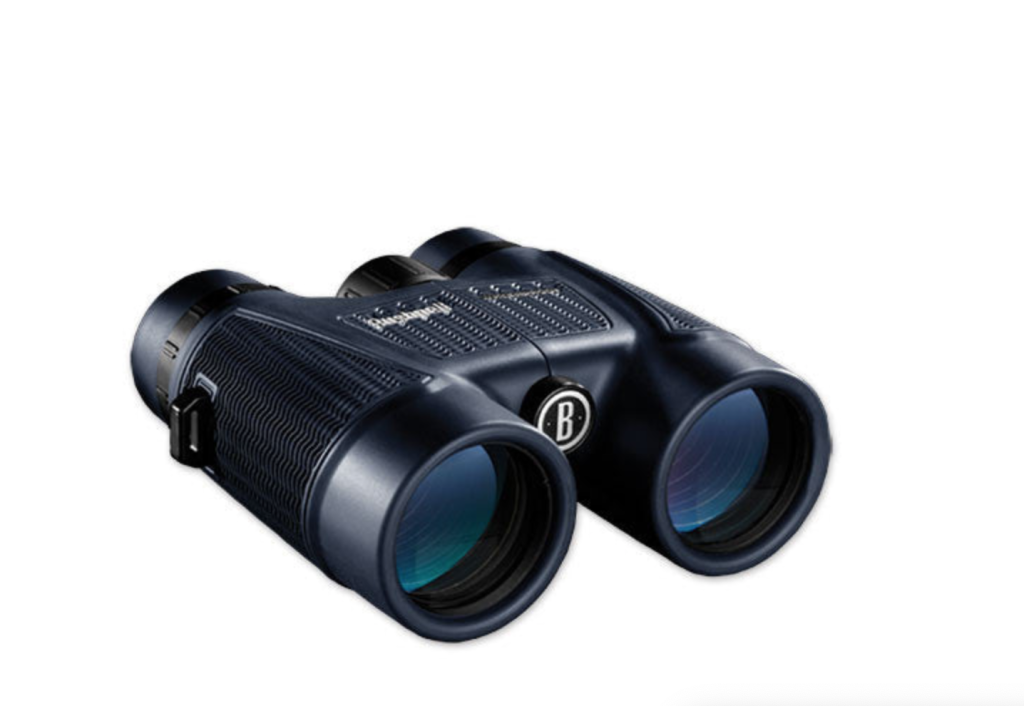
Measure the distance from the eyepiece to your eye. If you wear glasses, ensure the binoculars provide at least 15mm of eye relief so you can see the full field of view without removing them.
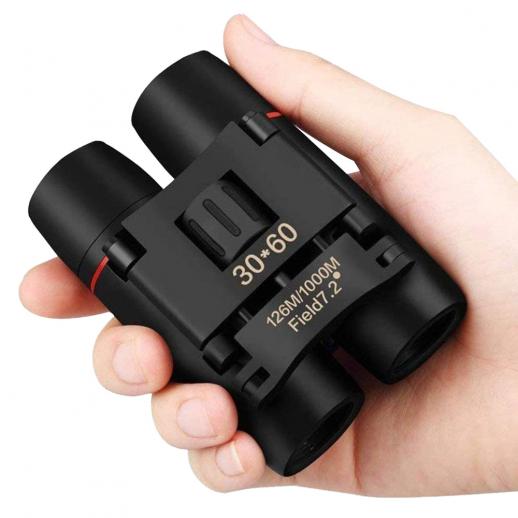
Hold the binoculars for a minute. Check if the center focus knob is easy to reach and if the weight distribution feels balanced. A well-balanced pair reduces hand shake and improves spotting success.


As an Amazon Associate, we may earn from qualifying purchases.
| Type | Magnification | Best For | Weight |
|---|---|---|---|
| Compact | 8x25 or 10x25 | Hiking and travel | Light |
| Standard | 10x42 | General birding | Moderate |
| Large | 12x50 | Static observation | Heavy |
2026 Binoculars for Birding: 5 Compact Picks After the New Zeiss & Swarovski Releases
Which brand of binoculars is considered the best? There is no single "best" brand, as the right choice depends on your specific needs and budget. Swarovski and Zeiss are widely regarded as the premium tier, offering exceptional optical clarity and build quality, which is why they dominate high-end comparisons. However, brands like Nikon and Vortex provide outstanding performance at more accessible price points, often winning out for birders who prioritize value without sacrificing sharpness. For compact birding specifically, look for models from these manufacturers that balance weight with high-transmission lenses.
What is better, 12x50 or 10x42 binoculars? For most birders, 10x42 binoculars are the superior choice because they offer a wider field of view and are easier to hold steady without a tripod. The "10x" magnification is sufficient for identifying birds at a distance, while the "42" mm objective lens gathers enough light for clear viewing in dawn or dusk conditions. In contrast, 12x50 binoculars are heavier and magnify hand shake significantly, making them difficult to use for tracking moving subjects in the field. Unless you are a stationary observer in a blind, 10x42 remains the versatile standard.
Which binoculars do Navy SEALs use? The U.S. military typically uses specialized optics like the Steiner NBX 7x50 or the Vortex Optics Razor HD for their durability and night-vision compatibility. However, these are not ideal for birding. They are heavy, bulky, and optimized for low-light tactical scenarios rather than daylight wildlife observation. For birding, you should prioritize compact, lightweight models with waterproofing and fog-proofing, such as the Zeiss Victory SF or Swarovski EL Range, which are designed for all-day comfort and high-resolution daylight viewing.
Do I need a tripod for compact binoculars? You generally do not need a tripod for compact 8x or 10x binoculars if you have steady hands, as these magnifications are manageable for handheld use. A tripod becomes essential if you switch to 12x or higher magnification, or if you plan to spend hours scanning the sky for distant raptors. Many compact birding binoculars feature a threaded insert on the bridge, allowing you to attach a tripod adapter easily when needed, giving you the flexibility to switch between handheld and tripod use.
Are expensive binoculars worth the cost for birding? Expensive binoculars ($1,000+) offer brighter images, sharper edges, and better color fidelity, which can make identifying subtle field marks easier in challenging light. However, mid-range options ($300–$600) have improved significantly and are often sufficient for most birding scenarios. The "worth it" factor depends on how often you bird and in what conditions. If you bird frequently in low light or need the highest possible clarity, the premium brands justify their price. For casual weekend birders, a solid mid-range pair offers the best balance of performance and cost.
No comments yet. Be the first to share your thoughts!