
Binoculars budget
Best Binoculars for Birding works best when the purchase path is explicit. Verify the source, compare the offer against real alternatives, check the total cost, and confirm what happens after payment before you decide. After each comparison, write down the one risk that would change your mind. If the seller, condition, support, warranty, shipping, or upkeep still feels uncertain, resolve that question before moving to checkout.
The simplest way to use this section is to verify the seller, compare the total cost, and resolve the biggest risk before you commit.
Shortlist real options
Use this section to make the Best Binoculars for Birding decision easier to compare in real life, not just on paper. Start with the reader's actual constraint, then separate must-have requirements from details that are merely nice to have. A practical choice should survive normal use, maintenance, timing, and budget. If a recommendation only works in an ideal situation, call that out plainly and give the reader a fallback path.
| Factor | What to check | Why it matters |
|---|---|---|
| Fit | Match the option to the primary use case. | A good deal still fails if it does not fit the job. |
| Condition | Verify age, wear, and service history. | Hidden condition issues erase upfront savings. |
| Cost | Compare purchase price with likely upkeep. | The cheapest option is not always the lowest-cost option. |
Inspect the expensive parts
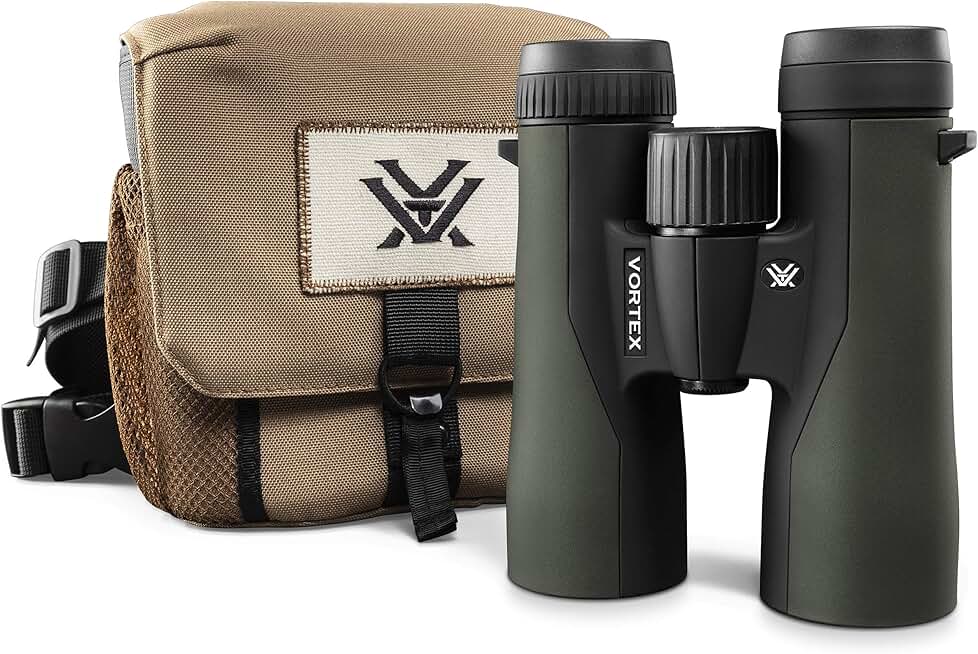
High-end binoculars are precision instruments, but the most expensive components are the first to fail. A cracked lens or a failed prism alignment can cost hundreds to repair. Before you commit to a long birding season, check these specific failure points.
The hinge is the mechanical heart of your binoculars. Open and close them fully several times. The action should be smooth and consistent, not gritty or loose. If the hinge feels loose, the internal mechanisms may be worn, leading to misalignment that ruins your depth perception and image quality over time.
Look through the eyepieces and adjust the diopter ring. It should move smoothly and return to a neutral zero position. A stiff or slipping diopter means your eyes won't focus correctly, forcing you to strain during long observation sessions. This is a common issue in cheaper models that can ruin an otherwise good optical system.
Hold the binoculars up to a bright light and look through the lenses. You should see clear, unobstructed glass. Any haze, spots, or scratches inside the lenses indicate seal failure and potential fungus growth. Once moisture gets inside, it is nearly impossible to clean without professional disassembly, which voids warranties.
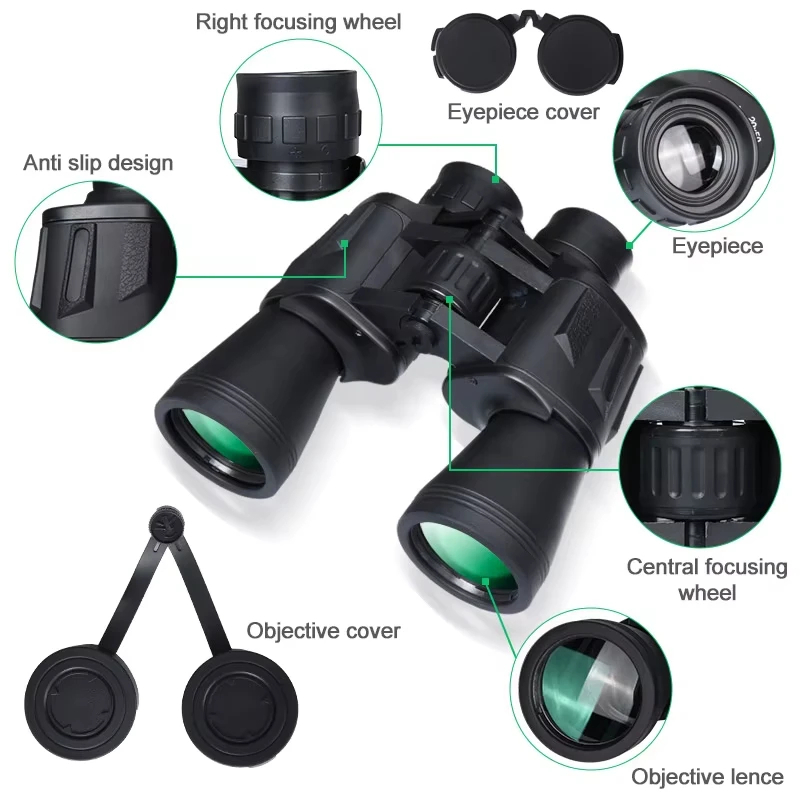
Turn the central focus wheel. It should require moderate effort, not too loose or too tight. A loose focus knob will drift when you carry the binoculars in a pack, forcing you to refocus constantly. A tight knob can cause hand fatigue during extended use. Proper resistance ensures your target stays sharp without constant adjustment.

As an Amazon Associate, we may earn from qualifying purchases.
Plan for ownership costs
A pair of binoculars is rarely a one-time purchase. The real expense often shows up in maintenance and accidental damage. A single drop can shatter internal prisms, turning a $300 investment into a $600 repair bill. Understanding the long-term costs helps you decide if a mid-range pair is smarter than buying cheap and replacing it twice.
The hidden costs of ownership
Most birders don't budget for repairs until it's too late. Warranties vary significantly. Vortex offers an unconditional lifetime warranty, meaning they replace damaged binoculars regardless of the cause. Nikon provides a limited warranty that covers manufacturing defects but usually excludes accidental drops. If you hike off-trail, the brand's repair policy matters more than the initial price tag.
Cleaning and storage also add up. Microfiber cloths, lens cleaning fluid, and silica gel packets to prevent fungal growth inside the lenses are small annual costs. Skipping these can lead to internal fungus, which is often irreversible. Treating a fungal infection requires professional disassembly and cleaning, costing nearly as much as a budget pair.
When cheap stops being cheap
Entry-level binoculars often use lower-grade glass and weaker seals. They may fog up in humid conditions or degrade in image clarity after a few years. If you bird frequently, the frustration of poor optics and the need to replace them sooner can cost more than buying a durable mid-tier pair upfront.
For migratory season, where you might spend hours scanning in varied weather, reliability is key. Investing in a pair with a solid warranty and good build quality pays off in longevity. It’s better to buy once, cry once, than to buy twice and cry every time the lens fogs.


As an Amazon Associate, we may earn from qualifying purchases.
Binoculars: what to check next
Choosing the right optics can feel like decoding a foreign language. Before you commit to a pair, it helps to understand how magnification and lens size actually change what you see in the field.
What is better, 12x50 or 10x42 binoculars?
The 12x50 gives you more magnification and a brighter image in low light, but the higher magnification makes hand shake much more noticeable. You will likely need a tripod or a very steady rest to get a clear view. The 10x42 is the standard for birding because it offers a good balance of reach and stability without requiring extra support.
Which binoculars do Navy Seals use?
The U.S. military typically uses 7x50 binoculars, such as the classic 7x50 CF McMillan. These are built for durability and low-light performance rather than high magnification. For most civilian birders, this is overkill. The large size and weight make them impractical for long hikes or quick scanning of the canopy.
How much does a really good pair of binoculars cost?
A truly good pair of birding binoculars usually starts around $200 and can go up to $1,000 or more for premium brands like Swarovski or Leica. The sweet spot for most enthusiasts is between $300 and $600, where you get excellent glass and weather sealing without paying for luxury branding. Cheaper options often suffer from blurry edges and poor color fidelity.
Which is better 8x42 or 10x42 binoculars?
The 8x42 provides a wider field of view and a brighter image, making it easier to track fast-moving birds. The 10x42 offers more zoom, which is better for spotting distant details. If you are scanning open fields or forests, 8x is often more comfortable. If you are looking at distant waterfowl or raptors, 10x gives you the edge.
No comments yet. Be the first to share your thoughts!