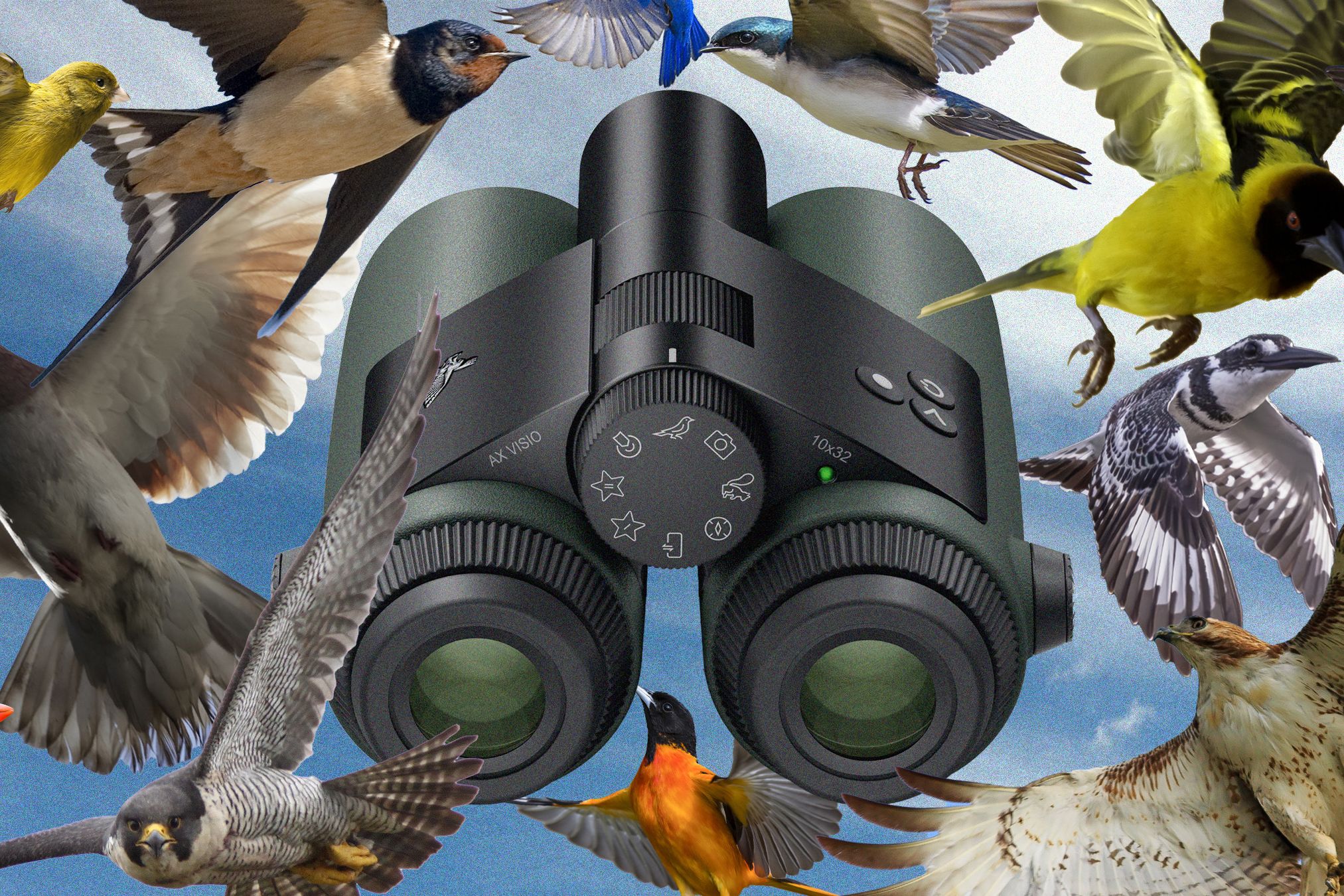
Choosing the right magnification
The most common point of confusion for birders is deciding between 8x and 10x magnification. This choice dictates the fundamental experience of your time in the field, balancing reach against stability and field of view. While higher numbers promise closer views, they also amplify hand shake and narrow the window through which you spot birds.
8x magnification: Stability and speed
Eight-power binoculars are the standard for a reason. They offer a wider field of view, making it significantly easier to track fast-moving birds like warblers or woodpeckers. The lower magnification also means less hand shake, allowing you to hold the binoculars steady for longer periods without fatigue. This makes 8x binoculars ideal for dense forests, hiking, or any situation where you need to move quickly.
10x magnification: Reach and detail
Ten-power binoculars provide more reach, bringing distant shorebirds or waterfowl closer. However, this extra power comes at a cost. The viewing area narrows, making it harder to find birds in the first place. Hand shake is also magnified, requiring a steadier hand or a tripod for extended viewing. If you primarily bird in open areas like wetlands or grasslands where targets are stationary and distant, 10x can be a powerful tool.
Lightweight binoculars for long treks
When migratory season demands miles of trail, every ounce counts. Compact binoculars designed for hiking balance optical clarity with minimal weight, allowing birders to scan treetops without shoulder fatigue. These models typically feature 8x or 10x magnification with 25mm objective lenses, offering a sweet spot between brightness and portability.
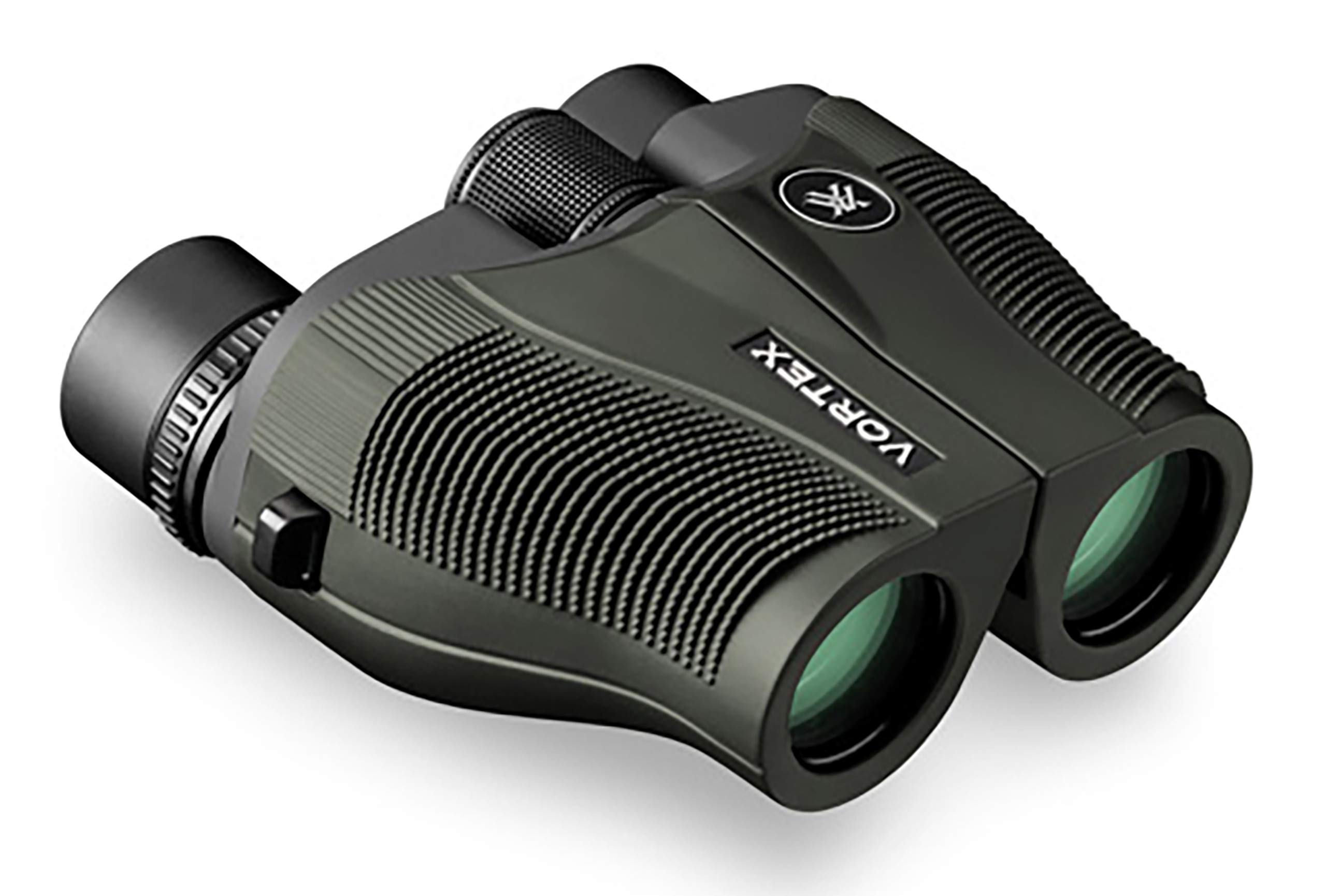
The Vortex Viper HD 8x26 stands out for its ultra-lightweight magnesium chassis and fully multi-coated optics. Weighing just 11.1 ounces, it delivers sharp, high-contrast images ideal for spotting distant warblers in bright conditions. Its compact barrel design fits easily into a vest pocket, making it a favorite for fast-moving treks.
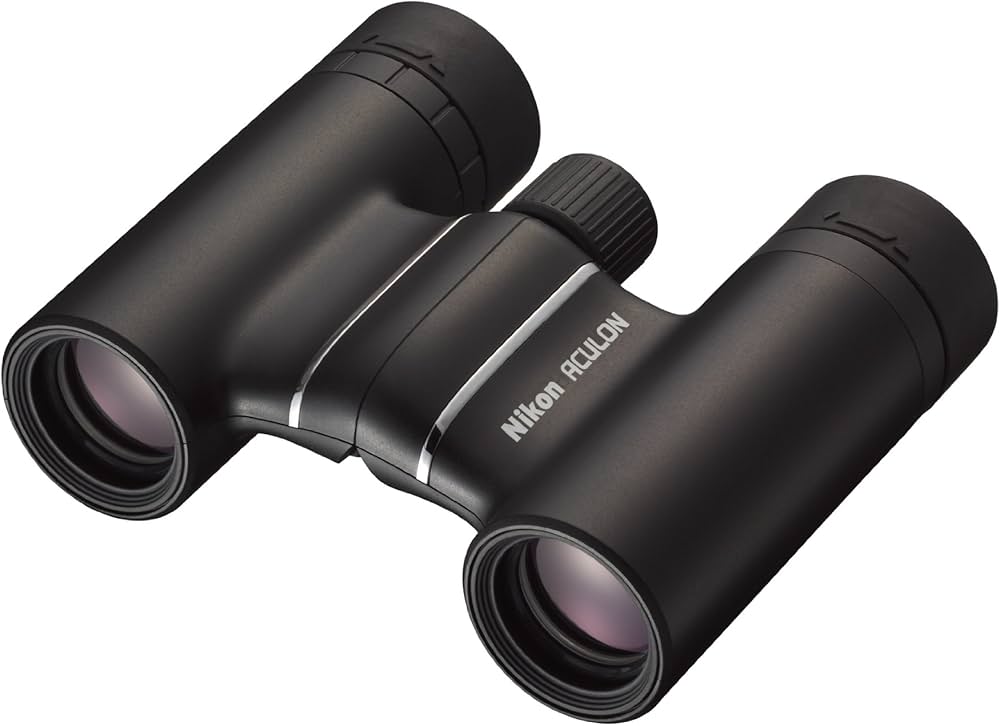
For those prioritizing extreme portability, the Nikon Aculon T01 10x25 offers a rigid, rubber-armored body that resists impacts during rough hikes. At 9.3 ounces, it is one of the lightest options available. While the field of view is narrower than larger models, its 10x magnification helps isolate small birds in dense foliage.
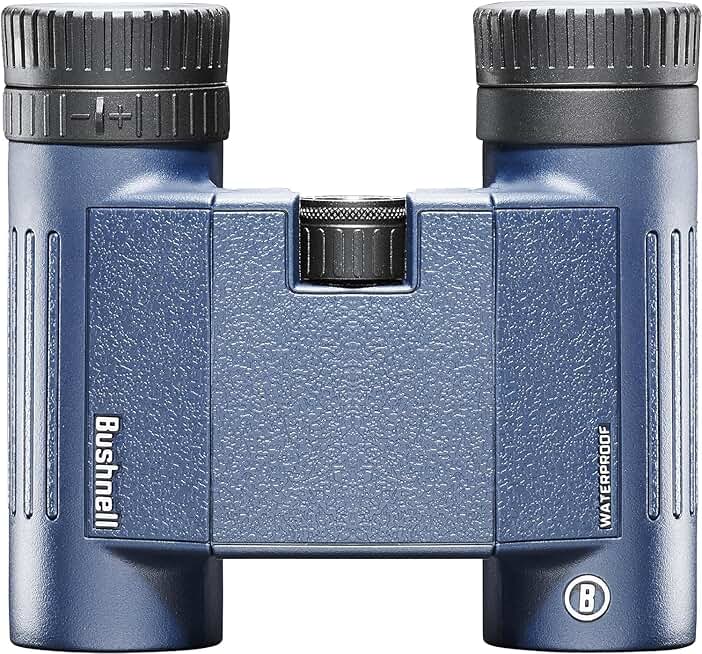
The Olympus 8x25 TR II provides a classic, ergonomic design with a small form factor that weighs only 8.1 ounces. Its fixed eyecups and smooth focus wheel make it easy to use with gloves or in wet conditions. The 8x magnification ensures a wider field of view, helping birders track flocks in flight.
As an Amazon Associate, we may earn from qualifying purchases.
Best 10x42 models for detail
The 10x42 configuration remains the standard for serious birding. The 10x magnification pulls distant subjects closer, revealing feather texture and field marks that 8x models blur. The 42mm objective lens gathers enough light to keep the image bright even in the dense shade of a forest canopy or during early morning flights.
This setup requires a trade-off. The higher magnification narrows the field of view and makes hand shake more apparent. You need steady hands or a tripod for long periods of scanning. However, for identifying birds at long distances or in low light, the detail gain is worth the extra weight and bulk.
The Nikon Monarch M5 10x42 delivers sharp optics with a wide field of view, making it easy to track fast-moving birds. Its waterproof construction and rubber armor handle rough field conditions without adding excessive weight.
Vortex Viper HD 10x42 binoculars offer exceptional clarity with their HD glass and fully multi-coated lenses. The ergonomic design fits comfortably in most hands, and the twist-up eyecups adjust for different eye heights.
The Swarovski EL 10x42 is the premium choice for those who prioritize image quality above all else. Its exceptional resolution and color fidelity make it ideal for critical identification tasks, though the price tag reflects its top-tier status.
| Model | Weight | Field of View | Eye Relief |
|---|---|---|---|
| Nikon Monarch M5 | 21.6 oz | 362 ft | 18 mm |
| Vortex Viper HD | 24.5 oz | 362 ft | 15 mm |
| Swarovski EL | 25.9 oz | 362 ft | 17 mm |
Budget binoculars under $300
You do not need to spend more than $300 to get clear, bright images of birds in flight. The optics in this price range have improved significantly, offering fully multi-coated lenses and reliable performance for tracking moving targets. For novice birders, these models provide the essential balance of magnification, light transmission, and portability without the premium tax of high-end optics.
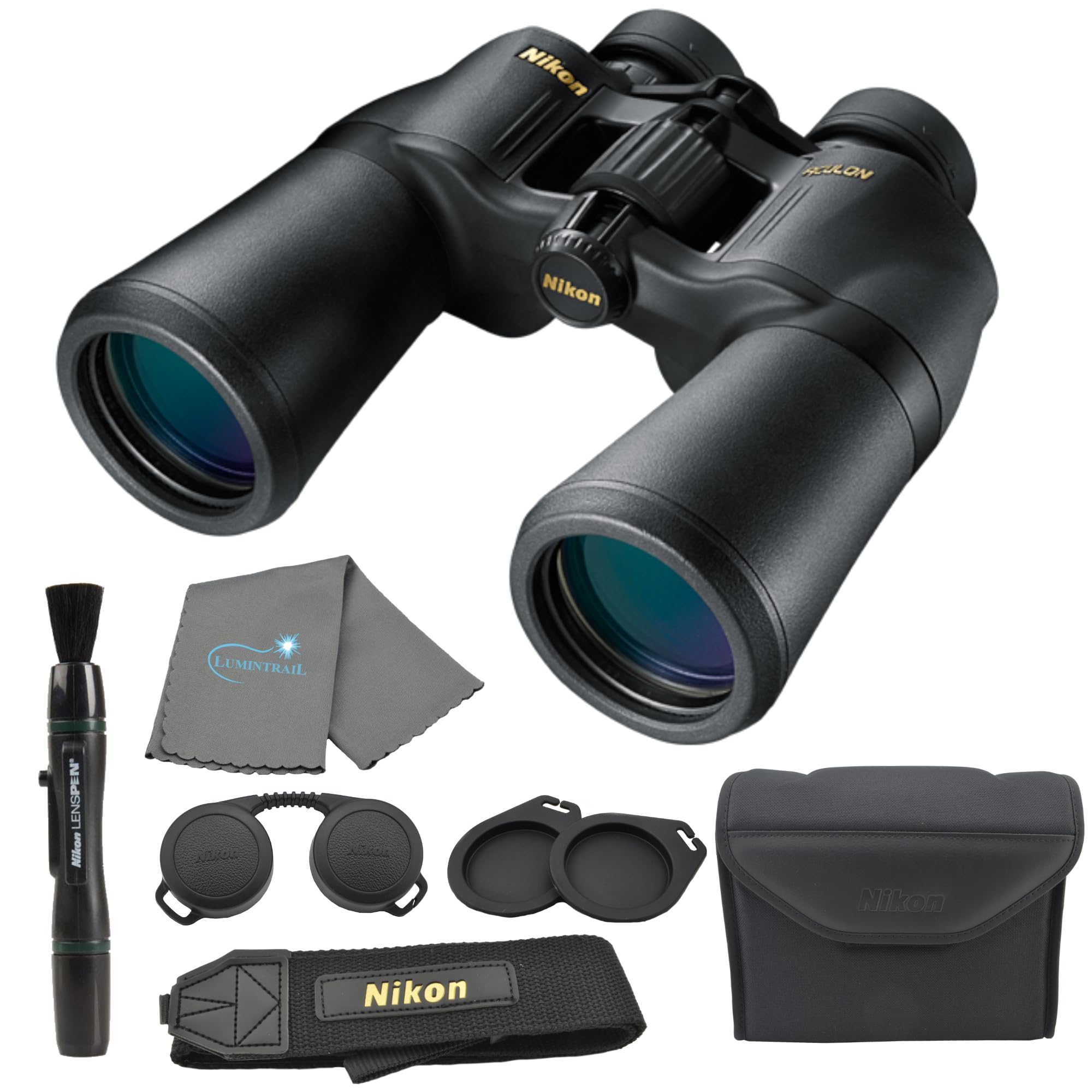
The Nikon Prostaff P7 8x32 is a standout choice for hikers and casual observers. Its 8x magnification and 32mm objective lenses create a 4mm exit pupil, which delivers a bright image even in the dim light of early morning or dense forest canopies. The 8x32 size is lighter than the standard 10x42, reducing arm fatigue during long walks, while the Prostaff P7’s wide field of view makes it easier to locate and track birds in motion. Users frequently cite its sharpness and comfortable eye relief as reasons for keeping it in their pack.
For those who prefer slightly more reach, the Bushnell Legend Ultra HD 10x42 offers excellent value. It features BaK-4 prisms and fully multi-coated optics to maintain color fidelity and contrast. The 10x magnification brings distant birds closer, and the 42mm objective lenses gather ample light for detailed observation. While heavier than the 8x32 options, the Legend Ultra HD remains manageable for stationary viewing or short hikes, making it a solid all-around tool for migratory season.
These budget-friendly options prove that optical quality is not exclusively tied to a high price tag. By focusing on fundamental specs like exit pupil and field of view, you can select binoculars that perform reliably in the field without breaking the bank.


As an Amazon Associate, we may earn from qualifying purchases.
What to look for in birding optics
Choosing the right pair of binoculars for birding requires balancing optical performance with physical comfort. You will spend hours holding these devices up to your eyes, so the specifications must support both sharp observation and long-term usability. The following technical features define the difference between a frustrating experience and a clear view of distant plumage.
Eye relief and eyecups
Eye relief is the distance you can hold the binoculars from your eyes while still seeing the full field of view. For birders, especially those who wear glasses, adequate eye relief is non-negotiable. Most quality birding binoculars offer 15mm or more of eye relief. Look for twist-up eyecups that allow you to adjust the rubber eyecups to match your eye position. This ensures you do not lose peripheral vision or strain your neck while scanning tree canopies.
Waterproofing and nitrogen purging
Birding often takes place in damp environments, from morning mist to sudden rain showers. Waterproof binoculars prevent internal fogging and protect the optics from moisture damage. The best models are nitrogen-purged, which means the interior is filled with nitrogen gas to displace oxygen. This process prevents internal fogging when temperatures change rapidly, such as when you move from a cold morning to a warm afternoon. O-rings and sealed barrels ensure that water and dust cannot penetrate the housing.
Prism type: roof vs. porro
The two main prism designs are roof and porro prisms. Porro prisms offer better depth perception at a lower cost, but they are bulkier. Roof prisms are more compact and streamlined, making them easier to carry in a vest pocket or backpack. For migratory season birding, where mobility is key, roof prisms are generally preferred. However, ensure the roof prisms are phase-coated to maintain image contrast and sharpness, which is critical for identifying small, distant birds.
Field of view and magnification
Magnification determines how close the bird appears, while field of view determines how much of the sky you see at once. A 10x42 configuration is the standard for birding, offering a balance of detail and brightness. Higher magnifications like 12x or 15x can be useful for waterfowl or raptors, but they narrow the field of view and require a tripod for stability. For most birders, a 10x magnification with a wide field of view (300 feet or more at 1,000 yards) allows for easier tracking of moving birds in dense foliage.
Common questions about binoculars
Birding gear lasts longer when you treat it like precision optics rather than casual accessories. The following questions address maintenance, glass types, and magnification choices specific to migratory season field use.
No comments yet. Be the first to share your thoughts!