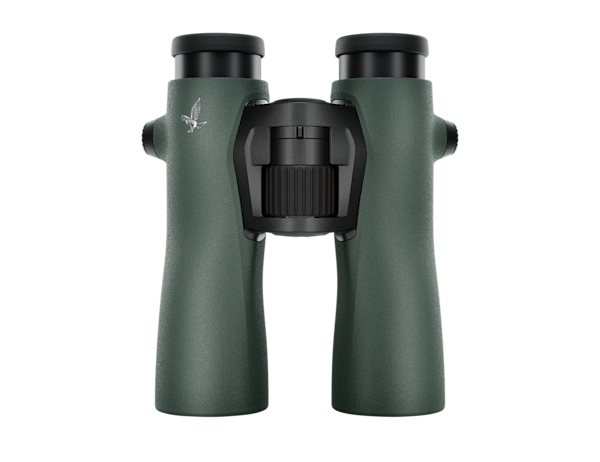

How we picked the best binoculars
We don’t rely on marketing claims or spec sheets alone. To determine the best binoculars for birding, hunting, and astronomy, we bought and tested 16 of the best-selling models from top manufacturers like Vortex, Nikon, Leica, and Swarovski. Our evaluation process focuses on real-world usability rather than raw magnification numbers, which often mean little if the optics are poor or the weight is unbearable.
Optical performance is the starting point. We assessed image sharpness from center to edge, color fidelity, and low-light transmission. A pair of binoculars that delivers a crisp, bright image is far more valuable than one with higher magnification that produces a blurry, dim picture. We also evaluated the field of view, ensuring that wide-angle lenses allowed us to track fast-moving birds without excessive head movement.
Ergonomics and durability matter just as much. We handled each pair during extended field sessions to check for eye strain, focusing smoothness, and grip comfort. For hunters and hikers, weight and balance are critical; a heavy pair will cause fatigue and shake, ruining the view. We also tested weather resistance, ensuring that rubber armor and nitrogen purging held up against rain and humidity. Only models that excelled in both optics and handling made our final list.
Best overall binoculars for most people
The best all-around binoculars balance optical clarity, build quality, and versatility without demanding a premium price. For most birders, hikers, and casual stargazers, a 10x42 configuration offers the ideal compromise between magnification and field of view. The Vortex Triumph HD 10x42 stands out as the top recommendation, delivering sharp optics and a rugged, waterproof design that performs reliably in varied weather conditions.
Optical performance is the primary differentiator in this category. While premium brands like Swarovski offer superior edge-to-edge sharpness, the Vortex Triumph HD provides exceptional brightness and color fidelity for the price. The 42mm objective lenses gather enough light for early morning birding or dusk hunting, while the 10x magnification allows you to identify details at a distance without excessive hand shake. The rubber-armored body provides a secure grip, and the dual-focus center wheel ensures quick, precise adjustments.
Durability is equally important for outdoor gear. This model features fully multi-coated lenses and phase-corrected prisms to maximize light transmission. It is also waterproof and fog-proof, sealed with O-rings and purged with nitrogen to prevent internal condensation. Whether you are tracking deer in the woods or watching birds from a deck, these binoculars withstand the elements while maintaining optical integrity.
For readers seeking a reliable, high-performance pair that covers the majority of outdoor activities, the Vortex Triumph HD 10x42 is the most practical choice. It avoids the steep cost of luxury optics while providing nearly all the features serious enthusiasts require.

As an Amazon Associate, we may earn from qualifying purchases.
Best compact binoculars for travel
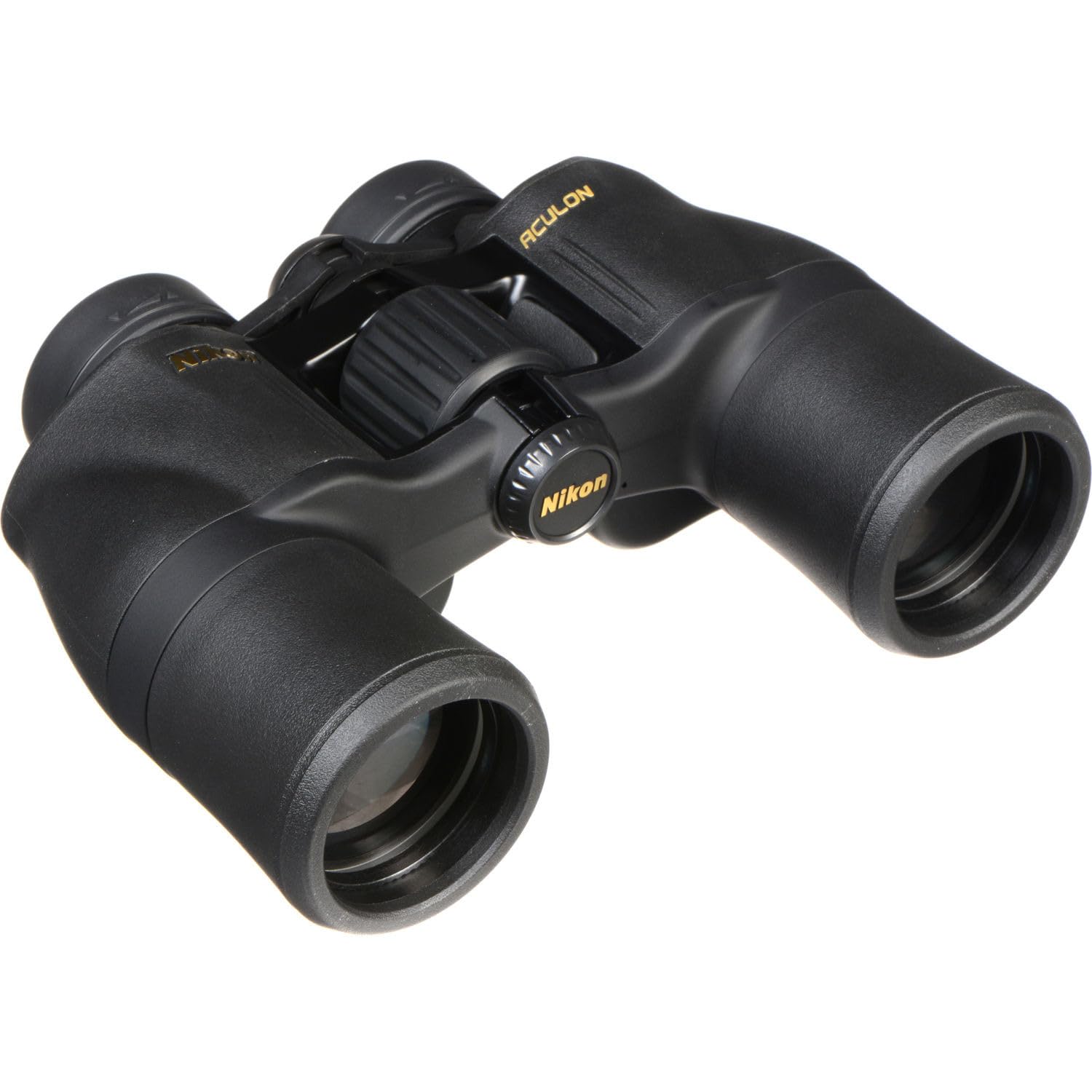
Compact binoculars offer a practical balance between portability and optical performance for travelers and casual observers. The priority in this category is weight reduction and ease of carry, often achieved through smaller objective lenses and shorter barrels. While they cannot match the light-gathering power of full-size optics, modern designs deliver sharp images suitable for birding, sightseeing, and general outdoor use.
When selecting compact binoculars, look for models that maintain a clear field of view despite their smaller size. Features like waterproofing and fog-proofing are essential for durability during travel, ensuring the optics remain reliable in varying weather conditions. The following options represent some of the most popular choices available, selected for their balance of size, clarity, and value.


As an Amazon Associate, we may earn from qualifying purchases.
Best binoculars for birding
Birding demands optics that perform in the low light of dawn and dusk. You need lenses that gather enough light to reveal fine feather details without straining your eyes, paired with color fidelity that distinguishes subtle field marks. A lightweight design is equally important; you will be holding these for hours, often while walking or standing still for long periods.
Optical performance in this category centers on brightness and contrast. High-quality coatings reduce glare and internal reflections, which is critical when scanning through dense foliage. The exit pupil size also matters—larger exit pupils (around 3mm to 4mm) provide a brighter image in dim conditions, making it easier to spot birds in shadowed woods or under heavy tree cover.


As an Amazon Associate, we may earn from qualifying purchases.
When choosing, consider the trade-off between magnification and stability. While 10x magnification brings distant birds closer, it also amplifies hand shake, requiring steady hands or a tripod. Many experienced birders prefer 8x magnification for its broader perspective and easier handling in moving vegetation. For those who prioritize extreme detail, 10x models are viable if you have a stable stance or support.
Best budget binoculars under $100
Use this section to make the Best Binoculars of decision easier to compare in real life, not just on paper. Start with the reader's actual constraint, then separate must-have requirements from details that are merely nice to have. A practical choice should survive normal use, maintenance, timing, and budget. If a recommendation only works in an ideal situation, call that out plainly and give the reader a fallback path.
The simplest way to use this section is to write down the must-have criteria first, then compare each option against those criteria before weighing nice-to-have features.
Best binoculars for astronomy
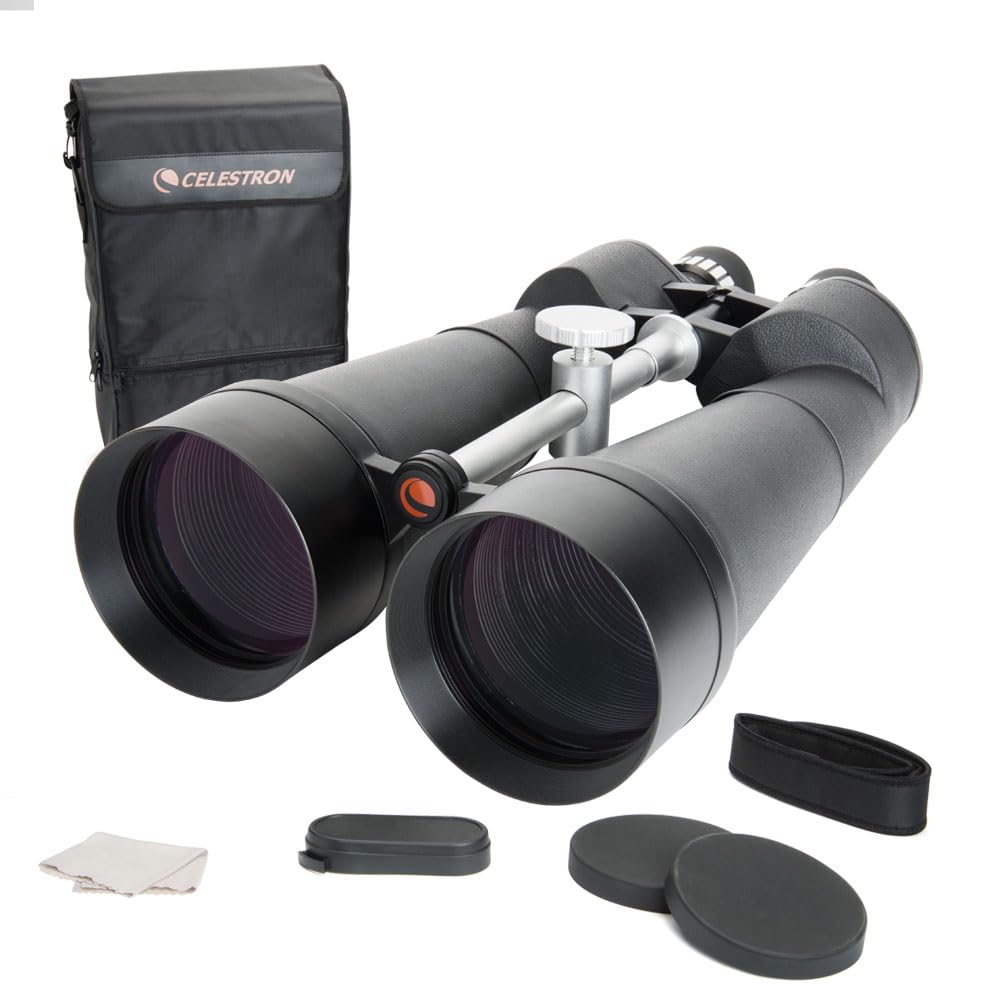
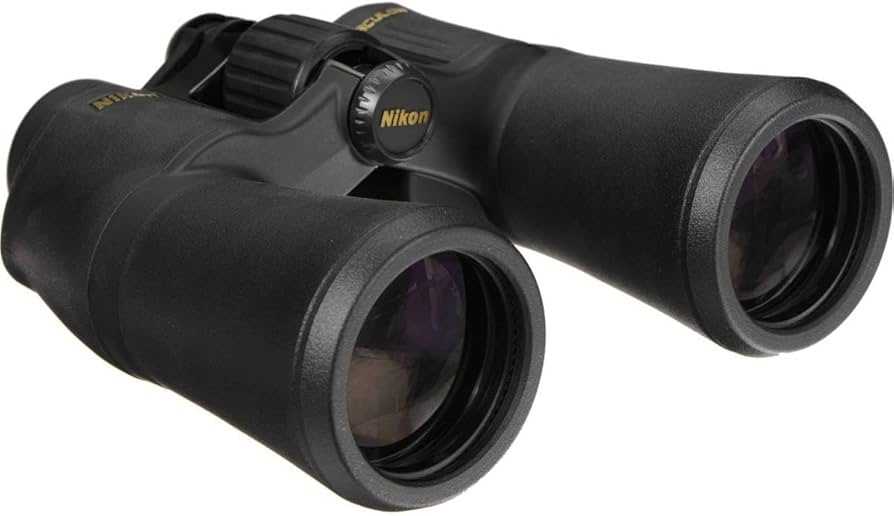
Astronomy binoculars require a different optical approach than terrestrial models. While birding optics prioritize high contrast and color fidelity for daylight subjects, stargazing binoculars must maximize light gathering and field of view to reveal faint deep-sky objects like nebulae and star clusters. The ideal astronomy pair typically features a large objective lens (50mm or larger) and moderate magnification (10x to 42x), balancing aperture size with portability and ease of use.
For casual skywatching, 10x50 binoculars serve as the best all-around starting point. They offer a wide field of view that makes locating constellations intuitive and provide enough brightness to reveal the rings of Saturn and the Galilean moons of Jupiter. Heavier 15x70 or 25x100 models are better suited for dedicated observers who plan to mount their optics on a tripod, as hand-holding high-magnification astronomy binoculars quickly leads to fatigue and image shake.
When selecting astronomy binoculars, prioritize optical coatings that minimize internal reflections. Fully multi-coated lenses ensure maximum light transmission, which is critical when viewing dim objects. Avoid binoculars with excessive magnification unless you intend to use a stable support; even slight hand movement becomes amplified at 25x and higher, turning a crisp view of the moon into a blurry shake.


As an Amazon Associate, we may earn from qualifying purchases.
Binocular buying guide: What to look for
Understanding binocular specifications helps you match the tool to your specific activity. The numbers stamped on the barrel, such as 10x42, tell you exactly how the optics perform in the field. Magnification determines how close subjects appear, while the objective lens diameter controls light gathering. Balancing these factors against weight and field of view is essential for a comfortable viewing experience.
Magnification and Objective Lens
The first number is magnification power. Eight times (8x) is the standard for birding because it offers a wide field of view and steady images in your hands. Ten times (10x) brings distant subjects closer but magnifies hand shake, often requiring a tripod for sustained use. The second number is the objective lens diameter in millimeters. Larger lenses gather more light, making them better for dawn, dusk, or astronomy. A 42mm lens is a common sweet spot, balancing brightness with manageable weight.
Field of View and Exit Pupil
Field of view describes how wide an area you can see at one time, measured in feet at 1,000 yards. A wider field makes it easier to track moving birds or scan landscapes. Exit pupil is the diameter of the light beam exiting the eyepiece, calculated by dividing the objective lens size by the magnification. A 5mm exit pupil is bright and clear in most daylight conditions, while larger exit pupils benefit low-light scenarios like twilight hunting or stargazing.
Comparison of Common Specs
The table below compares typical configurations found in popular binocular models. This data helps clarify how different specs affect performance for various activities.
| Specification | 8x42 | 10x42 | 10x50 |
|---|---|---|---|
| Magnification | 8x | 10x | 10x |
| Objective Lens (mm) | 42mm | 42mm | 50mm |
| Exit Pupil (mm) | 5.25mm | 4.2mm | 5.0mm |
| Best For | Birding, General Use | Distant Wildlife, Astronomy | Low Light, Astronomy |
Frequently asked questions about binoculars
Choosing the right optics can feel overwhelming when technical specs get in the way of practical use. These answers address the most common questions readers have before buying their first pair.
What is the difference between 8x42 and 10x42 binoculars?
The first number (8 or 10) is magnification, and the second (42) is the objective lens diameter in millimeters. An 8x42 offers a wider field of view and is easier to hold steady, making it the standard for birding and hunting. A 10x42 provides more reach for distant targets but requires steadier hands and a tripod for extended use, making it better for astronomy or long-range observation.
Are waterproof binoculars necessary?
Yes, if you plan to use them outdoors in any weather. Waterproof binoculars are filled with inert gas (usually nitrogen or argon) to prevent internal fogging when temperatures change rapidly. They are also sealed against rain and dust. Non-waterproof models may fail quickly in humid environments or if accidentally dropped in shallow water.
What does "field of view" mean?
Field of view (FOV) is the width of the visible area you can see through the binoculars at a distance of 1,000 yards, measured in feet. A wider FOV makes it easier to track fast-moving birds or scan a landscape. Generally, lower magnification binoculars (like 8x) offer a wider field of view than higher magnification models (like 10x or 12x).
No comments yet. Be the first to share your thoughts!