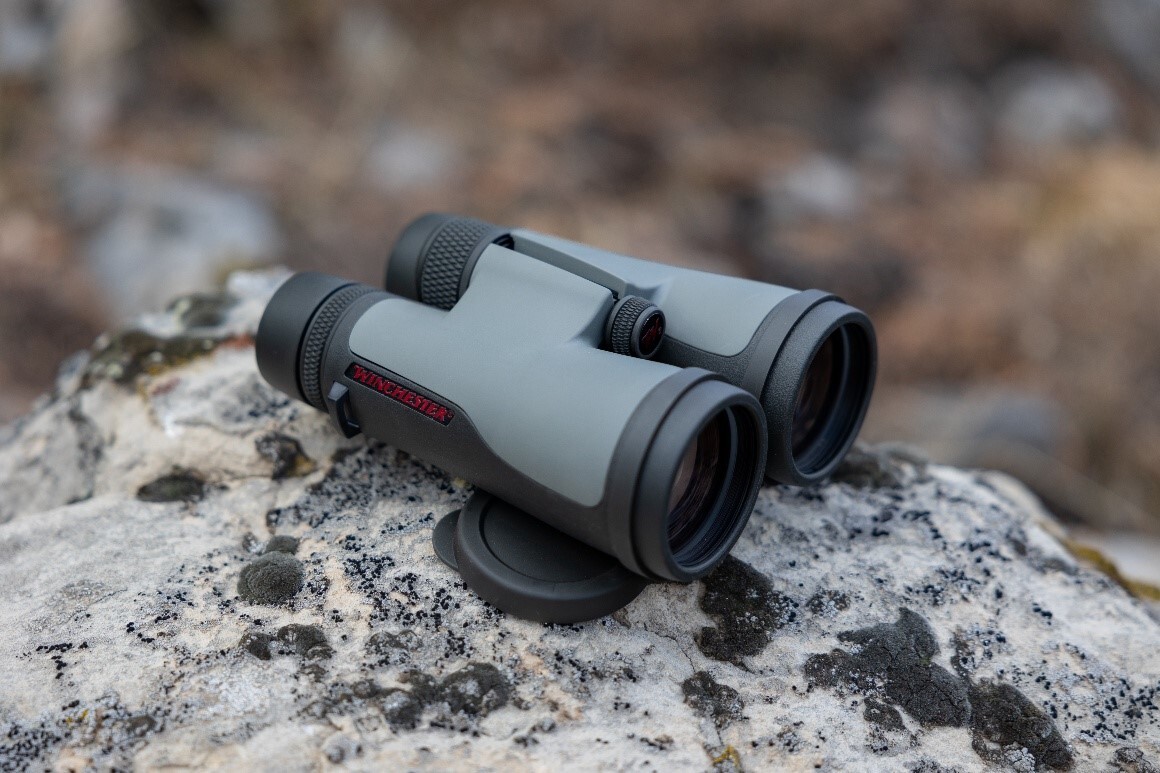

Binoculars budget: what you actually get for the price
Price is the first filter when choosing compact binoculars for birding. The market splits into three distinct tiers, each offering a different balance of optical clarity, build quality, and durability. Understanding these tiers helps you avoid overpaying for features you won’t use or underpaying for optics that will frustrate you in the field.
Under $150: The Entry Point
At this price, you are buying functional glass. Brands like Bushnell and Celestron dominate this space with reliable 8x25 and 10x25 models. Expect fully coated optics and basic rubber armoring. These binoculars are light and pocketable, making them ideal for casual weekend hikes or travelers who prioritize weight over low-light performance. The tradeoff is noticeable edge softness and dimmer images at dawn or dusk.
$150–$300: The Sweet Spot for Most Birders
This range offers the best value for serious hobbyists. You get better light transmission, sharper edges, and more durable construction. Models from Vortex and Nikon often fall here, featuring phase-coated prisms for brighter, higher-contrast images. The build quality improves with better focus mechanisms and water/fog proofing. For most birders, this is the ideal balance between portability and optical performance.
Over $300: Premium Optics
High-end binoculars from Leica, Swarovski, and Zeiss offer exceptional clarity and ergonomic designs. These are built for years of heavy use in challenging conditions. The optical coatings are superior, providing brighter images in low light and more accurate color rendition. However, for compact models, the size and weight savings are marginal compared to mid-range options. Unless you need maximum durability or have specific visual needs, the premium may not justify the cost.
How to Choose Without Wasting Money
Focus on your primary use case. If you need something for travel, prioritize weight and size. If you are birding in dense forests, prioritize light transmission and close focus distance. Avoid buying the most expensive pair if you won’t use the extra features. Read reviews from other birders to see how the binoculars perform in real-world conditions, not just in a lab.


As an Amazon Associate, we may earn from qualifying purchases.
Shortlist real options
Use this section to make the Best Compact Binoculars for Birding decision easier to compare in real life, not just on paper. Start with the reader's actual constraint, then separate must-have requirements from details that are merely nice to have. A practical choice should survive normal use, maintenance, timing, and budget. If a recommendation only works in an ideal situation, call that out plainly and give the reader a fallback path.
| Factor | What to check | Why it matters |
|---|---|---|
| Fit | Match the option to the primary use case. | A good deal still fails if it does not fit the job. |
| Condition | Verify age, wear, and service history. | Hidden condition issues erase upfront savings. |
| Cost | Compare purchase price with likely upkeep. | The cheapest option is not always the lowest-cost option. |
Inspect the expensive parts
Use this section to make the Best Compact Binoculars for Birding decision easier to compare in real life, not just on paper. Start with the reader's actual constraint, then separate must-have requirements from details that are merely nice to have. A practical choice should survive normal use, maintenance, timing, and budget. If a recommendation only works in an ideal situation, call that out plainly and give the reader a fallback path.
-
Verify the basicsConfirm the core specs, condition, and fit before comparing extras.
-
Price the downsideLook for the repair, maintenance, or replacement cost that would change the decision.
-
Compare alternativesCheck at least two comparable options before treating one listing as the benchmark.
Plan for ownership costs
Use this section to make the Best Compact Binoculars for Birding decision easier to compare in real life, not just on paper. Start with the reader's actual constraint, then separate must-have requirements from details that are merely nice to have. A practical choice should survive normal use, maintenance, timing, and budget. If a recommendation only works in an ideal situation, call that out plainly and give the reader a fallback path.
The simplest way to use this section is to write down the must-have criteria first, then compare each option against those criteria before weighing nice-to-have features.
No comments yet. Be the first to share your thoughts!