
Binocular types in 2026
Binoculars, in their most basic form, have been around for centuries, but the modern choices largely fall into two categories: compact and full-size. Early binoculars were often large and heavy, primarily used for military or nautical purposes. The drive for portability led to the development of smaller, more manageable designs – the ancestors of today’s compact binoculars. These early compacts traded some optical performance for convenience, a tradeoff that continues to shape the market.
The distinction isn't merely about size. It’s about a fundamental balancing act between optical capability, usability, and portability. Determining the 'best' binocular is entirely dependent on the intended use and the user’s priorities. A serious astronomer will have very different requirements than a casual birdwatcher or a traveler wanting a lightweight option. Both types have seen significant advancements in recent years, especially with improvements in lens coatings and materials.
Compact binoculars are for travel and hiking where every ounce matters. Full-size models are better for birding or hunting because they pull in more light when the sun is low. The choice usually comes down to whether you want to carry the weight to get a clearer view at dusk.
Weight and portability
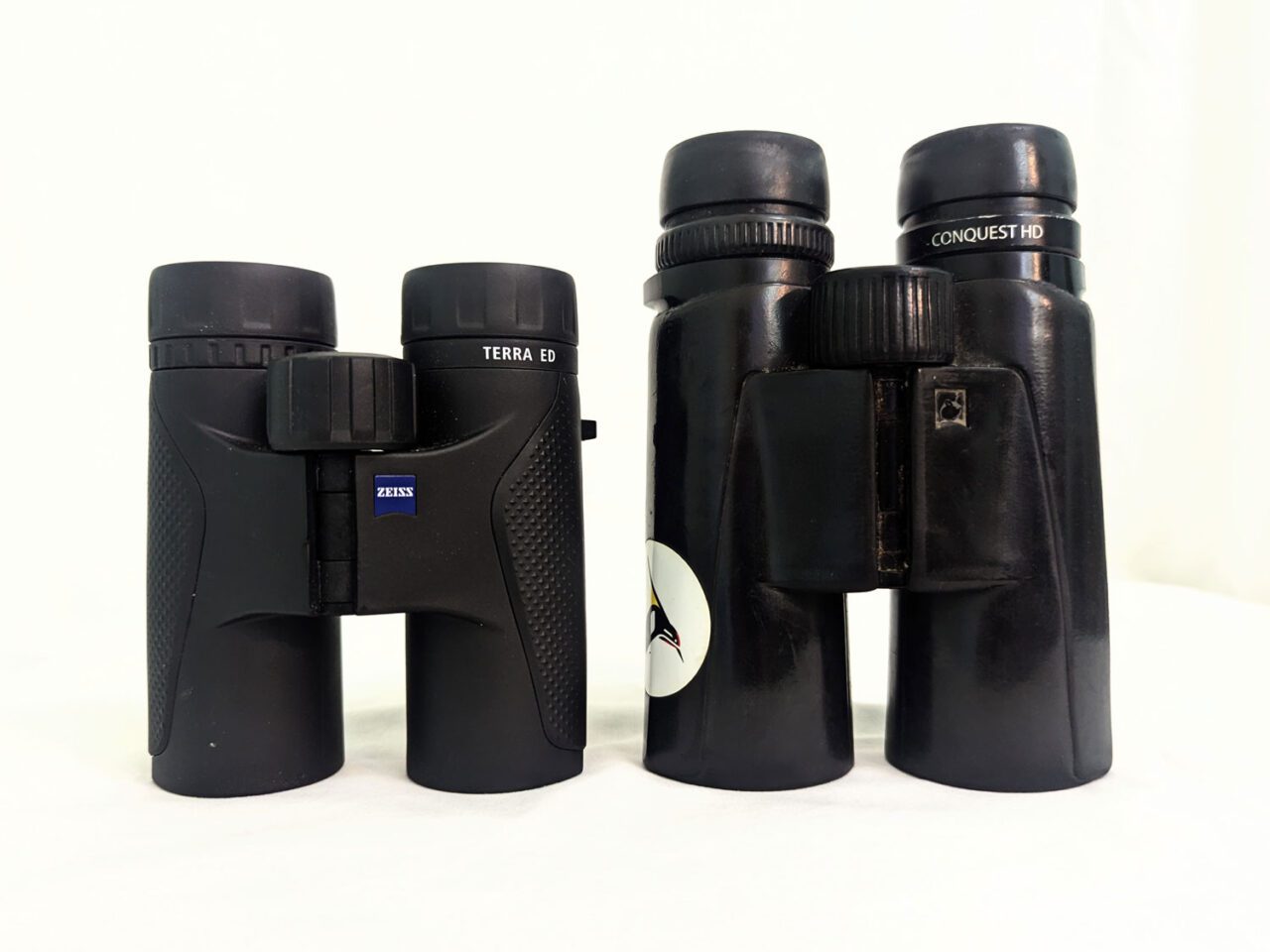
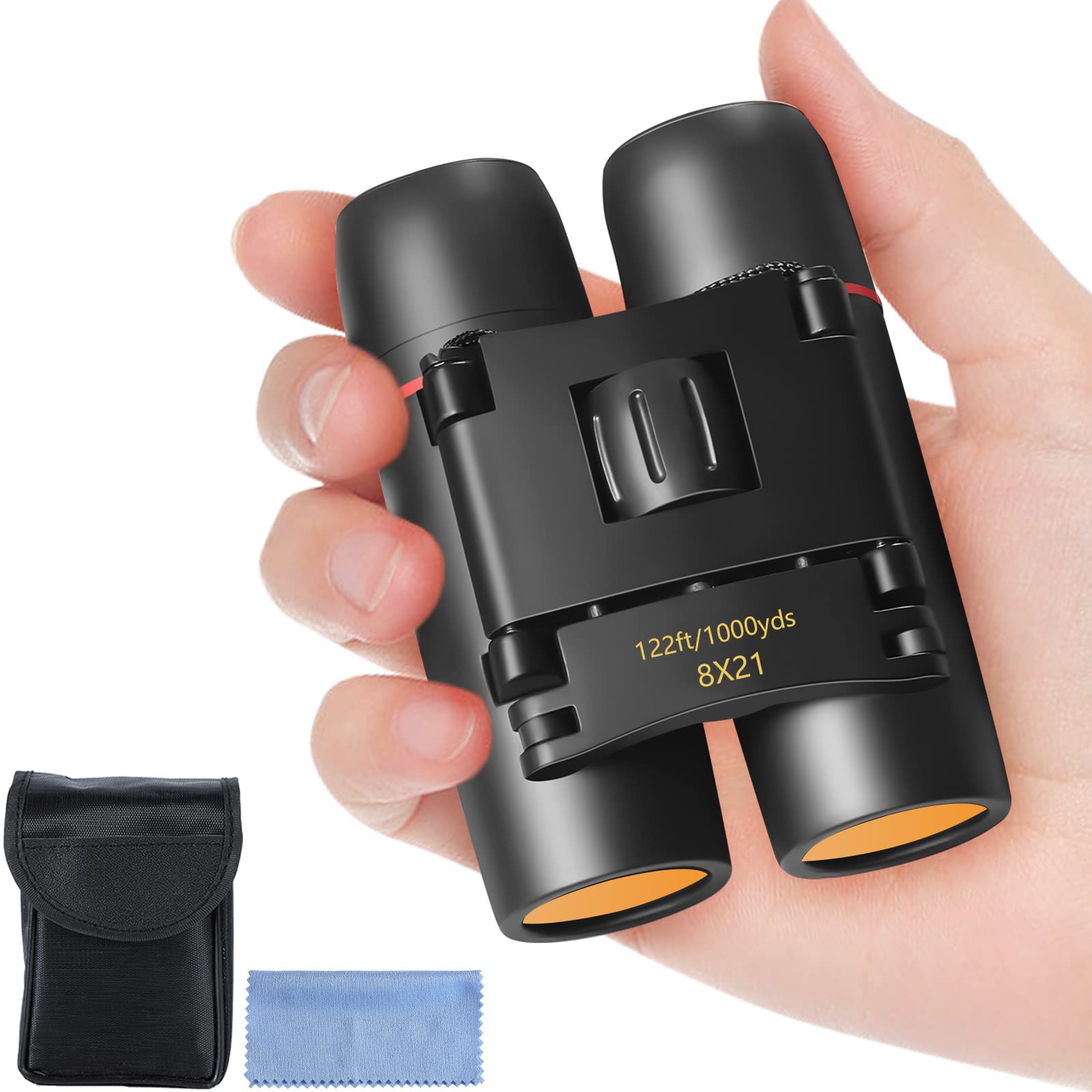
The most immediately apparent difference between compact and full-size binoculars is, unsurprisingly, their physical dimensions. A typical compact binocular might measure around 4.5 x 2.5 x 1.8 inches and weigh between 8 and 12 ounces. In contrast, a full-size binocular commonly measures 6 x 2 x 2 inches and weighs between 24 and 36 ounces – a substantial difference.
This weight disparity has a significant impact on usability, especially during extended observation sessions. Lighter binoculars are less fatiguing to hold, reducing strain on your neck and arms. However, the lighter weight of compacts can sometimes translate to less stability, particularly at higher magnifications. Weight distribution also matters; well-balanced binoculars are easier to hold steady than those that are front-heavy.
For activities like backpacking or international travel, the size and weight savings of compact binoculars are often critical. They easily fit into a daypack or even a large jacket pocket. Full-size binoculars, while offering superior optics, require more dedicated space and can be cumbersome to carry for long distances. The trade-off between optical quality and convenience is a key consideration.
Aperture and light gathering
Aperture size – the diameter of the objective lenses – is a primary determinant of a binocular's light-gathering ability. Larger apertures collect more light, resulting in brighter images, especially in low-light conditions. Compact binoculars typically have aperture sizes ranging from 20mm to 30mm, while full-size binoculars commonly range from 42mm to 56mm.
This difference in aperture size directly affects performance in challenging lighting situations. A larger aperture allows you to see details in dim environments, such as during dawn or dusk birding or when stargazing. The concept of the exit pupil is crucial here. The exit pupil is the diameter of the light beam exiting the eyepiece, calculated by dividing the objective lens diameter by the magnification. A larger exit pupil provides a brighter image and a wider field of view.
Glass quality matters as much as size. Multi-coated lenses stop glare from ruining the image, and ED (Extra-low Dispersion) glass prevents that annoying purple fringing you see around high-contrast edges. I've found that cheap 50mm lenses often look worse than high-end 30mm lenses because of this.
Compact vs. Full-Size Binocular Comparison
| Characteristic | Compact Binoculars | Full-Size Binoculars |
|---|---|---|
| Light Gathering Ability | Generally Lower | Generally Higher |
| Low-Light Performance | Fair to Good | Good to Excellent |
| Field of View | Moderate to Wide | Wide to Very Wide |
| Depth of Field | Moderate | Deep |
| Weight | Light | Moderate to Heavy |
| Portability | High | Moderate |
| Image Stability | More susceptible to shake | Inherently more stable |
| Typical Applications | Birding, travel, general observation | Hunting, astronomy, long-distance viewing |
Qualitative comparison based on the article research brief. Confirm current product details in the official docs before making implementation choices.
Magnification and Field of View Trade-offs
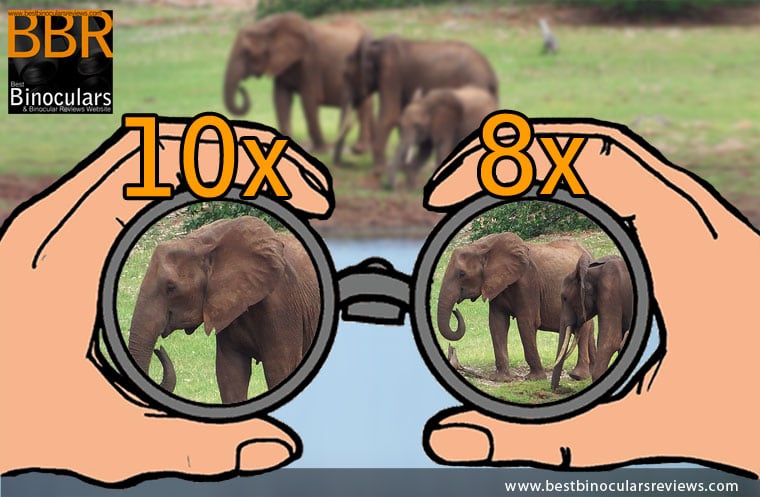
Magnification and field of view are inversely related. Increasing magnification narrows the field of view, and decreasing magnification widens it. This is a fundamental optical principle. Compact binoculars usually offer magnification ranges of 8x to 10x, while full-size binoculars commonly range from 8x to 16x or even higher.
A wider field of view is particularly advantageous when tracking moving subjects, such as birds in flight or game animals. It allows you to locate and follow the subject more easily. A narrow field of view can make it difficult to keep the subject in frame, especially at higher magnifications. Higher magnification also amplifies any hand shake, resulting in a shaky image.
Some full-size binoculars incorporate image stabilization technology to mitigate the effects of hand tremor. This can be a significant benefit for users who have difficulty holding binoculars steady. However, image stabilization adds to the cost and weight of the binoculars. The choice between magnification and field of view depends on your specific needs and viewing conditions.
Durability and weatherproofing
The materials used in binocular construction significantly impact their durability and longevity. Full-size binoculars often utilize more robust materials, like magnesium alloy, for the body, while compact binoculars frequently employ polycarbonate. Magnesium alloy is lighter and stronger than polycarbonate, offering better protection against impacts.
Waterproofing and fog proofing are essential features for outdoor use. Nitrogen purging is a common technique used to prevent internal fogging by displacing oxygen and moisture. The quality of the seals and the thoroughness of the purging process determine the level of waterproofing. Rubber armoring provides shock resistance and improves grip, even in wet conditions.
Lens coatings also contribute to durability. Scratch-resistant coatings protect the lenses from damage, extending their lifespan. The overall build quality and the attention to detail are indicators of a binocular’s long-term reliability. A well-built binocular, whether compact or full-size, should withstand years of regular use.
AI-Powered Binoculars: A New Frontier
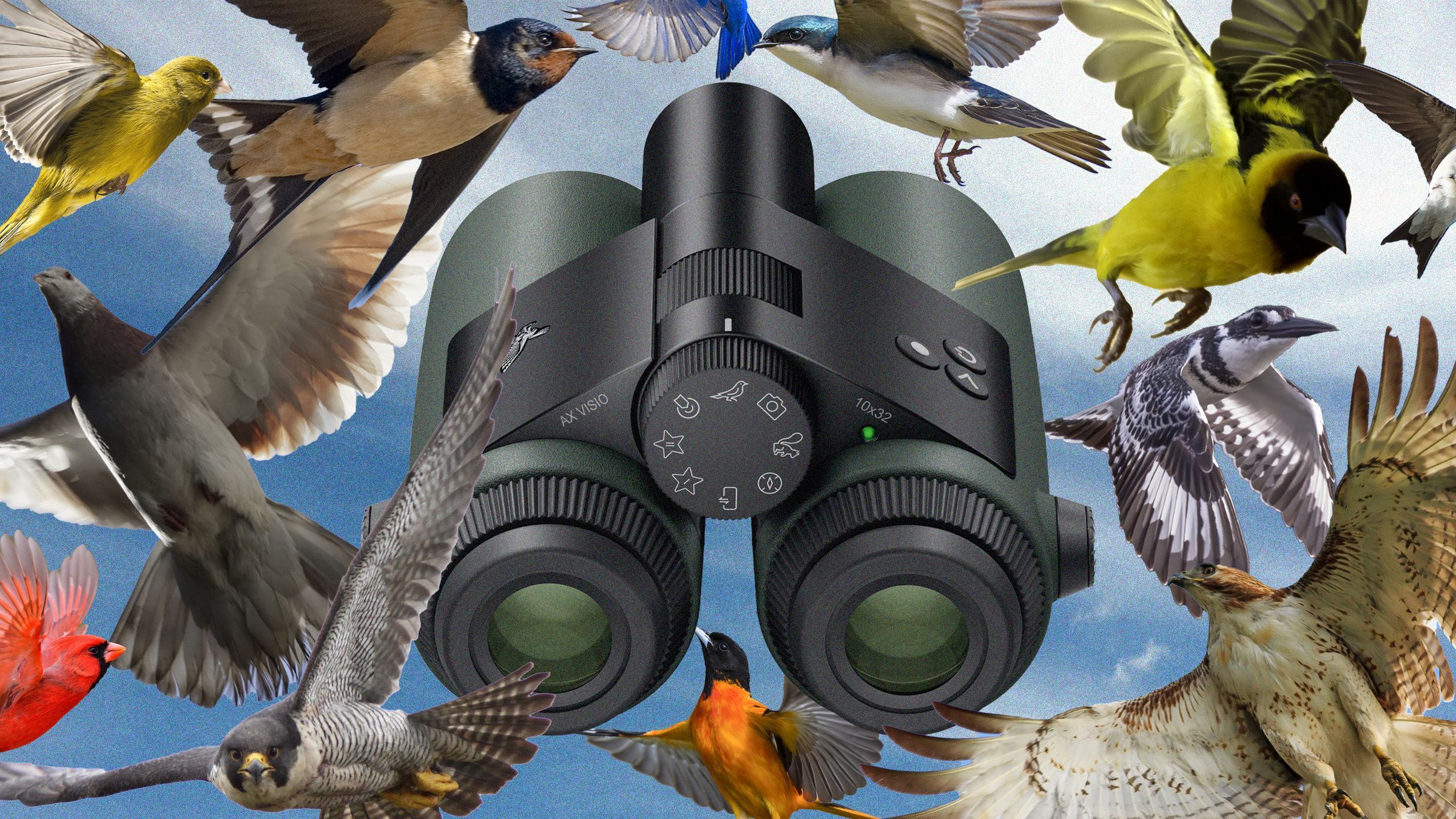
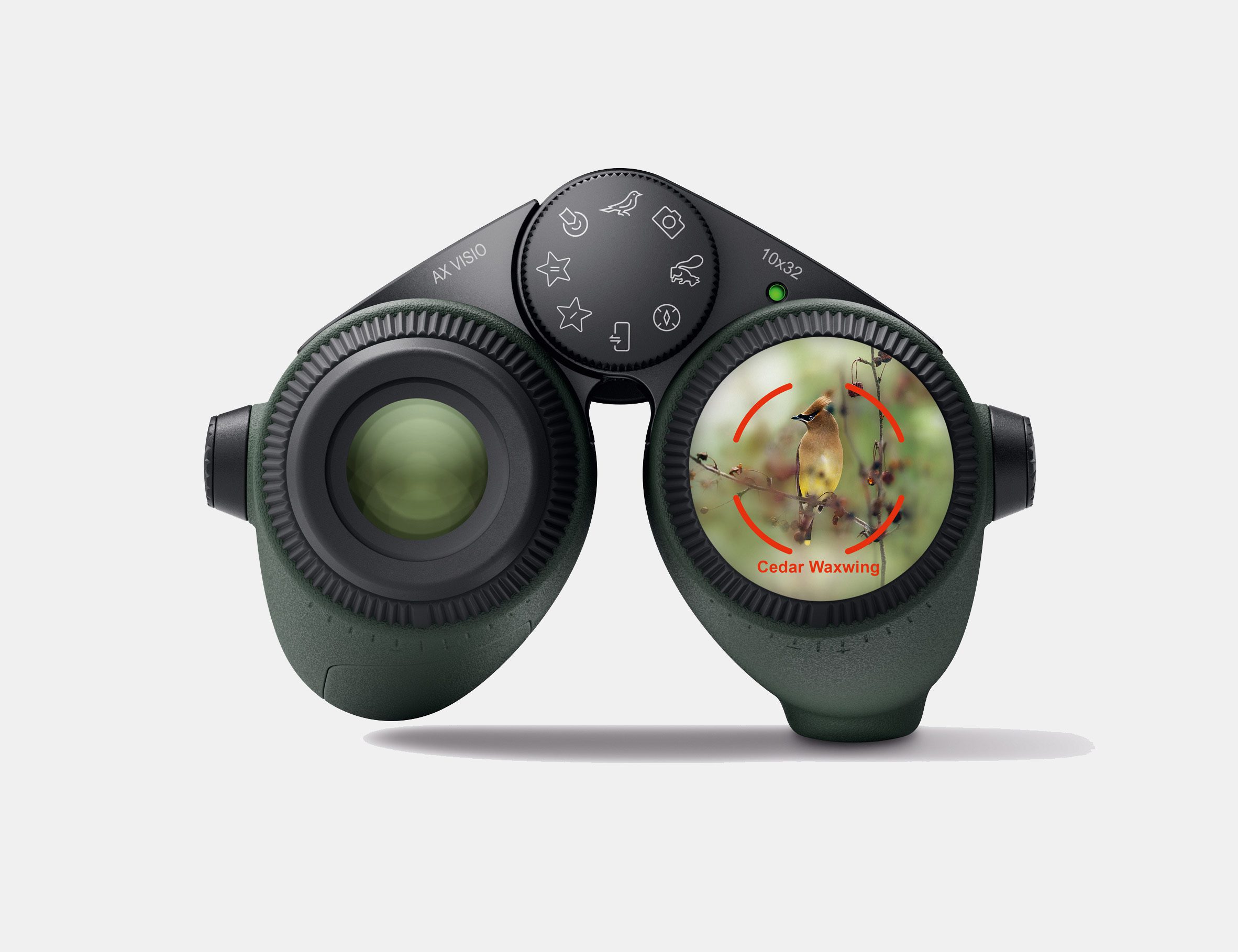
The emergence of AI-powered binoculars, like the Matata Xplore, represents a significant advancement in optical technology. These binoculars utilize onboard AI algorithms to identify objects in real-time, assisting with bird identification, animal detection, and other tasks. The Matata Xplore, for example, boasts the ability to capture and identify objects in seconds, offering a compelling alternative to traditional methods.
The benefits of AI-powered binoculars include faster and more accurate identification, particularly for users who are new to birding or wildlife observation. They can also provide additional information about the identified object, such as its species, range, and behavior. However, these binoculars currently have limitations. Accuracy can be affected by poor lighting conditions or obscured views, and the AI databases may not be comprehensive.
As AI technology continues to evolve, we can expect to see even more sophisticated features integrated into binoculars. Future developments may include improved object recognition algorithms, expanded databases, and integration with other smart devices. Privacy concerns related to image capture and data storage will also need to be addressed. The potential for AI to enhance the binocular experience is substantial.
- Identifies bird species on a built-in screen
- Shows range and behavior data while you watch
- Logs sightings to a phone app automatically
Featured Products

12x magnification, 25mm objective lens diameter · Large eyepiece design for enhanced viewing comfort · Waterproof and low-light vision capabilities
Offers a balance of magnification and portability at an accessible price point, suitable for a wide range of outdoor activities.

High-performance optics for superior image clarity and brightness · Advanced lens coatings for enhanced light transmission · Ergonomic design for comfortable handling during extended use
Represents a premium choice for serious enthusiasts seeking unparalleled optical performance and advanced features for critical observation.

10x magnification, 42mm objective lens diameter · FieldPro Package for enhanced functionality and durability · High-definition optics with exceptional color fidelity
Delivers exceptional optical quality and a wide field of view, making it ideal for detailed observation in diverse conditions.

8x magnification, 42mm objective lens diameter · ED (Extra-low Dispersion) glass for chromatic aberration reduction · Waterproof, fogproof, and rubber-armored body
Provides a versatile and durable full-size option with excellent image quality due to ED glass and a wide field of view, suitable for general outdoor use.

10x magnification, 42mm objective lens diameter · Exceptional color reproduction and contrast · Advanced optical system for outstanding detail rendition
A top-tier binocular known for its superior optical performance, particularly in color accuracy and detail, for discerning users.
As an Amazon Associate I earn from qualifying purchases. Prices may vary.
Full-Size Standouts: Our Top Picks
Full-size binoculars offer a different level of optical performance, but also come with increased weight and size. The Vortex Razor UHD 8x42 is a top contender, delivering exceptional brightness, clarity, and color fidelity. It’s priced around $600 and is a favorite among serious birders. The Nikon Monarch M5 8x42, at around $400, provides a great balance of features and value.
For those seeking image stabilization, the Canon 10x30 IS II is an excellent choice, priced around $650. The image stabilization system effectively reduces hand shake, resulting in a steadier viewing experience. The Bushnell Forge ED 8x42, costing around $300, offers ED glass and a durable construction. It's a solid all-around performer.
Finally, the Swarovski EL 8x50 is a premium option, renowned for its exceptional optics and build quality. At around $1,500, it's an investment, but it delivers an unparalleled viewing experience. The larger 50mm objective lenses provide outstanding light gathering ability, making it ideal for low-light conditions.
No comments yet. Be the first to share your thoughts!