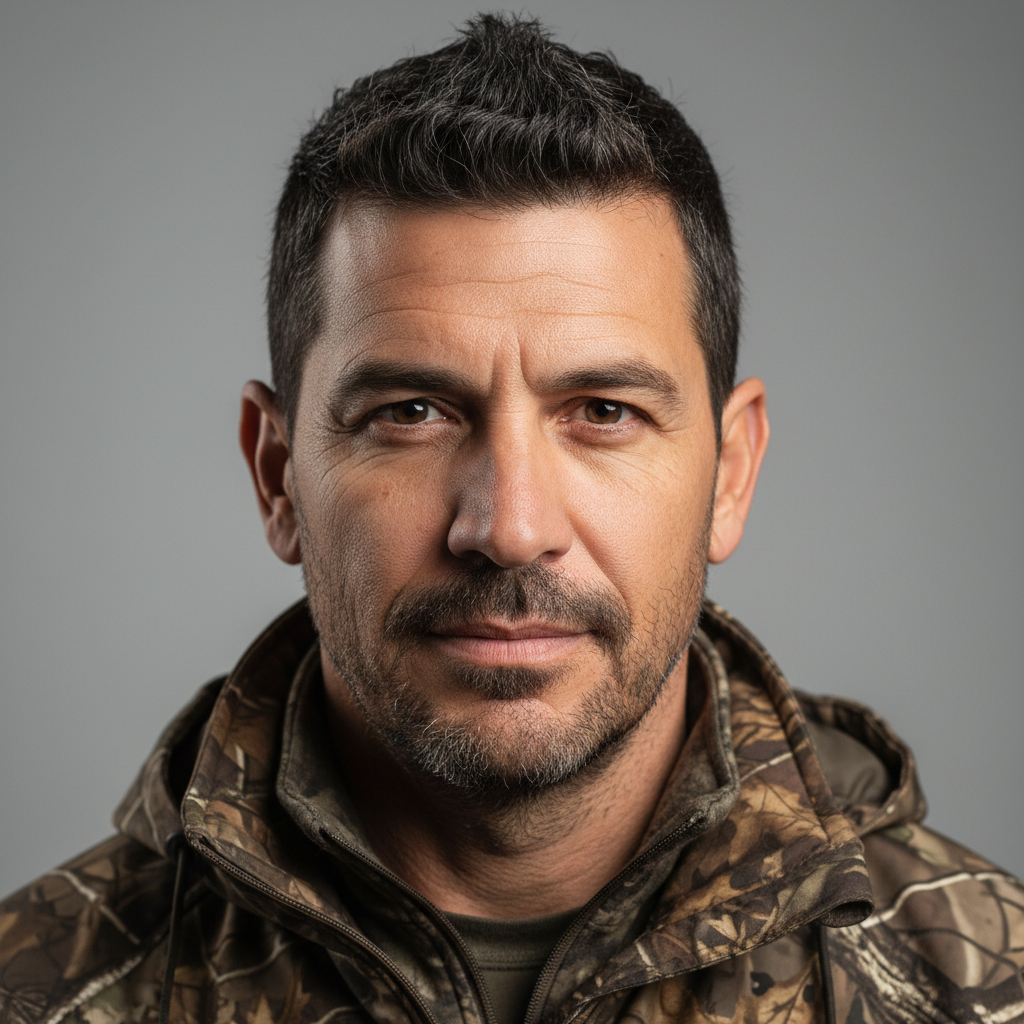
Seeing in the Dark: Thermal vs. Traditional
Imagine this: it’s late October, and you’ve just taken a shot at a mature buck. He bolted into a thick stand of timber, and now dusk is rapidly approaching. You need to find that deer, and quickly. Traditional 10x42 binoculars might help if he’s moving in an opening, but in that dense cover, and with fading light, your chances are slim. This is where thermal imaging steps in. It doesn’t need ambient light; it sees heat.
The core difference is simple: traditional hunting binoculars rely on gathering and focusing existing light. More light equals a clearer image. Thermal binoculars, however, detect the infrared radiation emitted by all living things – heat. This allows them to create an image even in complete darkness, through smoke, fog, and dense vegetation. It’s a fundamentally different way of 'seeing', and one that’s changing how hunters approach their sport.
This isn’t about one technology replacing the other. Both thermal and traditional binoculars have strengths and weaknesses. The best hunters will understand those differences and use the right tool for the job. We’re going to break down how each works, where each excels, and what you can expect to pay for a quality set of optics in 2026.
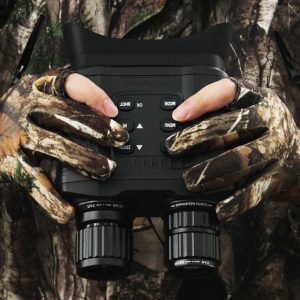
Traditional Binocular Technology: A Refresher
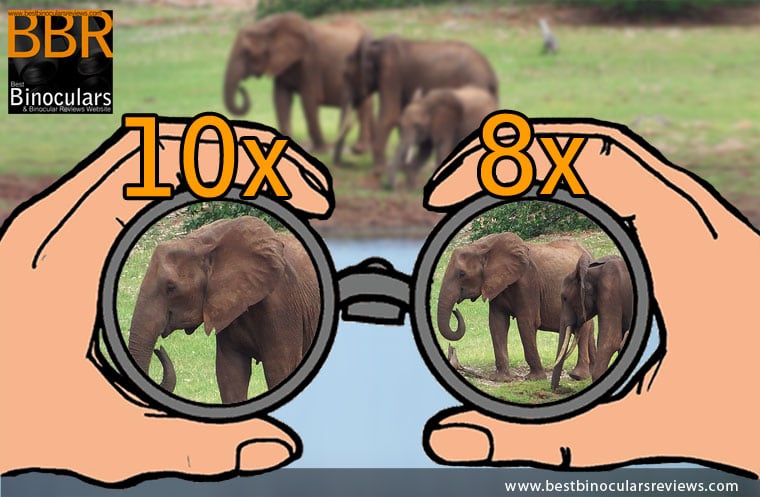
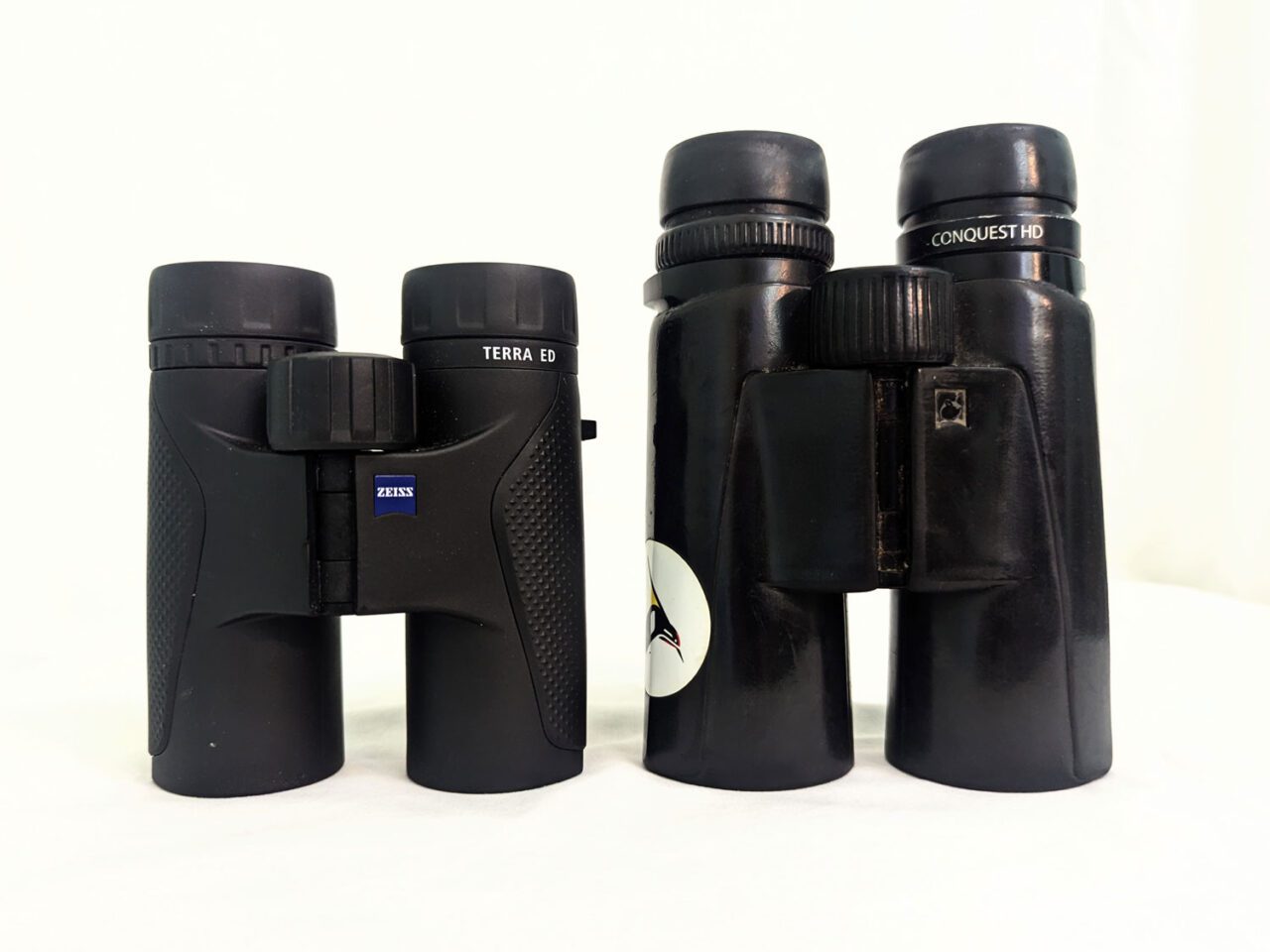
Traditional binoculars use objective lenses to collect light, focused by prisms (Porro or roof) to create a magnified image. Magnification, shown as the first number in a spec (e.g., 10x), indicates how much larger the image appears than to the naked eye.
Other specs include field of view (feet at 1000 yards) and exit pupil (diameter of the light beam exiting the eyepiece). A larger exit pupil helps in low light by letting more light into your eye. Light transmission, affected by glass quality and lens coatings, is also critical.
Fully multi-coated lenses are standard, reducing light loss from reflection. ED (Extra-low Dispersion) glass minimizes chromatic aberration, the color fringing around objects. Roof prism binoculars are usually more compact, while Porro prism models often provide a wider field of view at the same magnification.
A good traditional binocular provides a bright, sharp image with accurate colors, but is limited by available light. Effectiveness drops quickly after sunset.
Decoding Thermal: How Heat Becomes an Image
Thermal imaging detects infrared radiation (heat) emitted by objects, not visible light. All objects above absolute zero emit infrared, but living things emit more. Thermal cameras create images from these temperature differences.
The microbolometer, a grid of heat-sensitive pixels, is the core of a thermal binocular. It detects infrared radiation, converts it to an electrical signal, and processes it into a visual image. Microbolometer resolution (e.g., 640x480 pixels) determines image clarity.
Higher resolution thermal cameras offer sharper images with more detail, helping distinguish animals from surroundings. Refresh rate (Hertz, Hz) is important for tracking moving targets; higher rates (30Hz adequate, 60Hz+ preferred for fast movers) provide smoother images.
Thermal palettes (white hot, black hot, color schemes) can be selected to optimize contrast and visibility for the environment. Understanding these settings maximizes effectiveness. The lens quality in front of the sensor also impacts clarity, not just pixel count.
Hunting Scenarios: Where Each Excels
In thick brush or dense forest, thermal imaging excels at detecting animals hidden behind cover, even in darkness. It's also excellent for long-range detection, spotting animals where traditional binoculars would be useless.
However, thermal imaging has limitations. It struggles to resolve fine details, making it difficult to identify antlers or distinguish between different species at long range. This is where traditional binoculars come into play. In open fields or during daylight hours, traditional binoculars provide superior image clarity and color rendition, allowing you to accurately assess an animal’s size, shape, and condition.
Consider a scenario: you're hunting whitetail deer in an agricultural field. Traditional binoculars are ideal for identifying antler points and judging the quality of a buck in good light. But if that buck beds down in a patch of tall grass, thermal imaging will help you locate him, even if you can’t see him with your eyes.
Night hunting presents a unique challenge. Traditional binoculars are essentially useless without a light source. Thermal binoculars, on the other hand, are perfectly suited for detecting animals in the dark. But remember, identifying the animal requires careful observation and knowledge of the local wildlife.
- Thick Brush/Forest: Thermal excels at detecting hidden animals.
- Open Fields/Daylight: Traditional binoculars provide superior detail and color.
- Long-Range Detection: Thermal is ideal for spotting animals at a distance.
- Night Hunting: Thermal is essential for detecting animals in the dark.
Hunting Scenario Performance: Thermal vs. Traditional Binoculars (2026)
| Scenario | Traditional Binocular Performance | Thermal Binocular Performance | Key Considerations |
|---|---|---|---|
| Thick Brush (Dense Foliage) | Fair | Excellent | Thermal excels at detecting heat signatures through obstructions. Traditional binoculars are limited by visual obstructions; magnification is less useful when visibility is poor. |
| Open Fields (Daylight) | Excellent | Good | Traditional binoculars offer superior clarity and color rendition in good light. Thermal can detect animals at distance, but image detail is lower and can be affected by heat blending. |
| Low Light (Dawn/Dusk) | Good | Excellent | Thermal's ability to detect heat renders it far superior in low-light conditions where traditional optics struggle. Image quality in traditional binoculars degrades significantly. |
| Long Range (Beyond 500 yards) | Fair | Good | Traditional binoculars require high magnification and excellent glass to be effective at long ranges. Thermal can detect targets at range, but identification can be challenging without sufficient resolution. |
| Urban/Suburban Hunting (Near Structures) | Fair | Good | Thermal can differentiate animals from background heat sources (buildings, vehicles), but may struggle with smaller targets. Traditional binoculars are hampered by limited visibility and potential obstructions. |
| Tracking Wounded Game | Good | Excellent | Thermal excels at detecting the heat signature of a wounded animal, even if hidden in vegetation. Traditional binoculars rely on visual cues which may be absent or obscured. |
| Detecting Multiple Animals | Good | Good | Both can detect multiple animals, but thermal may struggle to resolve individual targets in close proximity due to heat blending. Traditional binoculars rely on visual separation. |
Illustrative comparison based on the article research brief. Verify current pricing, limits, and product details in the official docs before relying on it.
Price Points and Feature Sets: 2026 Landscape
The price of hunting binoculars varies widely depending on the technology, features, and quality. Traditional binoculars can range from under $200 for a basic model to over $2,000 for a high-end pair with ED glass and premium coatings. Factors influencing price include magnification, objective lens size, prism type, and coating quality.
Thermal binoculars are significantly more expensive. Entry-level models start around $1,000, while high-end models with high resolution and advanced features can cost upwards of $6,000 or more. The thermal resolution is the biggest driver of price, but features like refresh rate, palette options, and image recording capabilities also play a role.
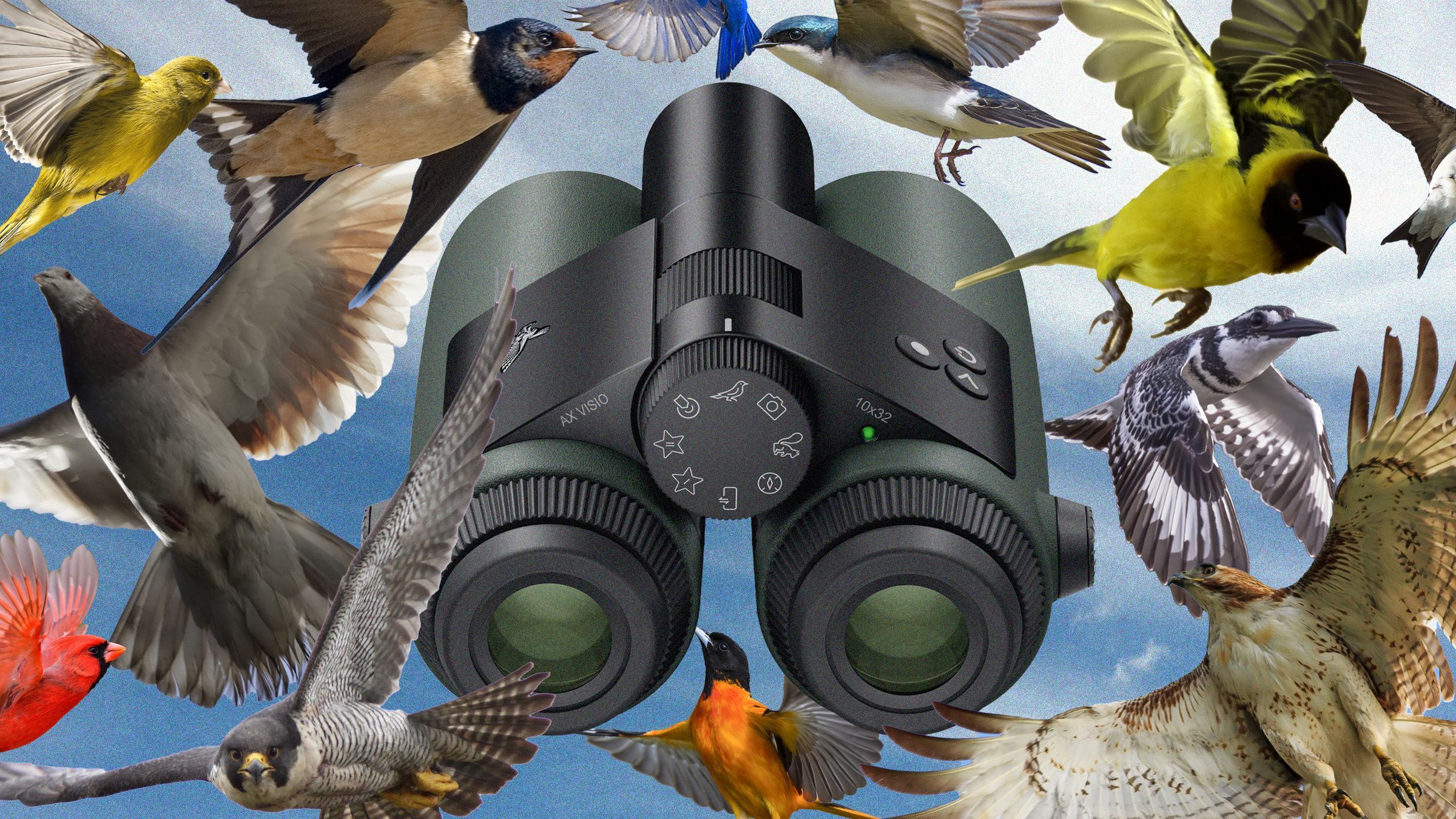
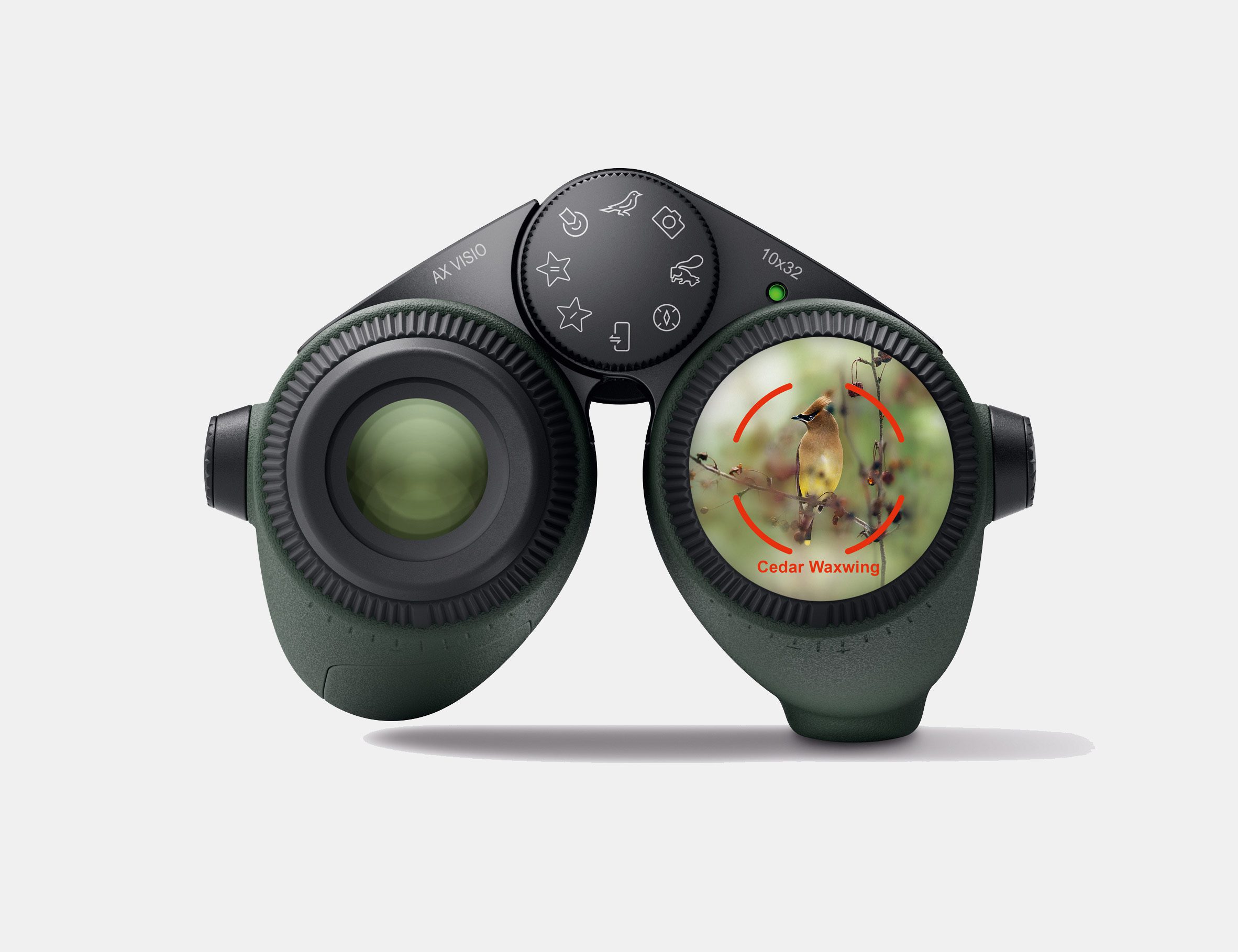
In 2026, we’re seeing more thermal binoculars with integrated rangefinders, digital zoom, and smartphone connectivity. Some models also offer image stabilization and automatic target tracking. AI-powered image enhancement is starting to appear, improving image clarity and reducing noise. The Swarovski AX Visio, for example, is pushing the boundaries of what's possible.
Don’t forget to factor in accessories like a comfortable neck strap, a protective case, and lens cleaning supplies. A good tripod can also be essential for steadying your binoculars, especially at high magnification or when using thermal imaging.
Featured Products

640x480 resolution thermal sensor · Integrated laser rangefinder · 2-16x variable magnification
The Pulsar Merger LRF XP35 offers unparalleled thermal detection capabilities combined with precise rangefinding for serious hunters.

10x magnification with 42mm objective lenses · HD optical performance · Durable and ergonomic design
Leupold BX-5 Santiam HD binoculars deliver exceptional clarity and ruggedness for demanding outdoor use.

10x magnification with 42mm objective lenses · Superior optical quality and wide field of view · FieldPro Package for enhanced usability
The Swarovski EL 10x42 provides a premium viewing experience with outstanding detail and comfort for extended observation.

256x192 thermal sensor · 15mm focal length lens · Compact monocular design
The GOYOJO G215 is an accessible thermal monocular ideal for hunters seeking to enhance their night vision capabilities on a budget.

10x magnification with 42mm objective lenses · Waterproof and fogproof construction · Multi-coated optics for enhanced brightness
Bushnell H2O binoculars are a reliable and affordable choice for all-weather outdoor activities, offering clear and bright views.
As an Amazon Associate I earn from qualifying purchases. Prices may vary.
Top Thermal Binocular Standouts for 2026
While the market is constantly evolving, a few thermal binoculars are consistently receiving positive reviews. The FLIR Breach PTQ136 is a compact and affordable option, offering a 320x240 thermal resolution and a 30Hz refresh rate. It's a good entry point for hunters who are new to thermal imaging.
For those willing to spend more, the HIKMICRO FALCON FQG50 delivers excellent performance with a 640x512 thermal resolution and a 50Hz refresh rate. It also features a built-in rangefinder and image recording capabilities. Reviewers consistently praise its clarity and ease of use.
The Swarovski Optik AX Visio represents the pinnacle of thermal binocular technology. While expensive, it offers unparalleled image quality, a high refresh rate, and a range of advanced features, including AI-powered image enhancement. It’s not just a thermal device; it’s a complete observation system.
Finally, the ATN Thor LT series provides a good balance of features and price. These binoculars offer a variety of thermal resolutions and are known for their rugged durability and long battery life. ATN continues to innovate in the thermal space, offering compelling options for hunters.
Legal Considerations and Regulations
Before using thermal imaging for hunting, it’s crucial to understand the legal regulations in your area. Laws governing the use of thermal optics vary significantly by state and country. Some jurisdictions prohibit the use of thermal imaging altogether, while others allow it only for specific species or during certain times of the year.
It’s your responsibility to check your local laws and regulations to ensure you are hunting legally and ethically. Ignoring these laws can result in fines, loss of hunting privileges, and even criminal charges. Many regulations aim to prevent unfair advantage – for example, some states prohibit using thermal to locate animals on private land without permission.
Ethical considerations are also important. While thermal imaging can be a valuable tool, it’s essential to use it responsibly and avoid taking unfair advantage of wildlife. Fair chase principles should always guide your hunting practices.
AI and the Future of Hunting Optics
Artificial intelligence is poised to revolutionize hunting optics. We’re already seeing AI-powered features like object recognition, which can automatically identify animals in the field. This technology can help hunters quickly and accurately assess their surroundings, even in challenging conditions.
Automatic target tracking is another exciting development. AI algorithms can lock onto a moving target and keep it in view, even if the hunter is moving or the target is partially obscured. The WIRED article on AI-powered binoculars highlights the potential of these technologies to enhance the hunting experience.
AI is also being used to improve image quality. Algorithms can reduce noise, enhance contrast, and sharpen images, resulting in a clearer and more detailed view. This is particularly beneficial for thermal imaging, where image quality can be affected by atmospheric conditions.
Looking ahead, we can expect to see even more sophisticated AI features in hunting optics. Imagine binoculars that can identify species, estimate distance, and even predict animal behavior. The future of hunting optics is intelligent, and it’s arriving faster than many realize.
- Object Recognition: Automatically identifies animals.
- Automatic Target Tracking: Keeps moving targets in view.
- Image Enhancement: Improves clarity and reduces noise.
- Predictive Analytics: Potential for estimating distance and predicting animal behavior.
No comments yet. Be the first to share your thoughts!