
Hunting in 2026
By 2026, hunting gear has shifted toward specialized tech. We're shooting at longer ranges and relying on digital tools more than ever. Your optics have to keep up with these changes or they'll just be dead weight in your pack.
The choice of binoculars isn't just about magnification anymore. It's about having the right tool for the specific hunt, the environment, and your personal needs. Recent developments, like the introduction of AI-powered binoculars such as the Matata Xplore, are starting to add another layer to this decision. These binoculars promise instant animal identification and recording capabilities, something previously unheard of at this price point.
Modern hunters cover more ground than they used to. Choosing between compact and full-size glass isn't just about weight anymore; it's about how much light you're willing to sacrifice for a faster stalk.
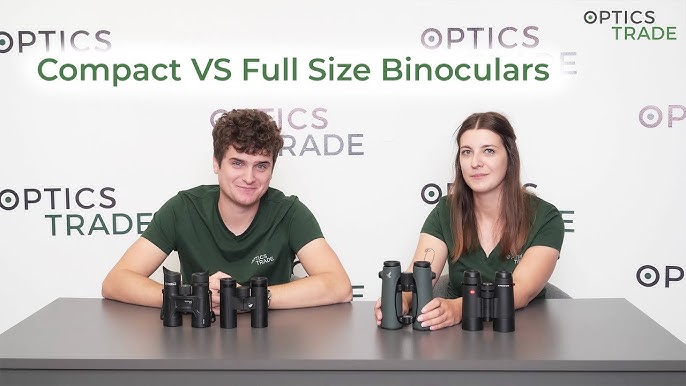
Defining compact and full-size
When we talk about "compact’ versus ‘full-size’ binoculars, we"re primarily referring to their physical dimensions and optical specifications. Full-size binoculars generally have objective lenses of 42mm or larger. The objective lens is the one at the front of the binocular, and its diameter is a key factor in light-gathering ability. Compact binoculars, on the other hand, typically have objective lenses of 32mm or smaller.
Beyond lens size, there are other important factors. Exit pupil – the amount of light that reaches your eye – is determined by dividing the objective lens diameter by the magnification. A larger exit pupil is beneficial in low-light conditions. Field of view, usually expressed in feet at 1000 yards, dictates how much of the landscape you can see at a given distance. Compacts often have a narrower field of view than full-size models.
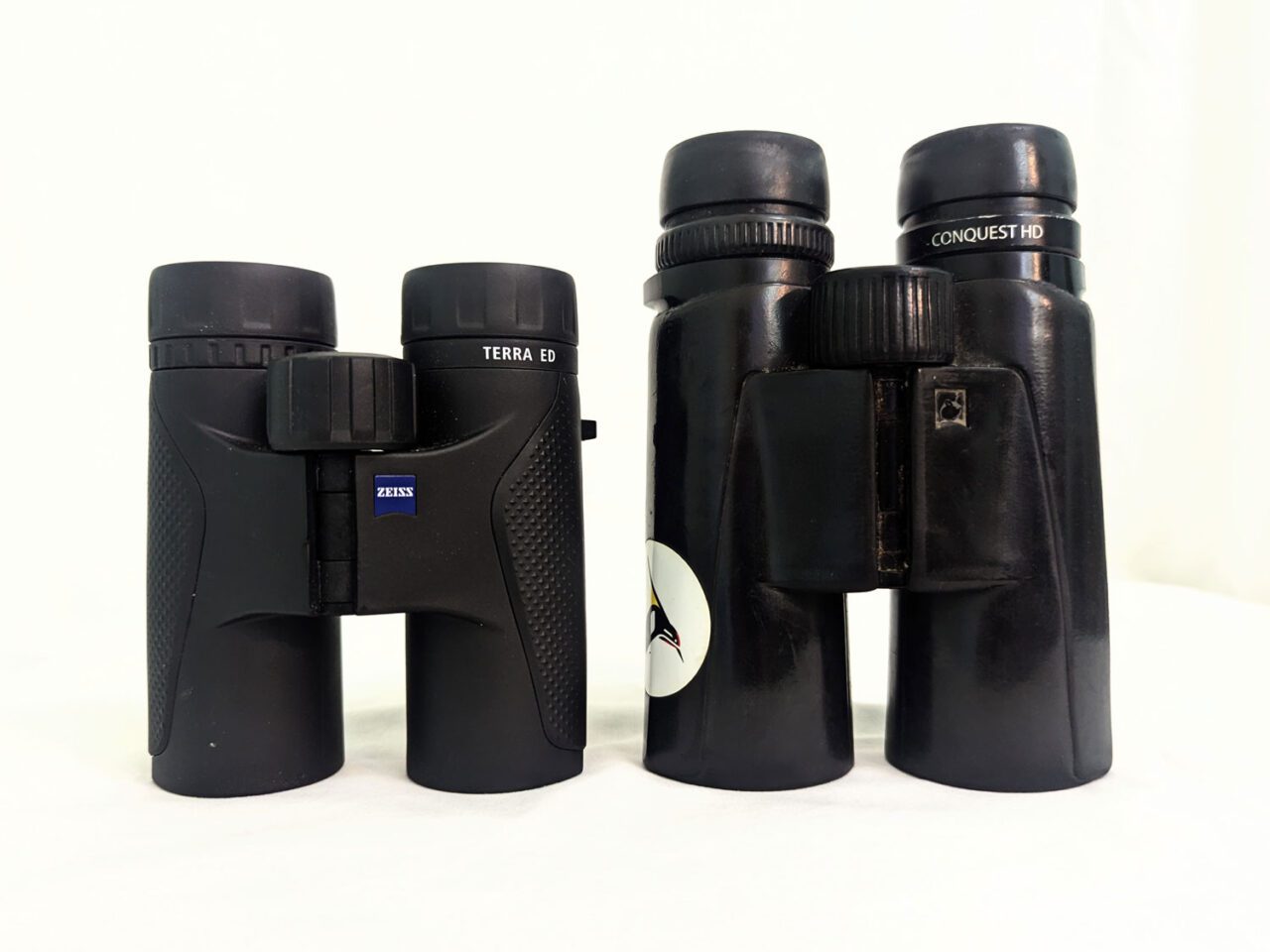
A full-size pair usually weighs between 28 and 36 ounces. Compacts can drop that to 10 ounces. That pound and a half difference feels like a lead brick after five miles of climbing. Numbers on a spec sheet are fine, but you'll feel the weight in your shoulders before you see the benefit in the glass.
The weight advantage of compacts
For hunters who prioritize mobility, compact binoculars are a compelling choice. If you’re backpacking into remote areas, hunting in mountainous terrain, or simply covering a lot of ground, every ounce counts. A lighter load translates to increased stamina and a more enjoyable hunt. The difference between carrying 32 ounces versus 12 ounces over several miles is substantial.
Compact binoculars pack easily into a backpack, leaving more room for other essential gear. They are less likely to snag on branches or brush, and their smaller size makes them easier to handle in tight spaces. This is particularly advantageous for hunters who stalk game in dense forests or brushy areas. A quick, unobtrusive observation can be the difference between success and failure.
However, there are trade-offs. The smaller objective lenses in compact binoculars mean they generally gather less light, which can impact performance in low-light conditions. The exit pupil, that circle of light you see when looking through the binoculars, will be smaller. This can make it harder to acquire a clear image, especially at higher magnifications. You'll need to carefully weigh the benefits of portability against the potential drawbacks in optical performance.
For hunters who routinely engage in back country hunts, and prioritize light weight above all else, compact binoculars are a clear winner. But, for those who spend more time in stands or glassing from a fixed position, the advantages of full-size binoculars might outweigh the weight penalty.
Why full-size glass wins in low light
Full-size binoculars are better when the sun goes down. The 42mm or 50mm lenses pull in light that a 32mm compact simply misses. If you're glassing a treeline at dusk, that extra light is what lets you see tines instead of just a brown blur.
The objective lens diameter is the biggest factor, but it’s not the only one. Coatings play a significant role in light transmission. High-quality coatings minimize light loss due to reflection, maximizing the amount of light that reaches your eye. Binoculars with fully multi-coated lenses will consistently outperform those with simpler coatings.
Consider a scenario: you're hunting whitetail deer in a heavily wooded area during the early morning hours. The light is dim, and the deer are often obscured by shadows. In this situation, the superior light-gathering ability of full-size binoculars could be the difference between spotting a buck and missing a crucial opportunity.
Here's a quick comparison to illustrate the point:
list_table_lowlight_performance
- Binocular Type | Objective Lens Diameter | Typical Light Transmission
- Compact (8x32) | 32mm | 75-85%
- Full-Size (8x42) | 42mm | 85-92%
- Full-Size (10x50) | 50mm | 90-95%
Compact vs. Full-Size Binoculars for Hunting: A Comparison
| Feature | Compact Binoculars | Full-Size Binoculars |
|---|---|---|
| Weight | Significantly Lighter | Noticeably Heavier |
| Low-Light Performance | Generally Lower | Generally Better |
| Field of View | Often Narrower | Typically Wider |
| Durability | Can be Less Robust | Often More Durable |
| Portability | Easier to Pack & Carry | Bulkier; Requires More Space |
| Cost | Often More Affordable | Can be Significantly More Expensive |
| Image Stability | More Susceptible to Shake | Inherently More Stable |
| Close Focus | Typically Good | Can Vary; Some Models Excellent |
Qualitative comparison based on the article research brief. Confirm current product details in the official docs before making implementation choices.
Magnification and field of view
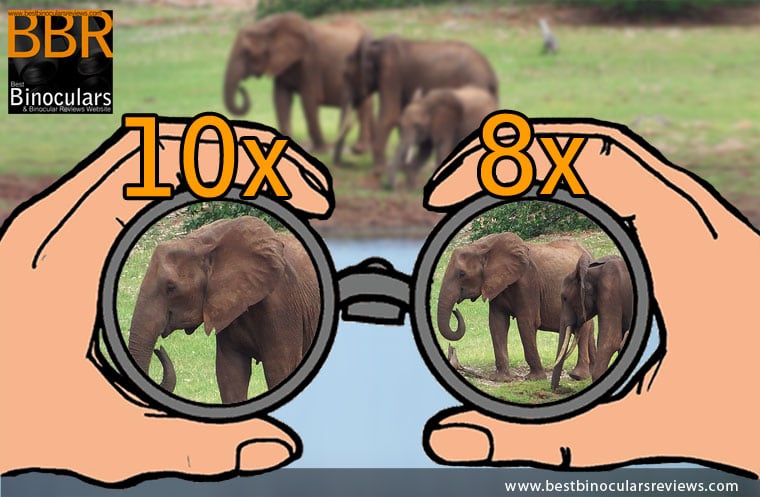
Magnification and field of view are inversely related. Higher magnification narrows the field of view, making it harder to scan large areas quickly. Lower magnification provides a wider field of view, allowing you to see more of the landscape at once. The ideal balance depends on your hunting style and the terrain you’re hunting in.
For open-field hunting, where long-range observation is key, a higher magnification (e.g., 10x42 or 12x50) might be preferable. This allows you to identify distant targets with greater clarity. However, you’ll need a stable platform, like a tripod, to minimize image shake. In dense forests or brushy areas, a lower magnification (e.g., 8x32 or 8x42) is often more practical. The wider field of view makes it easier to track moving targets and navigate through cluttered environments.
Prism type also affects field of view. Roof prism binoculars generally have a narrower field of view than porro prism binoculars, but they are more compact and streamlined. Porro prism binoculars offer a wider field of view at a lower cost, but they are bulkier and less ergonomic. The choice between roof and porro prism depends on your priorities.
Think about how you actually hunt. Are you quickly scanning for movement, or are you carefully observing a specific area? Do you need to identify distant objects, or are you focusing on targets within a closer range? Answering these questions will help you determine the optimal magnification and field of view for your needs.
Durability and weatherproofing
Both compact and full-size binoculars can be built to withstand harsh conditions, but there are some general trends. Full-size binoculars, with their larger frames, often have more robust construction and can better absorb impacts. They frequently utilize materials like magnesium alloy for added strength.
Weatherproofing is critical for any hunting binocular. Look for models that are waterproof and fogproof. Waterproofing prevents water damage from rain, snow, or accidental submersion. Fogproofing prevents internal condensation, which can obscure your view. Nitrogen or argon purging is commonly used to achieve fogproofing.
Rubber armor provides an additional layer of protection, cushioning the binoculars from bumps and scratches. It also improves grip, making them easier to handle in wet or cold conditions. The quality of the rubber armor can vary significantly between models. Cheaper binoculars often have thin, flimsy armor that wears quickly.
While durability differences exist, a well-built compact binocular can be just as reliable as a full-size model. Ultimately, the build quality and materials used are more important than the overall size. Investing in a reputable brand with a strong warranty is a smart move.
AI Binoculars: A Game Changer?
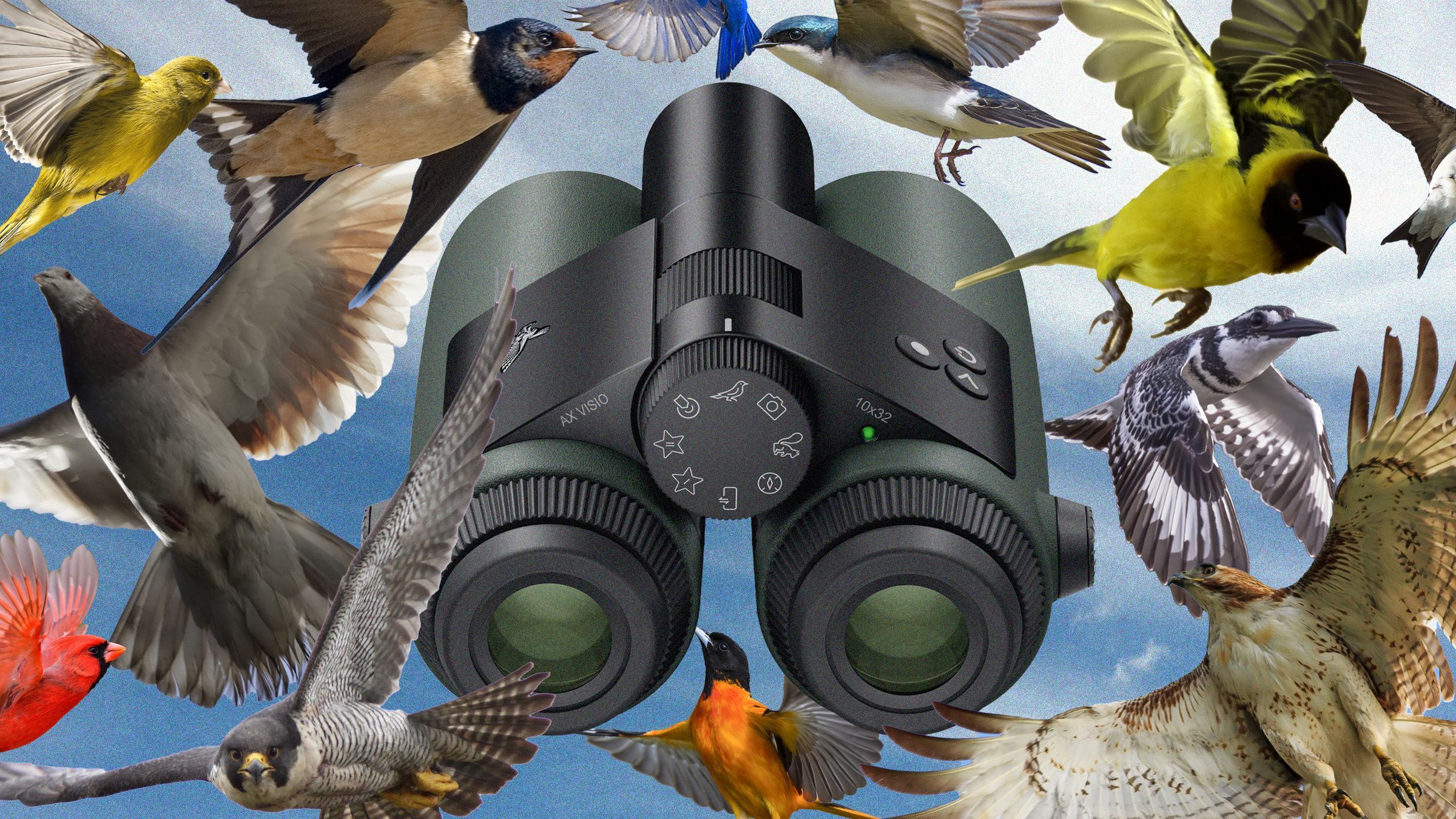
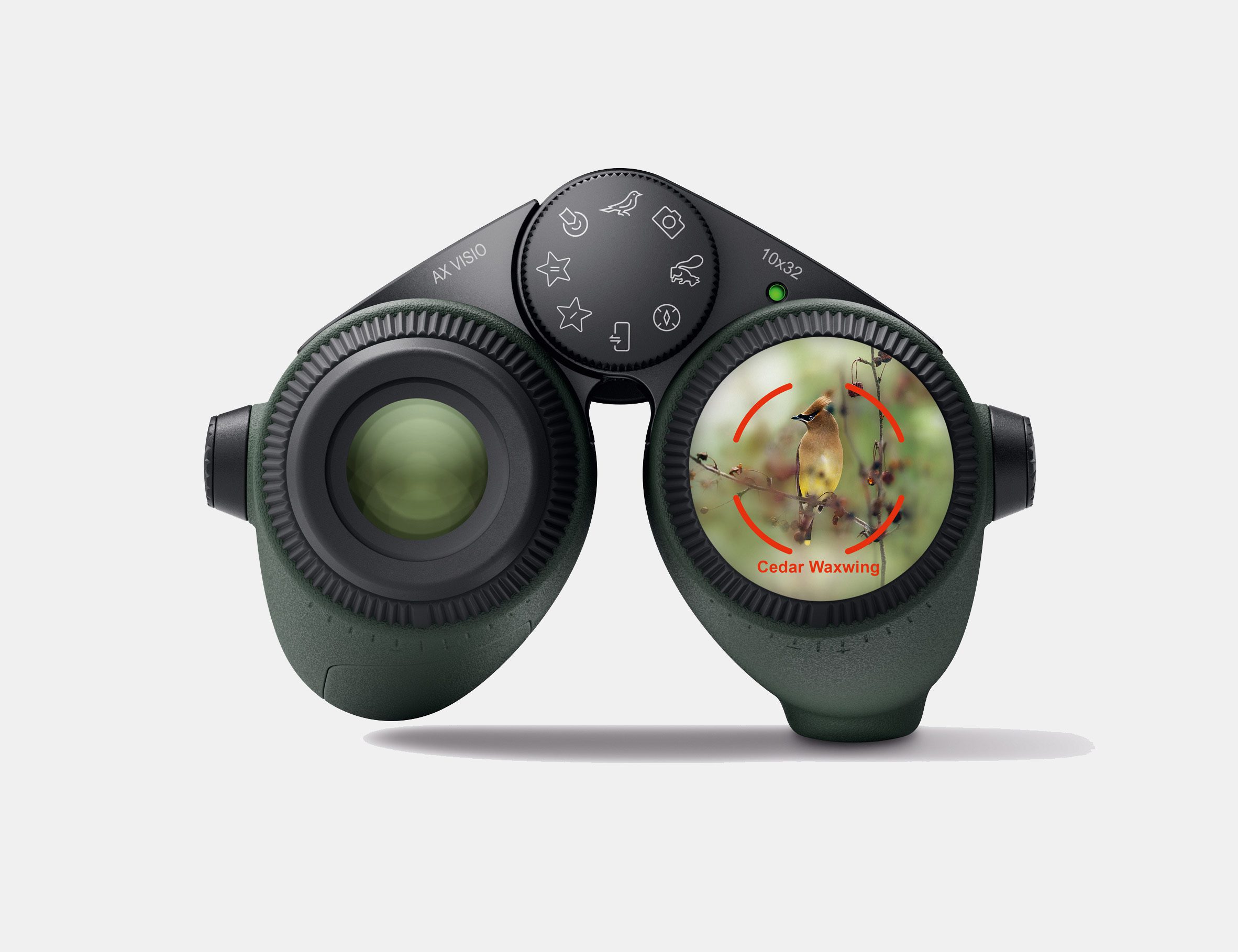
The recent introduction of AI-powered binoculars, like the Matata Xplore, is a fascinating development. These binoculars use artificial intelligence to identify animals in real-time, record footage, and even provide information about the species. The potential benefits for hunters are significant—faster target identification, improved documentation of hunts, and enhanced situational awareness.
However, this technology is still in its early stages. The accuracy of animal identification can vary depending on lighting conditions, distance, and the quality of the AI algorithms. Battery life is also a concern, as AI processing requires significant power. The price point of these binoculars is also higher than traditional models.
As of late 2026, the impact of AI binoculars on the compact versus full-size debate is still evolving. The technology is currently available on both compact and full-size platforms. The key question is whether the added benefits of AI justify the additional cost and potential limitations.
list_amazon_products
- Matata Xplore AI compacts for digital tracking
- Swarovski AX Visio for high-end digital identification
- Nikon Monarch M5 for a reliable full-size standard
Featured Products

ED glass for superior clarity and color · Wide field of view for tracking moving game · Waterproof, fogproof, and rubber-armored for durability
These full-size binoculars offer exceptional optical quality and rugged construction, making them a premium choice for serious hunters.

HD optical system for bright, clear images · Durable, waterproof, fogproof, and shockproof design · Includes GlassPak for convenient storage and protection
A fantastic balance of performance and price, these binoculars are built to withstand the elements and provide sharp visuals in the field.

Lightweight and IPX7 waterproof construction · 10x magnification for detailed observation · Suitable for hunting, travel, and camping
This option provides reliable performance and a good magnification for its price, making it a versatile choice for various outdoor activities.

Compact 8x25mm size for portability · Wide field of view for easy target acquisition · Waterproof and fogproof for all-weather use
An excellent budget-friendly option, these compact binoculars are ideal for hunters who prioritize portability without sacrificing essential weather resistance.

ED glass for enhanced color fidelity and contrast · Wide field of view and close focus capability · Waterproof and fogproof for reliable performance
These binoculars deliver impressive clarity and brightness, offering a high-quality viewing experience that rivals more expensive models.
As an Amazon Associate I earn from qualifying purchases. Prices may vary.
No comments yet. Be the first to share your thoughts!