
Seeing past the stars
Astronomy with binoculars offers a compelling entry point into the universe. Unlike telescopes, binoculars are portable, relatively affordable, and require less setup time. However, standard binoculars designed for daytime use often fall short when pointed towards the night sky. The faint light from distant stars and nebulas demands optics specifically designed for low-light conditions.
What separates good astronomy binoculars from regular ones? It all comes down to light-gathering ability, resolution, and how well they manage aberrations. Aperture – the diameter of the objective lenses – is paramount. Magnification and quality of coatings are also critical factors. We’ll explore how these elements play together, and how your budget impacts what you can realistically expect to see.
I've split these into two groups: budget-friendly pairs under $500 and high-end glass that costs more than a mid-range telescope. The right choice depends on whether you want something to throw in a backpack or a heavy-duty instrument that requires a tripod.
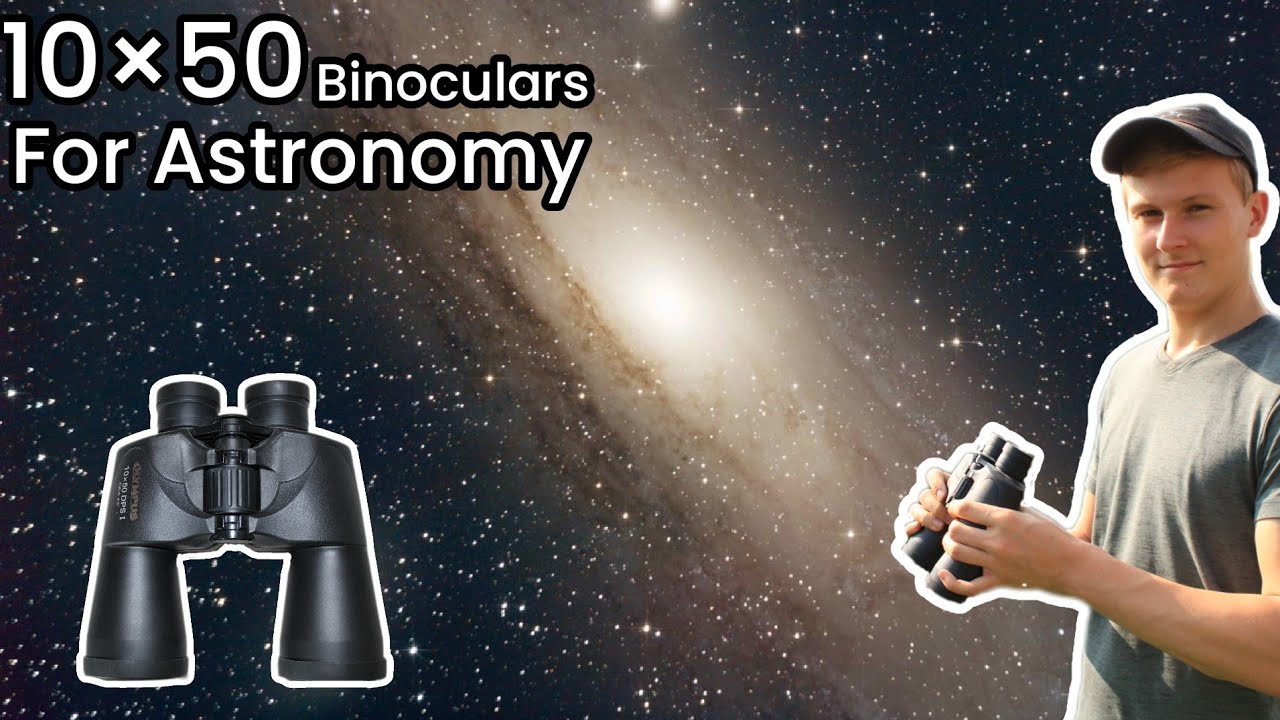
Aperture is everything
Aperture is, without question, the most important specification for astronomy binoculars. It dictates how much light the binoculars can collect, directly influencing your ability to see faint objects like galaxies, nebulae, and star clusters. A larger aperture gathers more light, resulting in brighter and clearer images. Resolution, the ability to distinguish fine details, also increases with aperture.
However, larger apertures come with trade-offs. Larger binoculars are heavier and can be cumbersome to hold steady, especially for extended periods. This is where a tripod becomes essential. Cost also increases significantly with aperture size. Finding the right balance between light-gathering power, portability, and your budget is key.
I recall a camping trip where I brought a pair of 100mm astronomy binoculars, thinking I’d get incredible views. They did show more detail, but the weight quickly became exhausting, and without a rock-solid tripod, the image was too shaky to be truly enjoyable. It taught me a valuable lesson about prioritizing usability alongside aperture.
Stargazing for under $500
The under-$500 price range offers a surprising number of capable astronomy binoculars. While you won’t be getting the absolute highest performance, you can still enjoy stunning views of the Moon, planets, and brighter deep-sky objects. Expect to find binoculars with objective lenses ranging from 50mm to 70mm, and magnifications from 7x to 25x.
The Celestron SkyMaster 25x70 is a consistently popular choice, offering a good balance of aperture and magnification for the price. The Nikon Aculon A211 10x50 is another solid option, known for its bright and clear images, though it doesn’t gather as much light as the SkyMaster. Other contenders include the Celestron Cometron 7x50, which prioritizes a wider field of view, ideal for scanning the Milky Way.
Don't expect these to rival a dedicated telescope for planetary detail. You're trading raw power for a wider view and portability. I haven't tested the latest Orion GiantView 15x70, but the previous version was the one to beat for value.
Here are some models to consider:
* Celestron SkyMaster 25x70
* Nikon Aculon A211 10x50
* Celestron Cometron 7x50
* Orion GiantView 15x70 (check recent reviews)
Featured Products

25x magnification and 70mm objective lenses for high-detail long-distance viewing. · Multi-coated optics enhance light transmission and image brightness. · Includes tripod adapter for stable observation and a carrying case for portability.
Offers exceptional magnification for detailed astronomical observation at an accessible price point.

10x magnification with 50mm objective lenses for a wide field of view. · Multilayer coating on lens elements minimizes reflection and maximizes light transmission. · Porro prism design and turn-and-slide eyecups ensure comfortable viewing for eyeglass wearers.
Provides a balanced combination of magnification and field of view, suitable for general stargazing.

15x magnification and 70mm objective lenses for enhanced stargazing capabilities. · Multi-coated optics improve image clarity and brightness. · Supplied with a tripod adapter for steady viewing and a protective carrying case.
Delivers superior magnification for detailed celestial object viewing, making it a top choice for budget-conscious astronomers.

10x magnification with 50mm objective lenses and wide-angle Porro prism optics. · Waterproof construction for durability in various environmental conditions. · Individual focus system allows for precise focusing on each eyepiece.
A premium, rugged option with excellent optical quality and waterproofing, ideal for serious marine and astronomical use.
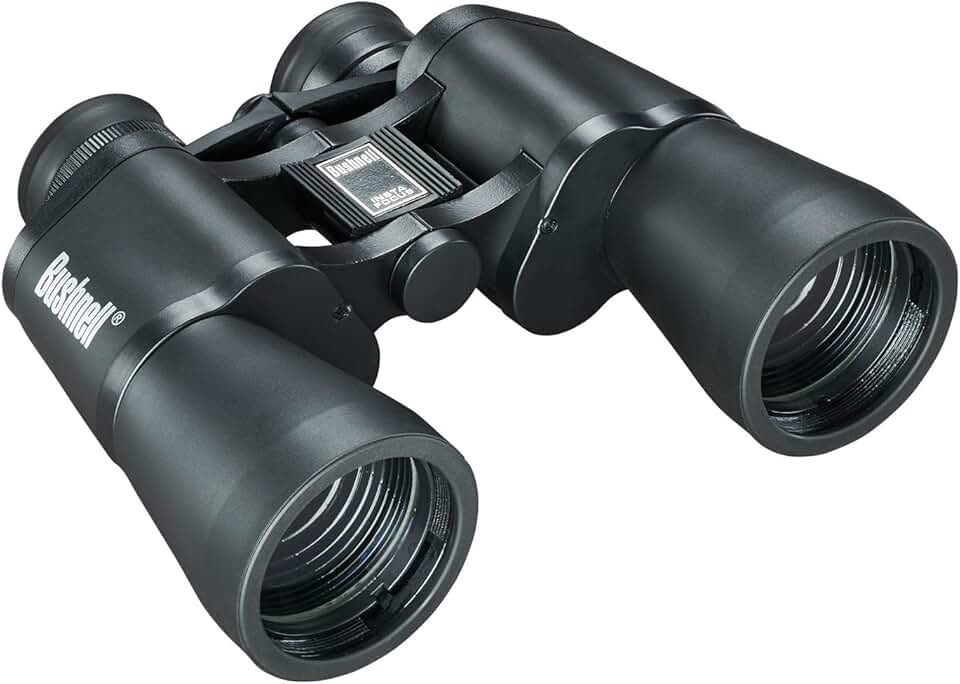
10x magnification and 50mm objective lenses with a wide-angle field of view. · Porro prism design for a traditional, robust optical path. · InstaFocus system for rapid target acquisition and fold-down eyecups for comfort.
An extremely affordable option that still provides a wide field of view and ease of use for introductory stargazing.
As an Amazon Associate I earn from qualifying purchases. Prices may vary.
Why high magnification is a trap
A common misconception is that higher magnification is always better for astronomy. While magnification can make objects appear larger, it also diminishes brightness, narrows the field of view, and exacerbates image instability. High magnification requires a very steady hand or a tripod, and even then, atmospheric turbulence can significantly degrade the image.
A wider field of view is often more desirable for stargazing, allowing you to locate objects more easily and appreciate larger celestial structures like the Andromeda Galaxy or the Pleiades star cluster. Lower magnifications (7x to 10x) are generally better for scanning the sky, while moderate magnifications (15x to 25x) are suitable for detailed views of the Moon and planets.
The exit pupil – the diameter of the light beam exiting the eyepiece – is another important consideration. It's calculated by dividing the objective lens diameter by the magnification. A larger exit pupil (around 7mm) is more comfortable for viewing in low light, as it allows your pupils to remain fully dilated. An exit pupil smaller than 4mm can result in a dim and uncomfortable viewing experience.
Premium glass and smart tech
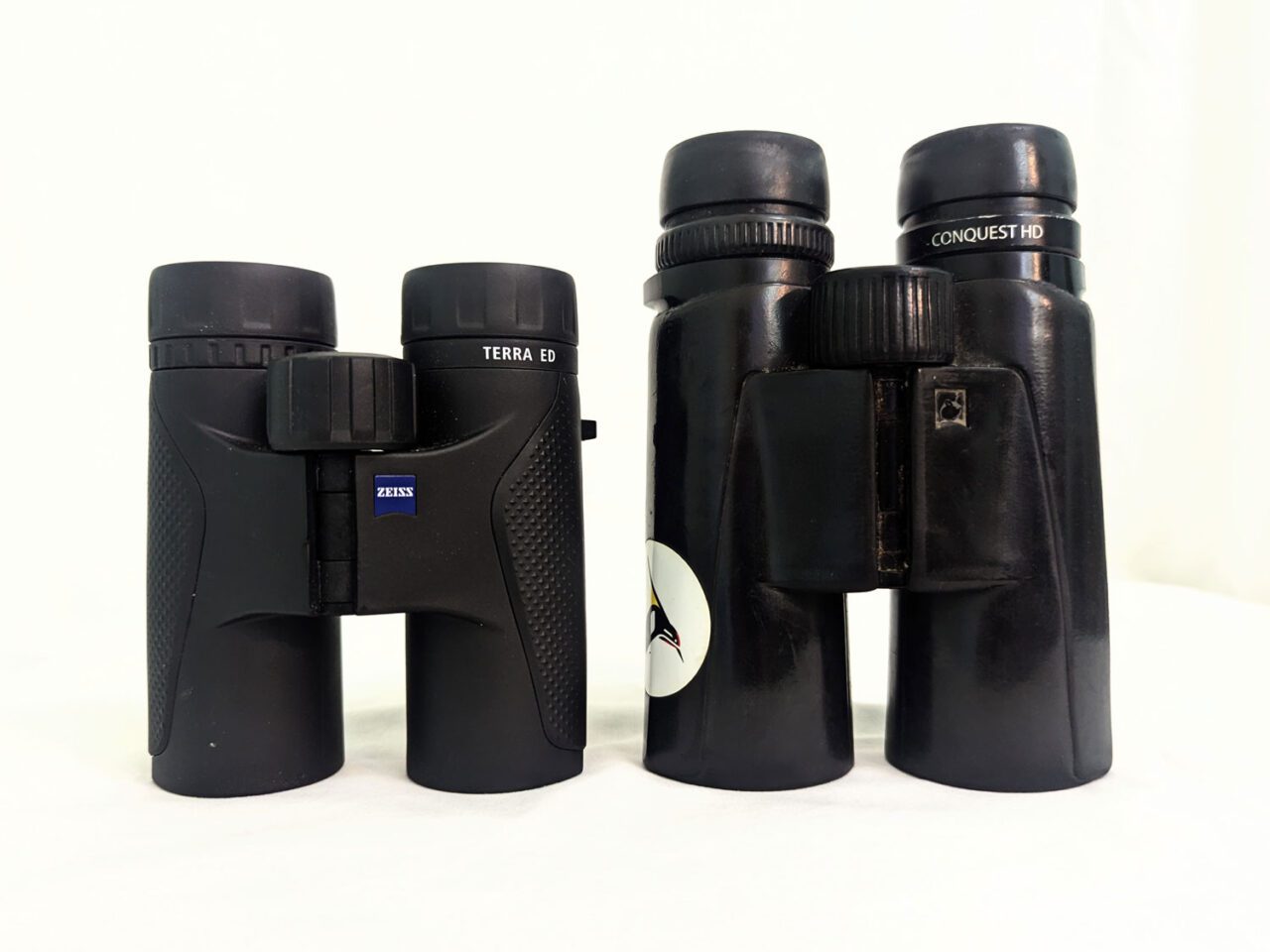
Spending over $500 gets you into the world of ED (Extra-low Dispersion) glass. This is where that annoying purple fringing around the moon disappears. The images are sharper because the lenses are ground to tighter tolerances and the coatings actually let the light through rather than reflecting it back at you.
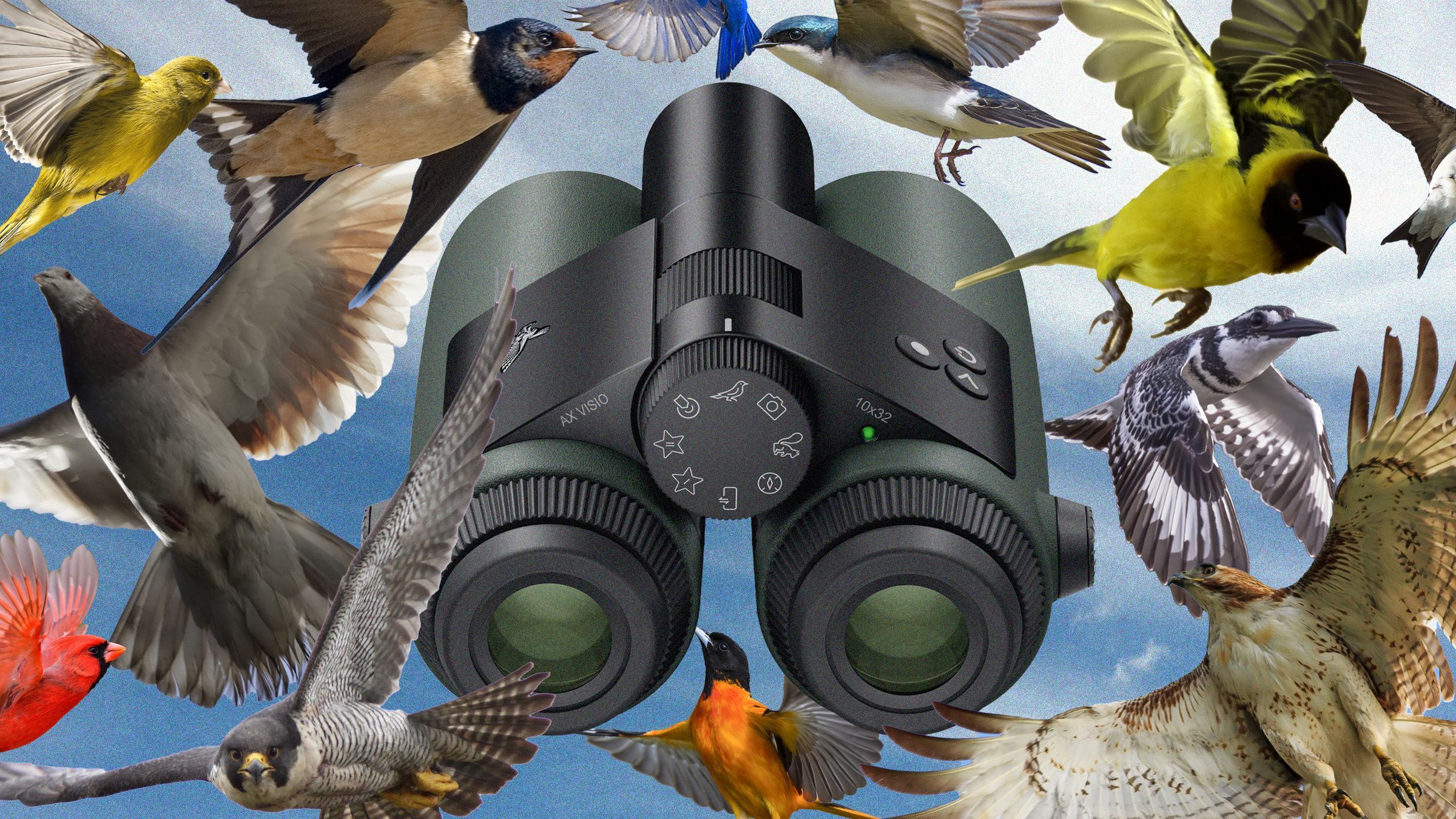
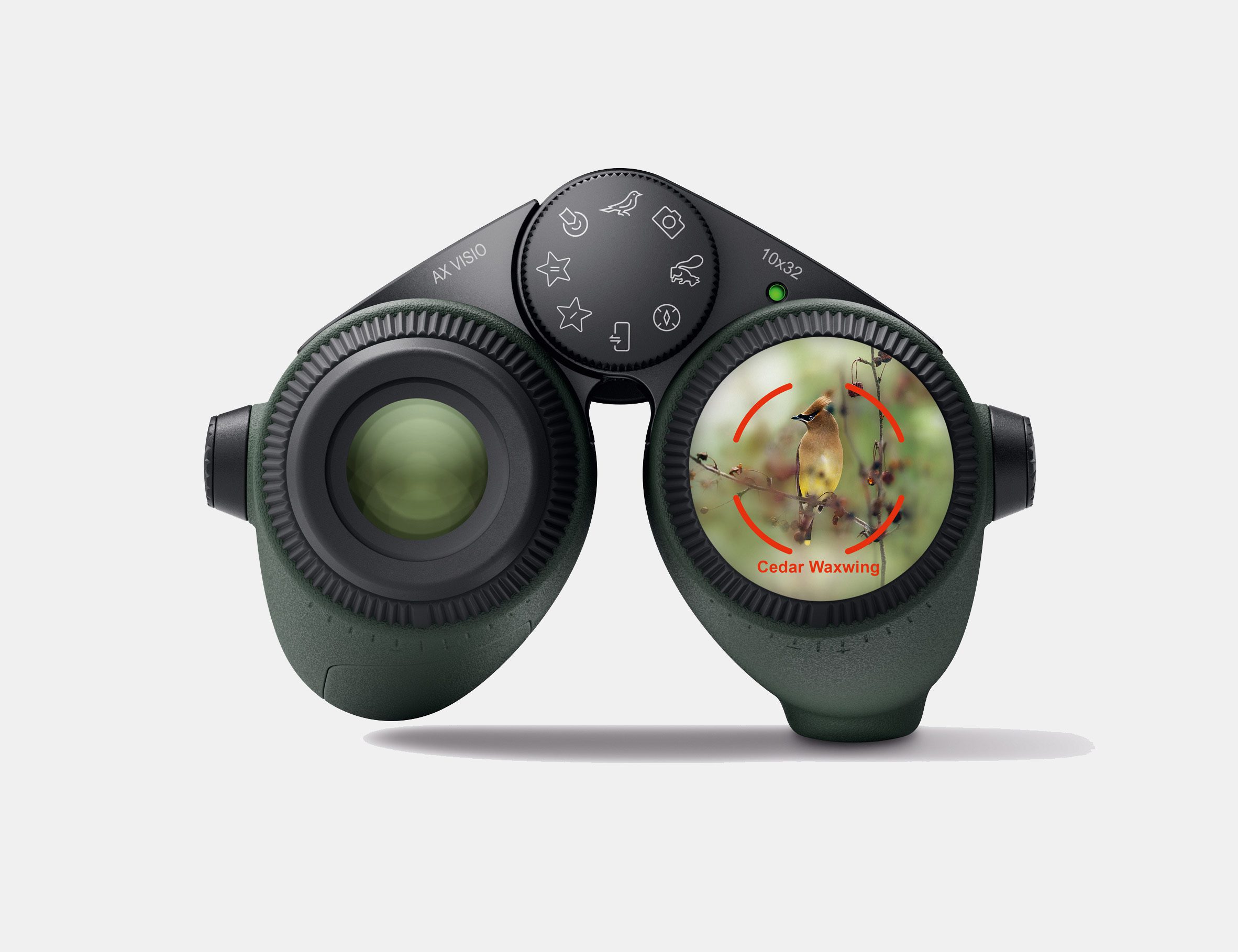
The UNISTELLAR ENVISION smart binoculars (according to unistellar.com) represent a significant leap forward in astronomy binoculars. These binoculars integrate with a smartphone app, providing object recognition, augmented reality guidance, and automated tracking. This makes it incredibly easy to locate and observe celestial objects, even for beginners.
Other high-end options include models from brands like Vortex and Maven. These binoculars typically boast exceptional build quality, waterproof construction, and lifetime warranties. The investment is substantial, but the performance gains can be significant, particularly for serious amateur astronomers. The improved coatings and glass significantly reduce light loss and increase contrast.
The Unistellar’s smart features are a game-changer. The app can identify objects in your field of view, provide information about them, and even automatically track them as they move across the sky. This eliminates the need for star charts and manual adjustments, making stargazing more accessible and enjoyable.

Celestron SkyMaster 20x80 Binoculars – High-Power Binoculars for Astronomy and Long-Range Terrestrial Viewing – Large Aperture with BaK-4 Prisms – Includes Tripod Adapter & Carrying Case
- 20x magnification for detailed celestial observation
- 80mm objective lenses for superior light-gathering capability
- BaK-4 prisms for enhanced image brightness and clarity
- Includes a tripod adapter for stable viewing sessions
- Durable construction with a protective carrying case
The Celestron SkyMaster 20x80 offers a compelling balance of high magnification and aperture, making it an excellent choice for serious amateur astronomers seeking detailed views of the night sky without venturing into the premium price bracket.
View on Amazon →As an Amazon Associate I earn from qualifying purchases.
Coatings and Build Quality
Lens coatings are crucial for maximizing light transmission and contrast. Multi-coated lenses are essential for astronomy binoculars, as they reduce light loss due to reflection. Fully multi-coated lenses, where all air-to-glass surfaces are coated, offer the best performance. Phase correction coatings further enhance image quality by reducing interference patterns.
Build quality is also paramount, especially for outdoor use. Look for binoculars that are waterproof, fog proof, and have a robust construction. Rubber armoring provides a secure grip and protects the binoculars from accidental damage. A tripod adapter is a must-have accessory for comfortable and stable viewing.
Consider the ergonomics of the binoculars. Are they comfortable to hold for extended periods? Are the focus and diopter adjustments easy to reach and operate? These seemingly minor details can make a big difference in your overall stargazing experience. A well-built binocular will last for years, providing countless hours of enjoyment.
Key Specifications for Astronomy Binoculars
| Magnification | Objective Lens Diameter (mm) | Field of View (Degrees & Feet at 1000 yds) | Exit Pupil (mm) | Close Focus Distance (feet) | What it means for astronomy |
|---|---|---|---|---|---|
| 7x | 50 | 5.5° & 385 ft | 7.1 | 16.4 | Lower magnification provides a wider field of view, crucial for locating faint objects like nebulae. Larger objective lenses gather more light, enhancing brightness in dark skies. |
| 10x | 50 | 6.5° & 341 ft | 5.0 | 19.7 | A common choice for astronomy, offering a balance between magnification and light gathering. Higher magnification reveals more detail on planets and the Moon. |
| 15x | 70 | 4.1° & 271 ft | 4.7 | 23 | Increased magnification for detailed lunar and planetary observation. Requires a stable mount to mitigate image shake. Narrower field of view makes locating objects more challenging. |
| 8x | 42 | 7.0° & 437 ft | 5.25 | 9.8 | Good for a balance of brightness and portability. Wider field of view aids in scanning larger areas of the sky. |
| 10x | 42 | 6.5° & 341 ft | 4.2 | 8.2 | A versatile option suitable for both terrestrial and astronomical viewing. Slightly less light gathering than 50mm models. |
| 20x | 80 | 3.4° & 223 ft | 4.0 | 26.2 | High magnification for detailed views of bright objects, but demanding in terms of stability and light gathering. Best used with a tripod. |
Illustrative comparison based on the article research brief. Verify current pricing, limits, and product details in the official docs before relying on it.

No comments yet. Be the first to share your thoughts!