
Binocular size and your needs
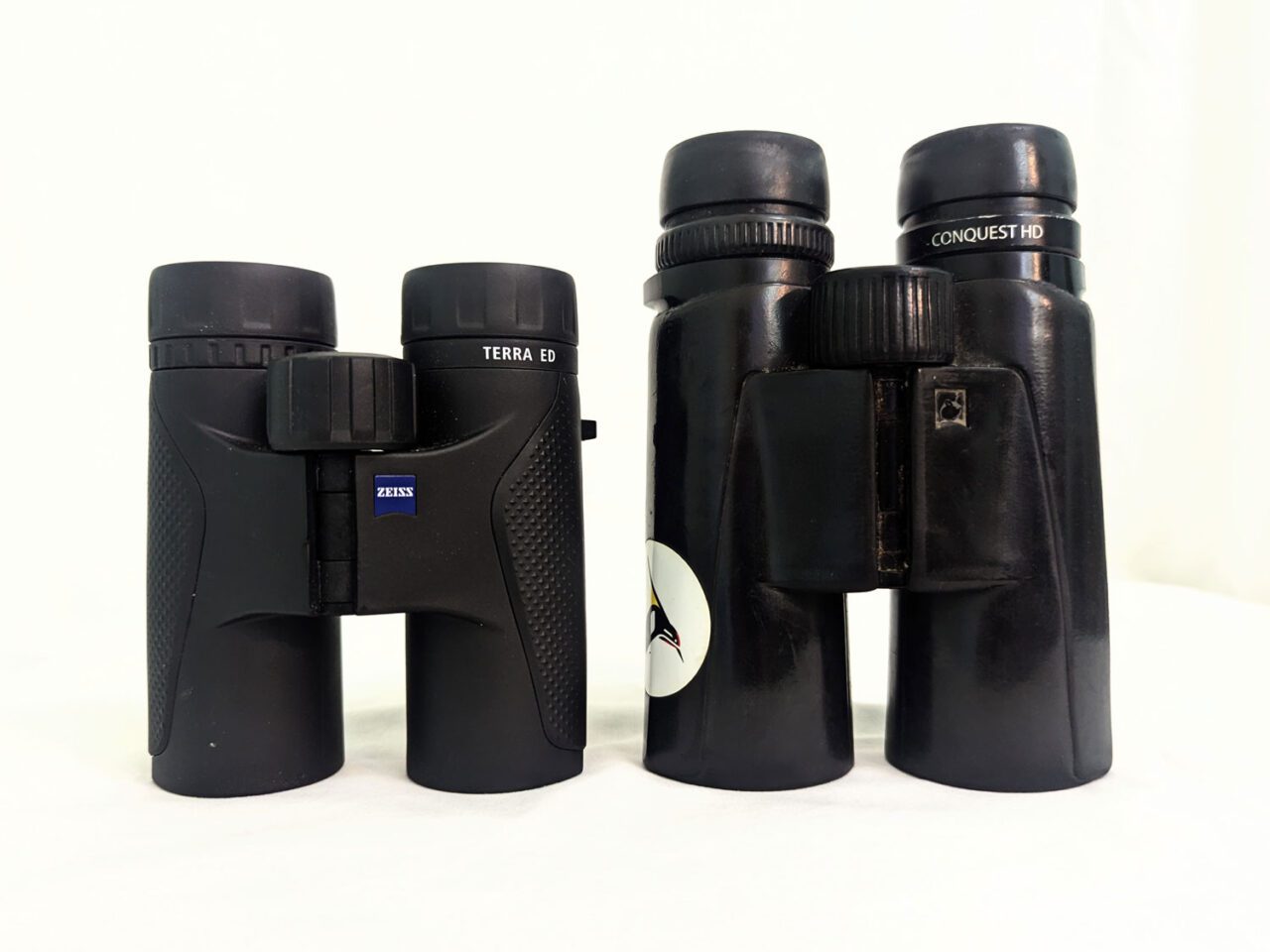
If you're hiking through Yosemite, every ounce in your pack matters. Choosing between compact and full-size binoculars is a trade-off between weight and light. Compact models are easy to carry on long trails, while full-size versions are better for seeing detail when the sun goes down.
The size difference largely boils down to the objective lens – the larger lens at the front of the binocular. A larger objective lens gathers more light, resulting in a brighter image, especially in low-light conditions. Magnification also plays a role; higher magnification generally means a larger binocular. But it’s not always about going bigger. We need to consider how these factors impact weight, stability, and overall usability.
For now, let’s avoid getting bogged down in technical details. Just understand that a smaller number in the binocular’s specification (like 8x25) generally means a more compact binocular, while a larger number (like 10x50) means a larger one. Choosing the right size depends entirely on your needs and how you plan to use your binoculars.
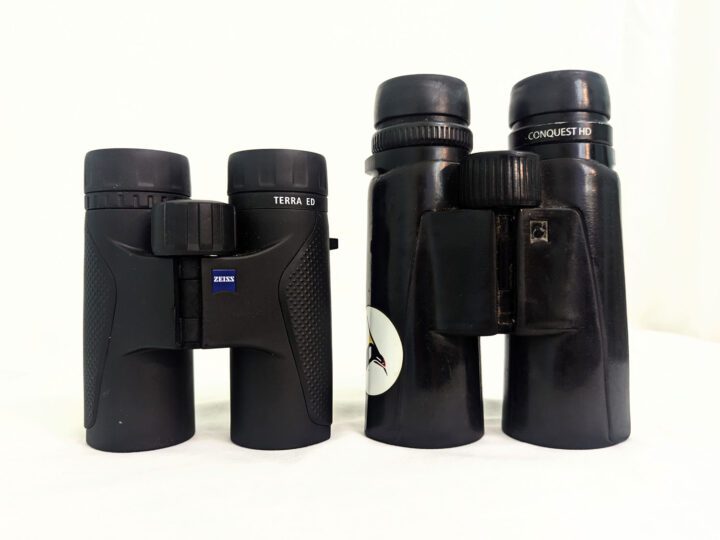
How lens size changes the view
The objective lens diameter determines how much light reaches your eye. A 50mm lens collects much more light than a 25mm lens, which makes the image brighter at dawn or under heavy tree cover. Hunters and birders usually pick full-size sets for this reason.
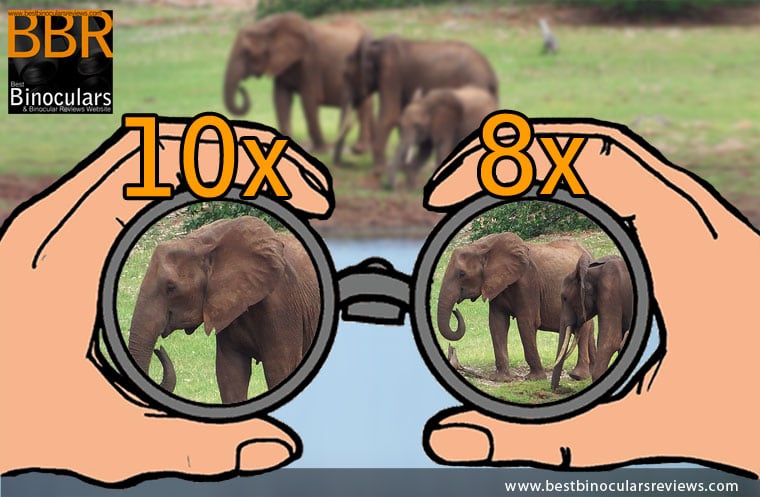
Magnification, expressed as the first number in a binocular’s specification (e.g., 8x, 10x), determines how much closer the image appears. Higher magnification isn't always better, however. It reduces your field of view – the amount of the scene you can see at any given time – and can amplify any hand tremor, resulting in a shaky image. A wider field of view, common in lower-magnification binoculars, is often advantageous for tracking moving subjects.
The exit pupil is the beam of light that hits your eye. You calculate it by dividing the lens size by the magnification. A 4mm exit pupil is better for low light because it matches how your own pupils dilate in the dark. Lens coatings are just as vital; they stop light from reflecting away, which keeps the image sharp and bright.
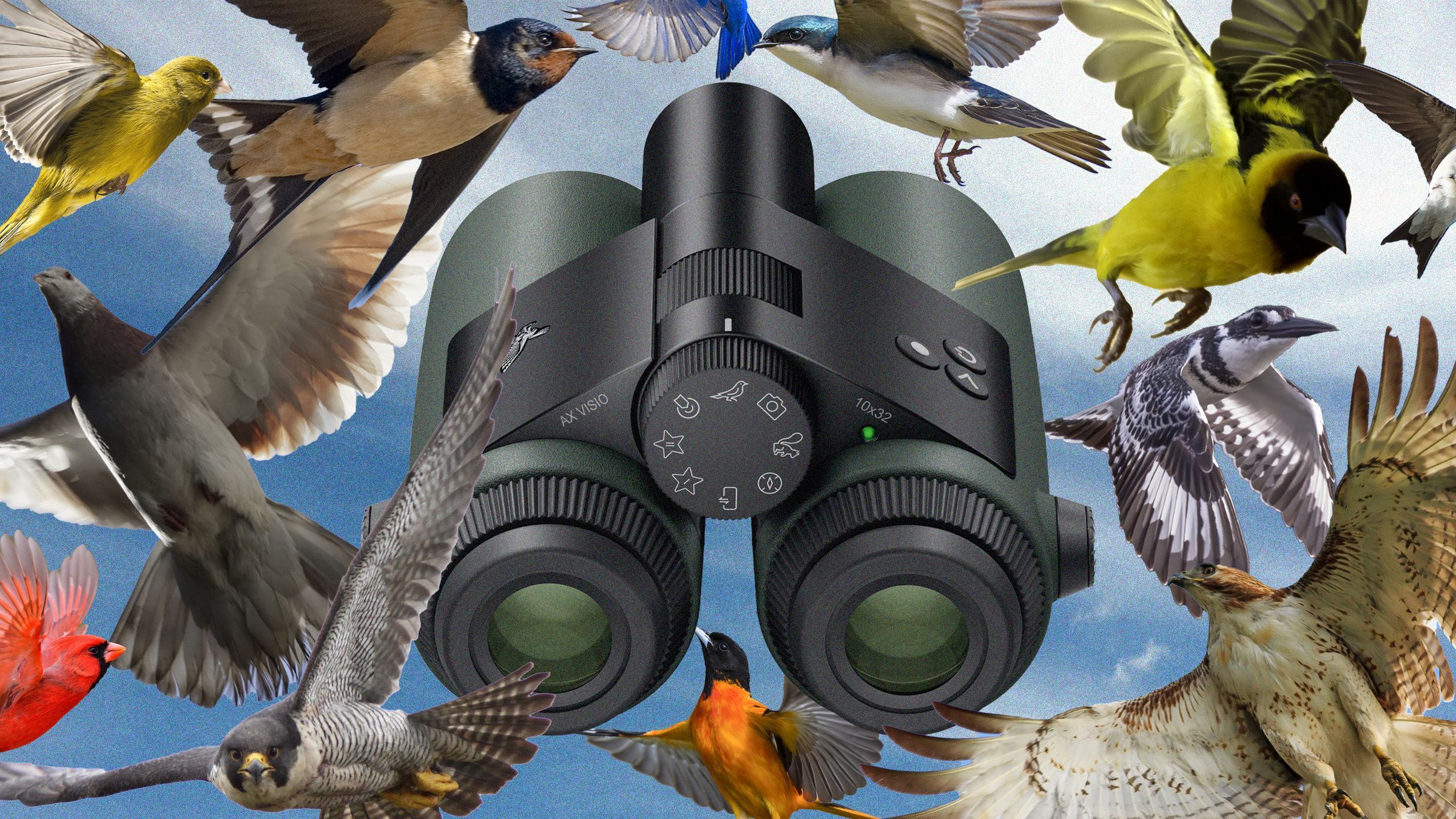
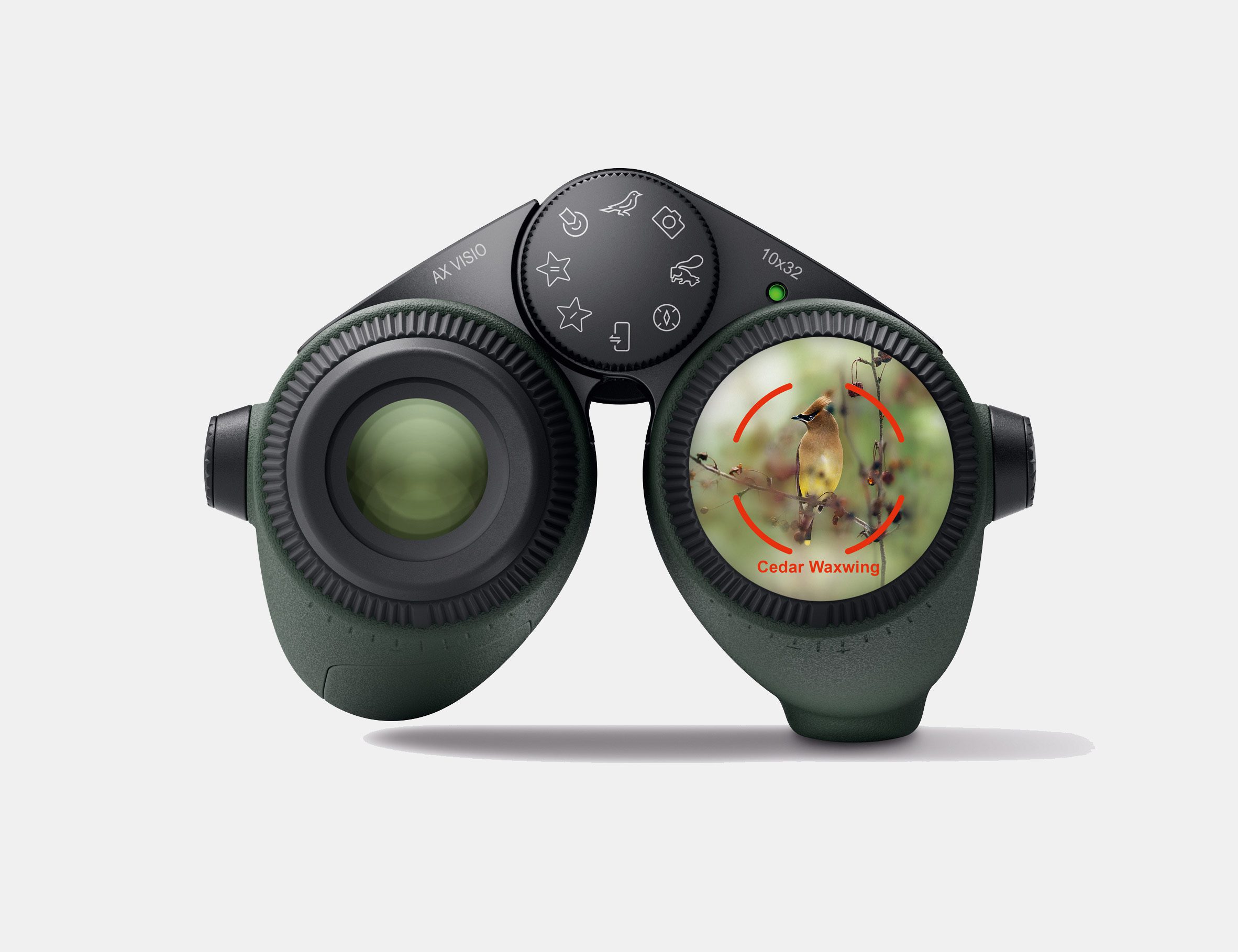
Larger objectives aren't universally better. The increased weight and bulk can make them difficult to stabilize, especially at higher magnifications. This is where image stabilization technology, found in some higher-end binoculars like the Swarovski AX Visio, can make a significant difference, but adds considerably to the cost.
Weight and how they feel
Weight is a major consideration, especially if you plan to carry your binoculars for extended periods. Compact binoculars typically weigh between 8 and 20 ounces, while full-size binoculars can easily weigh over 30 ounces, and often exceed 40 ounces for models with larger objectives. That extra weight adds up quickly on a long hike.
This weight difference directly impacts comfort. A heavier binocular can cause neck strain and hand fatigue, making it less enjoyable to use. I've personally found that a lighter pair of binoculars makes a huge difference on all-day hikes; it's simply more comfortable and less tiring to carry.
Ergonomics – how the binoculars feel in your hands – is also critical. Look for binoculars with a comfortable grip and well-placed focusing wheel. Rubber armoring provides a secure grip and protects the binoculars from bumps and scratches. A well-balanced binocular will feel more stable and easier to hold steady. The placement of the hinge and the eye relief (distance between your eye and the eyepiece) matter too for comfortable viewing.
The arrival of AI binoculars
The Matata Xplore is a new type of binocular that uses object recognition to identify birds and animals. According to WIRED (2024), it can name a species in seconds. It's a cheaper alternative to high-end glass, though you're paying for software rather than just optics.
The benefits of AI are clear: faster identification, a reduced learning curve for beginners, and assistance in the field. This is particularly useful for birders who are trying to identify unfamiliar species. The AI can also provide information about the identified object, such as its range and habitat.
However, it’s important to acknowledge the limitations. The accuracy of the AI depends on the quality of its training data and the clarity of the image. I'm not sure how well these binoculars perform in challenging conditions – such as heavy rain or dense foliage – and further research is needed to assess their reliability in real-world scenarios. Reliance on software updates is another consideration; the AI’s performance will only improve with ongoing development.
Activity Suitability: Compact vs. Full-Size Binoculars (2026)
| Activity | Compact Binoculars | Full-Size Binoculars |
|---|---|---|
| Birding | Good. Lightweight for extended use, but typically lower magnification and narrower field of view can be limiting for distant species. | Excellent. Higher magnification and wider field of view facilitate detailed observation and locating birds at various distances. |
| Hunting | Acceptable. Portability is an advantage, but reduced light-gathering ability can be a disadvantage at dawn/dusk. Effectiveness depends heavily on hunting environment. | Excellent. Superior light transmission and magnification are crucial for low-light conditions and identifying targets at range. |
| Travel | Excellent. Minimal weight and size make them ideal for backpacking and general sightseeing. Easy to pack and carry. | Acceptable. Bulkier and heavier, potentially inconvenient for extensive travel, especially when space is limited. |
| Sporting Events | Good. Convenient for carrying and quick focusing, especially in crowded venues. Sufficient for general viewing. | Acceptable. Can provide a more immersive view, but size can be restrictive in tight seating arrangements. |
| Concerts | Acceptable. Limited magnification is generally not needed, but compact size is beneficial. Image brightness is important for indoor venues. | Poor. Often too large and cumbersome for comfortable use in a concert setting. |
| Astronomy | Poor. Limited aperture and magnification prevent detailed observation of celestial objects. Image stability can also be an issue. | Good. Larger objective lenses gather more light, revealing fainter objects. Requires a stable mount for optimal viewing. |
Illustrative comparison based on the article research brief. Verify current pricing, limits, and product details in the official docs before relying on it.
Top Compact Binoculars for 2026
The compact binocular market is competitive, with several excellent options available. Here are a few standouts expected to be popular in 2026:
Nikon Prostaff 3S 8x25: A reliable and affordable option with excellent image quality for its price point. (Approx. $150). Lightweight and easy to carry.
Vortex Diamondback HD 8x28: Offers exceptional clarity and brightness, with a wide field of view. (Approx. $250). Known for its durability.
Celestron TrailSeeker ED 8x25: Features extra-low dispersion (ED) glass for reduced color fringing and improved image sharpness. (Approx. $200). Waterproof and fogproof.
Bushnell Legend Ultra HD 10x25: A compact and powerful binocular with excellent resolution. (Approx. $180). Good value for money.
Matata Xplore (8x25): The AI-powered option. Expect a price point around $400-$500. Offers object recognition and identification capabilities.
Full-Size Standouts: Our Picks
For those prioritizing optical performance and light-gathering ability, these full-size binoculars are worth considering:
Swarovski EL 8x42: A top-of-the-line binocular known for its exceptional image quality, brightness, and durability. (Approx. $1700). An investment for serious enthusiasts.
Zeiss Conquest HD 8x42: Offers outstanding optical performance and a comfortable viewing experience. (Approx. $1300). A strong competitor to the Swarovski EL.
Vortex Razor UHD 10x42: Delivers exceptional clarity, brightness, and color fidelity. (Approx. $1200). A popular choice among birders and hunters.
Leupold BX-2 Alpine HD 10x42: A more affordable option that still provides excellent optical performance. (Approx. $800). Waterproof and fogproof.
Nikon Monarch M5 8x42: A well-rounded binocular with good image quality and a comfortable grip. (Approx. $700). A solid choice for various activities.
Featured Products

8x magnification, 42mm objective lenses · ED (Extra-low Dispersion) glass for chromatic aberration reduction · Waterproof, fogproof, and rubber-armored construction
The Nikon MONARCH M7 8x42 offers superior optical clarity and robust build quality for demanding outdoor use.

10x magnification, 42mm objective lenses · Daha Prism system for enhanced light transmission · Waterproof and anti-fog design
The Olympus 10x42 PRO provides high magnification with durable, weather-sealed optics for clear viewing in challenging conditions.

10x magnification, 42mm objective lenses · Waterproof and fogproof construction · Multi-coated optics
The Bushnell H2O 10x42mm is a budget-friendly option offering reliable waterproof and fogproof performance for general outdoor activities.

8x magnification, 42mm objective lenses · BaK-4 prisms and multi-coated optics · Wide 7° field of view
The Celestron Outland X 8x42 provides a broad field of view and good optical performance at an accessible price point.

8x magnification, 42mm objective lenses · HD Optical System for enhanced resolution and contrast · Waterproof, fogproof, and shockproof
The Vortex Optics Diamondback HD 8x42 combines high-definition optics with rugged construction and a comprehensive warranty.
As an Amazon Associate I earn from qualifying purchases. Prices may vary.
Featured Products

10x magnification · 42mm objective lenses · Lightweight design
These full-size binoculars offer superior light-gathering capabilities and wider fields of view, essential for detailed observation in various conditions, directly addressing the needs of users prioritizing optical performance over extreme portability.

10x magnification · 42mm objective lenses · BaK-4 prisms
These full-size binoculars offer superior light-gathering capabilities and wider fields of view, essential for detailed observation in various conditions, directly addressing the needs of users prioritizing optical performance over extreme portability.

10x magnification · 42mm objective lenses · IPX7 waterproof rating
These full-size binoculars offer superior light-gathering capabilities and wider fields of view, essential for detailed observation in various conditions, directly addressing the needs of users prioritizing optical performance over extreme portability.
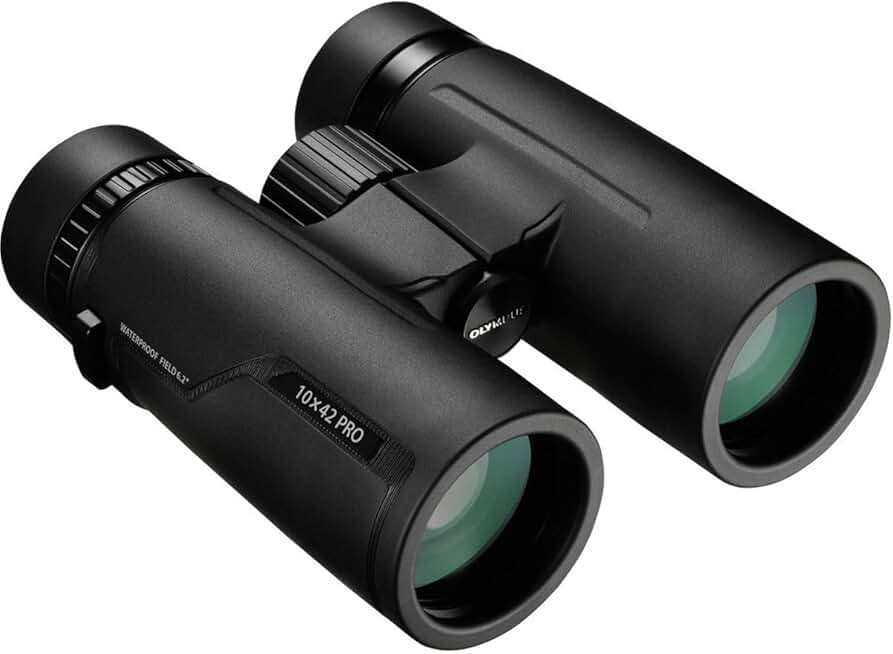
10x magnification · 42mm objective lenses · PRO optical system
These full-size binoculars offer superior light-gathering capabilities and wider fields of view, essential for detailed observation in various conditions, directly addressing the needs of users prioritizing optical performance over extreme portability.

10x magnification · 42mm objective lenses · HD optical system
These full-size binoculars offer superior light-gathering capabilities and wider fields of view, essential for detailed observation in various conditions, directly addressing the needs of users prioritizing optical performance over extreme portability.
As an Amazon Associate I earn from qualifying purchases. Prices may vary.
No comments yet. Be the first to share your thoughts!