
Birding’s AI Revolution
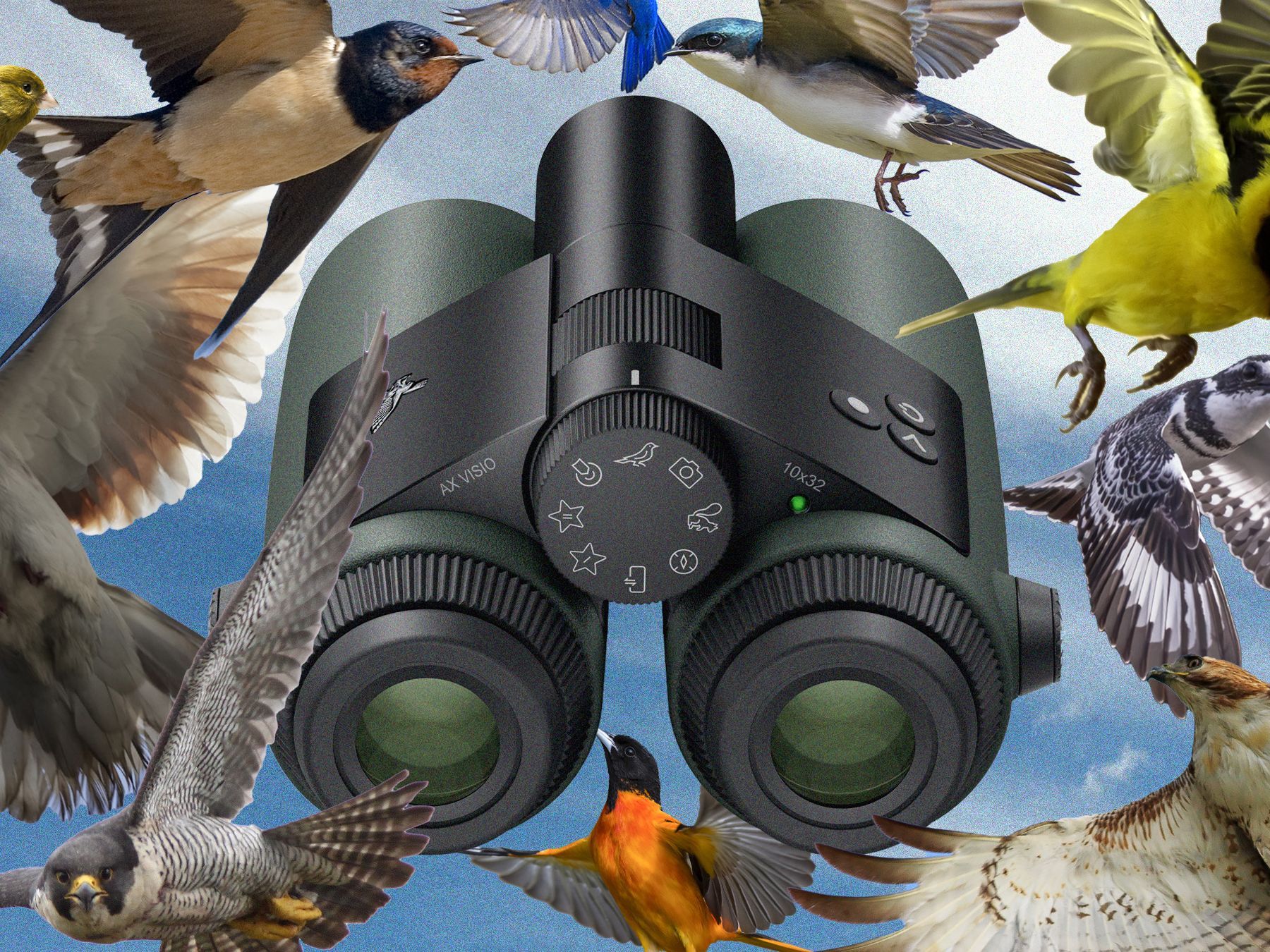
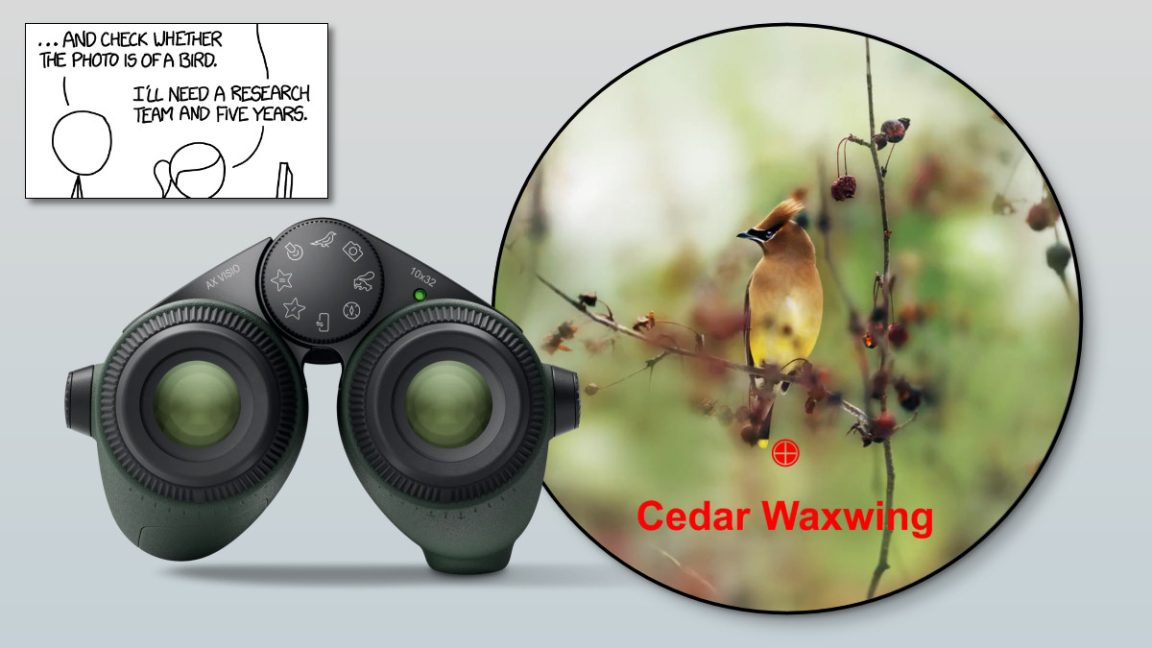
Binoculars are changing, not just through better glass, but with AI integration. Products shown at CES can now identify birds in real-time, a task once left to apps or experts. This streamlines observation and welcomes more people to birding.
Birding optics have improved over decades, moving from heavy, dim binoculars to brighter, sharper, and more comfortable designs thanks to manufacturing advances and materials like ED glass. Today's AI binoculars build on this solid optical foundation with computational intelligence.
Automatically recording and sharing observations is a new development, as shown in tech show coverage. While AI identification is improving, it's not perfect. Traditional skills like careful observation, habitat knowledge, and recognizing bird songs are still essential. AI should augment these skills, not replace them.
AI in birding holds promise, but the traditional experience still offers unique rewards. The challenge of identifying birds through careful observation has its own satisfaction. The future will likely blend AI assistance with traditional skills, making birding more accessible.
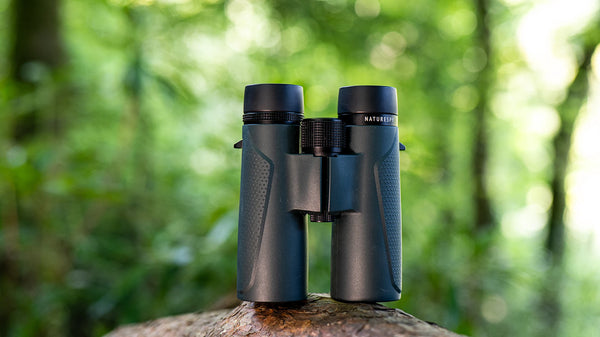
Magnification, Objective Lens, and Field of View
Understanding binocular specifications is the first step toward choosing the right pair for birding. The numbers like 8x42 or 10x50 represent two key characteristics: magnification and objective lens diameter. 8x magnification means the image appears eight times closer than with the naked eye. A 42mm objective lens is the diameter of the front lens, which determines how much light the binocular can gather.
Magnification and field of view involve a trade-off. Higher magnification enlarges distant birds but narrows your view. A wider field of view helps locate and follow fast-moving birds, reducing frustration. 8x magnification typically balances these for general birding.
Objective lens size affects brightness; larger lenses gather more light for brighter images, especially at dawn or dusk. However, larger lenses add weight and bulk. The Audubon Society recommends 42mm as a versatile size for many birding situations.
Consider your birding environment. Dense forests or low light might favor larger objective lenses (e.g., 10x50). Open habitats and bright conditions often suit an 8x42. Higher magnification isn't always better; a stable, bright image with a wide field of view is often more valuable.
Prism Types: Roof vs. Porro
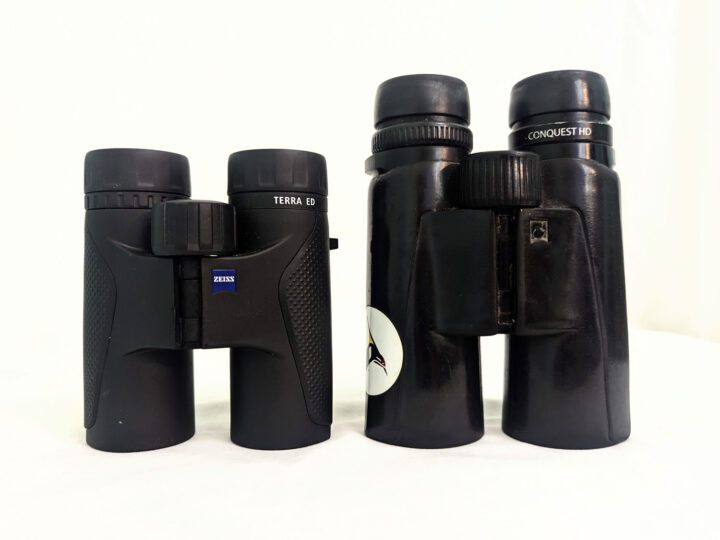
Prisms in binoculars correct image orientation and provide a stereoscopic view. The two main designs are roof and porro. Porro prism binoculars have wider, offset barrels, while roof prism binoculars feature a streamlined, in-line design.
Porro prisms are typically less expensive to make and offer excellent image quality, often producing brighter, more three-dimensional images. Their bulkier shape can be less convenient. Roof prism binoculars are more compact and easier to hold, popular with birders prioritizing portability.
Prism coatings maximize light transmission and image brightness. Multi-layer coatings reduce light loss from reflection for clearer images. Phase correction coatings are important for roof prisms, minimizing distortion and improving resolution; without them, sharpness and contrast can suffer.
I recommend roof prism binoculars for birding because of their compact size and ease of handling, which is a significant convenience during long sessions. High-quality porro prism binoculars can still perform exceptionally well and offer better value. The best choice depends on your priorities and budget.
Top 10 Birding Binoculars of 2026
The binocular market is competitive, with 2026 expected to bring further refinement of existing technologies and new AI features. Here are ten excellent options across various prices and features, based on expert reviews and user feedback from online forums and publications.
Zeiss Victory SF 8x42: Consistently ranked among the best, these offer exceptional sharpness, brightness, and color fidelity. They are expensive, but the optical quality is outstanding. Best for serious birders demanding the highest performance.
Swarovski EL 8.5x42: Similar to the Zeiss, these offer a premium viewing experience, known for their wide field of view and excellent low-light performance. Best for long-distance viewing and challenging light conditions.
Leica Noctivid 8x42: Renowned for exceptional build quality and optical performance, the Noctivid series is lightweight and comfortable to hold. Best for birders prioritizing portability and comfort.
Vortex Razor HD 8x42: Vortex offers excellent value. The Razor HD binoculars deliver sharp, bright images and have a lifetime warranty. Best for versatile performance at a reasonable price.
Nikon Monarch 7 8x42: A popular choice, the Monarch 7 balances performance and affordability, known for clear, bright images and comfortable ergonomics. Best for beginners and intermediate birders.
Bushnell Legend Ultra HD 8x42: Another excellent value option, the Bushnell Legend Ultra HD delivers sharp images and a wide field of view. Best for budget-conscious birders who still want good performance.
Celestron Nature DX 8x42: A great entry-level option for birding, these are affordable, waterproof, and offer decent image quality. Best for beginners on a tight budget.
Pentax Papilio II 6.5x21: These compact binoculars are ideal for close-focus birding, such as observing birds in your backyard or at feeders. Best for: Close-range observation and travel.
Steiner Safari UltraSharp 8x22: Another excellent compact option, the Steiner Safari UltraSharp offers good image quality and a rugged, waterproof design. Best for: Birders who prioritize portability and durability.
Carson VP Series 8x42: Carson binoculars offer exceptional value for the money. The VP Series delivers surprisingly good image quality for its price point. Best for: Casual birders and those new to the hobby.
Featured Products

Ultra-Wide Zoom eyepiece for expansive field of view · SCHOTT ED glass for superior color fidelity and contrast · Fast Focus system for rapid target acquisition
This binocular delivers unparalleled optical performance and an exceptionally wide field of view, crucial for spotting and identifying birds quickly in dynamic environments.

SWAROVISION technology for high-contrast, true-to-life images · 42mm objective lenses for excellent light gathering · Ergonomic design with open-bridge construction for comfortable handling
Renowned for its optical brilliance and comfortable ergonomics, this model provides exceptional detail and clarity, making it ideal for extended birdwatching sessions.

High-performance Schott HT™ objective lenses for maximum light transmission · Durable, shock-resistant magnesium housing · Comfortable diopter adjustment with a locking mechanism
The Noctivid offers outstanding image quality, particularly in challenging light conditions, with a robust build that ensures reliability in the field.

HD (High Density) extra-low dispersion glass for enhanced resolution and color accuracy · Fully multi-coated lenses for superior light transmission · Waterproof, fogproof, and shockproof construction
This binocular provides premium optical performance at a competitive price point, featuring exceptional clarity and durability for demanding birding applications.

Extra-low Dispersion (ED) glass to compensate for chromatic aberration · Waterproof (IPX7 rated) and fogproof construction · Wide field of view for efficient scanning
The MONARCH M7 offers a compelling combination of optical quality, weather resistance, and a wide field of view, making it a versatile and reliable choice for birders.
As an Amazon Associate I earn from qualifying purchases. Prices may vary.
AI Features: Beyond Bird Identification
The AI capabilities in modern binoculars are rapidly expanding beyond simple bird identification. As demonstrated in the Wired article and the YouTube coverage of CES, these features are evolving to assist with more complex tasks. Some binoculars can now automatically record the date, time, and location of your observations, creating a detailed log of your birding adventures.
The potential for AI to learn user preferences is also significant. Imagine a binocular that remembers the types of birds you’re most interested in and proactively suggests potential sightings based on your location and the time of year. This could be a game-changer for both novice and experienced birders.
Sharing observations with online communities is another key benefit. AI-powered binoculars can automatically upload your sightings to platforms like eBird, contributing to citizen science initiatives. This data can be invaluable for tracking bird populations and understanding migration patterns. However, it’s important to verify the accuracy of AI-generated identifications before submitting them.
I remain cautiously optimistic about these features. While the technology is promising, it’s still in its early stages of development. The accuracy of AI identification can vary depending on factors like lighting conditions, bird plumage, and the quality of the built-in algorithms. It’s crucial to remember that AI is a tool, and human observation remains paramount.
Waterproofing and Durability: Field-Ready Optics
Birding often takes place in challenging environments, so waterproofing and durability are essential considerations. Water-resistant binoculars can withstand light rain or splashes, but they’re not suitable for prolonged exposure to moisture. Waterproof binoculars, on the other hand, are sealed to prevent water from entering the optics. Some binoculars are even submersible, meaning they can be fully immersed in water without damage.
Fogproofing is equally important. Internal fogging can obscure your view and render the binoculars unusable. Nitrogen or argon purging is used to eliminate moisture from inside the binoculars, preventing fogging even in fluctuating temperatures. The Audubon guide stresses the importance of both waterproofing and fogproofing for reliable performance in the field.
The materials used in binocular construction also affect durability. Magnesium alloy bodies are lightweight and strong, while rubber armoring provides protection against impacts and improves grip. A well-built binocular should be able to withstand the rigors of outdoor use.
Ergonomics and Comfort
Ergonomics play a crucial role in the birding experience. A comfortable binocular is essential for long observation sessions. Factors like weight, balance, eye relief, and interpupillary distance all contribute to overall comfort.
Eye relief is the distance between your eye and the eyepiece. Sufficient eye relief is particularly important for eyeglass wearers. Interpupillary distance (IPD) is the distance between the centers of your pupils. Adjustable IPD allows you to customize the binoculars to fit your eyes.
A good neck strap is also essential. It should be comfortable and distribute the weight of the binoculars evenly. Consider a strap with a quick-release buckle for easy access.
Binocular Standouts: Worth a Closer Look
From the previous list, three binoculars stand out as particularly noteworthy for 2026: the Zeiss Victory SF 8x42, the Vortex Razor HD 8x42, and the Pentax Papilio II 6.5x21. The Zeiss represents the pinnacle of optical performance, delivering unparalleled sharpness and brightness. It's a significant investment, but the image quality is truly exceptional.
The Vortex Razor HD offers an excellent balance of performance and value. It doesn’t quite match the Zeiss in terms of ultimate optical fidelity, but it’s still a very capable binocular that will satisfy most birders. The lifetime warranty provides added peace of mind.
Finally, the Pentax Papilio II is a standout for its unique close-focus capability. It’s ideal for observing birds at feeders or in your backyard, where distances are typically short. Its compact size makes it easy to carry and use.

No comments yet. Be the first to share your thoughts!