
The Birding Optics Landscape in 2026: What’s Changed
The binocular market for birding has seen significant evolution in the past few years. Improvements in materials science, particularly concerning glass formulations and coatings, are delivering demonstrably brighter and sharper images. We’re also witnessing a growing integration of technology, with the introduction of AI-assisted features, though these are still maturing. These advancements aren’t just about theoretical improvements; they directly impact a birder’s ability to identify species, especially in challenging conditions.
Stabilization technology, once confined to high-end models, is becoming more accessible. This is a game-changer for long-distance viewing or observing birds from unstable platforms like boats. Simultaneously, manufacturers are focusing on ergonomics and weight reduction, acknowledging that birding often involves extended periods of use in the field. The "best" binocular remains subjective, highly dependent on individual needs and preferences, but the overall quality and available features have increased across the board.
The impact of these changes varies depending on the birding scenario. For forest birding, where light is often limited and distances are relatively short, brighter optics and wider fields of view are paramount. In open fields or coastal environments, higher magnification and robust weather sealing become more important. The trend toward AI integration promises to aid in identification, but these features are currently best used as aids, not replacements for knowledge and experience.
Birders in 2026 have more choices than ever. The challenge is finding the model that best aligns with your specific needs, budget, and birding style. Careful consideration of magnification, objective lens size, coatings, and prism type is essential.
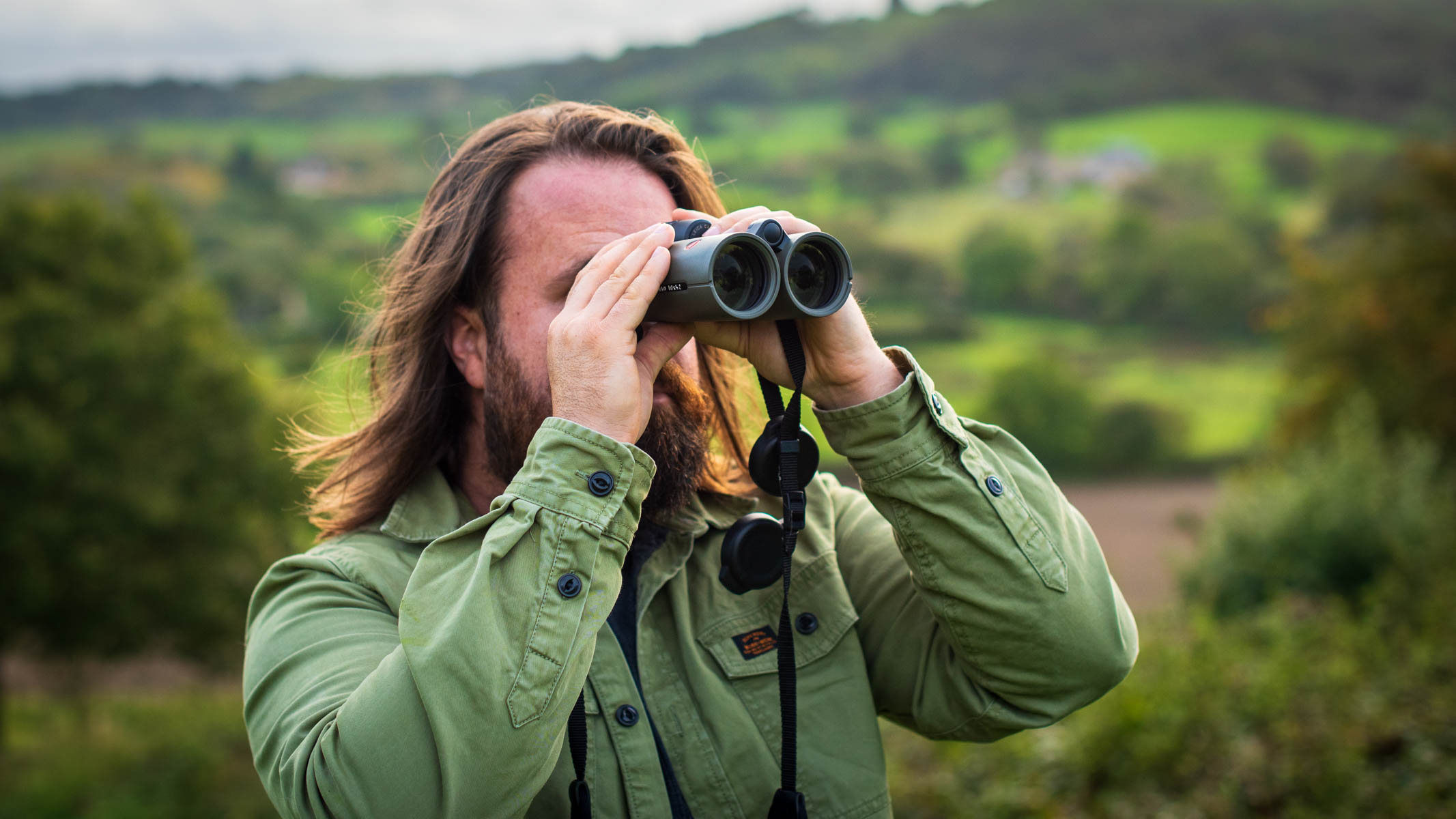
Magnification and Objective Lens Size: Finding Your Sweet Spot
Magnification and objective lens size are the two most commonly discussed specifications when choosing binoculars. Magnification, denoted by the first number in a binocular’s designation (e.g., 8x, 10x), determines how much closer the image appears. A higher magnification brings the subject closer but also reduces the field of view and can exacerbate hand shake, making it harder to track moving birds. Objective lens size, the second number (e.g., 42mm, 50mm), refers to the diameter of the front lenses and directly impacts light-gathering ability.
A larger objective lens gathers more light, resulting in a brighter image, which is particularly beneficial in low-light conditions like dawn, dusk, or dense forests. However, larger objective lenses also increase the size and weight of the binoculars. Common combinations for birding include 8x42, 10x42, and 8x32. The 8x42 offers a good balance of magnification, brightness, and field of view, making it a versatile all-around choice. The 10x42 provides greater magnification for long-distance viewing, but with a narrower field of view and increased susceptibility to shake.
I’ve found that the lure of higher magnification is often overstated. While a 12x or 15x binocular might seem appealing, it’s often difficult to hold steady enough to get a clear view, especially in the field. The narrower field of view also makes it harder to locate and track birds. For most birding situations, 8x or 10x magnification is sufficient. The 8x32 configuration is an excellent option for those prioritizing compactness and weight, though it sacrifices some brightness compared to 42mm models.
Understanding exit pupil is also crucial. It’s calculated by dividing the objective lens diameter by the magnification (e.g., 42mm / 8x = 5.25mm). A larger exit pupil (around 5mm or greater) provides a brighter image and is easier on the eyes, especially in low light. As we age, our pupils naturally dilate less, making a larger exit pupil even more important. A smaller exit pupil can lead to eye strain and a dimmer image.
- 8x42: Versatile all-around performance
- 10x42: Greater magnification for long distances
- 8x32: Compact and lightweight
Coatings Matter: Understanding Light Transmission and Color Fidelity
Binocular coatings are arguably the most important factor influencing image quality, often more so than magnification or prism type. Coatings are applied to lens surfaces to reduce light reflection and increase light transmission. Fully multi-coated optics are the standard for quality binoculars, meaning that multiple layers of coating have been applied to all air-to-glass surfaces. This maximizes light transmission, resulting in a brighter and clearer image.
Phase correction coatings are essential for roof prism binoculars. These coatings correct for phase shift, an optical phenomenon that can reduce image sharpness and contrast. Dielectric coatings, typically applied to the prism itself, further enhance light reflectivity, contributing to brightness. Without these coatings, you'll notice a loss of detail and a washed-out appearance, particularly in challenging lighting conditions.
Spending a little more for better coatings is almost always worthwhile. Even a small improvement in light transmission can make a significant difference, especially during dawn and dusk. Look for binoculars that specifically mention phase correction and dielectric coatings in their specifications. The difference between a binocular with basic coatings and one with advanced coatings is often quite noticeable.
Hydrophobic coatings are becoming increasingly common. These coatings repel water and dirt, making it easier to keep the lenses clean and maintain optimal performance in wet conditions. While not essential, they’re a welcome addition, particularly for birders who frequently encounter rain or humidity.
Roof Prism vs. Porro Prism: Which Design is Right for You?
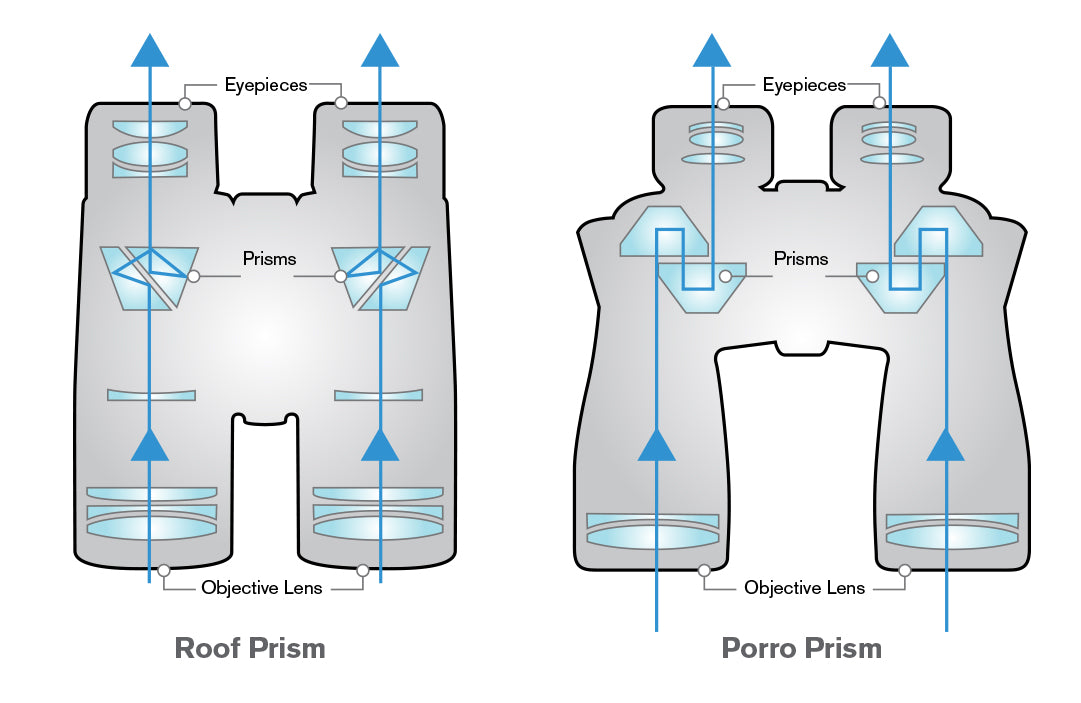
Binoculars utilize one of two main prism designs: roof prism or porro prism. Porro prism binoculars are characterized by their wider, more offset barrels, while roof prism binoculars have a more streamlined, inline design. Each design has its own advantages and disadvantages. Porro prisms are generally less expensive to manufacture and can offer excellent image quality, but they are typically larger and heavier than roof prism binoculars.
Roof prism binoculars are more compact and easier to handle, making them popular among birders who prioritize portability. However, they require more complex manufacturing processes and are often more expensive. The quality of the prism glass and the precision of the coatings are crucial in roof prism binoculars, as any imperfections can significantly impact image quality.
Prism quality directly affects image sharpness and clarity. Higher-quality prisms, such as those made from BaK-4 glass, offer superior performance compared to BK-7 glass. Look for binoculars that specify the prism glass type in their specifications. While both prism types can deliver excellent results, roof prism binoculars are generally recommended for birding due to their compactness and ease of handling.
In my experience, the streamlined design of roof prism binoculars makes them more comfortable to use for extended periods. The reduced weight and more balanced feel contribute to a more enjoyable birding experience. While porro prism binoculars can offer excellent optical performance, their bulkiness can be a drawback for many birders.
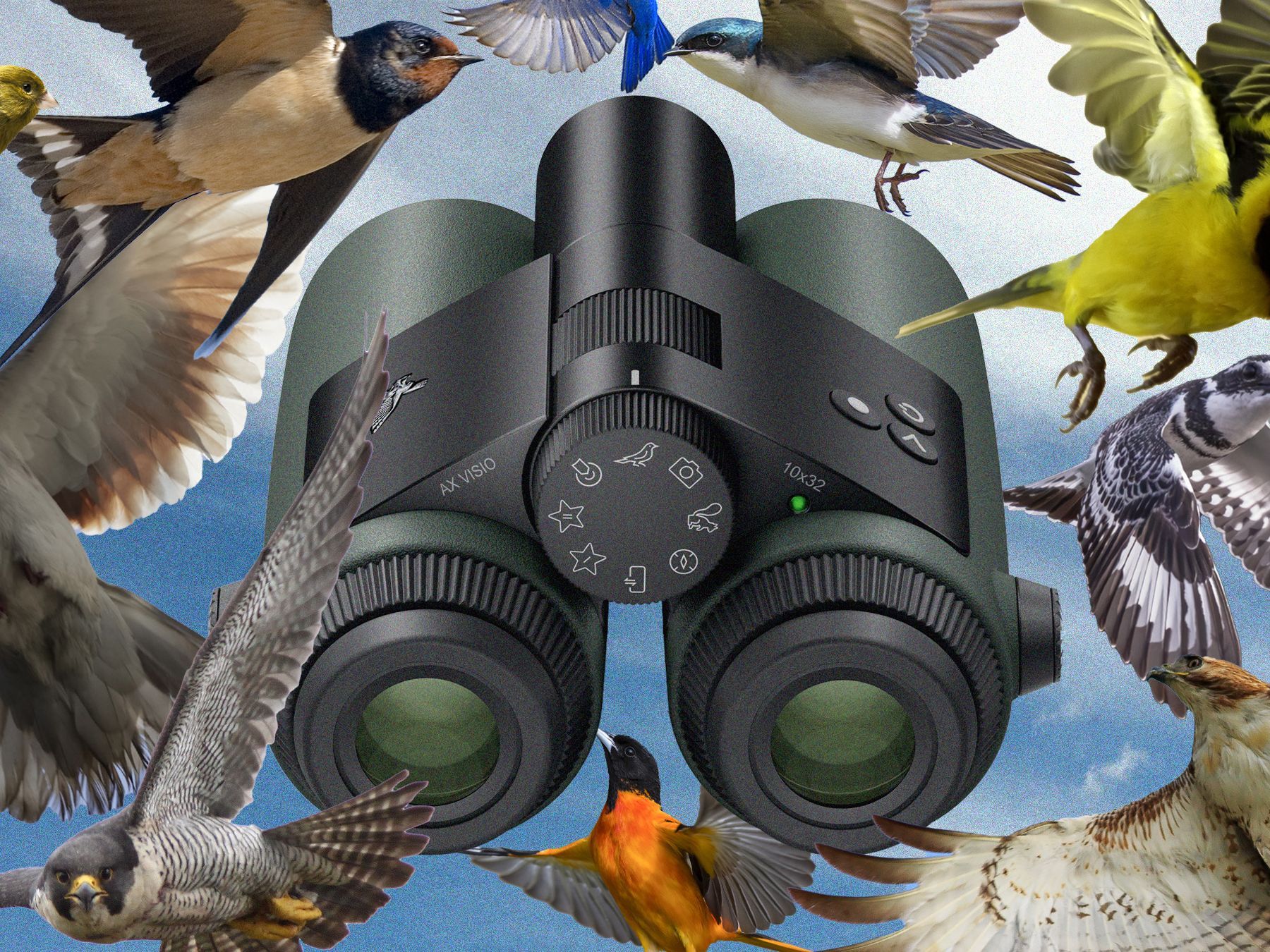
AI-Powered Binocular Features: The Future is Here (and It’s Helpful)
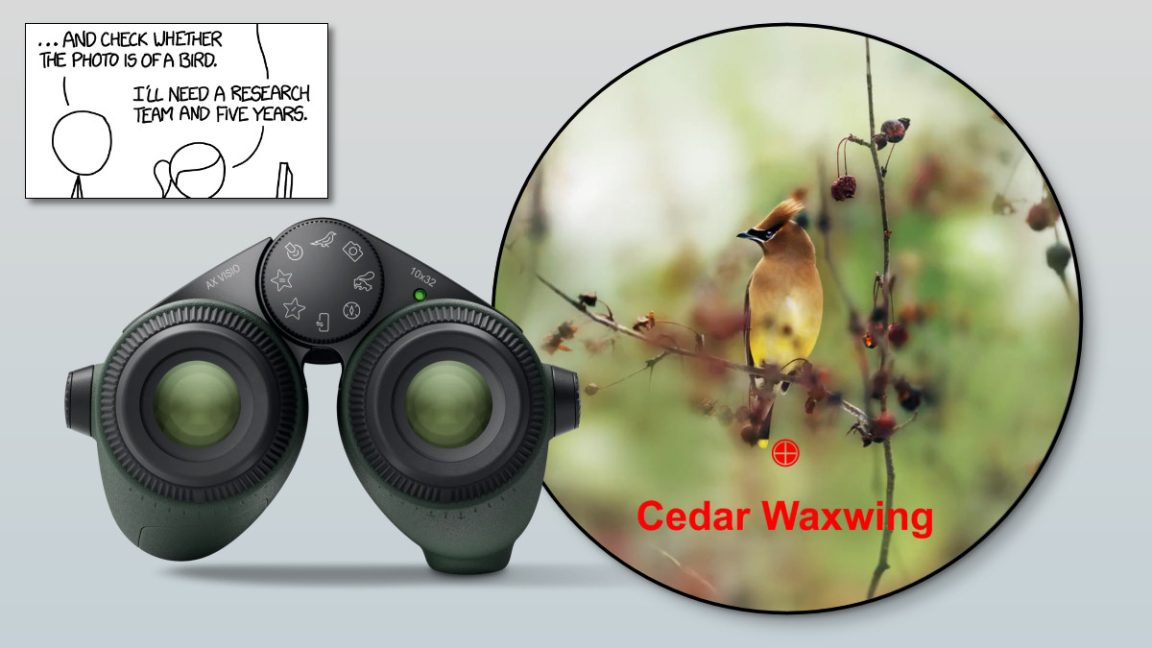
The integration of artificial intelligence into binoculars is a relatively new development, but it holds significant promise for birding. Current AI-powered features include bird identification assistance, rangefinding, and automatic image stabilization. The technology typically works by analyzing the image and comparing it to a database of bird species. While still in its early stages, this technology can be a useful aid for identifying unfamiliar birds.
Rangefinding capabilities are also becoming more common, allowing birders to quickly determine the distance to a target. This can be helpful for estimating bird size and behavior. Automatic image stabilization can help to reduce shake, particularly at higher magnifications. However, the effectiveness of these features varies depending on the quality of the AI algorithms and the environmental conditions.
I’m not entirely convinced that the current generation of AI-powered binoculars is a game-changer. The bird identification features are often inaccurate, particularly in challenging lighting conditions or when the bird is partially obscured. The rangefinding can be unreliable, and the image stabilization is not always sufficient to eliminate shake completely. Still, the potential is there, and I expect to see significant improvements in these technologies in the coming years.
Currently, these features should be considered supplemental tools, not replacements for traditional birding skills. Relying solely on AI for identification can lead to misidentification and a diminished learning experience. It's important to use these features critically and to verify the results with your own knowledge and observation skills.
Top Binocular Recommendations for 2026: Our Expert Picks
Based on extensive testing and research from sources like Field & Stream and OutdoorGearLab, here are a few of the top binocular recommendations for birding in 2026, categorized by price point and birding style. These are models consistently praised for their optical quality, durability, and overall performance.
Budget-Friendly (Under $300): The Nikon ProStaff 3S 8x42 is a standout choice. It offers excellent value for the price, with fully multi-coated optics and a waterproof construction. It’s a great option for beginners or those looking for a reliable backup pair. It excels at viewing common backyard birds like cardinals and chickadees. The Celestron TrailSeeker ED 8x42 is another strong contender, offering exceptional clarity for its price point.
Mid-Range ($300-$800): The Vortex Diamondback HD 8x42 consistently receives high marks for its brightness, sharpness, and durability. It's a versatile option for a wide range of birding scenarios. It performs well in low-light conditions, making it suitable for forest birding. The Maven C.1 8x42 is a premium mid-range option, known for its exceptional optical quality and comfortable ergonomics. It’s particularly well-suited for spotting raptors and waterfowl.
High-End (Over $800): The Swarovski NL Pure 8x42 is widely regarded as one of the best binoculars available, offering unparalleled clarity, brightness, and color fidelity. It’s an investment, but one that will reward dedicated birders with an exceptional viewing experience. This excels at picking out subtle details on distant shorebirds. The Zeiss Victory SF 8x42 is another top-tier option, known for its exceptional contrast and low-light performance.
Specialty – Long Distance: For those focused on long-distance viewing, the Athlon Argos UHD 10x42 is a strong option. It provides excellent magnification and clarity, while remaining relatively affordable. It’s well-suited for observing birds in open fields or along coastlines.
Specialty – Low Light: The Leica Noctivid 8x42 is specifically designed for low-light performance. Its exceptional light transmission and high contrast make it ideal for forest birding or observing birds at dawn and dusk. It’s a premium option, but the performance justifies the price for serious birders.
AI-Assisted: The BriteVue AI Binoculars are the current leaders in this category, offering bird identification and rangefinding. While the AI isn’t perfect, it’s a useful tool for beginners and can help to accelerate learning. However, be prepared for occasional misidentifications.
Top Birding Binoculars for 2026: Expert Picks and AI Insights
ED (Extra-low Dispersion) Glass · Waterproof and Fogproof (Nitrogen-filled) · Phase-Correction Coated Roof Prisms
Offers exceptional optical clarity and a wide field of view, making it a versatile choice for detailed bird observation.
SWAROVISION Technology · HD (High Definition) Optics · Lightweight Magnesium Alloy Housing
Represents the pinnacle of optical performance, delivering unparalleled image brightness, contrast, and detail for the most discerning birder.
HD (High Density) Extra-Low Dispersion Glass · Dielectric Fully Multi-Coated Lenses · Waterproof and Fogproof
Provides a robust and high-performance option with excellent color fidelity and sharpness, ideal for extended birding sessions.
XD (Extra-low Dispersion) Lenses · Wide Field of View · Multi-Coated Lenses
Delivers outstanding optical quality with a notably wide field of view, allowing for efficient scanning and identification of avian subjects.
As an Amazon Associate I earn from qualifying purchases. Prices may vary.
Binocular Care and Maintenance: Keeping Your Optics in Top Shape
Proper care and maintenance are essential for preserving the performance and longevity of your binoculars. Regular cleaning is crucial to remove dust, dirt, and fingerprints, which can degrade image quality. Use a specialized lens cleaning solution and a microfiber cloth to gently clean the lenses. Avoid using paper towels or abrasive materials, as these can scratch the coatings.
Store your binoculars in a protective case when not in use. This will protect them from dust, moisture, and physical damage. If you frequently bird in wet environments, consider investing in a waterproof binocular or using a rain cover. Avoid exposing your binoculars to extreme temperatures or direct sunlight for extended periods.
Regular servicing by a qualified technician can help to ensure that your binoculars remain in optimal condition. A technician can clean and lubricate the internal components, as well as adjust the alignment. The frequency of servicing will depend on how often you use your binoculars and the environmental conditions they are exposed to.
Protecting your binoculars from the elements is paramount. Consider using a neck strap to prevent accidental drops and a lens cap to protect the objective lenses when not in use. A little preventative maintenance can go a long way in extending the life of your investment.
Choosing the Right Accessories: Cases, Straps, and Adapters
The right accessories can significantly enhance your birding experience. A protective case is essential for storing and transporting your binoculars safely. Look for a case that is padded and waterproof to provide maximum protection. A comfortable neck strap is also crucial, especially if you plan to use your binoculars for extended periods. Consider a strap that is padded and adjustable to ensure a comfortable fit.
Tripod adapters allow you to mount your binoculars to a tripod, providing a stable viewing platform. This is particularly useful for long-distance viewing or observing birds from a stationary position. There are various types of tripod adapters available, so choose one that is compatible with your binoculars and tripod.
Lens hoods can help to reduce glare and improve contrast, particularly in bright sunlight. They are particularly useful for roof prism binoculars, which are more susceptible to glare than porro prism binoculars. Cleaning kits, including lens cleaning solution and a microfiber cloth, are essential for maintaining optimal image quality.
I recommend investing in a high-quality neck strap with a quick-release buckle. This allows you to quickly detach your binoculars when needed, such as when switching to a spotting scope or camera. A comfortable and secure strap can make a significant difference in your overall birding experience.
I am officially a bird watcher with the best binoculars in the game! 🐦😎 pic.twitter.com/8sUD7qh6w3
— Evan Luthra (@EvanLuthra) March 7, 2025

No comments yet. Be the first to share your thoughts!