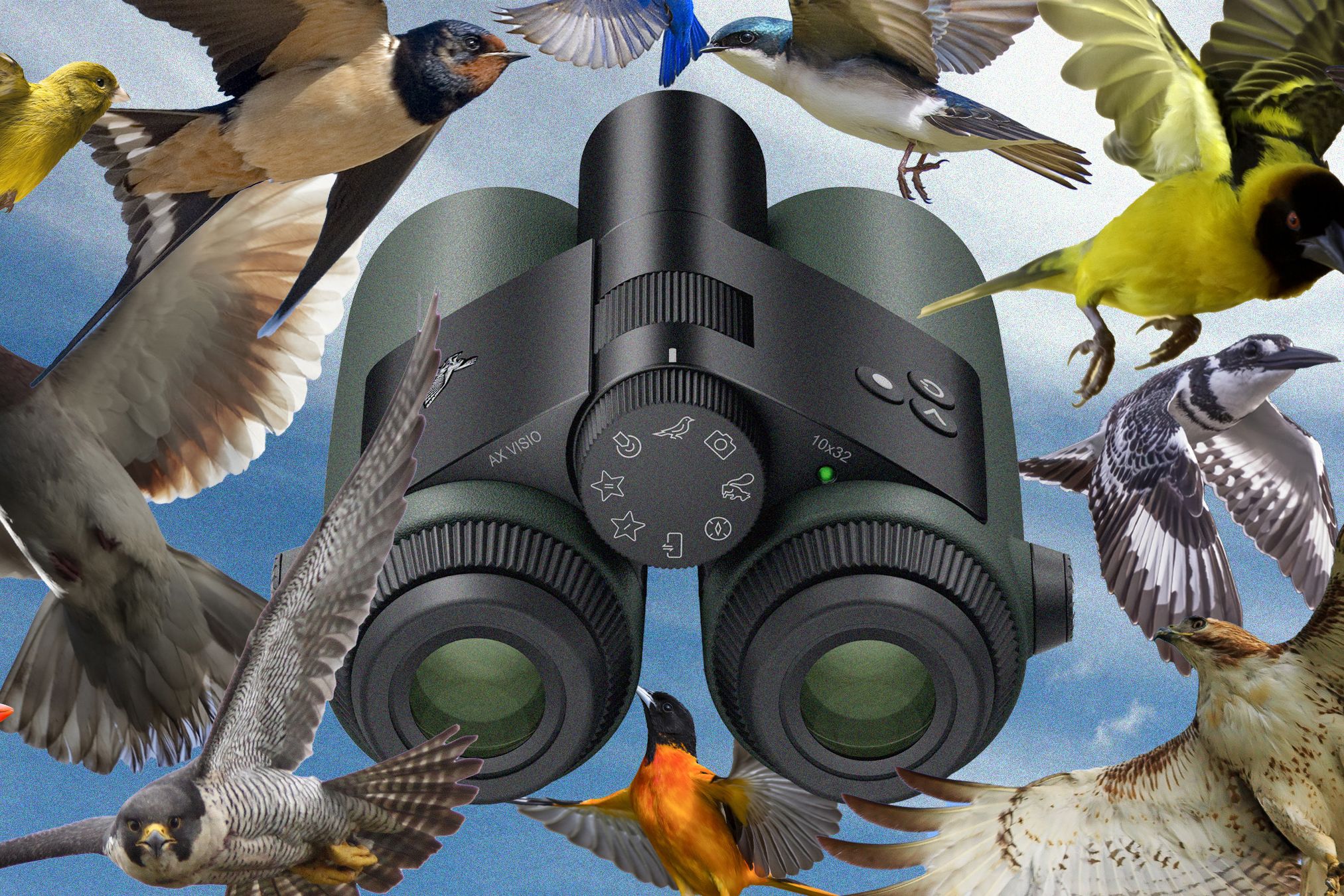

How we picked the best binoculars
We evaluated optics based on edge-to-edge sharpness, color fidelity, and low-light performance, prioritizing models favored by field ornithologists.
Selecting the right binoculars for birding requires balancing optical precision with physical endurance. A pair of binoculars that looks stunning in a store aisle can become a burden after hours of field use. Our testing process focuses on three core areas: optical clarity, ergonomic comfort, and weight distribution.
Optical performance is the foundation. We tested each model for edge-to-edge sharpness, ensuring that birds in the periphery of your view remain crisp. Color fidelity was assessed under varying light conditions, from bright midday sun to the dim light of dawn. Low-light performance is critical for early morning birding, where every photon counts. We prioritized models that maintain contrast and clarity without introducing excessive noise or distortion.
Ergonomics and weight are equally important. Birding often involves long periods of stationary observation or slow movement through dense terrain. Binoculars that are too heavy or poorly balanced can cause neck strain and fatigue, detracting from the experience. We evaluated the grip texture, focus wheel smoothness, and eye relief to ensure comfort for a wide range of users, including those who wear glasses.
By combining rigorous optical testing with real-world field simulations, we identified the binoculars that offer the best balance of performance and comfort. These models not only deliver clear, detailed views of distant birds but also remain comfortable enough for all-day use.
Best overall binoculars for birding
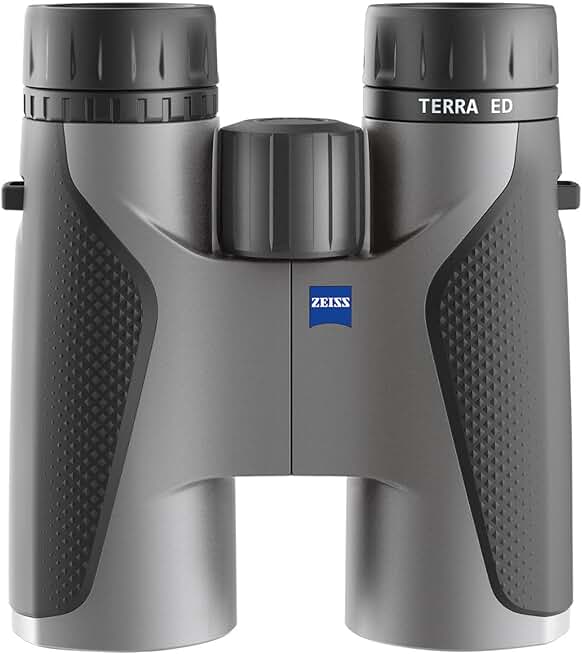
The Zeiss SFL 10×40 stands out as the top choice for birders who prioritize optical clarity and ergonomic comfort during long field sessions. This model strikes a precise balance between high-end performance and manageable weight, making it suitable for extended observation periods without causing neck strain.
Optically, the SFL series delivers exceptional contrast and color fidelity, which helps distinguish subtle plumage details in low-light forest conditions. The 10× magnification paired with a 40mm objective lens provides a bright, wide field of view that tracks moving birds effectively. Users with astigmatism may need to wear prescription glasses to achieve full edge-to-edge sharpness, as the eye relief is optimized for standard correction.
The build quality reflects Zeiss’s reputation for durability, with waterproof and fog-proof construction ensuring reliability in variable weather. The ergonomic design includes adjustable eyecups and a comfortable grip, allowing for stable handling even when using a tripod adapter for serious wildlife photography.


As an Amazon Associate, we may earn from qualifying purchases.
Best value binoculars for birding
Finding sharp optics without the premium price tag requires looking at how manufacturers balance glass quality with weight. The Nikon Monarch M7 10×42 binoculars stand out as the benchmark for this category. They deliver apochromatic-level clarity at a mid-range price, making them ideal for birders who need reliable performance without the bulk of high-end models.
The optical formula uses extra-low dispersion (ED) glass to minimize chromatic aberration, ensuring that distant birds remain crisp against complex backgrounds like tree canopies. The 10× magnification paired with a 42mm objective lens offers a balanced field of view and light transmission, performing well in both bright daylight and the moderate low-light conditions of dawn or dusk.
Ergonomics are equally important for long field sessions. The Monarch M7 features a lightweight, compact body with rubber armor that provides a secure grip even in wet conditions. The focus wheel is smooth and precise, allowing for quick adjustments when tracking moving targets. For birders on a budget, these binoculars offer the best combination of optical performance and durability.

As an Amazon Associate, we may earn from qualifying purchases.
Compact binoculars for travel
When every ounce counts on a long hike, compact binoculars offer the best balance of portability and optical performance. These models typically feature 10x magnification with objective lenses between 25mm and 32mm, keeping the total weight under 15 ounces. This size allows you to carry them in a jacket pocket or small side pouch without sacrificing the brightness needed for early morning birding.
The trade-off is slightly reduced light gathering compared to larger 42mm models, but modern coatings and roof prisms have closed the gap significantly. For most daytime birding scenarios, the exit pupil remains sufficient for clear, sharp images. The real advantage lies in ergonomics: lighter weight means less neck strain and a steadier hand when scanning the canopy for movement.
Amazon Best Sellers lists consistently feature 12x25 and 10x25 models for travelers who prioritize ease of use. These compact pairs often include waterproofing and fog-proofing, essential features for unpredictable field conditions. Look for models with twist-up eyecups to accommodate eyeglass wearers, ensuring you can see the entire image without removing your glasses.

As an Amazon Associate, we may earn from qualifying purchases.
Comparing binocular specifications
Use this section to make the Best Binoculars for Birding decision easier to compare in real life, not just on paper. Start with the reader's actual constraint, then separate must-have requirements from details that are merely nice to have. A practical choice should survive normal use, maintenance, timing, and budget. If a recommendation only works in an ideal situation, call that out plainly and give the reader a fallback path.
| Factor | What to check | Why it matters |
|---|---|---|
| Fit | Match the option to the primary use case. | A good deal still fails if it does not fit the job. |
| Condition | Verify age, wear, and service history. | Hidden condition issues erase upfront savings. |
| Cost | Compare purchase price with likely upkeep. | The cheapest option is not always the lowest-cost option. |
Choosing the right magnification and eye relief
The two numbers on your binoculars—magnification and objective lens diameter—dictate how the world looks through the lens. For birding, the standard configurations are 8x42 and 10x42. The first number is magnification; the second is the lens diameter in millimeters. Both sizes gather similar amounts of light, but they offer different viewing experiences.
8x42 vs. 10x42: Stability vs. Reach
Eight-power binoculars are the workhorses of birding. They offer a wider field of view and are easier to hold steady without a tripod. If you spend hours scanning tree canopies or watching birds in flight, 8x42 models reduce eye strain and hand fatigue. The image feels more natural, like looking with your naked eyes but closer.
Ten-power binoculars pull distant subjects closer. They are ideal for waterfowl, shorebirds, or raptors where distance is the primary challenge. However, the higher magnification amplifies hand shake. You will need steadier hands or a monopod to keep the image sharp. If you mostly bird in open areas and can stand still to scan, 10x42 is a powerful tool.
Eye relief and comfort
Eye relief is the distance your eye can be from the eyepiece and still see the full field of view. This specification is critical for comfort, especially if you wear prescription glasses.
Most birding binoculars offer 15mm to 20mm of eye relief. If you wear glasses, look for models with 15mm or more. This allows you to wear your glasses while viewing, or roll them down and rest your cheekbone on the rubber eyecup. Short eye relief forces you to hold the binoculars too close to your eyes, which causes neck strain and reduces the visible area.
"With astigmatism, you will need to wear your prescription glasses when you use the binoculars, or you will sacrifice valuable image sharpness." — Best Binoculars Reviews
Prioritize ergonomics alongside optics. A lighter 8x42 that feels comfortable in your hands will get used more often than a heavier 10x42 that sits on a shelf.
Frequently asked questions about binoculars
What is better, 12x50 or 10x42 binoculars?
The choice between 12x50 and 10x42 binoculars comes down to how you prioritize magnification versus stability. The 10x42 configuration is generally preferred for general birding because the 42mm objective lens offers a good balance of light gathering and manageable weight, while the 10x magnification is easier to hold steady by hand. The 12x50 model provides a larger exit pupil and brighter image in low-light conditions like dusk, but the higher magnification amplifies hand shake, often requiring a tripod for comfortable viewing.
Can you use binoculars with astigmatism?
Binoculars with diopter adjustments can correct nearsightedness and farsightedness, but they cannot fully compensate for astigmatism. If you have astigmatism, you will likely need to wear your prescription glasses while using the binoculars to maintain image sharpness. Look for models with long eye relief (at least 15mm) to ensure the full field of view is visible through your glasses without vignetting or black edges.
What magnification is best for birding?
For most birders, 8x42 or 10x42 binoculars are the standard recommendation. The 8x42 offers a wider field of view and greater stability, making it easier to track moving birds in dense foliage. The 10x42 provides more reach for distant subjects but requires a steadier hand. Magnifications higher than 10x are typically reserved for specific use cases like waterfowl hunting or observing distant seabirds, where a tripod is standard equipment.
What is the difference between roof and prism binoculars?
Roof prism binoculars have a straight, compact design that is lighter and more durable, making them the preferred choice for modern birding optics. Porro prism binoculars have a zigzag shape that traditionally offers better depth perception and lower cost for the same optical performance, but they are bulkier and harder to pack. When evaluating quality, focus on the prism coating and glass type rather than just the prism shape.
No comments yet. Be the first to share your thoughts!