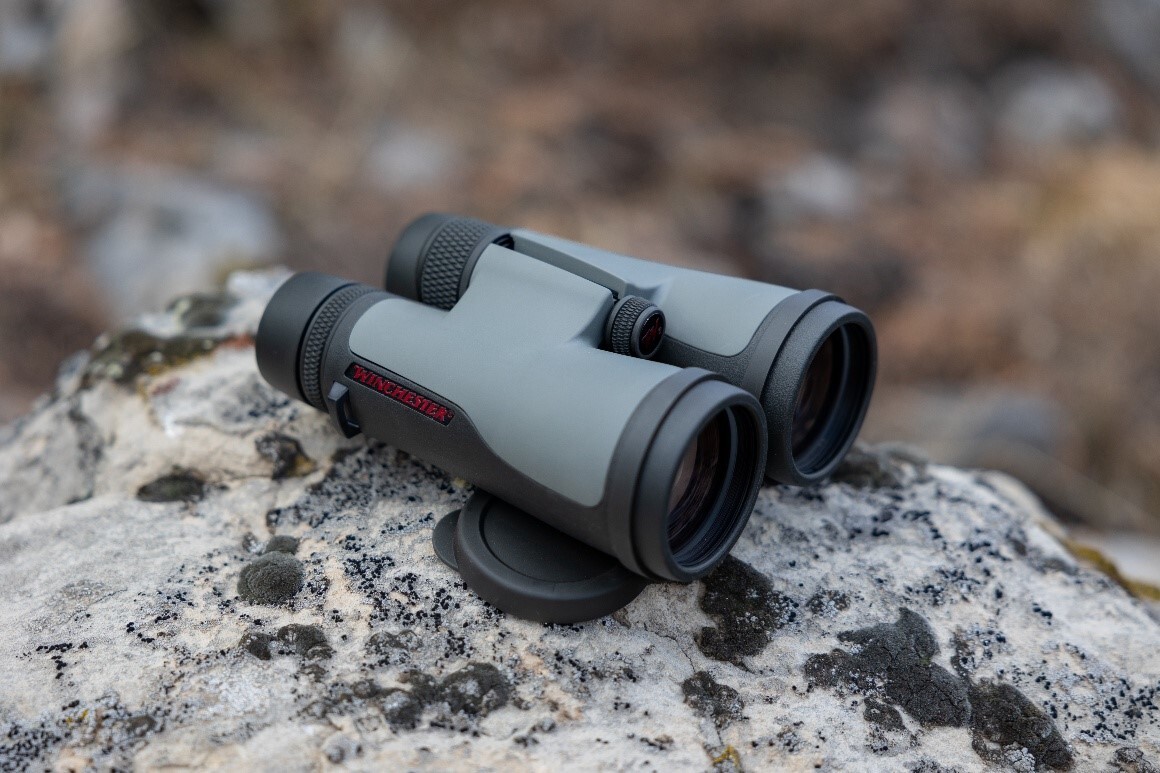

How we picked these binoculars
We evaluated compact binoculars specifically for birding, prioritizing optical clarity, weight, and field of view. The goal is to find tools that stay light in your pack but deliver sharp images when you spot a distant bird.
We focused on 8x32 and 10x32 configurations as the sweet spot for portability. Higher magnification like 10x helps identify species features but requires steadier hands and often results in a darker image. We tested models from major brands like Vortex, Nikon, and Leica to see how they handle these trade-offs.
Key metrics included edge-to-edge sharpness, color fidelity, and close-focus distance. We also weighed every pair to ensure they meet the "compact" standard, meaning they should not feel like a burden during a long hike.
Best compact binoculars for most birders
For the majority of birders, the ideal pair of binoculars strikes a precise balance between optical performance and physical weight. You need enough aperture to resolve fine feather details and color fidelity in dappled light, but not so much bulk that carrying them becomes a burden on long hikes. The sweet spot for this category typically sits between 8x42 and 10x42 magnification, offering a wide enough field of view to track moving birds while keeping the exit pupil bright enough for early morning or late evening observation.
The Vortex Razor HD 8x42 stands out as the top overall recommendation for this group. It uses apochromatic (APO) optics to minimize chromatic aberration, ensuring that high-contrast scenes—like a blackbird against bright sky—remain sharp and true to color. This design choice is critical for birders who need to identify species quickly without squinting at color fringing. Despite its premium glass, the build remains surprisingly light, making it a versatile tool for both stationary hide sitting and active trail walking.
If your budget allows for a step up in durability and weather sealing, the Vortex Viper HD 10x42 offers a slightly higher magnification that can be advantageous for distant shorebirds or waterfowl. The extra two power units make small details more distinct, though this comes with a narrower field of view and a darker image in low light. For most forest and garden birding, however, the 8x42 configuration remains the more practical choice due to its stability and ease of use.
Below are the top compact binocular options that consistently deliver on portability and clarity for birding.


As an Amazon Associate, we may earn from qualifying purchases.
Best budget compact binoculars
For casual birders or those navigating a tight budget, finding compact binoculars that balance portability with optical clarity requires careful selection. The goal is to avoid the common pitfall of cheap optics that appear sharp in the center but blur at the edges, or suffer from excessive chromatic aberration when viewing high-contrast subjects like blackbirds against a bright sky.
The Occer 12x25 stands out as a strong entry-level option. Its 12x magnification provides significant reach for distant songbirds, while the 25mm objective lens keeps the unit lightweight enough for all-day carry. While higher magnification can sometimes introduce shake, the compact form factor and reasonable eye relief make it a practical choice for beginners who prioritize reach over extreme low-light performance.
Alternatively, the Vortex Triumph HD 10x42 offers a more traditional optical profile for those willing to carry a slightly larger instrument. The 10x magnification is the industry standard for birding, providing a stable, wide field of view that makes tracking moving birds easier. The HD glass ensures color fidelity and edge-to-edge sharpness, which is critical for identifying subtle field marks on smaller species.
When evaluating budget options, prioritize waterproofing and fog-proofing. These features are not luxuries but necessities for birding in humid forests or near water. Look for models that use BAK-4 prisms and fully multi-coated lenses, as these specifications directly impact light transmission and image brightness. Avoid unbranded optics that lack these coatings, as they often result in dark, low-contrast images that strain the eyes.


As an Amazon Associate, we may earn from qualifying purchases.
Premium compact binoculars for clarity
When budget constraints are lifted, the priority shifts entirely to optical perfection and rugged durability. For serious birders, these instruments offer the sharpness and contrast needed to resolve fine feather details at a distance, often in low-light conditions like dense canopies or dawn flights.
The Vortex Razor HD 8x42 stands out as a benchmark in this tier. It features fully multi-coated apochromatic (APO) lenses that effectively eliminate chromatic aberration, ensuring that high-contrast edges remain crisp rather than fringed with color. The magnesium alloy chassis keeps the weight manageable for long days in the field, while the waterproof and fog-proof construction guarantees reliability in rain or humidity.
At the absolute top of the market, models from Leica, Zeiss, and Swarovski Optik define the ceiling for optical performance. These binoculars utilize premium glass and advanced prism coatings to deliver exceptional light transmission and a naturally colored image. While the price point is significantly higher, the difference in resolution and field flatness is measurable during critical identification moments.
The following table compares the core specifications of these premium options to help you weigh portability against optical power.
| Model | Mag | Lens (mm) | Weight (oz) | FOV (ft/1000yds) |
|---|---|---|---|---|
| Vortex Razor HD | 8x | 42 | 22.5 | 404 |
| Leica Ultravid 8x42 | 8x | 42 | 20.7 | 426 |
| Zeiss Victory SF 8x42 | 8x | 42 | 21.5 | 410 |
| Swarovski EL Range 8x42 | 8x | 42 | 21.8 | 410 |
8x32 and 8x42 binoculars for compact birding
When choosing compact binoculars for birding, the standard recommendation is an 8x magnification paired with a 32mm or 42mm objective lens. While 10x binoculars promise closer views, they introduce trade-offs that often hinder the birding experience. The lower magnification of 8x provides a wider field of view, making it easier to locate and track birds in dense foliage or in flight. Additionally, 8x binoculars are more stable in your hands, reducing image shake that becomes distracting at higher magnifications without a tripod.
The 8x32 configuration is the sweet spot for portability. These binoculars are light enough to carry all day without neck strain, fitting easily into a jacket pocket or small side pouch. The 8x42 offers slightly brighter images in low light due to the larger objective lenses, but remains compact enough for most hikers. Both options balance clarity, brightness, and ease of use far better than the heavier, narrower-view 10x models for general birding scenarios.
Frequently asked questions about compact binoculars
Choosing the right optics for birding involves balancing magnification, weight, and environmental durability. These answers address the most common technical concerns to help you select a pair that performs reliably in the field.
Are compact binoculars waterproof and fog-proof?
High-quality compact binoculars designed for birding should be nitrogen-purged and O-ring sealed. This construction prevents internal fogging when moving between temperature extremes and protects internal lenses from moisture damage during rain or high humidity. Look for models explicitly labeled as waterproof, which ensures longevity in wet field conditions without compromising optical clarity.
What is the ideal magnification for compact binoculars?
For most birding applications, 8x32 or 10x32 configurations offer the best balance of magnification and stability. An 8x magnification provides a wider field of view and a brighter image, making it easier to track moving birds, especially in low light. A 10x magnification brings distant subjects closer but requires steadier hands and often results in a darker image and narrower field of view, which can be challenging for fast-moving subjects.
How important is eye relief for eyeglass wearers?
Eye relief is the distance from the eyepiece lens to your eye where the full field of view is visible. If you wear eyeglasses, look for binoculars with at least 15mm of eye relief to see the entire image without straining. Many modern compacts offer twist-up eyecups that adjust to accommodate both glasses and naked-eye viewing, ensuring comfortable observation during extended periods of use.
How should I clean and maintain my binoculars?
Use a soft microfiber cloth to gently wipe the exterior lenses, removing dust and fingerprints without scratching coatings. For stubborn smudges, breathe lightly on the lens or use a lens-specific cleaning solution applied to the cloth, never directly to the glass. Store binoculars in a dry case with desiccant packs to prevent mold growth on internal optics, and avoid leaving them in hot cars or direct sunlight for prolonged periods.
No comments yet. Be the first to share your thoughts!