
The shift toward AI optics
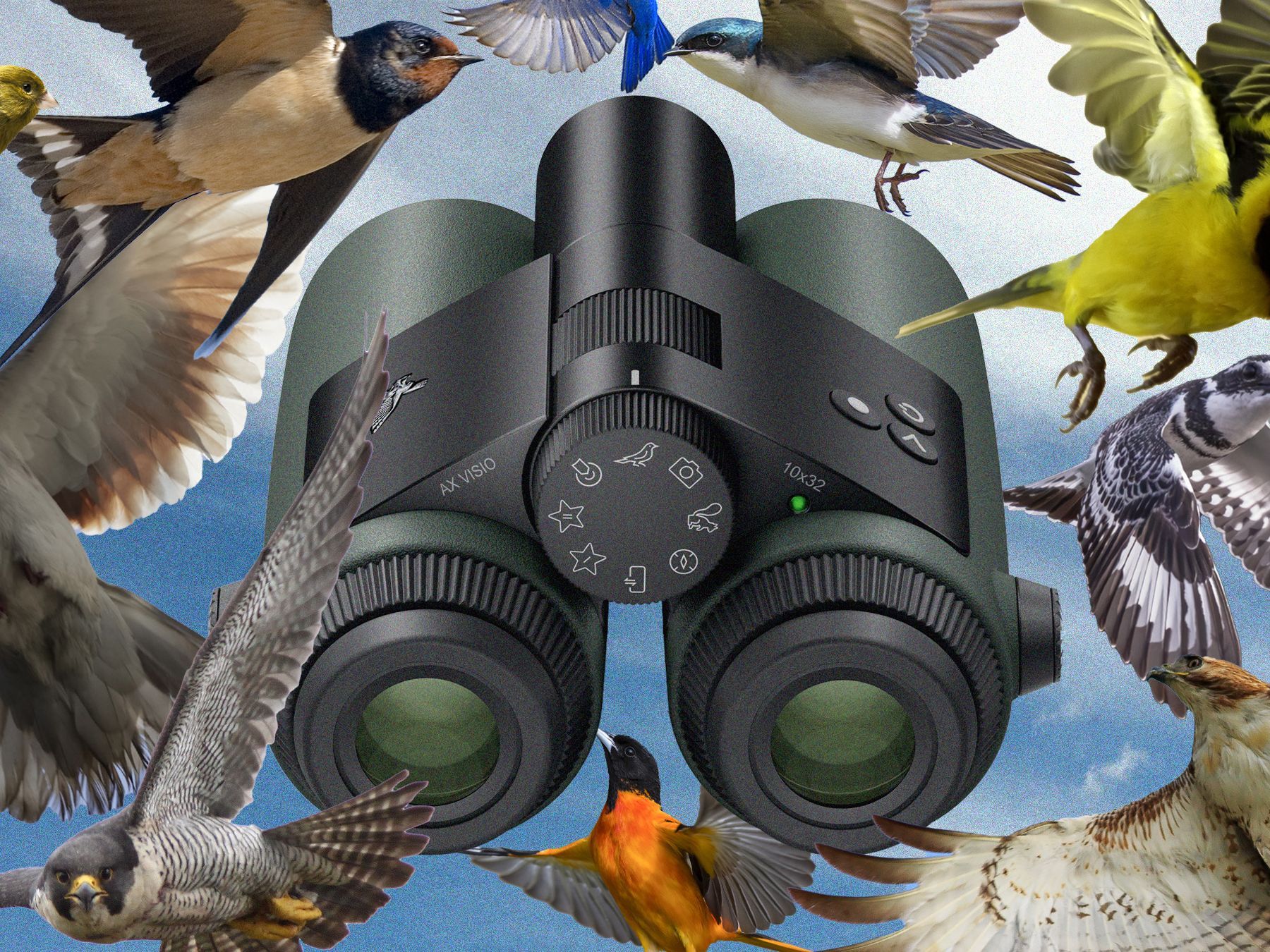
Birding is changing. It isn't just about lighter packs anymore; it's about the glass. AI-powered binoculars like the Swarovski Optik AX Visio are changing how we identify and track birds in the field. These aren't just minor tweaks; they change the way you interact with the environment.
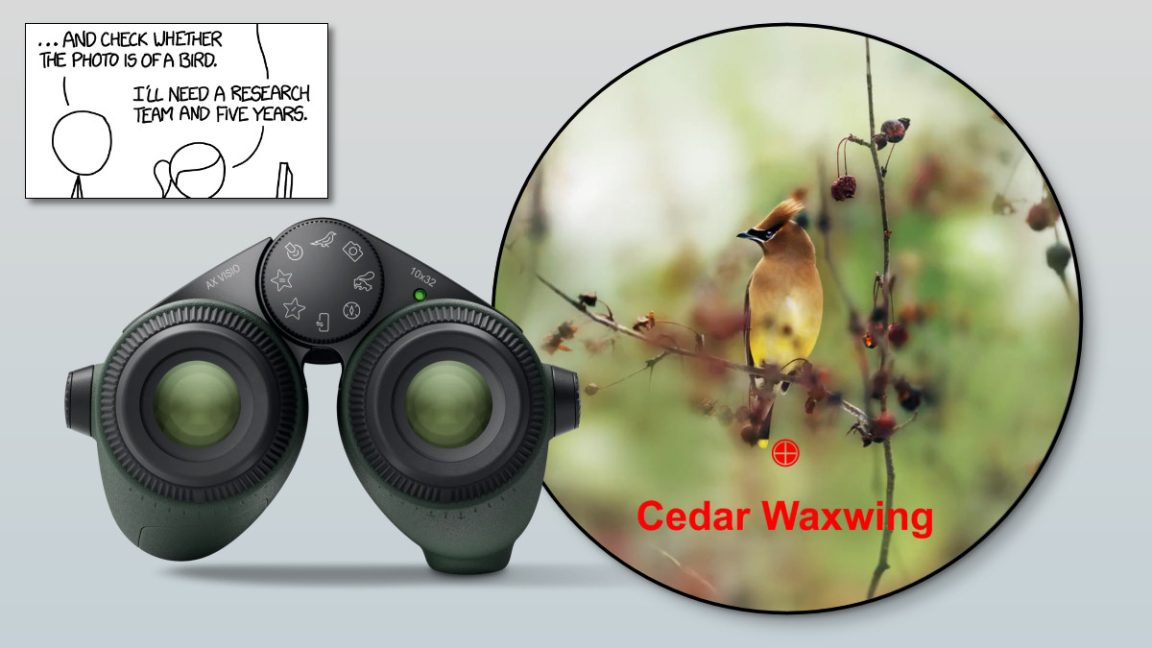
For years, bird identification relied on field guides, practiced observation, and a healthy dose of luck. Now, a quick look through these binoculars can provide a likely species identification, sometimes even offering information about age and sex. The AX Visio, as highlighted in WIRED, isn’t just identifying birds—it’s learning and improving with each use. It’s a bit unsettling, frankly, but undeniably powerful.
This article focuses on the best binoculars for birding available for under $500. I understand that not everyone needs—or wants—to spend thousands on top-of-the-line optics. There's a growing number of excellent options that deliver impressive performance without breaking the bank, and increasingly, those options are incorporating smart features. We’ll look at what’s available now and where the technology is headed.
Specs that actually matter
You need to know two main numbers: magnification and objective lens diameter. An 8x42 or 10x50 pair is standard. Magnification is how much closer the bird looks. The objective lens gathers light. Bigger glass is better at dusk but weighs more in your pack.
Field of view (FOV) is often overlooked, but critically important. It defines how wide an area you can see at a given distance. A wider FOV makes it easier to locate and track birds, especially those that are fast-moving. Eye relief is another key spec, particularly for eyeglass wearers. It’s the distance your eye can be from the eyepiece and still see the full image. Insufficient eye relief results in vignetting—dark shadows around the edges of the view.
Prism type matters, too. Roof prisms are more compact and streamlined, making the binoculars easier to handle. Porro prisms offer better depth perception and are generally less expensive. Coatings on the lenses are crucial for light transmission and image clarity. Fully multi-coated lenses are the gold standard, minimizing light loss and maximizing brightness. Don’t fall for marketing hype about coatings; look for specifics.
Higher magnification isn’t always better. While 10x binoculars provide more detail, they also amplify hand shake. 8x binoculars are often a better choice for beginners or those birding in dense forests. It’s about finding the right balance for your needs and viewing conditions. A stable image is far more valuable than a slightly closer one.
- Magnification: This is how much closer the image appears.
- Objective Lens Diameter: Amount of light gathered.
- Field of View (FOV): Width of the visible area.
- Eye Relief: Distance for comfortable viewing with glasses.
- Prism type: Roof prisms are compact, while Porro prisms offer better depth for less money.
- Coatings: Maximize light transmission and clarity.
The $500 sweet spot
Why focus on binoculars under $500? Because it represents a realistic budget for a serious birder who wants quality without the stratospheric price tag. You’ll find diminishing returns as you climb higher in price. Spending $1,000 or more doesn’t guarantee a proportionally better experience, especially if you’re not a professional ornithologist.
At this price point, you can expect fully multi-coated lenses, good quality glass, and reasonably durable construction. You might have to compromise on some features – perhaps a slightly narrower field of view or a less refined focusing mechanism – but you’ll still get a capable and enjoyable instrument. Don’t let the price tag fool you; excellent birding is absolutely possible with binoculars under $500.
Cheaper binoculars often suffer from poor image quality, distortion, and flimsy construction. More expensive models may offer incremental improvements in brightness or sharpness, but the core birding experience won’t necessarily be dramatically different. The $500 range strikes a balance between performance, durability, and affordability.
Top 10 birding binoculars under $500
Here's a rundown of ten binoculars that consistently receive high marks from birders, all available for under $500 as of late 2026. Prices will fluctuate, of course, but these represent good value at the time of writing. I’ve focused on models with readily available reviews and a proven track record.
1. Vortex Diamondback HD 8x42: ($230) A consistently popular choice, the Diamondback HD offers excellent image quality for the price. It’s waterproof, fogproof, and comes with Vortex’s VIP lifetime warranty. Who this is for: Beginners and intermediate birders looking for a reliable all-around performer.
2. Nikon Prostaff 3S 8x42: ($180) Known for its bright and clear image, the Prostaff 3S is a solid option for birding in various conditions. It’s lightweight and comfortable to hold. Who this is for: Birders who prioritize brightness and ease of use.
3. Celestron TrailSeeker ED 8x42: ($280) These binoculars feature Extra-low Dispersion (ED) glass, which minimizes chromatic aberration and delivers sharper images. Who this is for: Birders who want improved image clarity and color fidelity.
4. Bushnell Forge ED 8x42: ($350) Similar to the Celestron TrailSeeker, the Forge ED offers excellent optical performance thanks to its ED glass. It’s also waterproof and fogproof. Who this is for: Birders who need a durable and high-performing option.
5. Athlon Optics Talos G2 8x42: ($200) A budget-friendly option that still delivers respectable image quality. It’s a good choice for those just getting started with birding. Who this is for: Beginners on a tight budget.
6. Wingspan Optics Spectator 8x32 Compact Binoculars: ($150) These are smaller and lighter than the 42mm models, making them ideal for travel. Who this is for: Travelers and hikers who want a compact and lightweight option.
7. Optik AX Visio 8x32: ($499) The entry-level model from Optik, bringing AI-powered bird identification to a more accessible price point. Digital Camera World highlights its performance and smart features. Who this is for: Tech-savvy birders who want the latest features.
8. Hawke Frontier ED 8x42: ($320) These binoculars offer a good balance of performance and price. They feature ED glass and a waterproof, fogproof construction. Who this is for: Birders who want a versatile and reliable option.
9. Leupold BX-2 Alpine 8x42: ($250) Leupold is known for its quality optics, and the BX-2 Alpine is no exception. It’s a durable and reliable choice for birding in challenging conditions. Who this is for: Birders who need a rugged and dependable option.
10. Maven C.1 8x42: ($450) Maven offers direct-to-consumer binoculars with a focus on quality and value. The C.1 is a well-regarded option for birding. Who this is for: Birders who appreciate a direct-to-consumer brand with a focus on quality.
Featured Products

ED glass for enhanced clarity and color fidelity · Waterproof, fogproof, and rubber-armored construction for durability · Wide field of view for expansive observation
The Nikon MONARCH M7 offers exceptional optical performance and robust build quality, making it a premium choice for serious birders.

HD Optical System for superior resolution and contrast · Durable, waterproof, fogproof, and shockproof design · Included GlassPak for convenient transport and protection
Vortex Diamondback HD binoculars deliver outstanding optical quality and ruggedness, backed by an industry-leading warranty, at an accessible price point.

42mm objective lenses for bright images · Wide 7.4° field of view for easy subject tracking · BaK-4 prisms and fully multi-coated lenses for clear, detailed views
Celestron Nature DX binoculars provide a bright, wide field of view and reliable waterproof performance, ideal for everyday birdwatching.

IPX7 waterproof rating for reliable performance in wet conditions · Lightweight design for comfortable extended use · 10x magnification for detailed observation
The Bushnell Engage X offers a balance of magnification, portability, and weather resistance, making it a versatile option for outdoor enthusiasts.

PRO designation indicates advanced optical and build quality · 8x magnification for stable, detailed viewing · 42mm objective lenses for ample light gathering
The OM SYSTEM OLYMPUS 8x42 PRO binoculars are engineered for superior optical clarity and ergonomic design, meeting the demands of discerning birdwatchers.
As an Amazon Associate I earn from qualifying purchases. Prices may vary.
AI features beyond identification
The Swarovski Optik AX Visio isn’t just about identifying birds; it’s about the potential of AI to enhance the entire birding experience. As noted in WIRED, the binoculars can learn your preferences, suggest nearby hotspots, and even log your sightings with GPS data. This is more than a simple identification tool; it's a digital field companion.
Beyond identification, AI can assist with species tracking. The binoculars can record the time and location of each sighting, creating a personal database of your birding observations. This data can be valuable for monitoring bird populations and contributing to citizen science projects. Imagine being able to map your local bird migrations with ease.
I'm skeptical about relying on this tech entirely. AI identification fails often, especially in shadows or when two sparrows look nearly identical. The database isn't perfect yet. Use the tech as a second opinion, not a replacement for your own eyes.
Future applications are even more exciting. We could see AI-powered binoculars that automatically adjust focus, optimize image brightness, and even filter out distractions. The possibilities are vast, but it’s important to remember that we’re still in the early stages of this technology.
Keeping your glass clean
Investing in good binoculars is only half the battle. Proper care and maintenance are essential for ensuring their longevity and optimal performance. Dust, dirt, and fingerprints can degrade image quality, so regular cleaning is crucial. Use a microfiber cloth specifically designed for optics to gently remove smudges and debris.
Avoid using harsh chemicals or abrasive cleaners, as these can damage the lens coatings. A lens cleaning solution can be used for stubborn stains, but apply it sparingly and follow the manufacturer’s instructions. Store your binoculars in a case when not in use to protect them from dust, scratches, and impacts. A hard case is recommended for travel.
Moisture is another enemy of binoculars. If your binoculars get wet, dry them thoroughly with a soft cloth. Silica gel packets can be used to absorb any remaining moisture. Regularly check the seals to ensure they are intact. Proper storage and handling will significantly extend the life of your binoculars.
Community Buzz: What Birders Are Saying
Online birding communities are a great source of real-world feedback. On Reddit’s r/birding, the Vortex Diamondback HD consistently receives positive reviews for its value and durability. One user commented, “I’ve had my Diamondbacks for five years, and they’ve held up incredibly well. Great bang for the buck.”
On X (formerly Twitter), birders are discussing the Optik AX Visio with a mix of excitement and skepticism. A common sentiment is that the AI identification is accurate most of the time but isn’t a replacement for knowing your birds. Another user noted, “The Visio is cool, but the battery life could be better.”
These discussions highlight the importance of doing your research and considering your own needs and preferences. The "best" binoculars are the ones that work best for you. Reading reviews and engaging with the birding community can help you make an informed decision.
No comments yet. Be the first to share your thoughts!