
Birding gear in 2026
More people are traveling specifically to find birds, which makes the choice between compact and full-size binoculars a constant debate. I've found that the 'best' pair usually depends on whether you're hiking ten miles a day or sitting on a porch. It isn't just about magnification; it's about how much weight you're willing to carry.
Recent advancements in binocular technology are rapidly changing the game. We're seeing the integration of artificial intelligence, as reported by Digital Camera World and Wired.com, allowing for automated bird identification and data logging. This is a significant leap forward, especially for less experienced birders. However, these new features add cost and complexity.
The evolution of optics is happening quickly. Coatings are improving, glass quality is increasing, and manufacturers are experimenting with new materials. This means that the traditional advantages of full-size binoculars – superior light gathering and image clarity – are becoming less pronounced in newer compact models. The decision between the two is becoming less about inherent limitations and more about prioritizing specific attributes.
The case for full-size glass
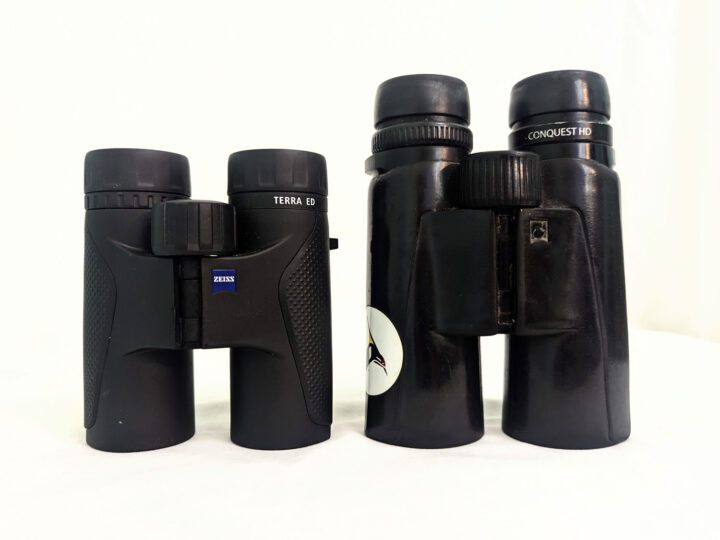
Full-size binoculars, typically in configurations like 8x42 or 10x42, have long been the standard for serious birders. The numbers refer to magnification and objective lens diameter, respectively. A larger objective lens – 42mm in these examples – allows for greater light-gathering capability, resulting in brighter images, particularly in low-light conditions like dawn, dusk, or within dense forests.
The increased light transmission translates directly into improved image detail and color fidelity, which is crucial for accurately identifying subtle differences in plumage. Full-size binoculars also generally offer a wider field of view, making it easier to locate and track fast-moving birds. This is especially important when observing birds in flight or in cluttered environments.
However, these benefits come at a cost. Full-size binoculars are significantly heavier and bulkier than their compact counterparts. Carrying them for extended periods can be fatiguing, and they take up valuable space in luggage. For travelers prioritizing minimal weight and pack size, the trade-off between performance and portability may not be worthwhile. They're best suited for dedicated birding trips where optical quality is paramount.
Compact Binoculars: Lightweight and Convenient
Compact binoculars excel in portability. Their smaller size and lighter weight make them ideal for travel, backpacking, and casual birding outings. They easily fit into a daypack or even a large jacket pocket, making them readily accessible when a birding opportunity arises. This convenience is a major draw for many travelers.
Improvements in glass quality and lens coatings have dramatically narrowed the performance gap between compact and full-size binoculars. Modern compacts utilizing ED (extra-low dispersion) glass and multi-layer coatings can deliver surprisingly sharp and bright images. Manufacturers like Zeiss and Nikon consistently produce high-quality compact options.
There are real downsides. Compacts have smaller objective lenses, so they struggle at dawn or under heavy canopy. You also get a narrower view, which makes tracking a fast-moving warbler frustrating. For many, though, the ability to slide a pair of Nikons into a jacket pocket outweighs the dimness.
Weight and Packability: A Direct Comparison
The practicalities of travel often dictate the best choice. A few ounces can feel like a ton on a long hike, and every cubic inch of space in your luggage is precious. Here's a comparison of the weight and dimensions of several popular models – note that these numbers can vary slightly depending on the specific configuration and features.
Consider a typical 8x42 full-size binocular; it might weigh around 24-30 ounces and measure roughly 5.5 x 2.0 x 6.5 inches. A comparable compact binocular, such as a 10x25 model, could weigh as little as 10-14 ounces and measure around 4.5 x 2.5 x 5.0 inches. That’s a substantial difference in both weight and volume.
This difference in size impacts packability significantly. A full-size binocular might require a dedicated padded case and a considerable amount of space in a backpack, while a compact model can often be slipped into a side pocket or even a jacket pocket. For international travel or backpacking trips, the compact option is often the more sensible choice.
- Nikon Monarch 5 8x42: 23.6 oz, 5.1 x 2.0 x 6.3 inches
- Vortex Diamondback HD 8x42: 21.3 oz, 5.1 x 2.1 x 6.2 inches
- Zeiss Conquest HD 8x42: 25.4 oz, 5.2 x 2.1 x 6.5 inches
- Nikon Monarch 7 10x25: 11.8 oz, 4.1 x 2.3 x 4.6 inches
- Bushnell Legend Ultra HD 10x25: 9.8 oz, 4.1 x 2.2 x 4.2 inches
Compact vs. Full-Size Binoculars for Travel Birding - Comparative Analysis (2026)
| Characteristic | Compact Binoculars (Typical) | Full-Size Binoculars (Typical) | Travel Style Suitability |
|---|---|---|---|
| Weight | 250g - 500g (8.8oz - 17.6oz) | 600g - 1100g (21oz - 24oz) | Backpacking, lightweight travel |
| Dimensions (Length x Width x Height) | 110mm x 60mm x 40mm (4.3in x 2.4in x 1.6in) - approximate | 145mm x 70mm x 50mm (5.7in x 2.8in x 2.0in) - approximate | Day trips, limited bag space |
| Packability | Easily fits into small daypacks or even large pockets | Requires dedicated space in a backpack or camera bag | City birding, general travel |
| Objective Lens Diameter | 25mm - 32mm | 42mm - 50mm | Low-light performance trade-off |
| Magnification | 8x - 10x is common | 8x - 12x is common | Distance viewing needs |
| Field of View (at 1000m) | Typically 90m - 110m | Typically 110m - 130m | Wider field of view for locating birds quickly |
| Image Brightness | Generally lower due to smaller objective lenses | Generally higher due to larger objective lenses | Dependent on glass quality and coatings |
| Stability | May require more steadying technique, especially at higher magnifications | Generally more stable due to increased weight | Important for prolonged observation |
Illustrative comparison based on the article research brief. Verify current pricing, limits, and product details in the official docs before relying on it.
How they actually perform
Understanding key optical specifications is essential for making an informed decision. Magnification determines how much closer an object appears. Higher magnification isn't always better; it can also amplify hand shake, resulting in a less stable image. Objective lens diameter influences light-gathering ability – larger lenses gather more light, producing brighter images.
The field of view – often expressed in feet at 1000 yards – indicates the width of the area you can see at a given magnification. A wider field of view makes it easier to locate and track birds. Exit pupil – calculated by dividing the objective lens diameter by the magnification – is the amount of light delivered to your eye. A larger exit pupil is beneficial in low-light conditions.
Prism type is another important consideration. Roof prisms are more compact and streamlined, making them ideal for compact binoculars. Porro prisms generally offer better image quality and depth perception but result in a wider, bulkier design. It's a common misconception that higher magnification always equals better viewing. Stability and light transmission are often more crucial for identifying birds, especially in challenging conditions.
The reality of AI binoculars
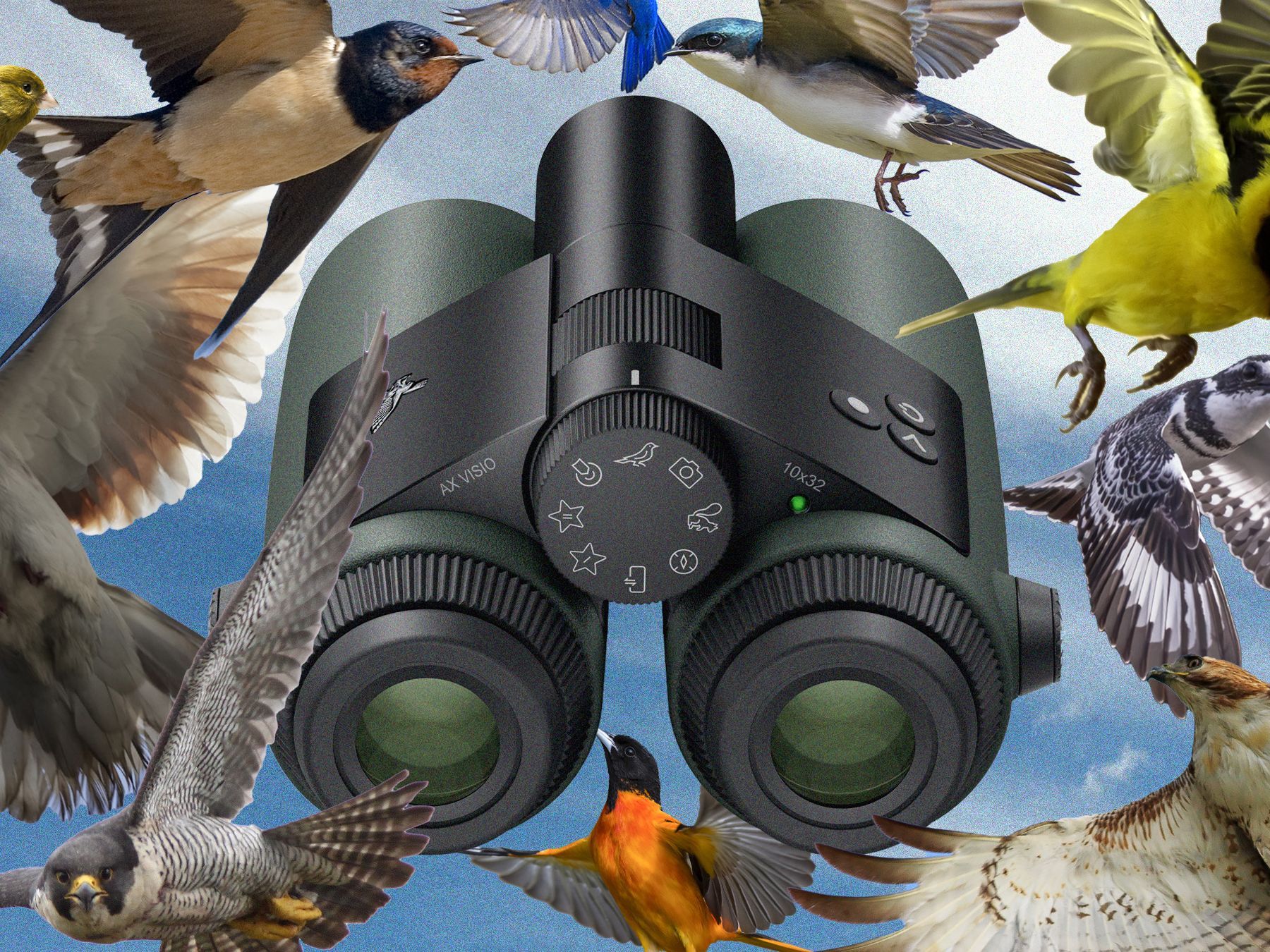
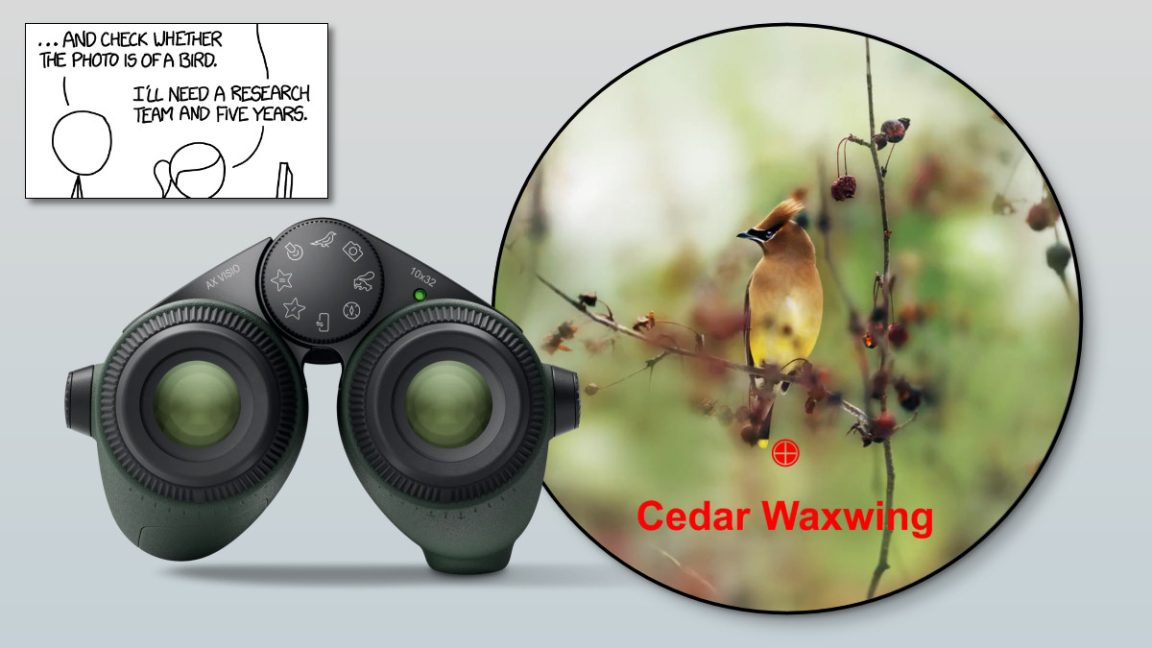
The emergence of AI-powered binoculars, such as the Matata Xplore highlighted by Digital Camera World, represents a potentially significant advancement in birding technology. These binoculars utilize image recognition algorithms to identify birds in real-time, providing information about their species, behavior, and habitat.
As Wired.com reported, the technology isn't flawless yet. The accuracy of bird identification depends on the quality of the image, the lighting conditions, and the completeness of the AI's database. However, the technology is improving rapidly, and the ability to instantly identify a bird can be extremely valuable, especially for beginner birders.
Beyond identification, some AI binoculars offer features like data logging, allowing you to record your sightings and track your birding progress. While currently more expensive than traditional binoculars, the price is coming down, and the convenience and educational benefits could make them a compelling option for many birders. The Swarovski AX Visio is an example of this technology, though availability and specific features are still evolving.
- Real-time identification: The Matata Xplore uses algorithms to name species as you look at them.
- Data Logging: Records sightings and location data.
- Educational Resources: Provides information about bird behavior and habitat.
Featured Products

8x magnification, 42mm objective lens diameter · ED (Extra-low Dispersion) glass for chromatic aberration reduction · Waterproof and fogproof construction
Offers a wide field of view and superior optical clarity with ED glass, making it suitable for detailed bird observation in various conditions.

10x magnification, 42mm objective lens diameter · High-performance optical system with exceptional detail and color fidelity · Ergonomic design for comfortable extended use
Provides outstanding image quality and detail, ideal for discerning birders who prioritize optical performance and comfort during travel.

High magnification and objective lens diameter (specifics vary by model) · Advanced optical design for superior brightness and contrast · Wide field of view
Delivers exceptional visual performance with a wide field of view, enabling comprehensive scanning and detailed identification of avian species.
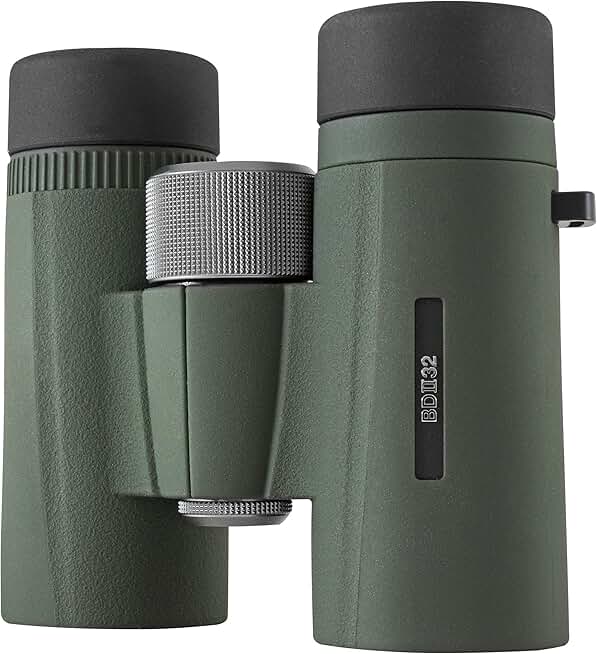
8x magnification, 32mm objective lens diameter · XD (Extra-low Dispersion) optical glass for enhanced resolution and contrast · Waterproof and fogproof construction
Balances compact size with excellent optical performance, featuring XD glass for clear, bright images and a wide field of view suitable for travel birding.

10x magnification, 42mm objective lens diameter · Waterproof and fogproof construction · Multi-coated optics for enhanced light transmission
Offers reliable performance in challenging environments with its waterproof and fogproof design, providing adequate magnification for bird identification.
As an Amazon Associate I earn from qualifying purchases. Prices may vary.
Recommendations for Specific Travel Styles
The ideal binocular depends heavily on your travel style. For backpacking, weight and packability are paramount. A high-quality compact binocular, like the Nikon Monarch 7 10x25, is the best choice. For international travel, where you might encounter a variety of birding opportunities, a versatile compact model remains a good option, but consider a slightly larger model like the Vortex Diamondback HD 8x32 if you prioritize optical performance.
For casual birding trips to local parks or nature reserves, a full-size binocular like the Nikon Monarch 5 8x42 provides excellent image quality and is manageable for shorter distances. If you're planning a cruise, the conditions can vary greatly. A full-size binocular is recommended for observing seabirds and distant shorelines. I'm not sure about specific cruise recommendations beyond this, as conditions vary so much.
Don't forget accessories. A binocular harness distributes weight more evenly, reducing neck strain. A rain guard protects your optics from the elements. A tripod adapter can provide stability for prolonged viewing, especially with higher-magnification binoculars. Regardless of your choice, prioritize a waterproof and fog-proof model for reliable performance in all conditions.
No comments yet. Be the first to share your thoughts!