
Hunting Optics in 2026: What’s New
The hunting optics market is undergoing a period of rapid refinement, and 2026 promises to deliver some noticeable advancements. While radical departures from established designs aren't likely, we're seeing incremental improvements across the board, particularly in glass quality, lens coatings, and integration of digital features. Expect to see more binoculars utilizing extra-low dispersion (ED) glass as a standard, even in mid-range price points, which significantly reduces chromatic aberration and enhances image clarity.
Coatings are also becoming increasingly sophisticated. Manufacturers are focusing on multi-layer coatings that maximize light transmission across the entire visible spectrum, resulting in brighter, higher-contrast images, especially in low-light conditions. Phase correction coatings remain essential for resolving fine details and maintaining image sharpness. The integration of technology is another key trend. Image stabilization, once exclusive to high-end spotting scopes, is becoming more common in binoculars, and we're beginning to see more models with built-in rangefinding and even rudimentary AI-powered object recognition.
This shift towards enhanced optical performance and technological integration means that choosing the right hunting binoculars in 2026 is more important than ever. A well-chosen pair can dramatically improve your ability to spot game, assess distances, and make ethical shots. Ignoring these advancements could leave you at a disadvantage in the field. The cost of entry for quality optics has decreased, but the top-end continues to push boundaries.
Bowhunting vs. Rifle Hunting: Binocular Needs
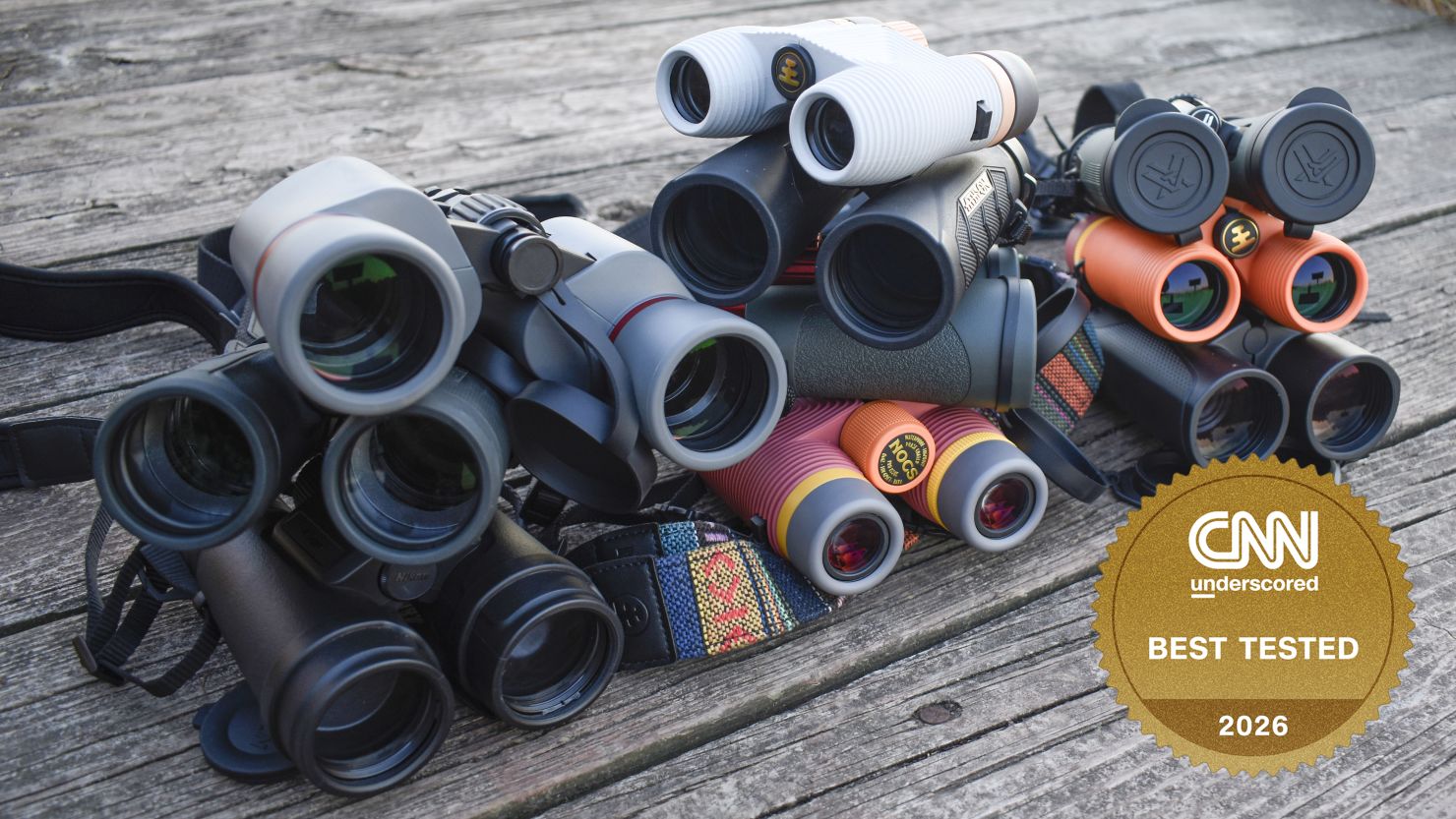
The demands placed on hunting binoculars differ significantly depending on whether you're a bowhunter or a rifle hunter. Bowhunting typically involves shorter ranges, often from treestands or blinds, requiring binoculars that excel in low-light performance and close-range clarity. A wider field of view is also highly valuable for quickly acquiring targets in dense cover.
For bowhunters, magnification around 8x or 10x is generally ideal. Objective lens size of 42mm provides a good balance between light gathering and portability. Crucially, a short close focus distance – the ability to clearly see objects very nearby – is vital for stand hunting situations. Rifle hunters, conversely, often engage targets at longer distances. This necessitates higher magnification, typically 10x or 12x, to resolve fine details and accurately assess game.
Rifle hunters may also benefit from binoculars with integrated rangefinders, allowing for quick and precise distance measurements. A narrower field of view is acceptable in exchange for greater magnification and detail. Objective lens sizes of 50mm or larger can improve light transmission at longer ranges, but also increase weight. The trade-off between weight and optical performance is a constant consideration. Understanding these differing needs is the first step in selecting the optimal binoculars for your hunting style.
Ultimately, some hunters may find that a single pair of 10x42 binoculars provides a versatile compromise suitable for both bow and rifle hunting. However, specialized optics tailored to each discipline will generally deliver superior performance.
Top 10 Hunting Binoculars of 2026
Selecting the 'best' hunting binoculars is subjective and depends heavily on individual needs and budget. However, based on current trends and performance data, here’s a rundown of ten top contenders for 2026. Prices are approximate and can vary.
1. Swarovski EL 10x42: ($2,800) The gold standard. Exceptional optics, build quality, and ergonomics. Offers unparalleled clarity and brightness. Target Hunting Style: Both. Pros: Best-in-class optics, durable construction, comfortable to use. Cons: Extremely expensive.
2. Maven B.1.2 10x42: ($1,600) A direct competitor to Swarovski, offering comparable performance at a slightly lower price. Excellent image quality and a robust build. Target Hunting Style: Both. Pros: Superb optics, American-made, lifetime warranty. Cons: Still a significant investment.
3. Vortex Viper HD 10x42: ($1,000) A popular choice for its excellent value. Provides a bright, sharp image and a durable, waterproof construction. Target Hunting Style: Both. Pros: Great value, excellent clarity, lifetime warranty. Cons: Not quite as refined as higher-end options.
4. Leupold BX-4 Pro Guide HD 10x42: ($800) Another strong contender in the mid-price range. Offers good optical performance and a rugged, reliable design. Target Hunting Style: Both. Pros: Affordable, durable, good clarity. Cons: Image quality not on par with more expensive models.
5. Zeiss Terra ED 10x42: ($900) Known for its excellent color fidelity and contrast. A solid performer in various lighting conditions. Target Hunting Style: Both. Pros: Excellent color reproduction, sharp image, comfortable grip. Cons: Can be susceptible to glare.
6. Nikon Monarch 7 10x42: ($700) A well-rounded option that balances performance and affordability. Provides a bright, clear image and a comfortable viewing experience. Target Hunting Style: Both. Pros: Good value, bright image, comfortable to use. Cons: Build quality not as robust as some competitors.
7. Bushnell Legend Ultra HD 10x42: ($600) A budget-friendly option that still delivers respectable performance. Offers good clarity and brightness for the price. Target Hunting Style: Both. Pros: Very affordable, decent image quality, lightweight. Cons: Optical performance not as refined as more expensive models.
8. Steiner Predator 10x42: ($750) Designed with the hunter in mind, featuring a rugged, waterproof construction and a non-slip rubber armor coating. Target Hunting Style: Rifle. Pros: Durable, excellent grip, good low-light performance. Cons: Heavier than some other models.
9. Athlon Argos UHD 10x42: ($650) A newer player in the optics market, Athlon is gaining recognition for its high-quality products at competitive prices. The Argos UHD delivers impressive clarity and brightness. Target Hunting Style: Both. Pros: Excellent value, bright and sharp image, good build quality. Cons: Brand recognition is still growing.
10. Tract Optics Toric 10x42: ($850) Tract Optics focuses on providing high-performance optics at a reasonable price. The Toric series offers excellent clarity, brightness, and durability. Target Hunting Style: Both. Pros: Sharp image, durable construction, good value. Cons: May not have the same level of brand prestige as some competitors.
Featured Products
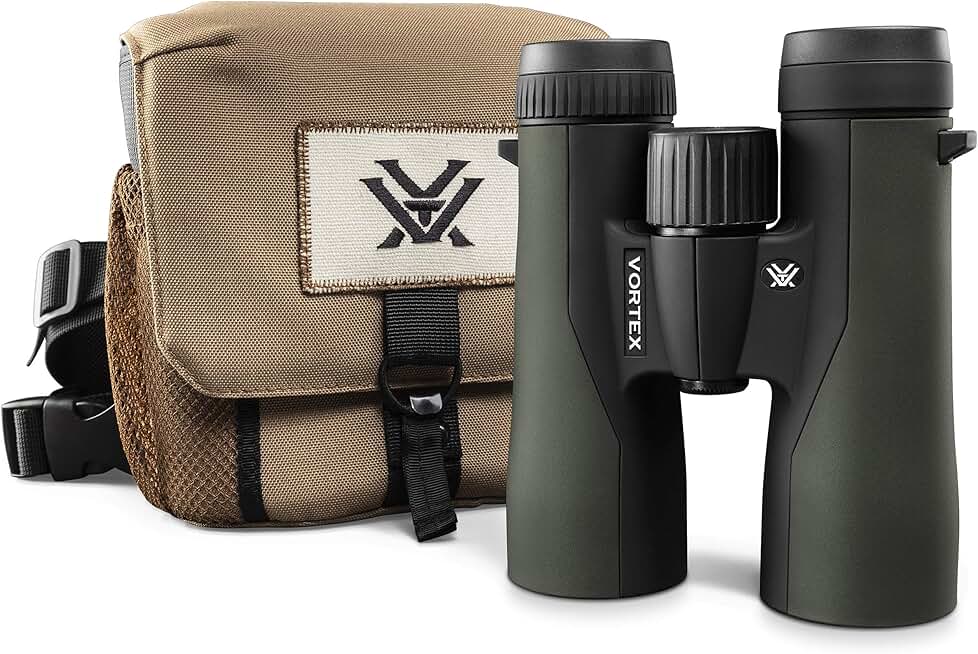
HD Optical System for enhanced resolution and contrast · Waterproof, Fogproof, and Shockproof construction for durability · Tripod adaptable for stable viewing
The Vortex Optics Crossfire HD offers exceptional optical clarity and rugged, all-weather performance at an accessible price point, making it a reliable choice for hunters.

10x magnification and 50mm objective lens diameter for superior light gathering · Advanced optical system for bright, clear images · Durable and ergonomic design for extended use
Leupold BX-4 Pro Guide HD binoculars provide professional-grade optical performance and robust construction, ideal for demanding hunting conditions and extended observation.
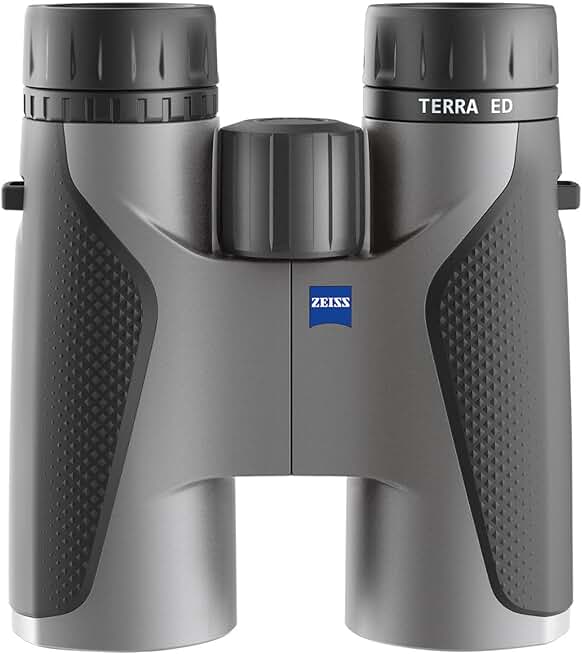
ED (Extra-low Dispersion) glass for reduced chromatic aberration and enhanced clarity · Waterproof and fogproof construction for all-weather reliability · Fast focusing system for quick target acquisition
ZEISS Terra ED binoculars deliver outstanding optical precision and all-weather durability, ensuring clear and sharp views essential for accurate hunting.

ED glass and advanced multi-layer coating for superior color fidelity and brightness · Waterproof, fogproof, and rubber-armored body for extreme durability · Wide field of view for enhanced situational awareness
The Nikon MONARCH M7 provides a wide field of view and exceptional optical performance with its ED glass and advanced coatings, offering clarity and durability for hunters.

10x magnification with a wide field of view for comprehensive observation · Exceptional optical quality with SWAROVISION technology for unparalleled clarity and color accuracy · FieldPro Package for enhanced ergonomics and functionality
Swarovski EL binoculars represent the pinnacle of optical engineering, offering unmatched clarity, brightness, and ergonomic design for the most discerning hunters.
As an Amazon Associate I earn from qualifying purchases. Prices may vary.
Decoding Binocular Specs: A Practical Guide
Binocular specifications can seem daunting, but understanding the key numbers is crucial for making an informed decision. Magnification is the first number you’ll see (e.g., 10x). It indicates how much larger an object appears through the binoculars compared to with the naked eye. A higher magnification isn't always better; it can reduce the field of view and make the image more susceptible to shake.
The second number represents the objective lens size in millimeters (e.g., 42mm). A larger objective lens gathers more light, resulting in a brighter image, especially in low-light conditions. However, larger objective lenses also add weight and bulk. Field of view is typically expressed in feet at 1000 yards, or in degrees. A wider field of view allows you to see more of the surrounding area, which is particularly important for scanning for game.
Eye relief is the distance between your eye and the eyepiece. Adequate eye relief is essential for comfortable viewing, especially for eyeglass wearers. Exit pupil is the diameter of the light beam exiting the binoculars, calculated by dividing the objective lens size by the magnification. A larger exit pupil is beneficial in low-light conditions. Finally, coatings are critical for maximizing light transmission and minimizing glare.
Top 10 Hunting Binoculars 2026: Quick Reference
| Model | Magnification x Objective | Field of View (ft @ 1000yds) | Eye Relief (mm) | Weight (oz) | Best For |
|---|---|---|---|---|---|
| Vortex Viper HD 10x42 | 10x42 | 330 | 15 | 25.9 | Both |
| Leupold BX-4 Pro Guide HD 10x42 | 10x42 | 341 | 15.5 | 26.5 | Rifle |
| Zeiss Terra ED 10x42 | 10x42 | 340 | 14.5 | 25.4 | Both |
| Nikon Monarch 7 10x42 | 10x42 | 336 | 15 | 24.9 | Bow |
| Bushnell Legend Ultra HD 10x42 | 10x42 | 340 | 15.5 | 26.3 | Both |
| Steiner Predator 10x42 | 10x42 | 330 | 14 | 27.5 | Bow |
| Swarovski EL 10x42 | 10x42 | 350 | 20 | 24.6 | Both |
| Maven B.1.2 10x42 | 10x42 | 345 | 17.5 | 26.7 | Rifle |
Illustrative comparison based on the article research brief. Verify current pricing, limits, and product details in the official docs before relying on it.
Coatings and Glass Types: Seeing Clearly
Lens coatings play a vital role in optical performance. Fully multi-coated lenses have multiple layers of coating applied to all air-to-glass surfaces, maximizing light transmission and minimizing reflections. Phase correction coatings are particularly important for resolving fine details and maintaining image sharpness, especially at higher magnifications.
The type of glass used in the binoculars also significantly impacts image quality. Extra-low dispersion (ED) glass reduces chromatic aberration – the colored fringing around objects – resulting in a sharper, more accurate image. High-density (HD) glass offers similar benefits, enhancing contrast and color fidelity.
Generally, binoculars with superior coatings and glass types will perform better in low-light conditions and deliver a brighter, clearer image. However, these features come at a cost. Expect to pay a premium for binoculars with ED glass and advanced coatings. The benefit is increased clarity and reduced eye strain, which is especially important during long hunts.
Rangefinding Binoculars: Worth the Investment?
Binoculars with integrated rangefinders offer the convenience of quickly and accurately measuring distances to your target. This can be a valuable asset for rifle hunters, allowing for precise shot placement. However, rangefinding binoculars typically weigh more and are more expensive than traditional binoculars. They also rely on batteries, which can fail at critical moments.
Several models combine both features effectively, such as the Vortex Impact BX-1 10x42 Rangefinding Binocular. The trade-off is that you are relying on a more complex piece of equipment. If you frequently hunt at long ranges, a rangefinding binocular might be a worthwhile investment. But if you primarily hunt at shorter ranges, or if weight and simplicity are priorities, a traditional binocular paired with a separate rangefinder might be a better option.
I'm not sure the convenience always outweighs the added complexity and cost. Consider your hunting style and needs carefully before investing in a rangefinding binocular.
Binocular Care and Maintenance
Protecting your investment is crucial. Always store your binoculars in a protective case when not in use. Avoid exposing them to extreme temperatures or humidity. Clean the lenses regularly with a microfiber cloth and lens cleaning solution specifically designed for optics. Never use abrasive cleaners or tissues, as they can scratch the coatings.
To prevent fogging, store your binoculars in a cool, dry place. If fogging does occur, allow the binoculars to air dry completely before using them. Avoid dropping your binoculars, as this can damage the internal components. Regularly inspect the hinges and straps for wear and tear, and replace them if necessary.
Proper care and maintenance will extend the life of your binoculars and ensure they continue to provide clear, reliable performance for years to come.
- Store in a protective case
- Clean lenses with microfiber cloth and solution
- Avoid extreme temperatures
- Allow to air dry if fogged
Standout Binoculars: A Closer Look
From the Top 10, three binoculars particularly stand out for offering exceptional value or innovative features. The Vortex Viper HD 10x42 consistently receives high marks for its performance-to-price ratio. It delivers a bright, sharp image and a durable build at a reasonable cost, making it an excellent choice for hunters who want quality without breaking the bank.
The Maven B.1.2 10x42 represents a compelling alternative to Swarovski, offering comparable optical performance with an American-made pedigree. The attention to detail and lifetime warranty provide peace of mind. It’s a significant investment, but one that many hunters will find worthwhile. Finally, the Athlon Argos UHD 10x42 is a rising star. It punches well above its weight class, delivering impressive clarity and brightness at a price point that undercuts many of its competitors.
These three binoculars represent different approaches to achieving excellent optical performance. The Vortex prioritizes value, the Maven emphasizes quality and craftsmanship, and the Athlon focuses on disrupting the market with innovative features and competitive pricing. Each offers a compelling option for hunters in 2026.
No comments yet. Be the first to share your thoughts!