
Seeing Clearly: Hunting Binocular Basics
Hunting binoculars aren’t just about magnification. Understanding the core specifications is paramount. Magnification and objective lens diameter are the first numbers you’ll see—8x42, 10x50, for example. The first number is magnification; the second, the diameter of the objective lens in millimeters. A larger objective lens gathers more light, which is critical in low-light hunting scenarios.
Field of view, measured in feet at 1000 yards, dictates how much of the hunting area you can see at a given distance. Exit pupil, determined by dividing the objective lens diameter by the magnification, impacts brightness, especially in challenging light. Eye relief, the distance between your eye and the eyepiece, is crucial for comfortable viewing, particularly if you wear glasses.
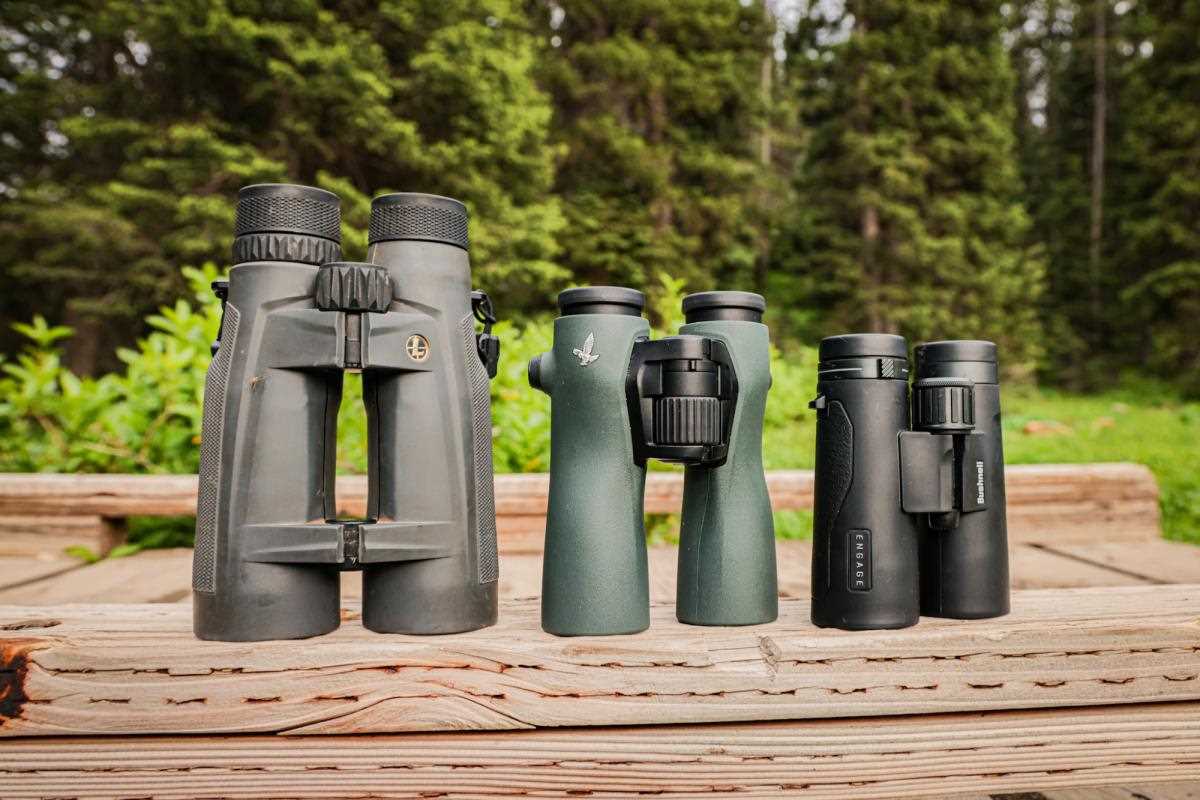
Prism type is another key consideration. Roof prisms are more compact and streamlined, making them popular for all-around use. Porro prisms offer excellent optical performance and generally a wider field of view, but are bulkier. The best choice depends on your priorities—portability versus optical quality. Don't get caught up in chasing the highest numbers; consider how they work together for your hunting style.
Magnification & Objective Lens: Finding Balance
The temptation to reach for the highest magnification is understandable. However, more magnification doesn't automatically mean a better hunting experience. Higher magnification reduces your field of view and amplifies any hand tremor, making it difficult to track moving targets. It also demands more light, which can result in a dimmer image in low-light conditions.
Objective lens diameter is directly related to light-gathering ability. A 42mm objective lens is a good all-around choice, providing a balance between brightness and size. For dawn and dusk hunting, or in dense forests, a 50mm or even 56mm objective lens can be beneficial. But remember, larger lenses add weight and bulk.
For all-around hunting, an 8x42 configuration is a solid starting point. If you frequently hunt in open country, a 10x42 might be preferable. For backpacking or situations where weight is critical, an 8x32 offers a good compromise. The 8x32 is often overlooked, but it's surprisingly capable and can be a game-changer when every ounce counts.
Coatings: The Unsung Hero
Lens coatings are arguably the most important aspect of binocular performance, yet they're often overlooked. Coatings reduce light reflection, increasing light transmission and resulting in a brighter, clearer image. The terms "coated,’ ‘multi-coated,’ and ‘fully multi-coated" describe the extent of the coating application.
"Coated’ means at least one lens surface has a single layer coating. ‘Multi-coated’ indicates multiple layers on some lens surfaces. ‘Fully multi-coated’ signifies multiple layers on all air-to-glass surfaces. This is what you want. Don"t settle for anything less, especially if you hunt in low-light conditions.
Phase correction coatings are essential for roof prism binoculars. They correct for phase shift, a phenomenon that can degrade image sharpness and contrast. Hydrophobic coatings are also valuable; they repel water, dirt, and oils, keeping your lenses clean and clear. Swarovski Optik is known for their exceptional coatings, consistently delivering bright, high-contrast images.
Optical Quality: Glass Types & Aberrations
The type of glass used in a binocular significantly impacts image quality. Standard BK-7 glass is common in more affordable models. Higher-end binoculars utilize ED (Extra-low Dispersion) or HD (High Definition) glass. These glasses minimize chromatic aberration – the color fringing you sometimes see around objects.
Chromatic aberration is just one of several optical aberrations. Distortion causes straight lines to appear curved, while astigmatism results in blurry or unfocused images. Quality optics are designed to minimize these aberrations through precise lens design and manufacturing. Precise alignment and collimation are also critical; even slight misalignment can degrade image quality.
Look for binoculars with minimal distortion and astigmatism, especially at the edges of the field of view. A sharp, clear image across the entire field of view is a sign of high-quality optics. Don't be swayed by marketing hype; look for independent binocular reviews that assess optical performance objectively.
Featured Products

HD Optical System for enhanced clarity and resolution · Durable, non-slip grip for secure handling in the field · Waterproof, fogproof, and shockproof construction for all-weather reliability
The Vortex Diamondback HD offers exceptional value with its robust build and clear optics, making it a reliable choice for any hunting scenario.

Compact and lightweight design for easy portability · High-powered optics suitable for hunting, bird watching, and hiking · Includes essential cleaning accessories for maintenance
Nikon's Monarch M5 provides a balanced combination of performance and portability, ideal for hunters who prioritize a lightweight yet capable optic.

10x magnification and 50mm objective lens for superior light gathering · HD (High Definition) optical system for sharp, clear images · Durable construction designed for rugged outdoor use
The Leupold BX-2 Alpine HD delivers impressive optical performance and rugged durability, a testament to Leupold's commitment to quality optics for hunters.

LotuTec T* HD coated glass for optimal clarity in all weather conditions · Waterproof and compact design for field usability · ZEISS HD optical system ensures superior image quality
ZEISS Conquest HDX binoculars offer unparalleled optical clarity and all-weather performance, representing a premium choice for discerning hunters.

Integrated laser rangefinder for precise distance measurements · SWAROVISION Technology for exceptional color fidelity and field of view · Tracking Assistant and App Support for advanced functionality
The Swarovski OPTIK EL Laser Rangefinder binoculars are the ultimate tool for serious hunters, combining advanced optics with integrated rangefinding and smart features.
As an Amazon Associate I earn from qualifying purchases. Prices may vary.
Durability & Waterproofing: Built to Last
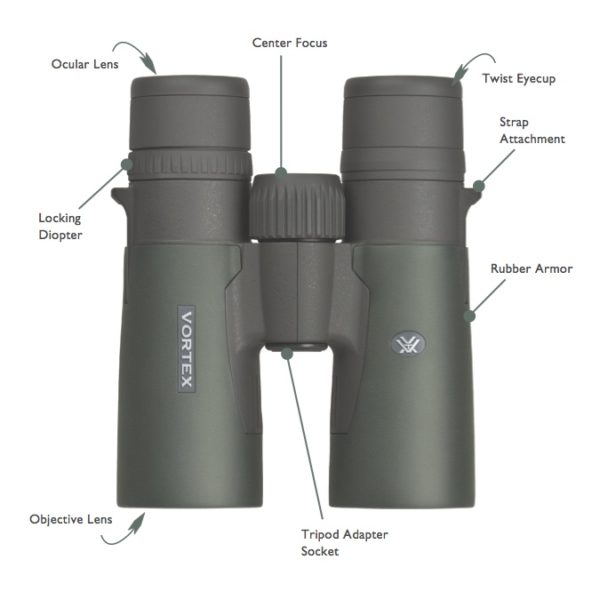
Hunting binoculars take a beating. They're exposed to the elements, dropped, and banged around. Rugged construction is essential. Look for binoculars with a durable chassis, typically made of magnesium alloy or polycarbonate. Rubber armoring provides shock absorption and a secure grip, even with gloves.
Waterproofing is non-negotiable. Binoculars should be waterproof to at least 1 meter for 10 minutes, and preferably more. Fogproofing is equally important. This is achieved by purging the binoculars with nitrogen or argon gas, which eliminates internal condensation. Argon is generally considered superior to nitrogen due to its larger molecular size, providing a tighter seal.
A good warranty is a sign of a manufacturer’s confidence in their product. Pay attention to the terms of the warranty and the manufacturer’s reputation for customer support. A lifetime warranty is ideal, but even a limited warranty can provide peace of mind. Don't underestimate the value of long-term support.
Ergonomics & Focus: Comfort in the Field
Comfort is often overlooked, but it's crucial for long days in the field. Weight and balance are key. Heavier binoculars can cause fatigue, while poorly balanced binoculars can be difficult to hold steady. A well-designed binocular should feel natural and comfortable in your hands.
The focusing mechanism is another important consideration. A center focus wheel is convenient for making quick adjustments, but individual eyepiece focus can be more precise. Eye relief is critical for eyeglass wearers; sufficient eye relief allows you to see the entire field of view without vignetting.
I personally prefer a center focus wheel with a smooth, precise feel. I also appreciate binoculars with a comfortable eyecup design. It's a matter of personal preference, so try to handle different models before making a purchase. Bino AI provides excellent best binoculars comparisons to help narrow your choices.
Rangefinding Binoculars: Worth the Extra Cost?
Integrated rangefinding binoculars combine the functionality of binoculars and a rangefinder into a single unit. This can be a significant advantage for hunters who need accurate distance measurements. They offer convenience and eliminate the need to carry a separate rangefinder.
However, rangefinding binoculars have drawbacks. They're typically heavier and more expensive than traditional binoculars. Battery life is also a concern, and the added complexity can increase the risk of failure. Ranging accuracy varies depending on the target, weather conditions, and the quality of the rangefinder.
Consider whether you truly need the integrated rangefinding capability. If you frequently hunt in situations where accurate distance measurements are critical, a rangefinding binocular might be worth the investment. Otherwise, a dedicated rangefinder might be a better option – often offering superior ranging performance and battery life.
Rangefinding Binoculars vs. Separate Rangefinder & Binoculars: A Comparison
| Cost | Weight | Accuracy | Speed | Convenience |
|---|---|---|---|---|
| Higher | Generally Higher | Comparable | Comparable | High |
| Lower | Generally Lower | Dependent on Quality | Dependent on Quality | Moderate |
| Can vary widely; premium models offer advanced ballistic calculations | Adds bulk, but integrated design can be ergonomic | Accuracy relies on both devices; potential for user error in separate systems | Rangefinding speed is generally fast in both configurations | Integrated units offer one-handed operation; separate systems require managing two devices |
Illustrative comparison based on the article research brief. Verify current pricing, limits, and product details in the official docs before relying on it.
2026 Trends: AI & Beyond
The future of hunting binoculars is likely to involve increased integration of technology. The WIRED article highlights the emergence of AI-powered binoculars, capable of identifying birds and other wildlife. While currently focused on birding, similar technology could eventually be applied to hunting scenarios, perhaps assisting with target identification.
Advancements in lens technology and materials will continue to improve image quality and reduce weight. We may see more widespread use of advanced glass types and coatings. New manufacturing techniques could also lead to more affordable, high-performance binoculars.
I'm not sure about the timeline for widespread adoption of AI in hunting optics, but it’s a trend worth watching. Bino AI will undoubtedly be at the forefront of evaluating and recommending these new technologies as they become available. The focus will remain on delivering clarity, durability, and performance—the features that truly matter to hunters.
No comments yet. Be the first to share your thoughts!