
First Light: Why Binoculars for Astronomy?
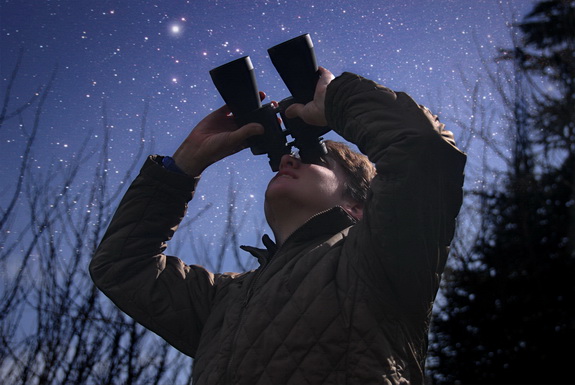
Astronomy offers a sense of wonder at the vastness of the universe. It's an accessible hobby, and you don't need expensive equipment to start. While telescopes offer incredible views, a good pair of astronomy binoculars is a great way to explore the night sky. They're affordable, portable, and easy to use, perfect for beginners.
With binoculars, you can see Jupiter’s four largest moons as distinct points of light, resolve craters on the Moon, and observe star clusters like the Pleiades. You won't see Hubble-like images, but you'll be surprised by the detail you can observe. Spotting these celestial objects with your own eyes is rewarding.
Binoculars designed for astronomy differ from those for daytime use like birding or sporting events. While general-purpose binoculars can be used for stargazing, astronomy binoculars typically have larger objective lenses to gather more light, essential for seeing faint objects. They also often have higher magnification and wider fields of view, optimized for the night sky. A dedicated pair makes a significant difference.
Aperture: The Most Important Number
For astronomy binoculars, aperture – the diameter of the objective lens – is the most important specification. Aperture determines how much light the binoculars gather. More aperture means more light, allowing you to see fainter objects. It's more important than magnification, which often gets more attention but is less impactful.
Think of it like collecting rainwater: a larger bucket (aperture) collects more water (light) than a smaller one. Common aperture sizes for astronomy binoculars range from 50mm to 100mm. 70mm and 80mm are popular choices, balancing light-gathering ability and portability. Larger apertures provide brighter images but also mean bigger, heavier binoculars.
Closely related to aperture is the exit pupil. This is the diameter of the light beam exiting the eyepiece, calculated by dividing the aperture by the magnification. In low-light conditions, your pupils dilate to let in more light. A larger exit pupil allows your eye to receive more of the light gathered by the binoculars, resulting in a brighter image. An exit pupil of at least 4mm is recommended for comfortable viewing in dark skies.
Magnification & Field of View: Finding Balance
Magnification determines how much larger an object appears through the binoculars. While higher magnification might seem desirable, it's not always better. Increasing magnification also reduces the field of view – the amount of sky you can see at once. A narrow field of view makes it difficult to find and track objects, especially for new astronomers.
A wider field of view is often preferable for scanning the sky and locating objects. It provides a more comfortable viewing experience. Binoculars with magnifications between 7x and 10x are generally ideal for astronomy, balancing magnification and field of view. Higher magnifications (15x or 20x) can be useful for detailed observation of the Moon or planets, but they require a stable mount.
Higher magnification binoculars are nearly impossible to hold steady by hand. A tripod or monopod is essential for comfortable, detailed viewing at higher magnifications. Even slight movements cause the image to jump around, making it difficult to focus and appreciate details. A sturdy mount dramatically improves the experience.
Coatings & Glass Types: Seeing Clearly
Lens coatings are essential for maximizing light transmission and reducing glare. Fully multi-coated lenses are the standard, meaning multiple layers of coating have been applied to all lens surfaces. This improves brightness, contrast, and color fidelity. Avoid binoculars with single-layer coatings, as they transmit less light.
The type of glass used in binoculars also affects image quality. BaK-4 (Barium Crown) glass is generally superior to BK-7 (Borosilicate Crown) glass. BaK-4 has a higher refractive index, resulting in brighter, sharper images with less chromatic aberration (color fringing). The difference isn't always dramatic, but it's noticeable, especially when observing bright objects.
Don’t get bogged down in overly technical details about glass types. A good quality, fully multi-coated BaK-4 glass prism binocular provides excellent performance for the price. Focusing on coatings and glass type will yield the biggest improvement in your viewing experience.
Top Astronomy Binoculars of 2026
Choosing the best astronomy binoculars depends on your budget and observing goals. Here are some top contenders in 2026, covering a range of options.
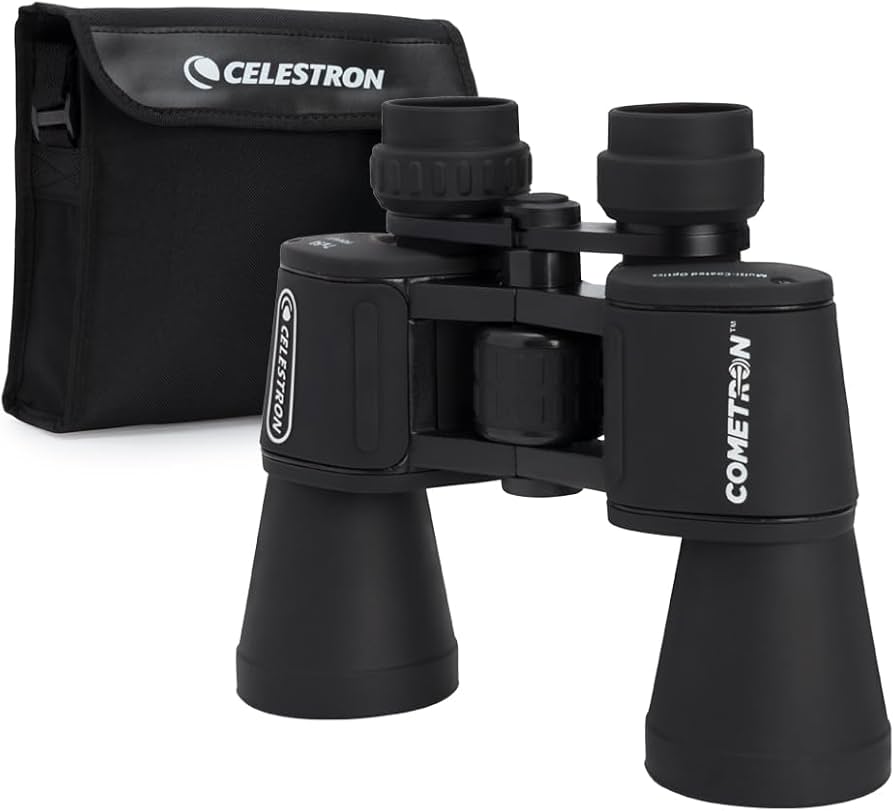
Celestron Skymaster 25x70: A popular choice for beginners, offering a good balance of aperture and magnification at an affordable price. Specs: 25x magnification, 70mm aperture, 3.5mm exit pupil, 4.2 degrees field of view, 3.3 lbs. Pros: Affordable, good light-gathering ability. Cons: Can be heavy, image quality not as sharp as higher-end models. Best for: Beginners, lunar and planetary observation.
Oberwerk Mariner 15x70: Known for its excellent optical quality and wide field of view. Specs: 15x magnification, 70mm aperture, 4.7mm exit pupil, 4.4 degrees field of view, 3.1 lbs. Pros: Sharp images, wide field of view, waterproof. Cons: More expensive than the Celestron Skymaster. Best for: Deep-sky observing, wide-field views.
Nikon Aculon A211 16x50: A lightweight and compact option, ideal for travel. Specs: 16x magnification, 50mm aperture, 3.1mm exit pupil, 3.5 degrees field of view, 1.8 lbs. Pros: Portable, affordable, good image quality for the price. Cons: Smaller aperture, less light-gathering ability. Best for: Travel, casual observing.
Vortex Diamondback HD 10x50: A versatile option that performs well for both daytime and nighttime viewing. Specs: 10x magnification, 50mm aperture, 5mm exit pupil, 6.8 degrees field of view, 2.6 lbs. Pros: Bright, sharp images, wide field of view, waterproof. Cons: More expensive than some other options. Best for: All-around use, terrestrial and astronomical viewing.
Unistellar Envision: A new category of smart binoculars that combine optics with digital technology. Specs: 16x magnification, 50mm aperture, digital zoom up to 64x, integrated star map. Pros: Automated object location, augmented reality features. Cons: Expensive, requires a smartphone connection. Best for: Tech-savvy observers, automated stargazing.
Featured Products

ED glass for enhanced color fidelity · Waterproof and fogproof construction · Oil and water-repellent lens coating
These binoculars offer a great balance of magnification and clarity, making them excellent for detailed celestial observation with their ED glass and durable, weather-sealed design.

Large 70mm objective lenses for superior light gathering · 25x magnification for detailed viewing · Multi-coated optics for improved brightness
With their large aperture and high magnification, these binoculars are perfect for serious stargazers wanting to see fainter objects and more detail in the night sky.

10x magnification for a closer view · 50mm objective lenses for good light gathering · High-power design for detailed observation
These high-power binoculars provide a bright and clear view of the night sky, offering a significant step up for those looking to explore celestial details.

Built-in image stabilization for steady viewing · 14x magnification · 40mm objective lenses
The advanced image stabilization technology in these binoculars allows for incredibly steady, magnified views of the night sky, even at higher magnifications, making them ideal for detailed observation without a tripod.

12x magnification · 50mm objective lenses · PermaFocus technology for instant focus
While designed for sports, their 12x magnification and 50mm objective lenses make them a surprisingly capable option for casual stargazing, offering a bright view without needing constant focus adjustments.
As an Amazon Associate I earn from qualifying purchases. Prices may vary.
Standouts: Binoculars Worth a Closer Look
From the previous list, three binoculars really stand out for their unique value propositions. The Celestron Skymaster 25x70 remains the top pick for budget-conscious beginners. It provides a significant aperture for the price, allowing you to see a surprising amount of detail. While it’s not the sharpest or most comfortable to hold, it’s an excellent way to get your feet wet in astronomy without breaking the bank.
For those willing to spend a bit more, the Oberwerk Mariner 15x70 is a fantastic choice. Its exceptional optical quality and wide field of view make it a joy to use. It’s particularly well-suited for observing larger deep-sky objects like star clusters and nebulae. The waterproof construction is a nice bonus.
The Unistellar Envision is a game-changer for those interested in blending technology with astronomy. Its automated object location and augmented reality features make it incredibly easy to find and learn about celestial objects. While the price is steep, it offers a unique and engaging stargazing experience. It’s a new technology, so expect ongoing software updates and feature additions.
Mounts & Accessories: Enhancing Your View
Using a tripod or monopod is highly recommended, especially with larger binoculars. It provides a stable platform, eliminating shake and allowing you to enjoy sharper, more comfortable viewing. A sturdy tripod is a worthwhile investment. You can find suitable options on Amazon for around $50-$150.
Other useful accessories include a neck strap for comfortable carrying, a lens cleaning kit to keep your lenses spotless, and astronomy apps like SkyView or Star Walk to help you identify objects in the night sky. A red-light flashlight is also helpful for preserving your night vision when consulting star charts or adjusting your binoculars.
Here are a few recommended accessories:
- Tripod: Amazon Basics 60-Inch Lightweight Tripod ($40)
- Lens Cleaning Kit: ZEISS Lens Cleaning Kit ($20)
- Red Light Flashlight: Vansky Red Light Flashlight ($15)
Essential Astronomy Binocular Accessories for Stargazing Success

Allows you to mount binoculars to a tripod · Provides a stable viewing platform · Compatible with most Vortex Optics binoculars
This adapter is essential for attaching your binoculars to a tripod, offering a steady view for detailed celestial observation.

Universal design fits most binoculars · Attaches to any standard tripod · Reduces hand shake for clearer views
A budget-friendly way to stabilize your binoculars, this mount ensures steady views of distant objects without the fatigue of holding them.

Includes cleaning fluid and microfiber cloths · Safely removes dust and smudges · Specially formulated for optical lenses
Keep your lenses pristine for the clearest possible views of the night sky with this high-quality cleaning kit from ZEISS.

Distributes weight evenly across shoulders · Quick-release system for easy access · Comfortable for extended wear
This comfortable harness takes the strain off your neck and shoulders, allowing you to stargaze for longer periods without discomfort.

1600 lumens of brightness · USB-C rechargeable · Waterproof and durable design
This powerful and versatile lantern provides ample light for setting up your gear or navigating in the dark, with a red light option to preserve night vision.
As an Amazon Associate I earn from qualifying purchases. Prices may vary.
Beyond Binoculars: When to Upgrade
Binoculars are a fantastic starting point for astronomy, but there will come a time when you might consider upgrading to a telescope. Telescopes offer higher magnification and larger apertures, allowing you to see even more detail. They're particularly well-suited for observing planets, galaxies, and nebulae.
However, telescopes also have drawbacks. They can be bulky, expensive, and require more setup and maintenance than binoculars. They also have a narrower field of view, making it more difficult to locate objects. The Unistellar Envision smart binoculars attempt to bridge the gap with digital enhancement and automated object location.
Ultimately, the best choice depends on your individual needs and preferences. If you're looking for portability, ease of use, and a wide field of view, binoculars are an excellent option. If you're serious about deep-sky observing and want to see the most detail possible, a telescope might be a better investment.
No comments yet. Be the first to share your thoughts!