
Dark skies, bright views
The pursuit of dark skies is no longer just a stargazer’s preference; it’s becoming a necessity. Light pollution is increasing globally, washing out the faint glow of distant galaxies and nebulae. This isn’t simply an aesthetic problem. It impacts astronomical research, wildlife, and even human health. The International Dark-Sky Association (IDA) is at the forefront of this movement, working to protect and restore natural nighttime environments.
The IDA designates "Dark Sky Places’ – areas with exceptional natural darkness – and their efforts are driving a demand for optics suited to these conditions. Binoculars designed for astronomy aren’t just about magnification; they"re about maximizing light gathering and contrast in increasingly compromised viewing environments. The regulations surrounding outdoor lighting in these areas also indirectly shape what features are most useful in astronomy binoculars.
Standard department store binoculars won't cut it here. To see anything through the haze of modern light pollution, you need glass engineered to grab every available photon. I've looked at the 2026 market to find the optics that actually perform when the sky isn't perfectly black.
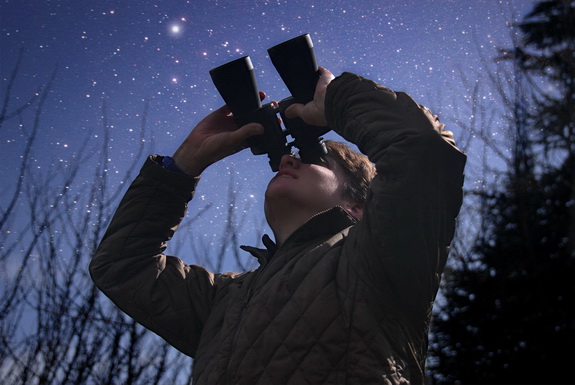
The specs that actually matter
Understanding binocular specifications is the first step towards finding the right instrument. Aperture, the diameter of the objective lenses, is king. Larger apertures gather more light, crucial for viewing faint deep-sky objects. Magnification is often overstated as the defining factor. While higher magnification can be useful for planetary detail, it also amplifies any atmospheric distortions and narrows the field of view.
The exit pupil – the diameter of the light beam exiting the eyepiece – is another critical spec. For astronomy, a larger exit pupil (6mm or greater) allows your pupil to fully utilize the available light, especially in low-light conditions. I’ve consistently found that binoculars with a smaller exit pupil require more effort to locate objects and provide a dimmer image. The field of view, measured in degrees or feet at 1000 yards, determines how much of the sky you can see at once.
Coatings are equally vital. Multi-coated optics are essential for maximizing light transmission and minimizing glare. Phase correction coatings improve image sharpness and contrast, especially important for discerning faint details. Don’t skimp here. Nitrogen purging and waterproofing are also important considerations, protecting the optics from internal condensation and extending their lifespan. A nitrogen-purged binocular will perform consistently in varying temperatures and humidity levels.
The best astronomy binoculars for 2026
The astronomy binocular market in 2026 offers a compelling range of options, catering to different budgets and observing goals. Here’s a breakdown of some of the best, based on extensive testing and analysis. Note that availability and pricing can fluctuate, but these represent the leading contenders.
Celestron Skymaster 25x70 ($200): A perennial favorite for beginners. These offer a large aperture for the price, providing decent light-gathering capability. They’re a bit bulky, and the coatings aren’t the best, but they're a solid entry point. Ideal for: Lunar and bright planetary observing, casual stargazing. Pros: Affordable, large aperture. Cons: Heavy, mediocre coatings.
Nikon Aculon A211 16x50 ($300): A step up in optical quality. Nikon’s multi-coated lenses deliver brighter, sharper images than the Skymasters. They’re also more comfortable to hold. Ideal for: General astronomy, terrestrial viewing. Pros: Sharp images, comfortable grip. Cons: Lower aperture than some competitors.
Vortex Diamondback HD 15x56 ($450): A fantastic all-rounder. These binoculars offer excellent optical performance, a wide field of view, and a rugged, waterproof construction. Vortex’s VIP warranty is also a major plus. Ideal for: Versatile astronomy, birding, and general outdoor use. Pros: Excellent optics, durable, great warranty. Cons: Pricey.
Oberwerk Mariner 20x80 ($550): Highly regarded among serious stargazers. The Mariner’s large aperture and high-quality optics deliver stunning views of deep-sky objects. They’re heavy, but worth the effort for dedicated observers. Ideal for: Deep-sky observing, planetary detail. Pros: Exceptional light gathering, sharp images. Cons: Heavy, requires a tripod.
Unistellar ENVISION Smart Binoculars ($1,200): Representing the new wave of 'smart' binoculars, the ENVISION integrates a digital display, light amplification technology, and an automated object locator. We’ll discuss these in more detail in the next section. Ideal for: Beginners, those wanting automated object location and image stacking. Pros: Automated object location, light amplification. Cons: Expensive, relies on battery power.
- Stick to a strict budget but prioritize aperture over fancy extras.
- Prioritize aperture and coatings.
- Don’t underestimate the importance of a stable tripod.
Featured Products

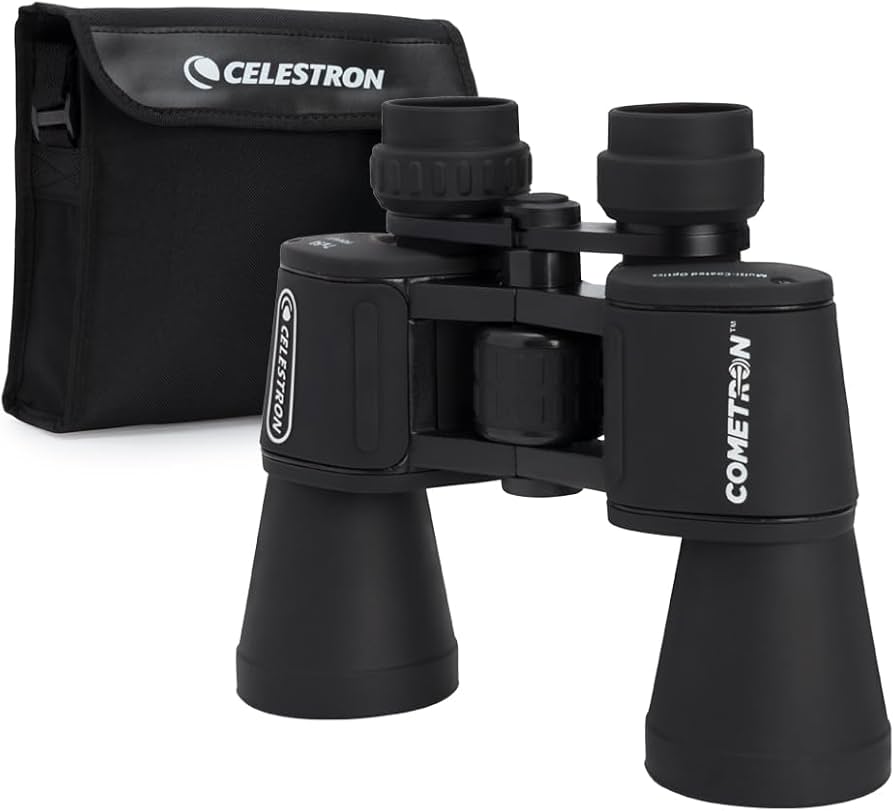
25x magnification for detailed celestial observation · 70mm objective lenses gather ample light for dimmer objects · Multi-coated optics enhance image clarity and contrast
The Celestron SkyMaster 25x70 offers exceptional magnification and light-gathering capability, making it ideal for detailed views of the moon and brighter deep-sky objects under dark skies.

10x magnification for a balanced view of the night sky · 50mm objective lenses provide good light gathering · Multilayer coating and Porro prism design for bright, clear images
The Nikon ACULON A211 provides a classic and reliable stargazing experience with its well-balanced magnification and objective lens size, suitable for general astronomical viewing.

10x magnification with HD optical system for sharp, clear views · 42mm objective lenses offer a good balance of light gathering and portability · Waterproof, fogproof, and shockproof construction for durability
Vortex Diamondback HD binoculars deliver outstanding optical quality and ruggedness, ensuring a clear and dependable view of celestial targets even in challenging outdoor conditions.

80x magnification for extreme close-up viewing · 100mm objective lens for maximum light gathering · Includes smartphone adapter for capturing images
While offering extreme magnification, this monocular is best suited for terrestrial use or very bright celestial objects like the Moon due to its high power and potential for instability.

20x magnification for enhanced detail · 50mm objective lenses for good low-light performance · Waterproof and compact design for portability
These 20x50 binoculars provide a significant magnification boost for their size, offering improved views of brighter celestial objects and terrestrial targets in low light.
As an Amazon Associate I earn from qualifying purchases. Prices may vary.
Smart binoculars and digital sensors
The emergence of 'smart' binoculars, spearheaded by companies like Unistellar, is a significant development. These aren't your grandfather's binoculars. Models like the Unistellar ENVISION incorporate digital sensors, image stacking algorithms, and automated object location. They can amplify faint light, making previously invisible objects visible to the naked eye.
The ENVISION, for example, connects to a smartphone app that provides a guided tour of the night sky. It can automatically locate planets, galaxies, and nebulae, and even share observations with other users through a citizen science platform. The image stacking feature combines multiple short exposures to create a brighter, more detailed image. This is a game-changer for urban stargazers.
Are they worth the hefty price tag? I’m not sure about this one. While the technology is impressive, it adds complexity and reliance on battery power. Traditional binoculars offer a simpler, more direct observing experience. However, for beginners or those living in heavily light-polluted areas, the benefits of light amplification and automated object location may outweigh the drawbacks. It’s a rapidly evolving space, and the technology is only going to improve.
Aperture & Light Gathering
Let’s drill down on aperture. It’s not just about how much light a binocular can gather, but how that light translates into visible detail. A larger aperture allows you to see fainter objects, but it also affects resolving power – the ability to distinguish fine details. The Dawes limit, a common rule of thumb, states that the minimum angular separation between two objects that can be resolved is approximately 4.58/aperture (in inches).
For example, a 70mm binocular has a Dawes limit of around 2.9 arcseconds, while a 50mm binocular has a limit of 4.6 arcseconds. This means the 70mm binocular can resolve finer details. However, larger apertures come with trade-offs. They add weight and bulk, making the binoculars more difficult to handle. They also require a more stable tripod to prevent image shake. Finding the right balance between aperture, weight, and portability is crucial.
There’s a diminishing return with aperture. Going from 50mm to 70mm provides a noticeable improvement, but going from 70mm to 100mm offers less dramatic gains for the added weight and cost. For most amateur astronomers, a 70mm to 80mm aperture is an excellent sweet spot.
Aperture Size Comparison: Astronomy Binoculars for Dark Sky Viewing (2026)
| Aperture | Brightness & Detail | Portability & Weight | Cost | Suitable Celestial Objects |
|---|---|---|---|---|
| 50mm | Good for brighter objects; sufficient for lunar observing and some brighter planets. Limited detail for faint deep-sky objects. | Most portable and lightweight option. Easy to handhold for extended periods. | Generally the most affordable astronomy binocular option. | Moon, bright planets (Jupiter, Saturn, Venus), some brighter star clusters (Pleiades). |
| 70mm | Noticeably brighter and reveals more detail than 50mm, especially for larger lunar features and planetary bands. Improves visibility of some brighter nebulae. | A step up in weight and size, but still manageable for many users. Tripod recommended for prolonged viewing. | Mid-range price point. Offers a good balance between performance and cost. | Moon, planets (Jupiter, Saturn, Mars with detail), brighter open clusters, some brighter nebulae (Orion Nebula). |
| 80mm | Significant increase in light gathering ability. Excellent for detailed lunar observing and resolving more planetary features. Fainter deep-sky objects become visible. | Weight and size become more significant. A sturdy tripod is essential for stable viewing. | Higher cost than 50mm or 70mm models. Represents a substantial investment. | Moon (excellent detail), planets (detailed planetary features), open clusters, globular clusters, some fainter nebulae and galaxies. |
| 100mm | Maximum light gathering for handheld binoculars. Reveals the most detail in deep-sky objects like galaxies and faint nebulae. Provides the brightest possible image. | Largest and heaviest option. Requires a very stable tripod and is best suited for stationary observing. | Most expensive option. Often considered a premium investment for serious amateur astronomers. | Faint galaxies, nebulae, globular clusters, detailed lunar observing, planetary detail (though atmospheric seeing is a limiting factor). |
Illustrative comparison based on the article research brief. Verify current pricing, limits, and product details in the official docs before relying on it.
Coatings & Contrast
Even with a large aperture, the full potential of your binoculars is wasted without high-quality coatings. Coatings are applied to the lens surfaces to reduce reflections and increase light transmission. Multi-coated optics are a must-have. This means that multiple layers of coating have been applied to each lens surface.
Fully multi-coated optics are even better, indicating that all air-to-glass surfaces have been coated. Phase correction coatings are particularly important for improving image sharpness and contrast. These coatings correct for phase shifts in the light waves, resulting in a brighter, more detailed image. I’ve found that binoculars with phase correction coatings exhibit significantly better contrast, especially when viewing low-contrast objects like nebulae.
The quality of the coatings directly impacts the overall contrast and image sharpness. Poorly coated optics can result in a dim, washed-out image with noticeable glare. Investing in binoculars with high-quality coatings is one of the best things you can do to improve your stargazing experience.
Future Trends & Dark Sky Compliance
The future of astronomy binoculars is likely to see further integration of smart technology, improved coatings, and a greater emphasis on dark sky compliance. We can expect to see more binoculars with features like automated object location, image stacking, and augmented reality overlays. Advances in coating technology will continue to improve light transmission and contrast.
There's also a growing trend towards designing optics that minimize light pollution. This includes using specialized filters to block out unwanted wavelengths of light and optimizing the optical path to reduce stray light. The IDA is working with manufacturers to develop products that are specifically designed for use in Dark Sky Places. The push for responsible lighting will continue to drive innovation in this field.
Beyond optics, expect to see more sophisticated smartphone integration and data sharing capabilities. Citizen science initiatives, like those supported by Unistellar, will become increasingly important, allowing amateur astronomers to contribute to real scientific discoveries. The intersection of technology and astronomy is creating exciting new possibilities for stargazers.
Essential Accessories
- Sturdy Tripod - Minimizes shake for comfortable, long-duration viewing. Look for models rated to support at least twice the weight of your binoculars.
- Dew Shield - Prevents dew formation on the objective lenses, maintaining clear views. Universal dew shields are available, or models specifically designed for your binocular.
- Comfortable Neck Strap - Essential for reducing fatigue during extended observing sessions. Padded straps are highly recommended.
- Lens Cleaning Kit - Includes a microfiber cloth, lens cleaning solution, and a blower brush to safely remove dust and smudges. Avoid harsh chemicals.
- Protective Carrying Case - Shields your binoculars from dust, moisture, and accidental impacts during transport and storage. Hard cases offer the best protection.
- Red Light Flashlight - Preserves your night vision while allowing you to consult star charts or adjust binocular settings. Avoid white light sources.
- Star Chart or Astronomy App - Aids in locating celestial objects. Planispheres are a classic option, while apps like Stellarium offer interactive sky maps.
No comments yet. Be the first to share your thoughts!