
Seeing Clearly: Binocular Tech in 2026
Binocular technology is changing quickly. It feels like just yesterday that a stable image and decent magnification were the hallmarks of a good pair. Now, we're seeing real integration of artificial intelligence, and it’s reshaping how we use binoculars for everything from casual birdwatching to serious astronomical observation.
This isn’t just about better glass or coatings, though those improvements continue. The addition of AI opens up possibilities like automatic object recognition, distance measurement, and even image stabilization. This impacts birders who want help identifying species, hunters needing quick range data, and astronomers seeking clearer views of the night sky. Even for general outdoor enthusiasts, AI can enhance the experience.
The pace of innovation is remarkable. Just a few years ago, the idea of binoculars identifying birds for you felt like science fiction. Now, as reported in Wired, we’re seeing commercially available models that do exactly that. This article will explore the best binoculars available in 2026, with a focus on how AI is influencing the market and what you should look for when making a purchase.
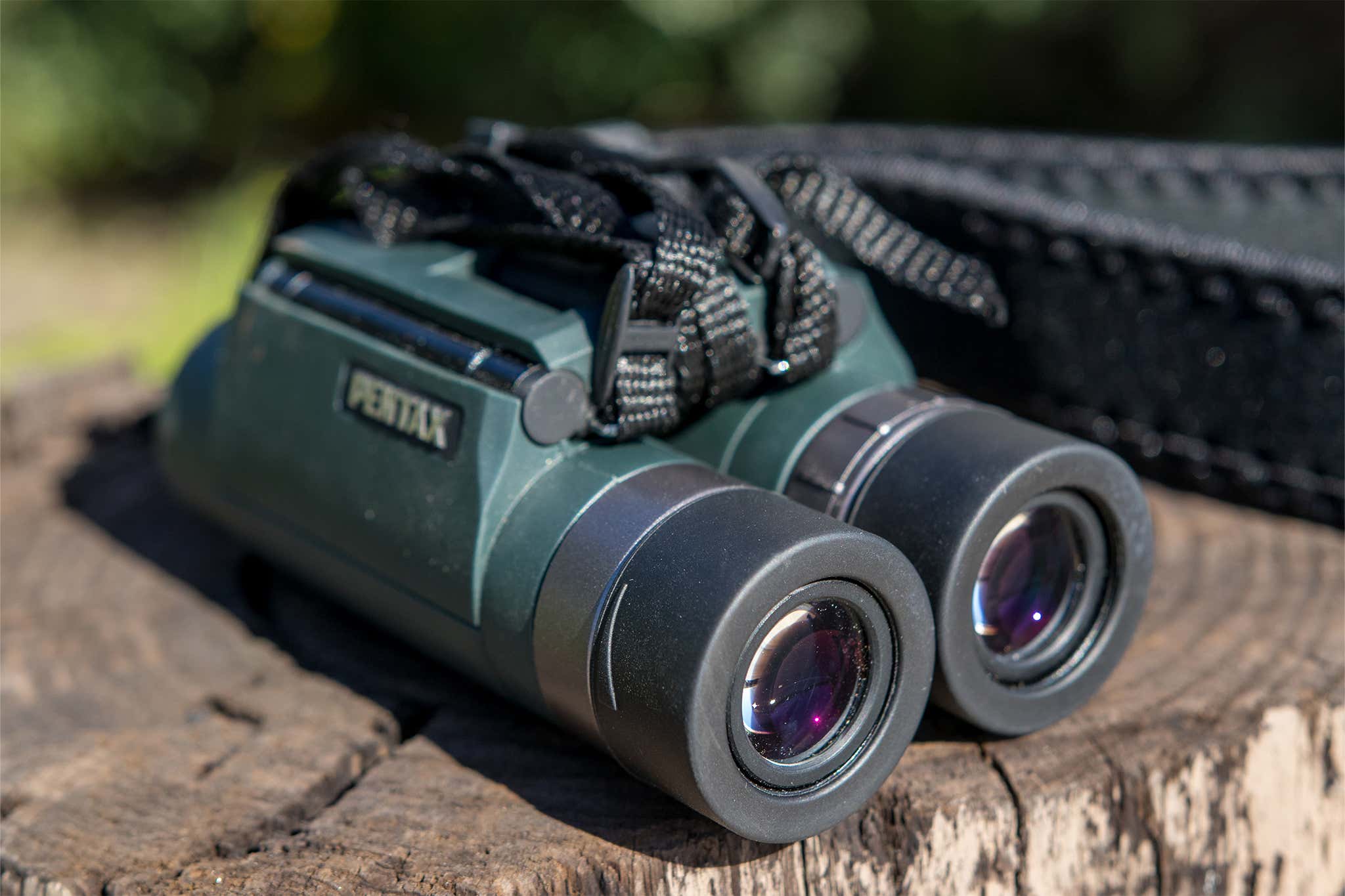
The Top 15 Binoculars of 2026
Choosing the 'best' binoculars depends heavily on your needs and budget. This list represents a wide spectrum, from affordable entry-level models to high-end optics packed with features. We've considered performance, value, and innovative technology to bring you this roundup of 15 top contenders.
It’s worth noting that prices can fluctuate, and availability may vary. I’ve included approximate pricing as of late 2026, but always check with retailers for the most up-to-date information.
- Nikon Monarch M5 8x42: ($399) A great all-around option, known for its sharp images and comfortable eye relief. Best for general birding and wildlife viewing.
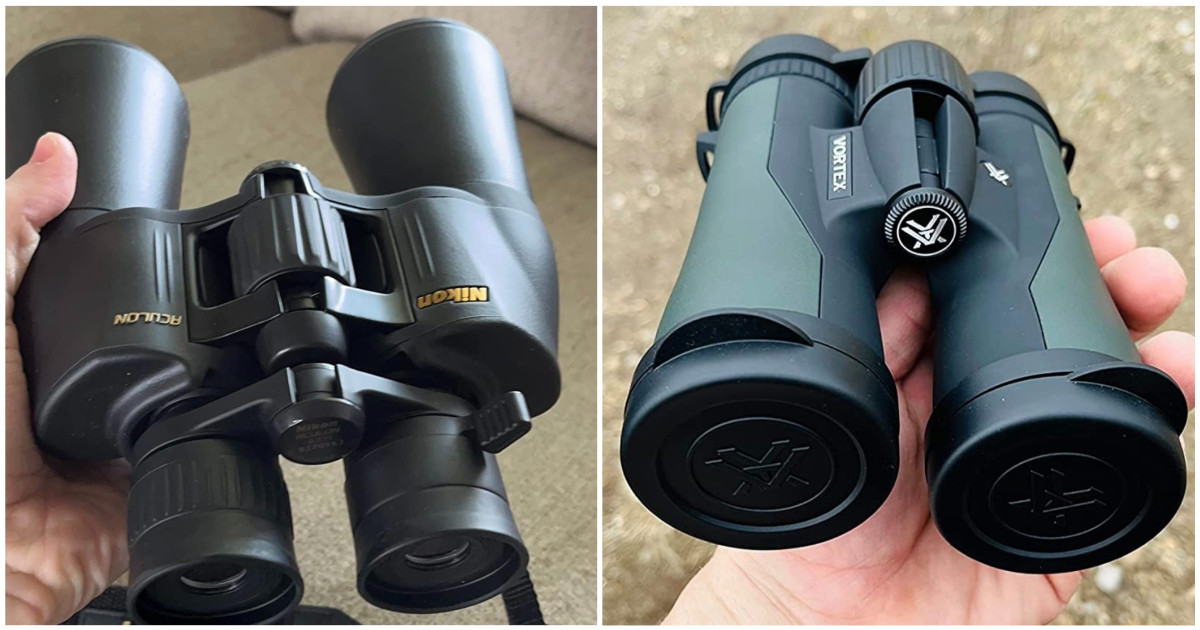
- Vortex Diamondback HD 10x42: ($279) Excellent value for the price, offering impressive clarity and durability. Best for budget-conscious buyers.
- Swarovski AX Visio 8x42: ($1699+) The AI-powered binoculars gaining attention – identifies birds in real-time (as seen on YouTube, though access was restricted at the time of review). Best for tech enthusiasts and bird identification.
- Zeiss Conquest HD 10x42: ($1199) Renowned for exceptional color fidelity and brightness. Best for discerning optics users.
- Leupold BX-2 Alpine HD 10x42: ($249) A lightweight and compact option, ideal for hiking and backpacking. Best for portability.
- Celestron TrailSeeker ED 10x42: ($349) Offers excellent edge-to-edge sharpness and good value. Best for astronomy on a budget.
- Bushnell Engage DX 12x50: ($179) Powerful magnification for long-distance viewing, but can be a bit heavy. Best for long-range observation.
- Olympus 8x40 DPS I: ($199) A waterproof and fogproof option, ideal for challenging conditions. Best for all-weather use.
- Maven C.1 8x42: ($1499) Hand-assembled and known for exceptional optical quality. Best for serious birders and wildlife observers.
- Sig Sauer Tango 6 10x42: ($599) Rugged and durable, with a focus on tactical applications. Best for hunting and outdoor professionals.
- Canon 10x30 IS II: ($649) Image-stabilized binoculars, providing a steady view even with shaky hands. Best for those needing image stabilization.
- Sony Digital Binoculars with Camera (DSC-HX80/B): ($499) As noted by Digital Camera World, these binoculars incorporate a camera for capturing photos and videos. Best for documenting observations.
- Steiner Predator 10x56: ($399) Designed for low-light conditions, ideal for dawn and dusk viewing. Best for low-light performance.
- Athlon Argos UHD 10x42: ($299) A surprisingly capable binocular for the price, offering good brightness and clarity. Best for value-conscious buyers.
- Highpoint 10x50 Mariner: ($129) An extremely affordable option, suitable for casual use. Best for beginners or occasional use.
Featured Products

ED glass for enhanced clarity and color · Waterproof, fogproof, and oil/water repellent coating · Wide field of view for easy subject tracking
The Nikon MONARCH M7 offers exceptional optical quality with ED glass and a wide field of view, making it a top choice for serious nature observers.

HD optical system for bright, clear images · Durable, waterproof, fogproof, and shockproof construction · Includes GlassPak for protection and portability
Vortex Diamondback HD binoculars provide outstanding value with their robust build and clear optics, backed by an unconditional warranty.

42mm objective lenses for ample light gathering · Wide 7.4° field of view, perfect for birding · Fully multi-coated optics and BaK-4 prisms for sharp views
Celestron Nature DX binoculars are an excellent, budget-friendly option for birdwatchers and outdoor enthusiasts, delivering clear and bright images.

IPX7 waterproof rating for reliable use in wet conditions · Lightweight design for comfortable carrying · Suitable for hunting, travel, and camping
The Bushnell Engage X offers a great balance of portability and durability, making it a versatile companion for various outdoor adventures.
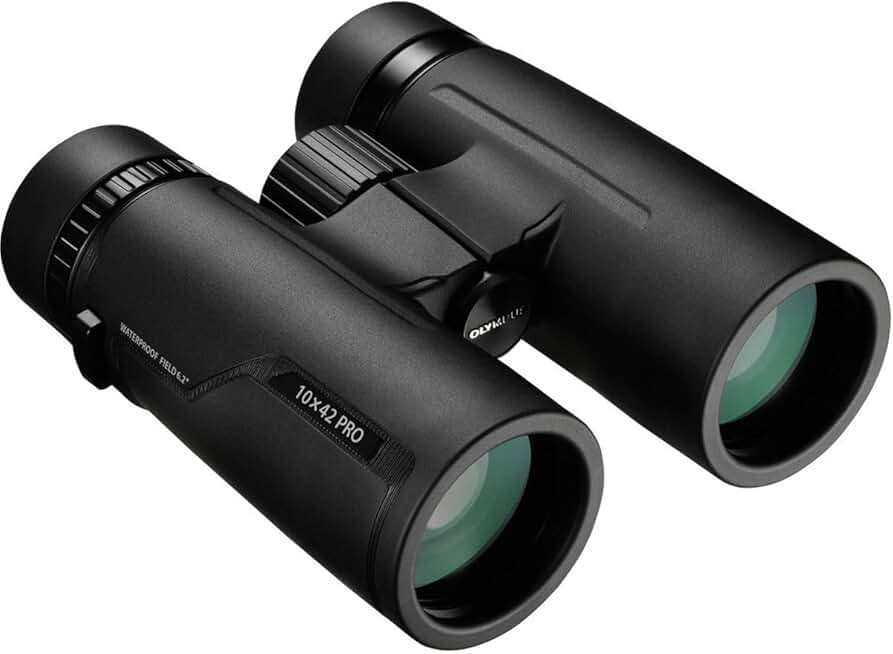
PRO-level optical performance for demanding users · Robust and reliable construction for any environment · Exceptional clarity and brightness
For those who demand the best, the OM SYSTEM Olympus 10x42 PRO binoculars deliver unparalleled optical performance and ruggedness.
As an Amazon Associate I earn from qualifying purchases. Prices may vary.
Decoding Binocular Specs: What Matters Most?
Understanding binocular specifications can feel overwhelming, but it doesn’t have to be. Let’s break down the key terms and explain why they matter. The first numbers you'll see, like '8x42,' tell you about magnification and objective lens size.
Magnification is how much closer the image appears. 8x means the image looks eight times closer than with the naked eye. Higher magnification isn't always better; it can make the image dimmer and harder to hold steady. Objective lens diameter (the second number, like 42mm) determines how much light the binoculars gather. A larger objective lens results in a brighter image, especially in low-light conditions.
Field of view is the width of the area you can see at a given distance, usually expressed in feet at 1000 yards or degrees. A wider field of view makes it easier to track moving objects. Eye relief is the distance between your eye and the eyepiece. This is crucial for glasses wearers; insufficient eye relief can result in a dark or blurry image. I’ve personally found that at least 14-15mm of eye relief is necessary for comfortable viewing with glasses.
Prism type (Porro or Roof) affects the size and shape of the binoculars. Roof prisms are more compact, while Porro prisms generally offer a wider field of view. Coatings on the lenses reduce glare and improve light transmission. Look for binoculars with multi-coated lenses for the best performance. Finally, waterproofing and fogproofing are essential for outdoor use, protecting the binoculars from the elements.
Porro vs. Roof Prism Binoculars: A Comparison
| Feature | Porro Prism | Roof Prism | Typical Use Cases |
|---|---|---|---|
| Image Quality | Generally Superior contrast and depth perception, especially at lower magnifications. | Excellent, with modern coatings minimizing differences. Can excel at higher magnifications. | Birding, nature observation, astronomy (Porro); Hunting, sports viewing, general outdoor use (Roof). |
| Size & Weight | Bulkier and heavier due to wider prism design. | More compact and lightweight, easier to carry for extended periods. | Backpacking, travel, situations where weight is critical (Roof); Stationary observation, relaxed viewing (Porro). |
| Durability | Robust design; can withstand more impact due to construction. | Generally durable, but more complex internal components can be sensitive to misalignment. | Rough handling, demanding environments (Porro); General outdoor use (Roof). |
| Cost | More Affordable, particularly for equivalent optical quality. | Typically Higher, due to more complex manufacturing process and tighter tolerances. | Budget-conscious buyers, beginners (Porro); Users prioritizing compactness and advanced features (Roof). |
| Brightness & Field of View | Wider field of view generally available. | Field of view can be slightly narrower, though improvements are constant. | Scanning large areas, observing moving subjects (Porro); Focused viewing, long-distance observation (Roof). |
| Ergonomics | Can be less comfortable for extended use due to bulk. | Generally more ergonomic and easier to hold. | Comfort during long observation sessions (Roof); Stable viewing with a tripod (Porro). |
Qualitative comparison based on the article research brief. Confirm current product details in the official docs before making implementation choices.
AI Binoculars: Beyond Magnification
The integration of artificial intelligence is the most significant development in binocular technology in recent years. AI-powered binoculars, like the Swarovski AX Visio, go beyond simply magnifying the image. They can actively analyze what you’re looking at.
Object recognition is a key feature. These binoculars can identify birds, animals, and other objects in real-time, providing information about the species or subject. Distance measurement is another valuable capability, allowing you to quickly determine the range to your target. Image stabilization, often powered by AI algorithms, can compensate for shaky hands, resulting in a steadier view.
The benefits are clear: increased efficiency, enhanced learning, and a more immersive experience. However, there are also drawbacks. AI processing consumes battery power, potentially reducing runtime. I'm not sure about the long-term battery life implications of constant AI processing, and it's something to consider if you'll be using the binoculars for extended periods in the field. The accuracy of object recognition can also vary depending on lighting conditions and the quality of the AI algorithms.
Budget Breakdown: Binoculars for Every Wallet
Binoculars are available at a wide range of price points, making it accessible to almost anyone. However, you generally get what you pay for. Here’s a breakdown of what to expect at different budget levels.
Under $200: At this price point, you’ll find basic binoculars suitable for casual use. Expect lower magnification, smaller objective lenses, and less durable construction. They’re fine for beginners or occasional use, but don’t expect exceptional performance.
$200-$500: This is a sweet spot for value. You can find binoculars with good optics, decent magnification, and waterproof construction. This range offers a good balance of features and affordability.
$500-$1000: Here, you’ll find high-quality binoculars with excellent clarity, brightness, and durability. Expect features like extra-low dispersion (ED) glass and advanced coatings. These binoculars are ideal for serious birders, hunters, and outdoor enthusiasts.
Over $1000: This is the realm of premium optics. These binoculars offer the best possible performance, with exceptional clarity, brightness, and build quality. They often feature innovative technologies like AI-powered object recognition and image stabilization.
Choosing for Your Passion: Birding, Hunting, Astronomy
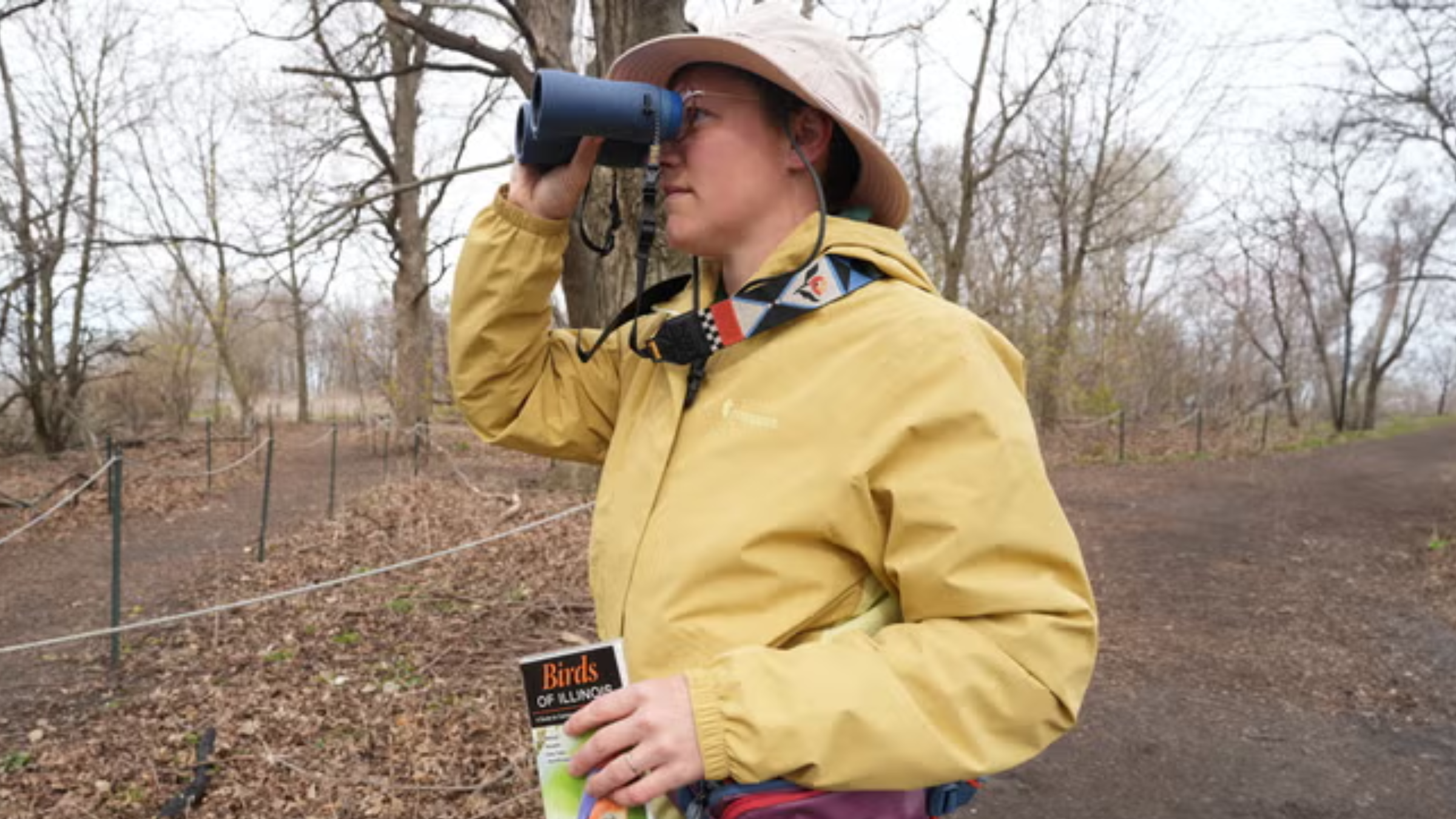
The best binoculars for you depend on your primary activity. Different pursuits demand different features. For birding, a close focus distance is critical, allowing you to observe birds up close. Bright images and good color fidelity are also important for identifying species.
Hunters often prioritize rangefinding capabilities, durability, and a rugged construction. Waterproofing and fogproofing are essential for use in challenging conditions. A wider field of view can be helpful for tracking moving game. For astronomy, a large objective lens is crucial for gathering enough light to see faint objects. Stable mounting is also important to minimize shake. I think a wider field of view is often overlooked by astronomy enthusiasts, as it allows you to see more of the night sky at once.
Consider the weight and size of the binoculars as well. If you’ll be carrying them for long periods, you’ll want a lightweight and compact model. Think about the specific challenges and opportunities presented by your chosen activity and choose binoculars accordingly.
Standout Models: Worth a Closer Look
From the list of 15, a few models really stand out for their exceptional performance or innovative features. The Swarovski AX Visio is a game-changer, integrating AI to identify birds in real-time. While expensive, it’s a remarkable piece of technology.
The Zeiss Conquest HD 10x42 consistently receives rave reviews for its exceptional optical quality and color fidelity. If you're a serious optics user who appreciates detail, this is an excellent choice. Finally, the Vortex Diamondback HD 10x42 offers incredible value for the price. It’s a durable, waterproof, and optically sound binocular that won’t break the bank.

Nikon MONARCH M7 10x42 Binocular |Waterproof, fogproof, rubber-armored Full-Size Binocular with ED glass & wide field of view, oil & water repellent coating & locking diopter |Official Nikon USA Model
- ED (Extra-Low Dispersion) Glass for superior clarity and color accuracy
- Waterproof and fogproof construction for all-weather reliability
- Wide field of view for effortless subject tracking
- Oil and water-repellent coating on lenses for clear viewing in any condition
- Locking diopter for precise focus adjustment
The Nikon MONARCH M7 10x42 binoculars are a fantastic all-around choice, offering exceptional optical quality and rugged durability that make them perfect for birdwatching, hiking, or any outdoor adventure.
View on Amazon →As an Amazon Associate I earn from qualifying purchases.
Binocular Care & Maintenance
Proper care and maintenance are essential for keeping your binoculars in top condition and extending their lifespan. Regularly clean the lenses with a microfiber cloth and lens cleaning solution. Avoid using harsh chemicals or abrasive materials.
Store your binoculars in a dry, safe place, preferably in a protective case. Protect them from extreme temperatures and humidity. Check the warranty information for specific care instructions and coverage details. Most manufacturers offer limited warranties against defects in materials and workmanship. Regular cleaning and proper storage will ensure your binoculars continue to provide years of enjoyment.
No comments yet. Be the first to share your thoughts!