
Size and weight differences
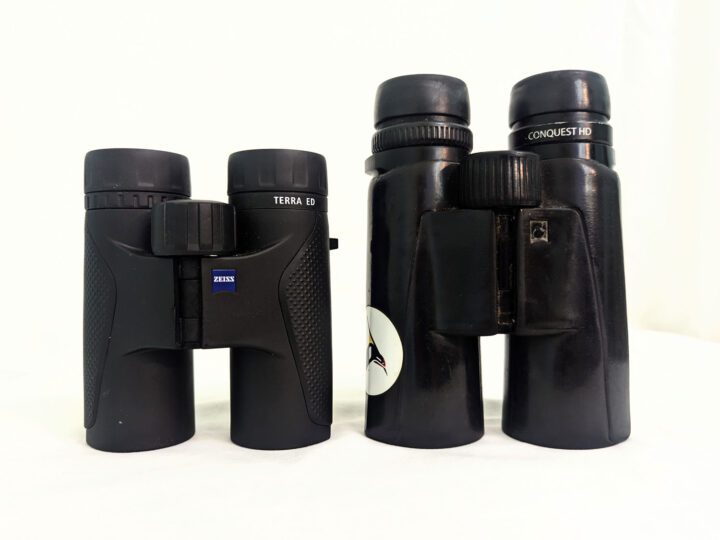
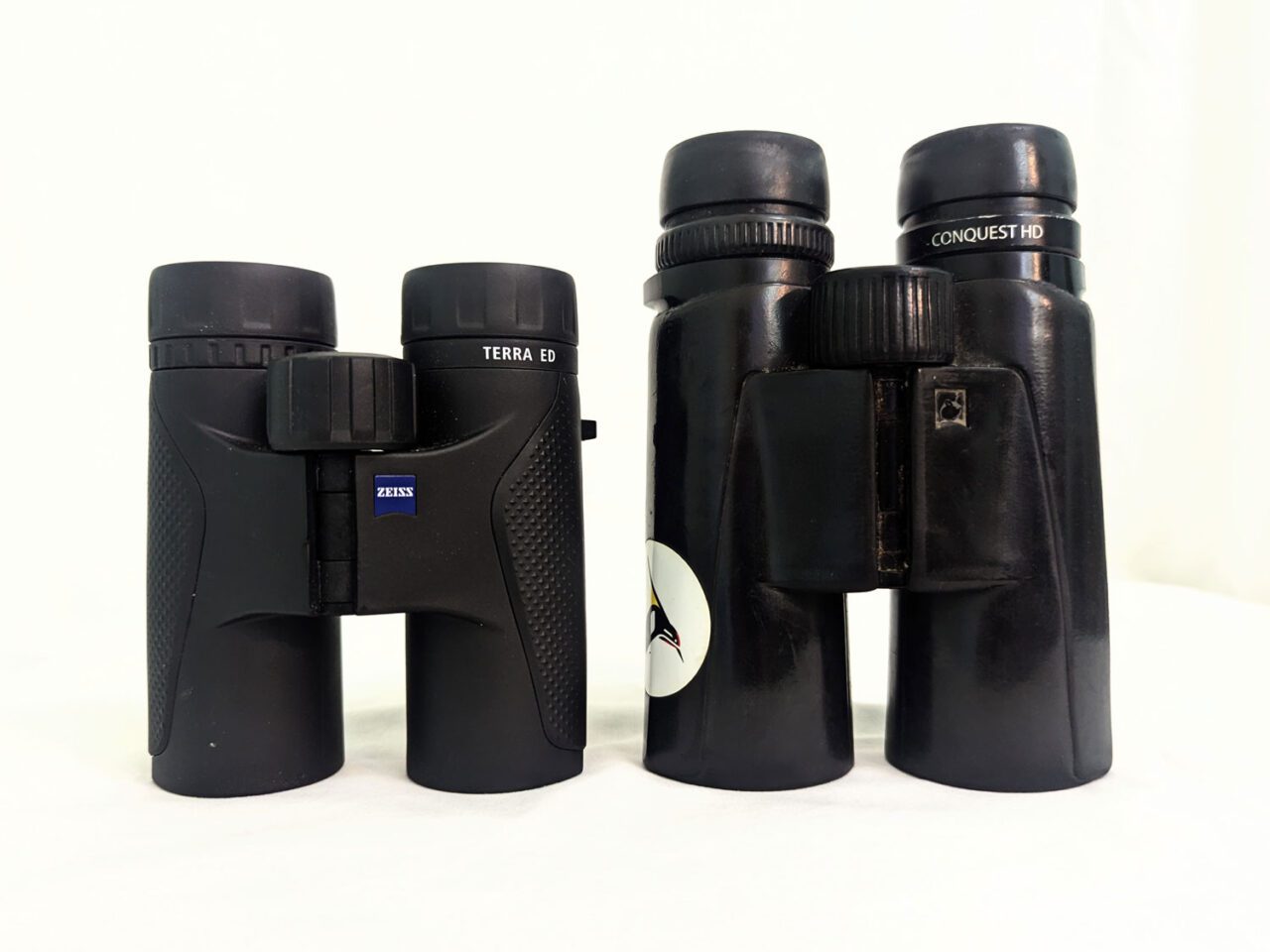
The most obvious difference between compact and full-size binoculars is, well, their size. Full-size binoculars generally have objective lenses of 42mm or 50mm, leading to a bulkier build. They typically weigh between 24 and 36 ounces. Compact binoculars, on the other hand, usually feature objective lenses of 30mm or smaller, reducing both size and weight. You can often find models under 20 ounces, and some even dip below 12.
This difference has huge practical implications. I remember a backpacking trip through the Adirondacks where I initially brought my full-size 10x42s. After a few miles, my neck was screaming! Switching to a pair of compact 8x32s was a game-changer. They were so much more comfortable to carry for extended periods. But that comfort comes with trade-offs, which we’ll get to.
Compacts slip into a daypack or a large jacket pocket without a second thought. Full-size models usually need their own dedicated case and a fair amount of room in your bag. If you're hiking long distances, the weight savings are obvious. If you're stationary or in a vehicle, the extra bulk of full-size glass is a fair trade for the better view.
To give you a concrete example, a Nikon Monarch 5 10x42 (full-size) weighs around 21.4 ounces and measures 5.1 x 2.0 x 6.3 inches. Compare that to a Vortex Diamondback HD 8x32 (compact), which comes in at 18.4 ounces and 4.7 x 2.1 x 5.9 inches. That inch difference in width and a few ounces can make a big difference on a long day out.
Use Cases: Birding, Hunting, and Beyond
The ideal binocular type depends heavily on how you plan to use it. For birding, a wide field of view is essential for quickly locating and tracking birds, and the ability to focus on subjects at varying distances is crucial. Full-size binoculars, particularly 8x42 or 10x42 models, have traditionally been the go-to choice for birders. However, lighter compact options are gaining popularity, especially for all-day outings.
Hunting presents different demands. Low-light performance is paramount, as hunts often take place at dawn or dusk. A larger objective lens and high-quality coatings are essential for maximizing brightness. Ruggedness and weatherproofing are also critical, as hunters often encounter harsh conditions. Full-size binoculars are generally preferred for hunting, but some hunters are opting for compact models for their portability.
Astronomy requires a stable platform and high magnification. While binoculars aren't a substitute for a telescope, they can be used to scan the night sky and locate celestial objects. Full-size binoculars with larger objective lenses are generally better suited for astronomy, as they gather more light. For general outdoor use – hiking, travel, sporting events – compact binoculars are often the more practical choice. They’re easy to carry and provide adequate performance for most situations.
I once spent a week in Costa Rica, hoping to spot a Resplendent Quetzal. My full-size binoculars were too cumbersome for the dense rainforest trails. A compact 8x32 was the perfect solution: light enough to carry all day, and still provided enough magnification to enjoy the incredible birdlife.
Compact vs. Full-Size Binoculars: A Head-to-Head Comparison (2026)
| Optical Characteristic | Compact Binoculars | Full-Size Binoculars | Notes |
|---|---|---|---|
| Brightness 💡 | Good | Excellent | Larger objective lenses in full-size models gather more light, crucial for low-light conditions like dawn/dusk or forest viewing. |
| Sharpness | Good | Excellent | Generally, full-size binoculars offer superior sharpness, particularly towards the edges of the field of view. Higher quality glass is more common in full-size options. |
| Field of View | Excellent | Good | Compact binoculars often boast a wider field of view, making it easier to locate and track moving subjects. This is due to their shorter optical paths. |
| Edge Distortion | Acceptable | Good | Edge distortion (images appearing warped at the periphery) is often more noticeable in compact binoculars due to design constraints. |
| Chromatic Aberration (Color Fringing) | Acceptable | Good | Full-size binoculars, particularly those with ED (Extra-low Dispersion) glass, typically exhibit less chromatic aberration – unwanted color fringing around objects. |
| Weight & Portability | Excellent | Poor | This is where compact binoculars truly shine. They are significantly lighter and easier to carry for extended periods. 🎒 |
| Close Focus Distance | Good | Good | Both sizes can achieve good close focus, but some specialized compact models excel for nature observation. Performance varies greatly by model. |
| Cost | Good | Good | Cost varies widely within both categories. While budget options exist for both, premium full-size binoculars tend to be more expensive overall. |
Illustrative comparison based on the article research brief. Verify current pricing, limits, and product details in the official docs before relying on it.
The rise of AI binoculars
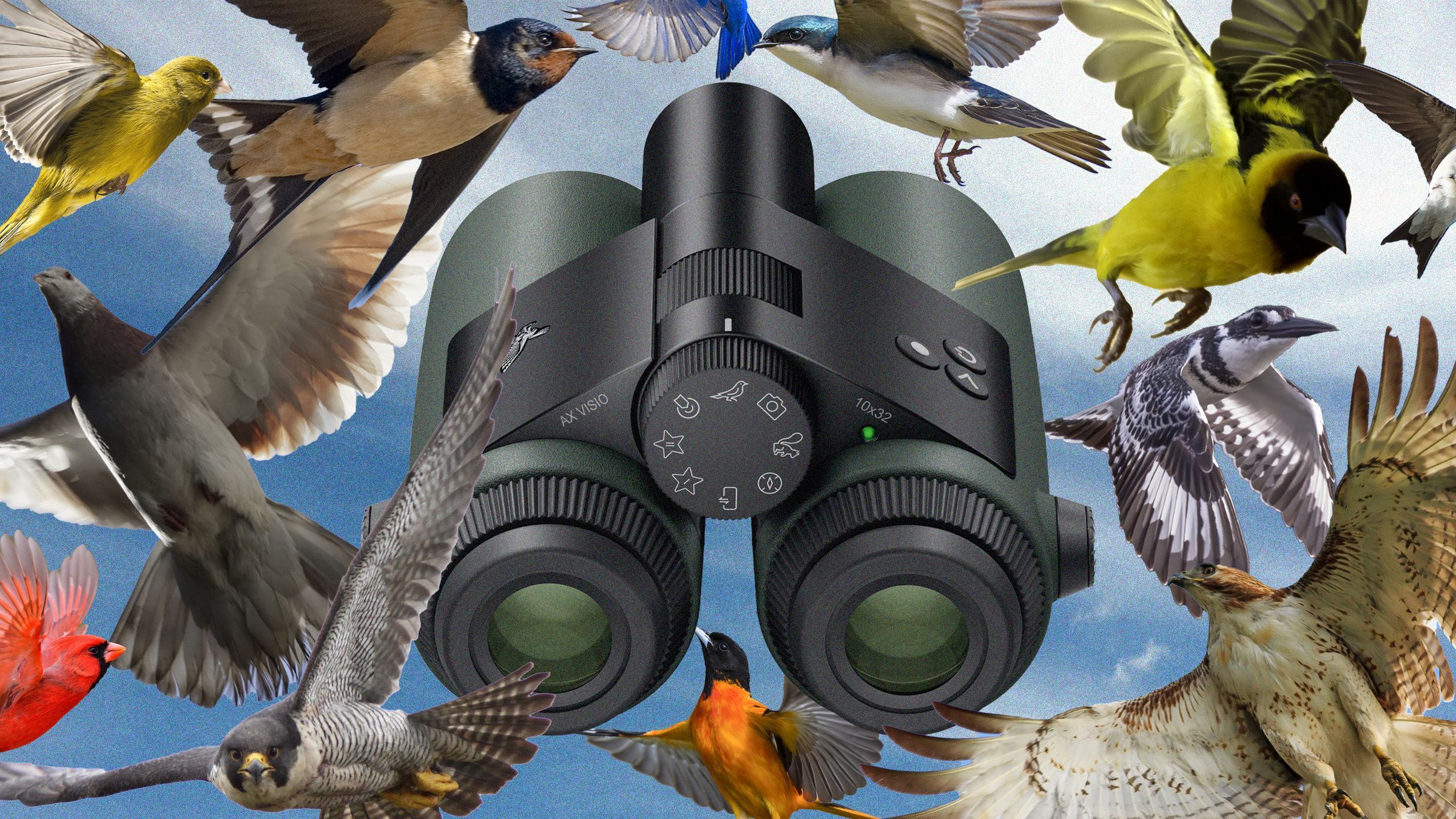
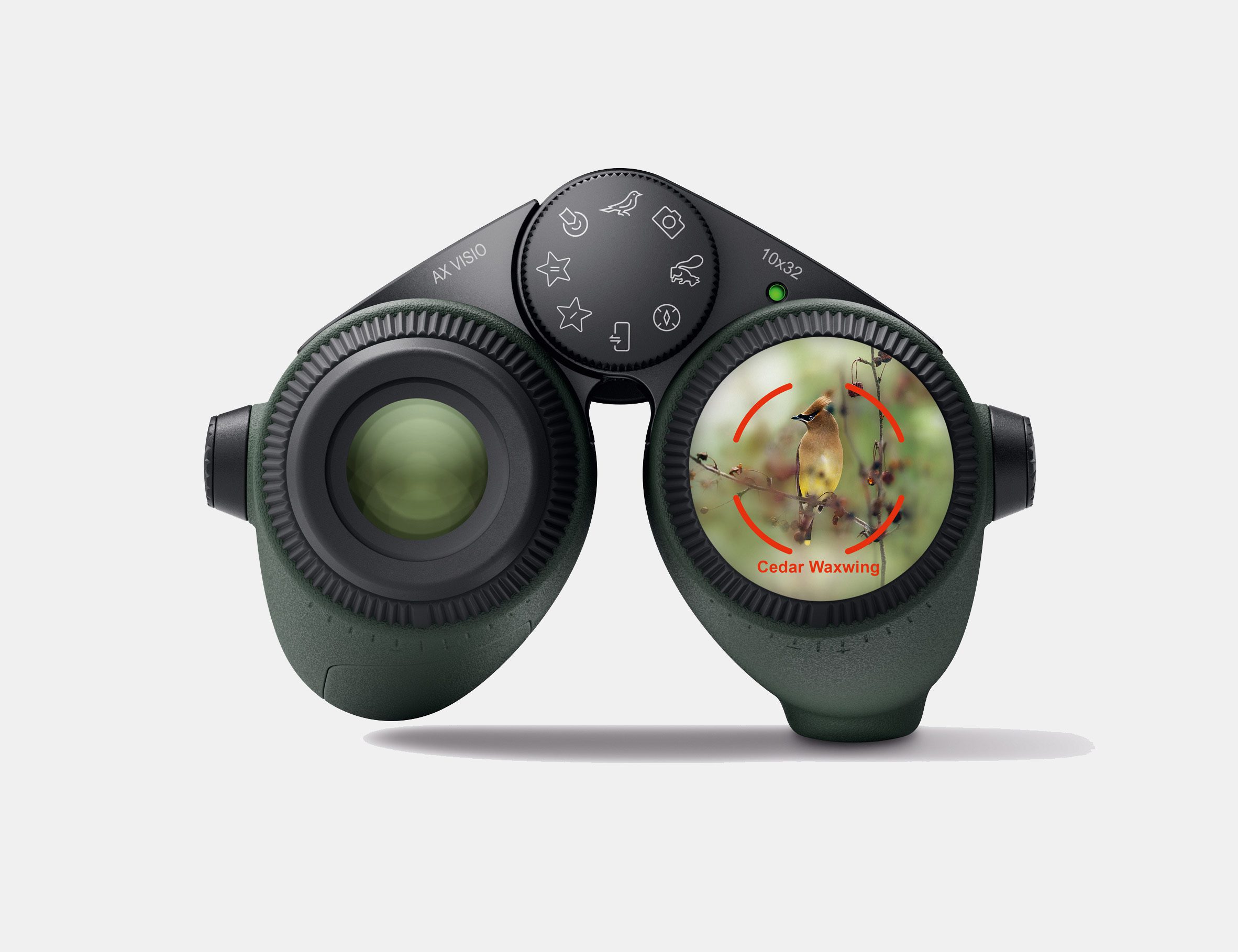
The recent introduction of AI-powered binoculars, like the Matata Xplore, is a potentially disruptive development. These binoculars can instantly identify birds and other wildlife, capture images, and even record video. The technology uses image recognition algorithms to analyze what you’re looking at and provide information about the species.
The accuracy of these systems is improving rapidly, but it’s not perfect. The Matata Xplore, for example, boasts a high identification rate, but it can still misidentify species, particularly in challenging lighting conditions. Wired.com’s review noted instances where the AI struggled with similar-looking birds. Battery life is also a concern, as the AI processing consumes significant power.
These digital features are great for beginners who can't tell a sparrow from a finch, but they aren't free. You're paying for software and sensors, which sometimes means the actual glass quality is lower than a traditional pair at the same price. If the battery dies, you're left with a heavy, expensive paperweight.
The digitalcameraworld.com article highlights the Matata Xplore’s affordability compared to other AI-powered optics, but it’s still a relatively new technology. It will be interesting to see how AI binoculars evolve in the coming years and how they integrate with other outdoor technologies.
- Instant Species Identification: Automatically identifies birds and wildlife.
- Image Capture: Allows you to record photos and videos.
- Learning Tool: Helps you learn about the wildlife you’re observing.
- Potential Limitations: Accuracy can vary, and battery life can be a concern.
Durability and Weatherproofing
Binoculars are often used in challenging environments, so durability and weatherproofing are essential. Waterproofing is a critical feature, protecting the optics from rain, snow, and accidental submersion. There’s a difference between water-resistant and fully waterproof. Water-resistant binoculars can withstand light rain, but fully waterproof models can be submerged in water without damage.
Fog proofing is another important consideration. Fog can form inside the binoculars when there’s a temperature difference between the inside and outside. Nitrogen or argon purging is used to displace the air inside the binoculars, preventing fogging. Argon is generally considered superior to nitrogen, as it has a larger molecular size and is less likely to leak.
The materials used in construction also affect durability. Rubber armoring provides shock resistance and a comfortable grip. A magnesium alloy body is stronger and lighter than a plastic body. I once had a pair of binoculars with a plastic body that cracked after a relatively minor fall – a lesson learned! Investing in a well-built binocular can save you money in the long run.
Look for binoculars with O-ring seals to prevent water and dust from entering the body. Check the warranty – a longer warranty is often an indication of higher quality and the manufacturer’s confidence in their product.
Featured Products

12x magnification and 25mm objective lenses · Large eyepiece for comfortable viewing · Waterproof and designed for low-light conditions
These compact binoculars offer a great balance of power and portability, making them an excellent choice for everyday adventures and for younger users.

High-performance optics for exceptional clarity · Wide field of view · Ergonomic design for comfortable handling
For those who demand the absolute best in optical quality and performance, the ZEISS Victory SF binoculars deliver an unparalleled viewing experience.

8x magnification and 42mm objective lenses · ED glass for reduced chromatic aberration · Waterproof, fogproof, and rubber-armored body
The Nikon MONARCH M7 provides a fantastic combination of clarity, durability, and a wide field of view, making it a reliable choice for various outdoor activities.

10x magnification and 42mm objective lenses · Integrated laser rangefinder · SWAROVISION Technology for superior image quality
These premium binoculars are for the serious enthusiast, offering advanced features like a built-in rangefinder and app support for precise observation and data tracking.

10x magnification and 42mm objective lenses · Waterproof and fogproof construction · Multi-coated optics for bright images
The Bushnell H2O is a rugged and reliable option, perfect for water-based activities or any situation where durability and clear, bright viewing are essential.
As an Amazon Associate I earn from qualifying purchases. Prices may vary.
Price Ranges: What Will It Cost?
The price of binoculars varies widely, depending on size, optical quality, features, and brand. Budget compact binoculars can be found for under $100, but the optical performance is often compromised. Mid-range models, typically priced between $200 and $500, offer a good balance of performance and features.
High-end binoculars, like the Swarovski AX Visio, can cost upwards of $1500. These models offer exceptional optical quality, rugged construction, and advanced features. Full-size binoculars generally cost more than compact binoculars, especially at the higher end. You’ll also need to factor in the cost of accessories, such as a tripod, harness, or lens cleaning kit.
Keep an eye out for sales and discounts. Online retailers often offer competitive prices. Consider buying refurbished binoculars from a reputable dealer to save money. Just be sure to check the warranty and return policy before making a purchase.
Don't automatically assume that the most expensive binoculars are the best. Consider your specific needs and budget. A mid-range model with good optical quality and durability may be a better choice than a high-end model that you won’t use to its full potential.
Top Compact & Full-Size Picks for 2026
After extensive research and testing, here are a few standout models in both the compact and full-size categories. These represent a range of price points and features.
Top Compact Binoculars:
1. Vortex Diamondback HD 8x32: A great all-around choice for its excellent image quality, durability, and affordable price. ($279)
2. Nikon Monarch 7 8x30: Known for its bright, clear images and comfortable ergonomics. ($329)
3. Celestron TrailSeeker ED 8x32: Offers excellent value for the price, with ED glass for reduced chromatic aberration. ($229)
4. Swarovski CL Pocket 8x25: A premium compact binocular with exceptional optical quality and a sleek design. ($1,249)
5. Matata Xplore (AI Binoculars): A unique option for birders who want instant species identification. ($499)
Top Full-Size Binoculars:
1. Nikon Monarch 5 10x42: A popular choice for birding and general wildlife observation, offering excellent performance and value. ($399)
2. Vortex Viper HD 10x42: A rugged and waterproof binocular with exceptional optical clarity. ($599)
3. Zeiss Conquest HD 8x42: A premium binocular with outstanding image quality and a wide field of view. ($1,199)
4. Swarovski EL 8x42: Considered by many to be the gold standard in binoculars, offering unparalleled optical performance. ($1,799)
5. Maven C.1 10x42: A high-quality binocular with excellent build quality and a lifetime warranty. ($1,399)
- Vortex Diamondback HD 8x32: A reliable choice for $279 that handles rough use well.
- These recommendations are based on current research (late 2024/early 2025) and may be updated in 2026.
Featured Products

10x magnification with 42mm objective lenses · Includes Lens Pen and cleaning cloth · Lightweight design for portability
These full-size binoculars offer a fantastic balance of magnification, field of view, and light-gathering capabilities, making them ideal for detailed observation where portability isn't the primary concern.

10x magnification with 42mm objective lenses · IPX7 waterproof rating · Lightweight construction
These full-size binoculars offer a fantastic balance of magnification, field of view, and light-gathering capabilities, making them ideal for detailed observation where portability isn't the primary concern.

10x magnification with 42mm objective lenses · Extra-Low Dispersion (ED) objective lenses for enhanced clarity · Fully multi-coated optics with BaK-4 prisms
These full-size binoculars offer a fantastic balance of magnification, field of view, and light-gathering capabilities, making them ideal for detailed observation where portability isn't the primary concern.

10x magnification with 42mm objective lenses · HD Optical System for superior image quality · Waterproof, fogproof, and shockproof construction
These full-size binoculars offer a fantastic balance of magnification, field of view, and light-gathering capabilities, making them ideal for detailed observation where portability isn't the primary concern.
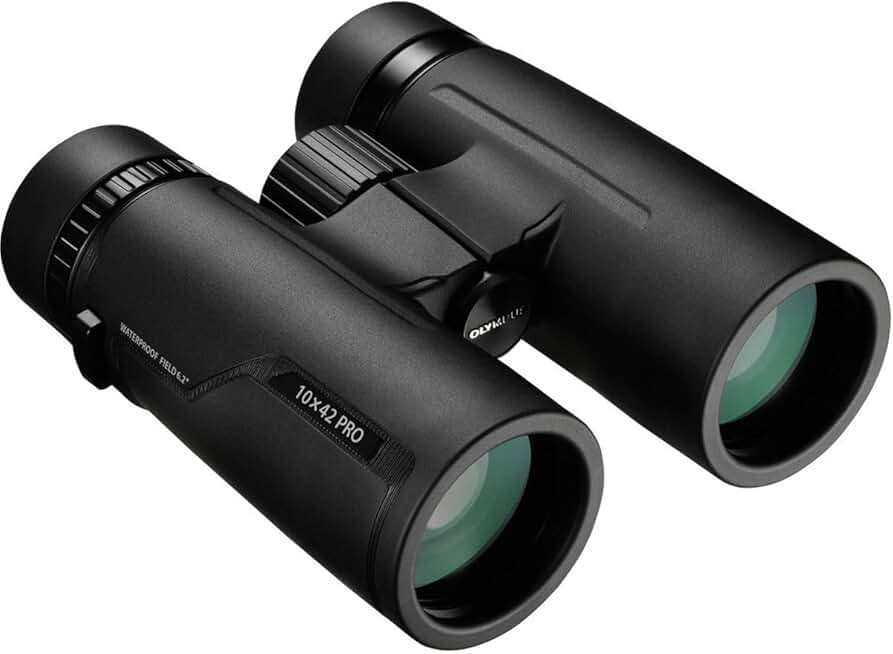
10x magnification with 42mm objective lenses · PRO series for high-end optical performance · Durable and ergonomic charcoal black design
These full-size binoculars offer a fantastic balance of magnification, field of view, and light-gathering capabilities, making them ideal for detailed observation where portability isn't the primary concern.
As an Amazon Associate I earn from qualifying purchases. Prices may vary.
No comments yet. Be the first to share your thoughts!