
Beyond the Price Tag: What Drives Binocular Cost?
Binocular prices range from under $100 to over $5,000. It’s easy to assume more money means better viewing, but that’s not always the case. Many factors influence cost, and understanding them helps you choose the right optics. This article breaks down what truly impacts performance and where manufacturers spend their resources.
Materials are a core cost driver. Glass type is significant, as are lens coatings, prism quality, and body materials. Manufacturing location and quality control also play roles. Cheaper binoculars from countries with lower labor costs aren't automatically poor quality, but corners may be cut.
Higher prices often mean better glass, more advanced coatings, and tighter manufacturing tolerances, leading to brighter, sharper images with less distortion. A premium price doesn't guarantee superior performance, but it increases the potential. Focus on specifications that matter for your intended use, not marketing hype.
Glass Types: BK7, BaK4, and ED Explained
Binocular glass falls into three main types: BK7, BaK4, and ED (Extra-low Dispersion). BK7, common in budget binoculars, offers acceptable brightness and clarity for general use but can show color fringing in low light. It's fine for non-demanding users.
BaK4 improves on BK7 with better light transmission and a rounder exit pupil, yielding brighter, sharper images, particularly at the edges. It's standard in mid-range binoculars and a good choice for serious birders or hunters seeking noticeable image improvement without excessive cost. This is often the best value.
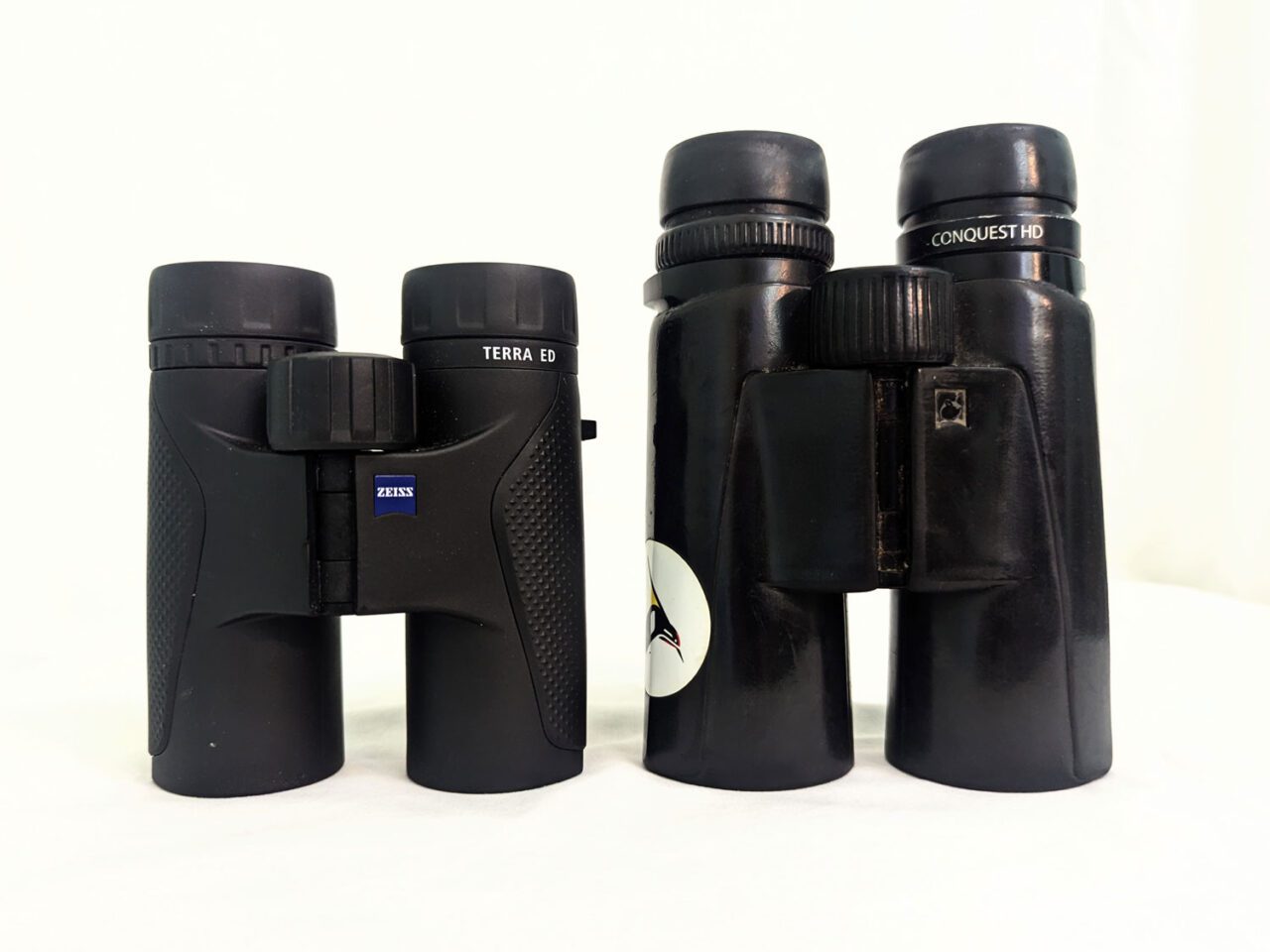
ED glass is the premium choice, minimizing chromatic aberration (color fringing). It provides sharp, high-contrast images with exceptional clarity. While often marketed as essential, ED glass isn't always necessary. Its benefits are less noticeable for close-range or good-lighting viewing. The quality of manufacturing and integration matters as much as the glass type.
Coatings: The Invisible Performance Boost
Lens coatings are arguably the most important, yet often overlooked, factor in binocular performance. They reduce light reflection, boosting light transmission, brightness, and contrast. Terms like "coated’, ‘fully coated’, and ‘fully multi-coated’ can be misleading. ‘Coated" typically means only one or a few lens surfaces have a single layer.
"Fully coated’ means all air-to-glass surfaces have a single layer coating. ‘Fully multi-coated" is preferable, with multiple layers on each surface to maximize light transmission and minimize glare. Phase correction coatings are crucial for roof prism binoculars, correcting phase shift that degrades resolution and contrast. Without them, image quality suffers.
Be skeptical of manufacturer coating claims; look for independent reviews and test results. Good coatings can make a bigger difference than slightly better glass. Hydrophobic coatings, which repel water and dirt, are also useful for wet conditions.
Prism Binoculars: Roof vs. Porro – What’s the Difference?
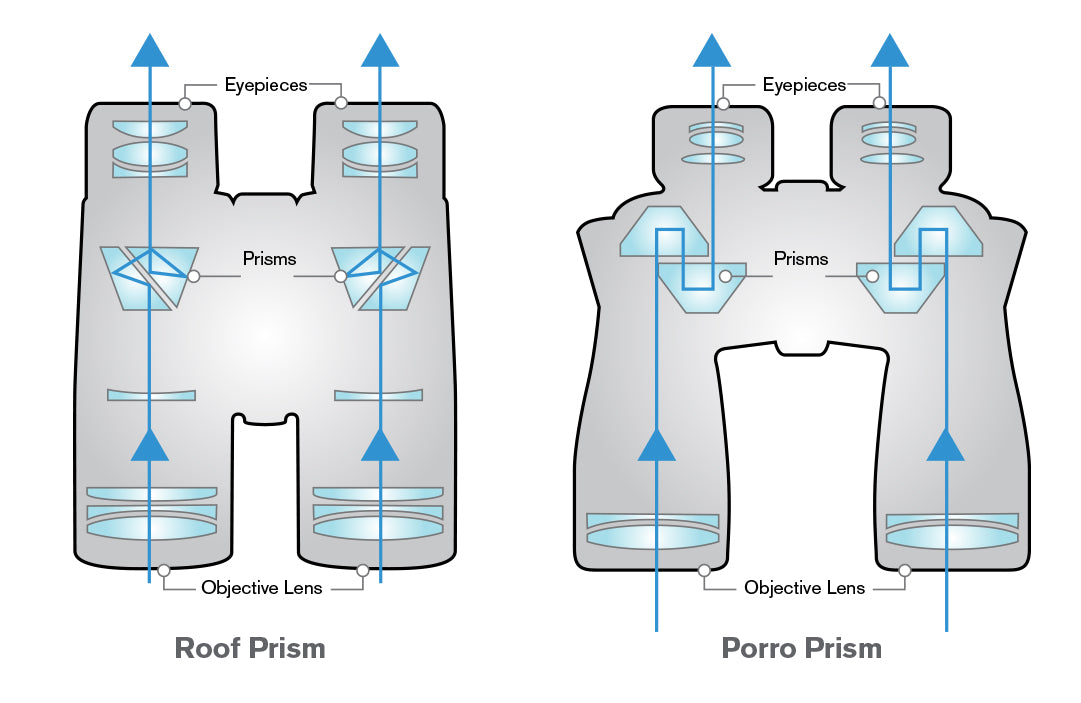
Binoculars use two main prism designs: roof and porro. Porro prism binoculars have a traditional, wider, offset barrel design. They generally offer a wider field of view and brighter images due to a simpler light path, but are typically bulkier and heavier than roof prism models.
Roof prism binoculars are more compact and streamlined, making them easier to handle and pack. They are popular for hunters, birders, and those valuing portability. Manufacturing is more complex, requiring precise alignment and phase correction coatings for optimal image quality, which typically increases the price.
The idea that porro prisms always provide brighter images is a myth. A well-made roof prism binocular with high-quality coatings can match or surpass a porro prism model. Prism glass quality and coating effectiveness are key. The best design depends on your priorities: size and weight versus brightness and field of view.
Budget Binocular Standouts (Under $300)
Finding good binoculars under $300 requires careful consideration. You won't get every feature, but respectable performance is possible. The Celestron TrailSeeker ED 10x42 ($220) gets positive reviews for sharp images and comfortable ergonomics. While not as bright as higher-end models, it's a great all-around performer for general birding and wildlife observation.
The Nikon ProStaff 3S 8x42 ($180) is another excellent choice. Nikon is known for optical quality, and the ProStaff 3S offers a bright, clear image with good edge-to-edge sharpness. Its lightweight design is comfortable for extended use, making it a good option for beginners or those wanting a reliable, no-frills binocular.
For a compact option, the Vortex Diamondback HD 8x32 ($280) is a strong contender, offering a wide field of view and excellent close-focus for dense forests. Its smaller objective lens gathers less light, but HD coatings help maximize brightness. The Bushnell Engage DX 10x42 ($250) balances features and performance with fully multi-coated optics and durable, waterproof construction.
Don't expect ED glass or top-tier coatings in this price range; BK7 prism glass is likely. Focus on models with fully multi-coated lenses and solid build quality. These binoculars may not last a lifetime of heavy use but can offer years of reliable service with proper care.
Featured Products

8x magnification with 42mm objective lenses · Waterproof and fogproof construction · Wide field of view and long eye relief
The Nikon PROSTAFF P3 8x42 delivers a superior viewing experience with its waterproof, fogproof design and wide field of view, making it an exceptional choice for various outdoor activities.

10x magnification with 50mm objective lenses · High-power optics for detailed observation · Durable construction for outdoor use
The OM SYSTEM Olympus 10x50 S provides high-power magnification and robust build quality, ideal for users who require detailed views of distant subjects.

10x magnification with 50mm objective lenses · BaK-4 prisms and multi-coated optics · Waterproof and fogproof design
Celestron Outland X 10x50 binoculars are an excellent entry-level option, offering clear, bright images and a durable, weather-sealed body for reliable performance in the field.

10x magnification with 42mm objective lenses · Waterproof and fogproof for marine and outdoor use · Multi-coated lenses for enhanced light transmission
The Bushnell H2O 10x42mm binoculars are a highly reliable and affordable option, featuring a fully waterproof and fogproof design that ensures clear visibility in challenging conditions.
As an Amazon Associate I earn from qualifying purchases. Prices may vary.
Premium Binoculars Worth the Investment ($300+)
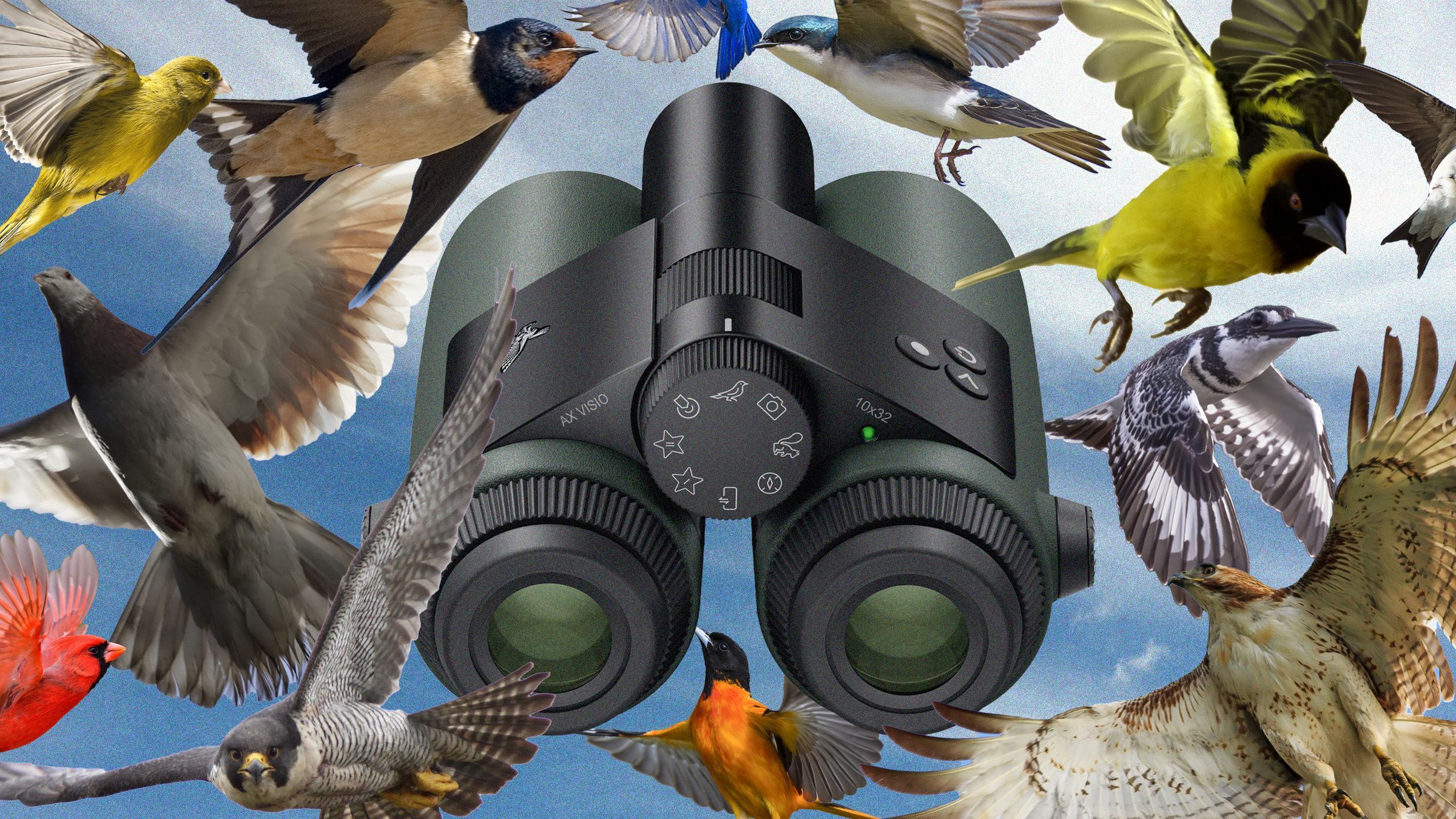
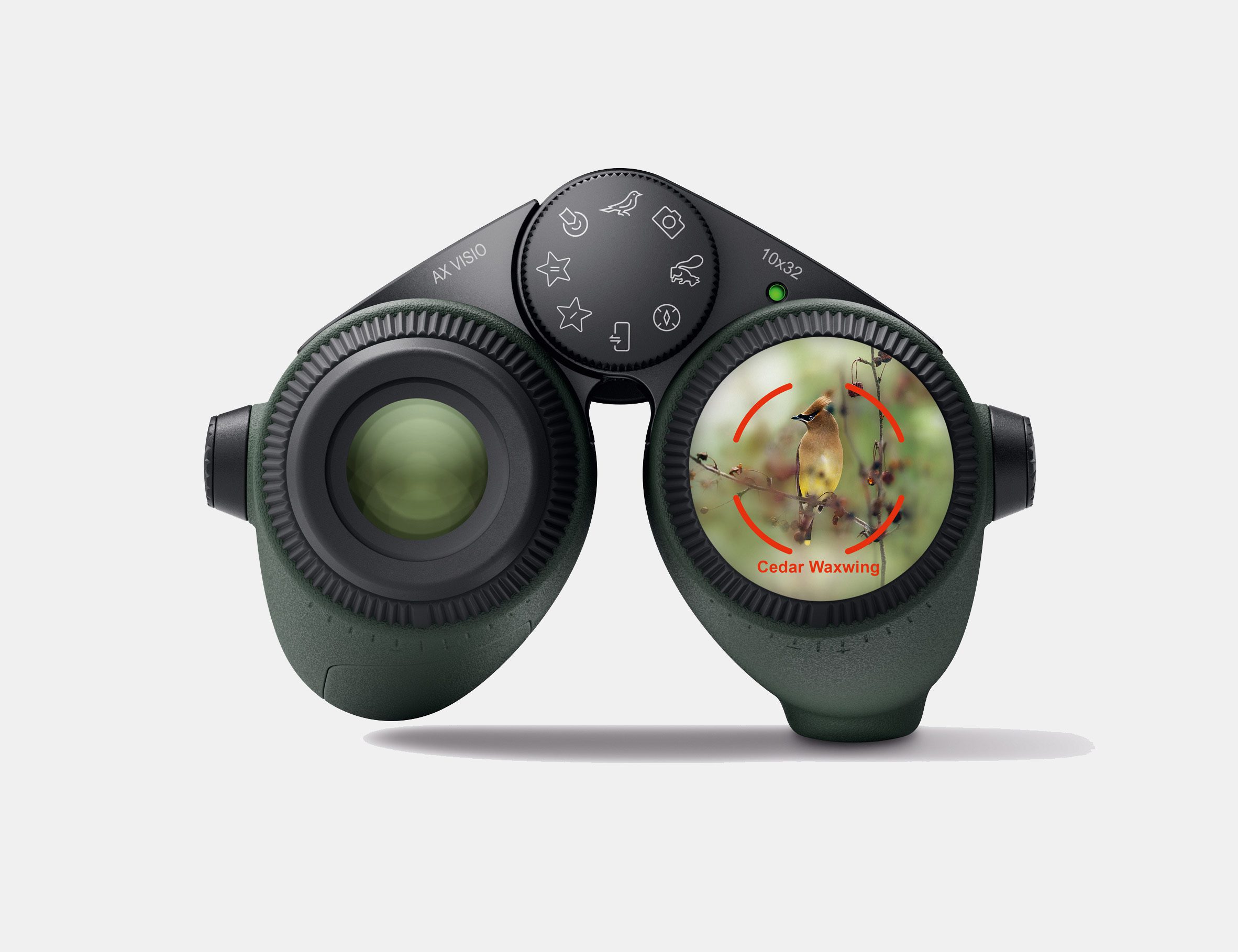
The $300+ price range offers superior optical performance and build quality. The Swarovski AX Visio binoculars, recently reviewed on YouTube by Badgerland Birding, represent the high end with AI-powered bird identification. However, AI isn't necessary to justify a premium purchase.
The Vortex Razor UHD 10x42 ($1600) is a standout for serious birders and hunters. Its ED glass and HD coatings provide sharp, bright, high-contrast images. It's also exceptionally durable and waterproof for harsh conditions. The performance justifies the steep price.
The Zeiss Conquest HD 8x42 ($1300) is another excellent choice. Zeiss is renowned for its optical expertise, and the Conquest HD delivers a stunning viewing experience. It features ED glass, fully multi-coated optics, and a robust, waterproof construction. Its balanced weight and comfortable ergonomics make it a pleasure to use for extended periods.
If you’re willing to spend even more, the Leica Noctivid 10x42 ($2000) offers unparalleled image quality and clarity. Leica is a legendary name in optics, and the Noctivid lives up to the hype. These binoculars are incredibly bright, sharp, and comfortable to use. The extra investment is justified if you demand the very best.
Premium Binoculars That Redefine Your Viewing Experience

ED glass for superior clarity and color fidelity · Waterproof, fogproof, and rubber-armored for rugged durability · Wide field of view and locking diopter for precise observation
The Nikon MONARCH M7 delivers exceptional optical performance and robust construction, making it a worthwhile investment for discerning users.

HD (High Density) extra-low dispersion glass for enhanced resolution and color accuracy · Waterproof and fogproof construction for reliable use in adverse conditions · Durable, rubber-armored body for secure grip and protection
Vortex Optics Viper HD binoculars provide outstanding optical quality and ruggedness, justifying their premium price for serious outdoor enthusiasts.

Fully multi-coated lenses and BaK-4 prisms for bright, clear images · Wide 7.4° field of view for expansive viewing · Waterproof and fogproof construction for all-weather performance
The Celestron Nature DX offers excellent value, providing clear optics and durable construction suitable for birding and general outdoor use.

10x magnification and 42mm objective lenses for detailed viewing · Durable construction designed for outdoor use · Clear and bright image quality
The Bushnell Legend L-Series provides a solid balance of magnification, clarity, and durability, making it a strong contender in its price range.
As an Amazon Associate I earn from qualifying purchases. Prices may vary.
AI-Powered Binocular Features: What’s Coming?
The emergence of AI-powered binoculars, as highlighted in the WIRED article, represents a significant leap forward in optical technology. The Swarovski AX Visio, for example, can identify birds in real-time, providing information about their species, habitat, and behavior. This feature is incredibly useful for birders, especially those who are still learning to identify different species.
These binoculars utilize sophisticated image recognition algorithms and a built-in database of bird images. When you point the binoculars at a bird, the AI analyzes the image and provides an identification within seconds. Some models also offer features like automated tracking, which keeps the bird in view as it moves. The technology isn't perfect; identification accuracy can be affected by lighting conditions and the angle of view.
While the current generation of AI-powered binoculars is expensive, the technology is likely to become more affordable and widespread in the future. Potential privacy concerns, such as data collection and tracking, need to be addressed. However, the potential benefits of AI-powered binoculars – enhanced identification, improved observation, and increased accessibility – are undeniable. I'm cautiously optimistic about the future of this technology.
Which Binocular is Right for *You*?
Choosing the right binocular depends on your individual needs and budget. If you’re a casual user who only needs binoculars for occasional use, a budget model under $300 will likely suffice. The Nikon ProStaff 3S 8x42 is a great all-around choice for general outdoor recreation.
If you’re a serious birder or hunter, investing in a premium binocular with ED glass and superior coatings is worth considering. The Vortex Razor UHD 10x42 or the Zeiss Conquest HD 8x42 will deliver exceptional performance and durability. Consider how often you'll use them and the types of conditions you'll encounter.
Ask yourself these questions: What will you primarily be viewing (birds, wildlife, landscapes)? What are the typical lighting conditions? How important is portability? What’s your budget? Answering these questions will help you narrow down your options and find the perfect binoculars for your needs. Don't be afraid to try before you buy if possible.
Find Your Perfect Binocular: A Quick Assessment
Choosing the right binoculars can dramatically enhance your viewing experience, but the options can be overwhelming. This short quiz will help pinpoint your needs and guide you toward the best balance of performance and price. Answer honestly to receive a personalized recommendation.
No comments yet. Be the first to share your thoughts!