
Travel birding in 2026
Birding is growing fast, and more people are packing optics for international trips. This creates a choice: do you carry a heavy, high-performance pair or something small enough to fit in a jacket pocket? It is a trade-off between image clarity and physical comfort.
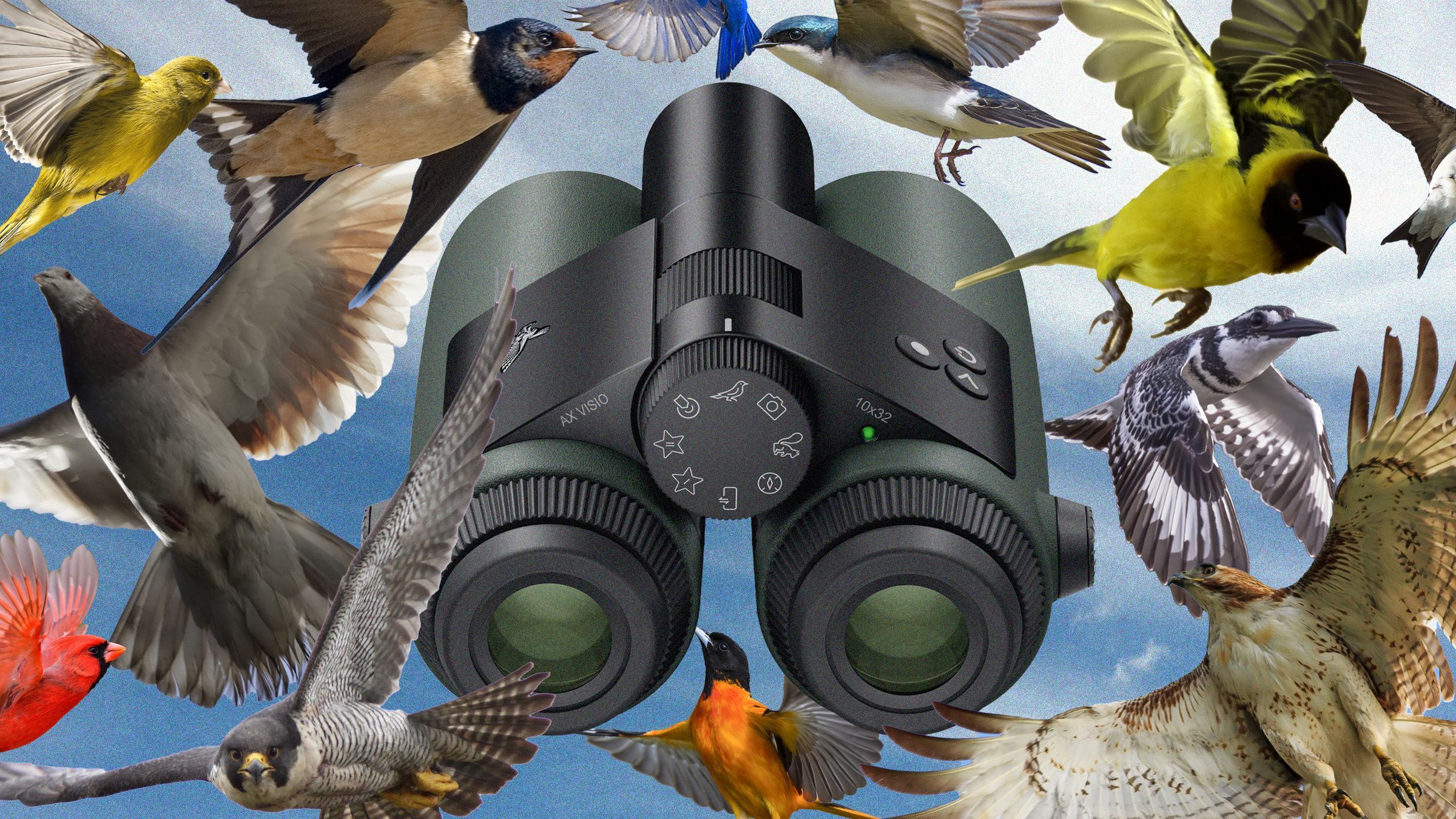
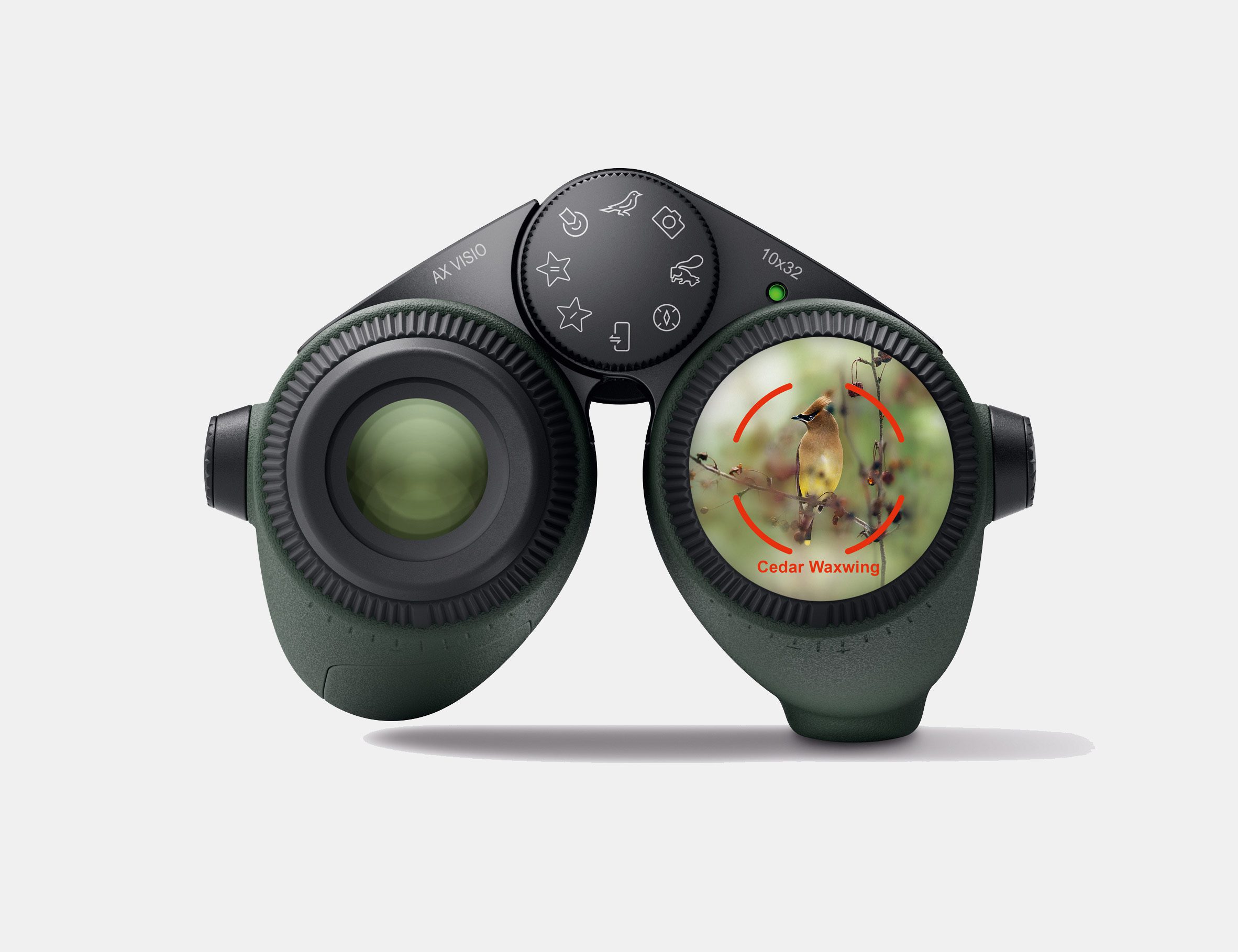
The arrival of AI-powered binoculars, like the Matata Xplore, adds another layer to this decision. These innovative optics promise to identify birds in real-time, a huge boon for beginners or those visiting unfamiliar habitats. But let’s not get ahead of ourselves. The core question of size – compact versus full-size – remains central. Travel always presents trade-offs: weight, space, and the need for durable gear all influence what we choose to carry.
Binocular specs are simple: the first number (8x or 10x) is magnification, and the second (25mm or 42mm) is the objective lens diameter. Larger lenses pull in more light, which is helpful at dawn when birds are most active, but they add significant weight to a pack.
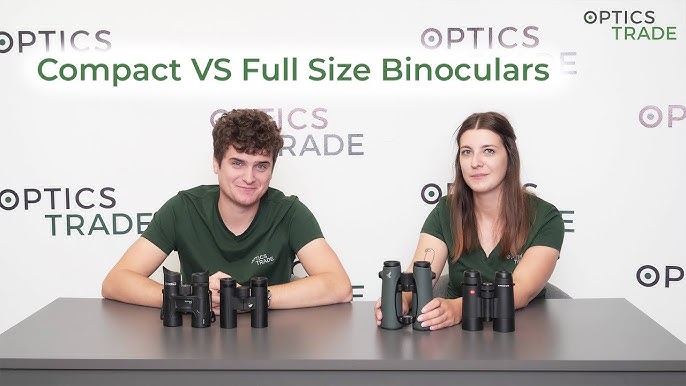
The case for full-size optics
The 8x42 and 10x42 configurations are standard for a reason. The 42mm lenses provide bright images in dark forests or at twilight. If you are trying to identify a specific warbler in a shadowed canopy, that extra light is the difference between a clear ID and a silhouette.
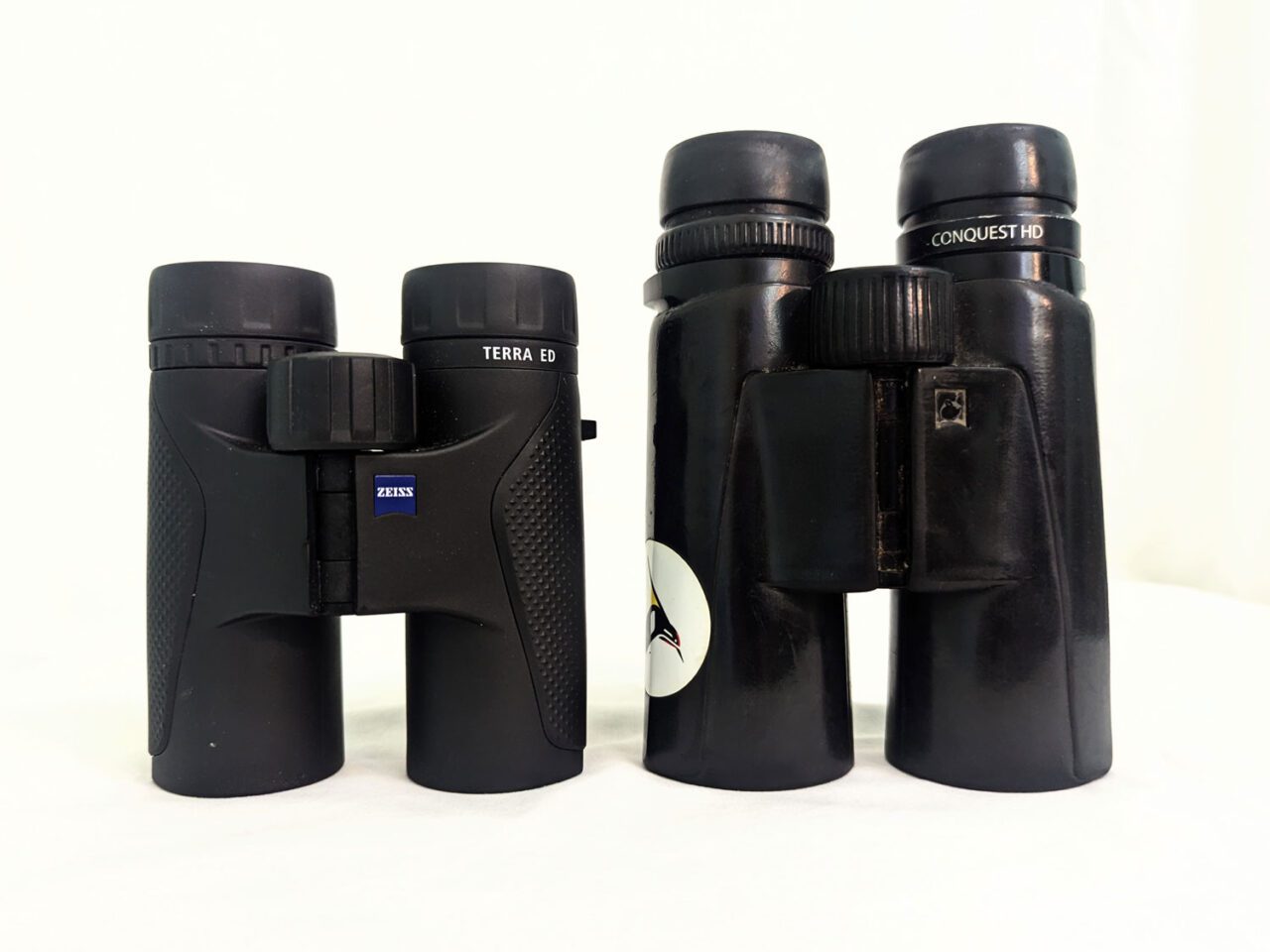
Beyond brightness, full-size binoculars generally offer a wider field of view, making it easier to locate and track fast-moving birds. They also tend to be more stable in your hands, reducing image shake, particularly at higher magnifications. However, all this performance comes at a cost: weight and bulk. A typical 10x42 binocular can weigh over 2 pounds and be quite large.
These are really best suited for birders who prioritize optical quality above all else, and who don't mind carrying a bit of extra weight. If you’re primarily birding from a fixed location – a hide, a car, or a well-established trail – the size and weight are less of a concern. If you’re a serious birder willing to invest in quality and don’t mind the added bulk, full-size binoculars are a solid choice.
Compact Binoculars: Lightweight Champions
Enter the compact binocular. These optics are designed with portability in mind. They’re significantly lighter and smaller than their full-size counterparts, making them ideal for travel, hiking, or anyone who wants a binocular that won’t weigh them down. You can easily slip a pair of 10x25 compact binoculars into a daypack or even a large pocket.
Improvements in glass quality and manufacturing techniques have narrowed the gap in optical performance between compact and full-size binoculars in recent years. While they may not match the absolute brightness of a 42mm objective lens, modern compacts can still deliver surprisingly clear and detailed images. They are a great option for casual birders and those who prioritize convenience.
Most compact binoculars use a roof prism design, which contributes to their slim profile. Porro prism binoculars, while often more affordable, tend to be bulkier. You’ll typically find smaller exit pupils with compacts, which can affect brightness in low light. But for many situations, the benefits of portability outweigh these trade-offs. They are excellent for general wildlife viewing and are a good choice for those starting out.
Magnification and objective lenses
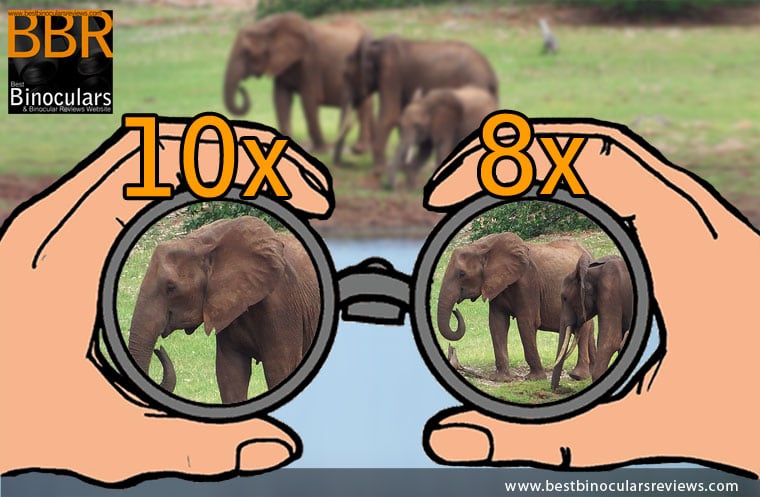
Let's break down those numbers. An 8x42 binocular magnifies the image eight times, and the objective lenses are 42mm in diameter. A higher magnification brings the bird closer, but it also reduces the field of view and can amplify any hand shake. A larger objective lens gathers more light, resulting in a brighter image, but also adds to the weight and size.
The exit pupil is the diameter of the light beam exiting the binoculars, calculated by dividing the objective lens diameter by the magnification (e.g., 42mm / 8x = 5.25mm). A larger exit pupil is beneficial in low light, as it allows more light to enter your eye. Eye relief is the distance between your eye and the eyepiece – important for people who wear glasses.
For travel birding, a stable image is key. Higher magnification can be difficult to hold steady, especially when birding from a moving vehicle or boat. Consider 8x magnification as a good balance between magnification and stability. A larger objective lens is helpful for low-light conditions, but you need to weigh that against the added weight. Think about your typical birding scenarios and prioritize accordingly.
- 8x32: A good all-around choice, offering a balance of magnification, brightness, and portability.
- 10x42: Ideal for situations where greater magnification is needed, but be prepared for the added weight.
- 8x25: Very compact and lightweight, suitable for casual birding and travel.
Travel Birding Binocular Priorities: Compact vs. Full-Size (2026)
| Specification | Backpacking 🎒 | City Birding 🏙️ | Boat Trips 🛥️ | Remote Wilderness 🌲 |
|---|---|---|---|---|
| Magnification | Medium Priority | Medium Priority | Medium Priority | High Priority |
| Objective Lens | Low Priority | Medium Priority | Medium Priority | High Priority |
| Field of View | High Priority | High Priority | High Priority | Medium Priority |
| Exit Pupil | Medium Priority | Low Priority | Medium Priority | High Priority |
| Eye Relief | Medium Priority | Medium Priority | Medium Priority | Medium Priority |
| Weight & Size | High Priority | High Priority | Medium Priority | Low Priority |
| Waterproofing | Medium Priority | Low Priority | High Priority | High Priority |
Illustrative comparison based on the article research brief. Verify current pricing, limits, and product details in the official docs before relying on it.
The reality of AI binoculars
The recent introduction of AI-powered binoculars, like the Matata Xplore highlighted by Digital Camera World, is certainly generating buzz. These binoculars use artificial intelligence to identify birds in real-time, displaying the species name on a built-in screen or through a connected app. This is a game-changer for beginner birders or those traveling to unfamiliar locations where identification can be challenging.
The WIRED article detailing a birding trip with an AI binocular illustrates the potential benefits. However, it’s important to be realistic. Battery life is a concern with AI-powered devices, and the accuracy of the identification relies on the quality of the software and the availability of a strong signal. These devices also add complexity and cost.
In terms of size and weight, the Matata Xplore is comparable to a standard compact binocular, but the added electronics do contribute to some bulk. While AI binoculars are an exciting development, they aren’t necessarily a replacement for traditional optics. They are best seen as a supplementary tool, offering assistance with identification rather than a complete overhaul of the binocular experience.
Durability and Weatherproofing for the Road
Travel can be tough on gear. Your binoculars are likely to be exposed to bumps, drops, rain, and dust. That’s why durability and weatherproofing are essential. Look for binoculars with a rugged, rubber-armored housing that can withstand impacts. A rubber coating also provides a more secure grip.
Waterproofing is particularly important. Even if you don’t anticipate getting caught in a downpour, humidity can damage the internal components of your binoculars. Fully waterproof binoculars are nitrogen-purged to prevent internal fogging, even in extreme temperature changes. This is a must-have for travel birding.
Don’t skimp on quality. A cheap pair of binoculars that breaks on your first trip is a waste of money. Read reviews, check the warranty, and look for binoculars from reputable brands known for their build quality. Consider the environmental conditions you’ll be facing and choose binoculars that can handle them.
Top Compact & Full-Size Picks for 2026
Choosing the right binoculars depends on your individual needs and preferences. Here are a few top picks for 2026, split between compact and full-size options. Prices are approximate and may vary.
Compact Binoculars:
1. Nikon Prostaff 3S 10x25: ($150) – Lightweight and affordable, offering good image quality for the price. Pros: Very portable, easy to use. Cons: Limited low-light performance.
2. Vortex Diamondback HD 8x28: ($250) – Excellent optics in a compact package. Pros: Sharp images, wide field of view. Cons: Slightly heavier than other compacts.
3. Celestron Nature DX 8x25: ($100) – A budget-friendly option with good overall performance. Pros: Affordable, waterproof. Cons: Image quality not as sharp as more expensive models.
Full-Size Binoculars:
4. Swarovski EL 8x42: ($1700) – Top-of-the-line optics with exceptional clarity and brightness. Pros: Unmatched image quality, durable build. Cons: Very expensive.
5. Zeiss Conquest HD 8x42: ($1200) – A premium option offering excellent performance and value. Pros: Bright, sharp images, comfortable to use. Cons: Pricey.
6. Vortex Viper HD 10x42: ($1000) – A versatile and durable binocular suitable for a variety of birding situations. Pros: Excellent optics, waterproof, and fogproof. Cons: Can be heavy for extended use.
7. Olympus 8x42 DPS I: ($250) - Great value for money, offering a good balance of features and performance. Pros: Affordable, waterproof, and easy to handle. Cons: Image quality isn't quite as good as higher-end models.
- Nikon Prostaff 3S 10x25 ($150). These are light enough to forget you're carrying them. They work well in bright sun, though the small lenses struggle once the sun starts to set.
- [product_card: Nikon Prostaff 3S 10x25 - - Price: $150 - Key Features: Lightweight, affordable, waterproof - Pros: Very portable, easy to use. Cons: Limited low-light performance.]
Featured Products

ED glass for exceptional clarity and color · Wide field of view to spot birds quickly · Waterproof, fogproof, and rubber-armored for durability
The Nikon MONARCH M7 offers premium optics and a wide field of view, making it a top choice for serious birders who prioritize image quality and durability in a full-size binocular.

10x magnification for detailed views · Waterproof and fogproof construction · Daha Prism technology for bright, clear images
Olympus 10x42 PRO binoculars deliver powerful magnification and robust build quality, ideal for travelers who want to see distant birds in sharp detail.

Compact and lightweight design · Wide 8.2° field of view for easy tracking · Waterproof and fogproof for all-weather use
The Celestron Outland X 8x25 is a fantastic budget-friendly option, offering a good balance of performance and portability for casual birding on the go.

10x magnification for detailed observation · Waterproof and fogproof for reliable performance · Durable construction for outdoor adventures
Bushnell H2O 10x42mm binoculars are a solid, dependable choice for travelers who need a rugged and powerful full-size binocular for various outdoor activities, including birding.

HD optical system for superior resolution and contrast · Compact 32mm objective lenses for portability · Waterproof, fogproof, and shockproof for rugged use
Vortex Optics Diamondback HD 8x32 binoculars strike an excellent balance between a compact size and high-quality optics, making them a versatile and reliable companion for travel birding.
As an Amazon Associate I earn from qualifying purchases. Prices may vary.

Vortex Optics Diamondback HD 8x42 Binoculars - HD Optical System, Non-slip Grip, Waterproof, Fogproof, Shockproof, Included GlassPak - Unlimited, Unconditional Warranty
- HD Optical System for superior clarity and brightness
- Waterproof, Fogproof, and Shockproof construction for durability in any condition
- Comfortable Non-slip Grip and included GlassPak harness for easy carrying
For travelers who want a fantastic balance of portability and optical quality, the Vortex Diamondback HD 8x42 binoculars are a top-tier choice, offering bright, clear views without weighing you down.
View on Amazon →As an Amazon Associate I earn from qualifying purchases.
No comments yet. Be the first to share your thoughts!