
Seeing Beyond: Why Astronomy Binoculars Matter
There’s something truly humbling about looking up at the night sky and trying to grasp the scale of the universe. It’s a feeling I remember vividly from childhood, and it’s one I still chase today. For many, getting started with astronomy feels daunting – telescopes can be expensive, complicated to set up, and require some expertise to use effectively. That’s where astronomy binoculars come in.
Binoculars offer a fantastic entry point into the world of stargazing. They’re far more portable than most telescopes, making them perfect for spontaneous observing sessions or taking on camping trips. They’re also generally easier to learn to use, allowing you to quickly start identifying constellations, craters on the moon, and even some brighter deep-sky objects. I find they really bridge the gap between casual observation and more serious astronomical study.
But astronomy binoculars aren’t just smaller, simpler telescopes. They’re specifically designed for low-light viewing, with larger apertures to gather more light and specialized coatings to maximize brightness and contrast. Understanding these differences is key to choosing the right pair for your needs. We’ll cover all of that, and more, in this guide.
Key Specs Explained: Decoding Binocular Numbers
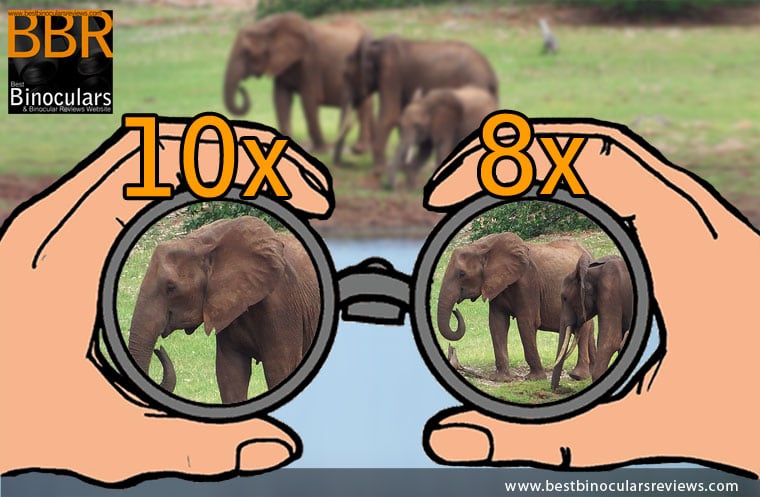
You’ve probably seen binoculars described with two numbers, like 10x50 or 7x35. The first number indicates magnification – how much larger the object appears compared to viewing it with the naked eye. While a higher magnification might seem desirable, it’s not always better. Higher magnification reduces your field of view, making it harder to find and track objects, and it also amplifies any hand tremor.
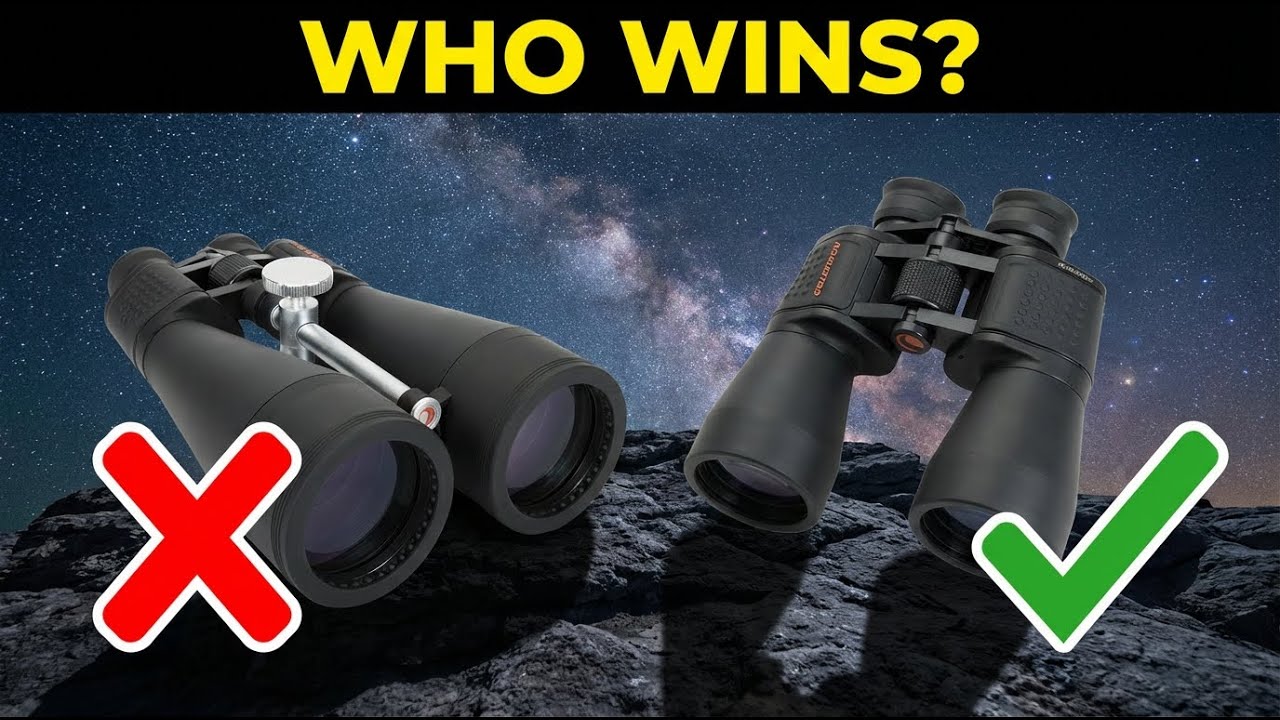
For astronomy, I've found that a magnification of 7x to 10x often strikes a good balance. Anything much higher can become difficult to stabilize without a tripod. The second number refers to the aperture, or the diameter of the objective lenses in millimeters. This is crucial for astronomy. A larger aperture gathers more light, allowing you to see fainter objects and more detail. Think of it like the bucket size in a rainstorm – a bigger bucket collects more water.
Another important concept is exit pupil. This is the diameter of the beam of light that exits the binoculars’ eyepieces. It’s calculated by dividing the aperture by the magnification (e.g., a 10x50 binocular has a 5mm exit pupil). A larger exit pupil is easier on your eyes, especially in low light. A 5-7mm exit pupil is generally ideal for astronomy, while a smaller one might be sufficient for daytime use. Don't worry too much about memorizing everything – the key takeaway is that aperture matters most for seeing faint objects.
Top Astronomy Binoculars of 2026
Finding the best binoculars for astronomy depends on your budget and what you want to observe. Here’s a rundown of some of the top contenders in 2026, covering a range of options. I’ve tried to be realistic about the strengths and weaknesses of each.
Celestron Skymaster 8x56: These are consistently recommended for beginners, and for good reason. They offer a large 56mm aperture for excellent light gathering at a relatively affordable price. The 8x magnification provides a wide field of view, making it easy to scan the sky. However, they can be a bit heavy and the image quality isn't quite as sharp as some more expensive options. Best for: general stargazing, moon observing, and those on a budget.
Nikon Aculon A211 10x50: Nikon is a trusted name in optics, and the Aculon A211 offers a good balance of performance and price. The 10x magnification is useful for closer views, and the 50mm aperture provides decent light gathering. They’re also relatively lightweight and compact. I found the build quality to be solid, but the eye relief could be more generous for eyeglass wearers. Best for: Versatile use, both astronomy and daytime viewing.
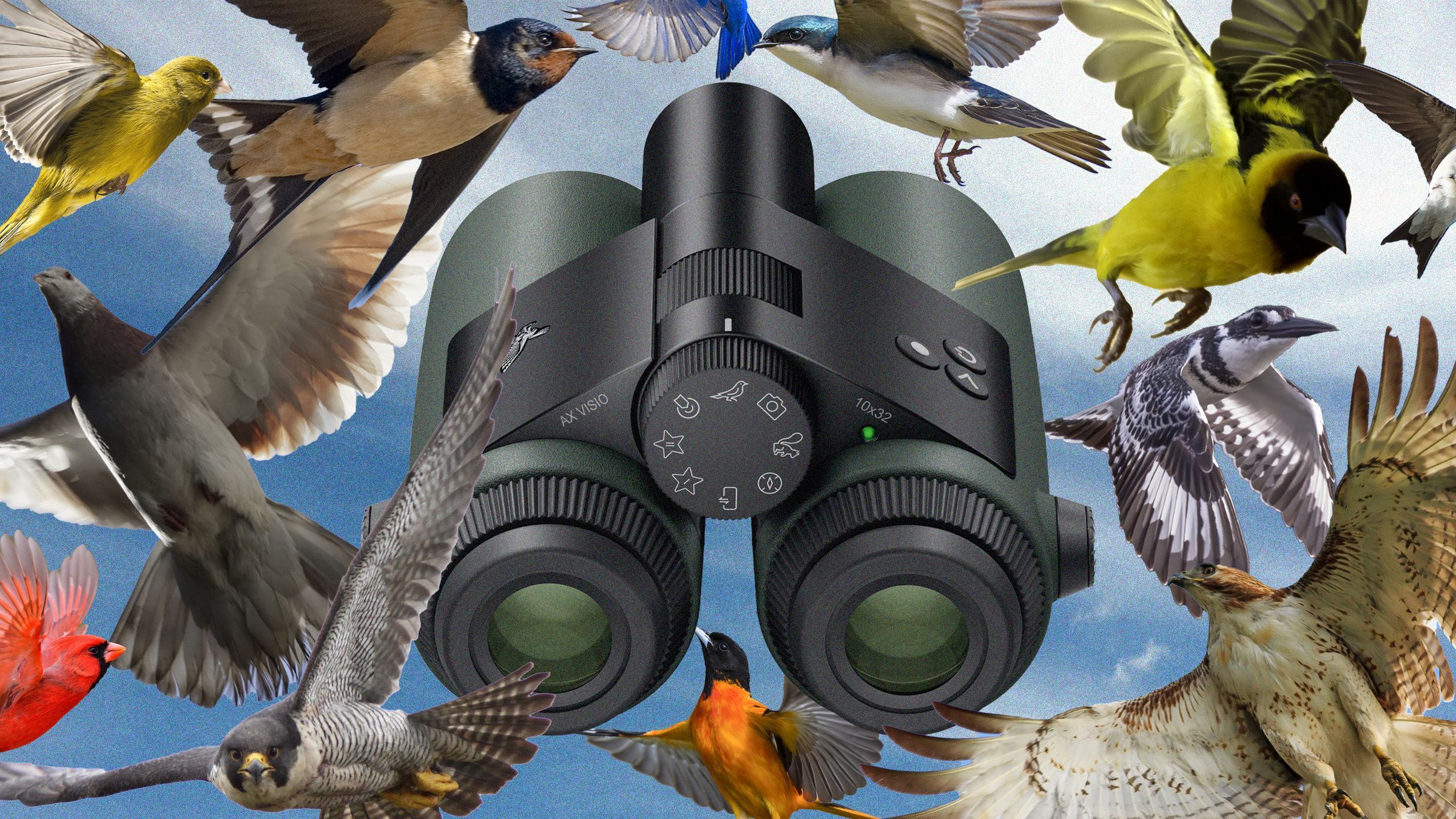
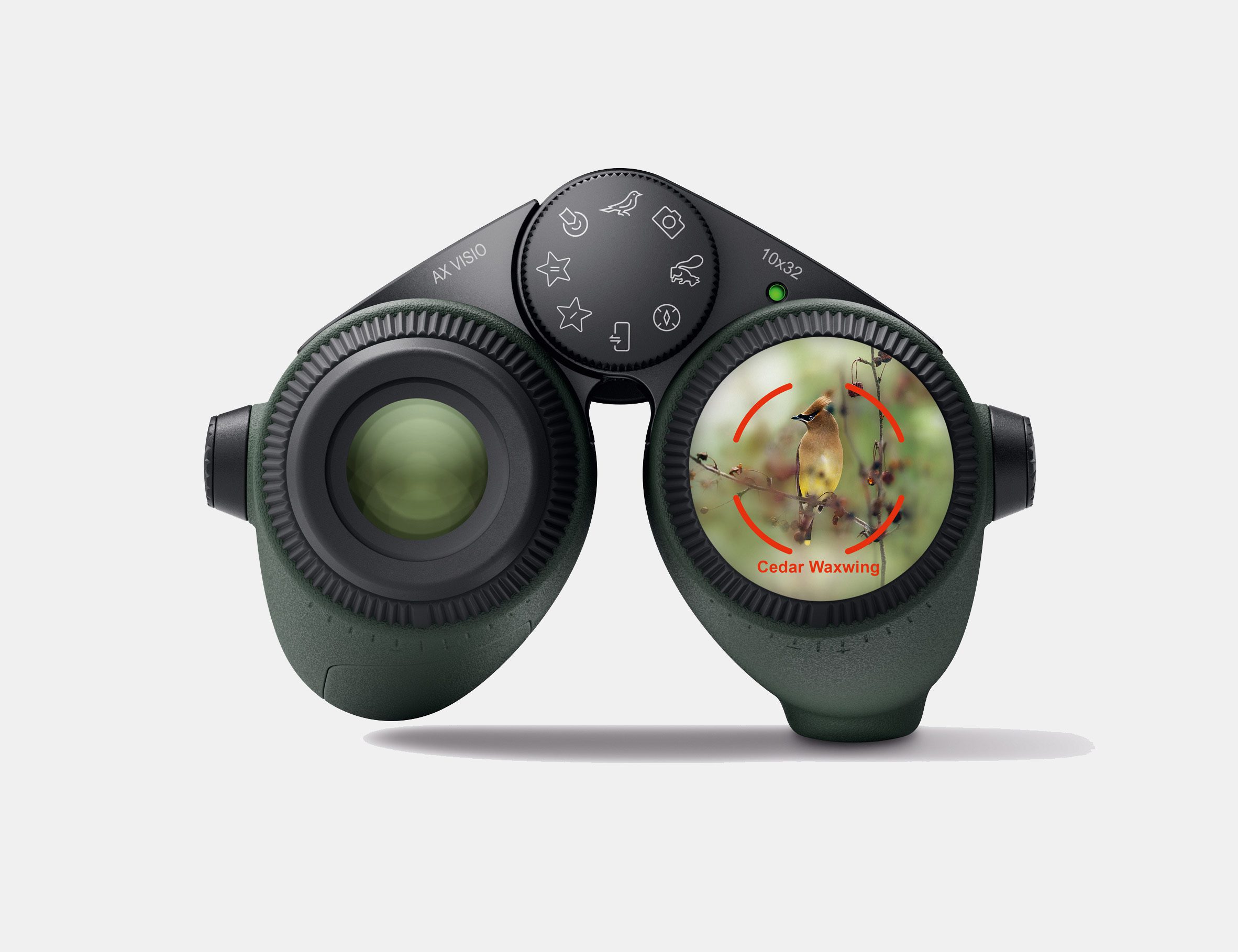
Unistar ENVISION Smart Binoculars: These are a completely different beast. Integrating technology with optics, the ENVISION binoculars connect to an app that identifies celestial objects, provides guided tours, and even allows you to share your observations. They’re more expensive than traditional binoculars, and the reliance on technology might not appeal to everyone. But they're a genuinely innovative product. Best for: tech-savvy users, beginners who want guidance, and those who enjoy sharing their experiences.
Vortex Diamondback HD 10x50: Vortex has built a strong reputation for quality and customer service. The Diamondback HD offers excellent image clarity and brightness, thanks to its HD optical system and fully multi-coated lenses. They're also waterproof and fogproof, making them suitable for all weather conditions. They're a bit pricier than the Celestron and Nikon options, but the improved image quality is noticeable. Best for: serious stargazers who want a durable and high-performing pair of binoculars.
Oberwerk Mariner 15x70: If you’re looking for high magnification and a large aperture, the Oberwerk Mariner is a great choice. The 70mm aperture gathers a lot of light, revealing details in nebulae and galaxies. However, the 15x magnification requires a stable tripod, and they can be quite bulky. Best for: deep-sky observing and experienced binocular users.
Explore Scientific 12x65 ED APO Binoculars: At the higher end of the price spectrum, these binoculars offer exceptional image quality thanks to their ED (extra-low dispersion) glass and apochromatic design. They minimize chromatic aberration (color fringing) for sharp, detailed views. They're a significant investment, but worth it for serious astronomy enthusiasts. Best for: discerning observers who demand the best possible image quality.
Featured Products

8x magnification · 42mm objective lenses · Wide 7° field of view
These binoculars offer a fantastic entry point and excellent performance for anyone looking to explore the night sky, from beginners to seasoned stargazers.

10x magnification · 50mm objective lenses · Multilayer coating
These binoculars offer a fantastic entry point and excellent performance for anyone looking to explore the night sky, from beginners to seasoned stargazers.

20x magnification · 50mm objective lenses · High-powered
These binoculars offer a fantastic entry point and excellent performance for anyone looking to explore the night sky, from beginners to seasoned stargazers.

10x magnification · 50mm objective lenses · HD optical system
These binoculars offer a fantastic entry point and excellent performance for anyone looking to explore the night sky, from beginners to seasoned stargazers.

10x magnification · 50mm objective lenses · 6.0-degree field of view
These binoculars offer a fantastic entry point and excellent performance for anyone looking to explore the night sky, from beginners to seasoned stargazers.
As an Amazon Associate I earn from qualifying purchases. Prices may vary.
Smart Binoculars: A New Way to Explore
The Unistar ENVISION binoculars represent a fascinating shift in the world of optics. By integrating with a smartphone app, they offer features that traditional binoculars simply can’t match. The app can identify stars, planets, constellations, and even deep-sky objects in real-time, providing information and guided tours. It also allows you to share your observations with others, creating a sense of community.
The biggest benefit is for beginners. Knowing what you’re looking at is half the battle, and the ENVISION’s object recognition takes the guesswork out of stargazing. However, there are drawbacks. The reliance on the app means the binoculars are less useful if your phone battery dies or if there’s a software glitch. And the added technology comes at a cost – they’re significantly more expensive than comparable traditional binoculars.
I’m still on the fence about whether smart binoculars are a game-changer or a gimmick. They certainly have potential to make astronomy more accessible, but I worry that the technology could distract from the simple joy of observing the night sky. Ultimately, it comes down to personal preference.
Coatings & Glass: What You’re Really Paying For
Lens coatings are incredibly important for maximizing light transmission and minimizing glare. Fully multi-coated lenses have multiple layers of coating on all glass surfaces, providing the best performance. "Coated’ lenses have a single layer, which is less effective. You’ll often pay a premium for fully multi-coated optics, and it"s usually worth it, especially for astronomy.
The type of glass used in the binoculars also affects image quality. BK-7 glass is a common and affordable option, while BaK-4 glass is a higher-quality glass that provides sharper images and better light transmission. BaK-4 is generally preferred for astronomy, but it’s also more expensive.
Phase correction coatings are another important feature, particularly for binoculars with a wide field of view. These coatings correct for phase shift, which can cause image distortion and reduce contrast. While not essential for all users, phase correction coatings can significantly improve image sharpness and clarity.
Mounts & Accessories: Enhancing Your View
Holding binoculars steady for extended periods, especially at higher magnifications, is difficult. A tripod is essential for comfortable and detailed astronomical viewing. Look for a tripod specifically designed for binoculars, with an adapter that allows you to securely mount them. A fluid head is helpful for smooth panning across the sky.
Other useful accessories include a padded neck strap for comfortable carrying, a lens cleaning kit to keep your optics clear, and a dew shield to prevent condensation from forming on the lenses in humid conditions. Eye relief is also important – binoculars with adjustable eye relief allow you to comfortably view the image without your eyes being too close to the eyepieces, which is especially helpful if you wear glasses.
- Binocular Tripod Adapter
- Sturdy Tripod with Fluid Head
- Microfiber Lens Cleaning Cloth
- Lens Cleaning Solution
- Dew Shield
Binocular Standouts: Worth a Closer Look
From the models we discussed, two really stand out. The Vortex Diamondback HD 10x50 offers an exceptional value proposition. It delivers impressive image quality and durability at a price point that won’t break the bank. Vortex’s VIP warranty is also a significant benefit, providing peace of mind.
The Unistar ENVISION continues to intrigue me. While the price is high, the integrated technology genuinely enhances the observing experience, especially for beginners. It's not just about seeing the stars; it’s about knowing what you're looking at, and the ENVISION makes that easier than ever before. It’s a bold step forward, and I’m excited to see how this technology evolves.
Troubleshooting: Common Issues & Fixes
Blurry images are often caused by incorrect focusing. Take your time and carefully adjust the focus knob until the image is sharp. If you wear glasses, make sure the binoculars’ eye relief is adjusted properly. Difficulty focusing can also be a sign of misaligned optics – in this case, you might need to have the binoculars serviced.
Fogging can occur when there’s a sudden temperature change. Allow the binoculars to acclimate to the temperature before using them. If fogging persists, store the binoculars in a cool, dry place. Regularly cleaning the lenses with a microfiber cloth will also help prevent fogging and maintain optimal image clarity.
No comments yet. Be the first to share your thoughts!