
Birding Tech: AI Binoculars Arrive
Birding is changing. For decades, the core experience has been a good pair of eyes, a field guide, and a lot of patience. Now, technology is starting to shake things up, and at the forefront is the rise of AI-powered binoculars. A recent article in Wired explored this new frontier, highlighting how artificial intelligence is becoming integrated into optical equipment. It’s no longer just about magnification and clarity; binoculars are beginning to actively help you identify what you’re seeing.
The integration of AI takes several forms. The most obvious is object recognition – the binoculars can identify bird species in real-time. Some models also offer audio recording, capturing bird songs for later analysis, and data logging, keeping track of your sightings. This technology promises to be a game-changer for both novice and experienced birders, but it also raises questions about cost, reliability, and the overall birding experience.
This article will guide you through the world of binoculars for birding in 2026. We’ll look at both traditional, high-quality optics and the exciting new AI-powered models. Our goal is to help you find the best binoculars for your specific needs and budget, whether you're a casual backyard birder or a serious lister traveling the globe. We'll cover the important specs, review top picks, and offer advice on how to choose the right pair for you.
The market is expanding rapidly, and the options can be overwhelming. We'll break down the key considerations and give you the information you need to make an informed decision. We’ll also touch on the potential drawbacks of AI integration, ensuring you understand what you’re getting before you invest.
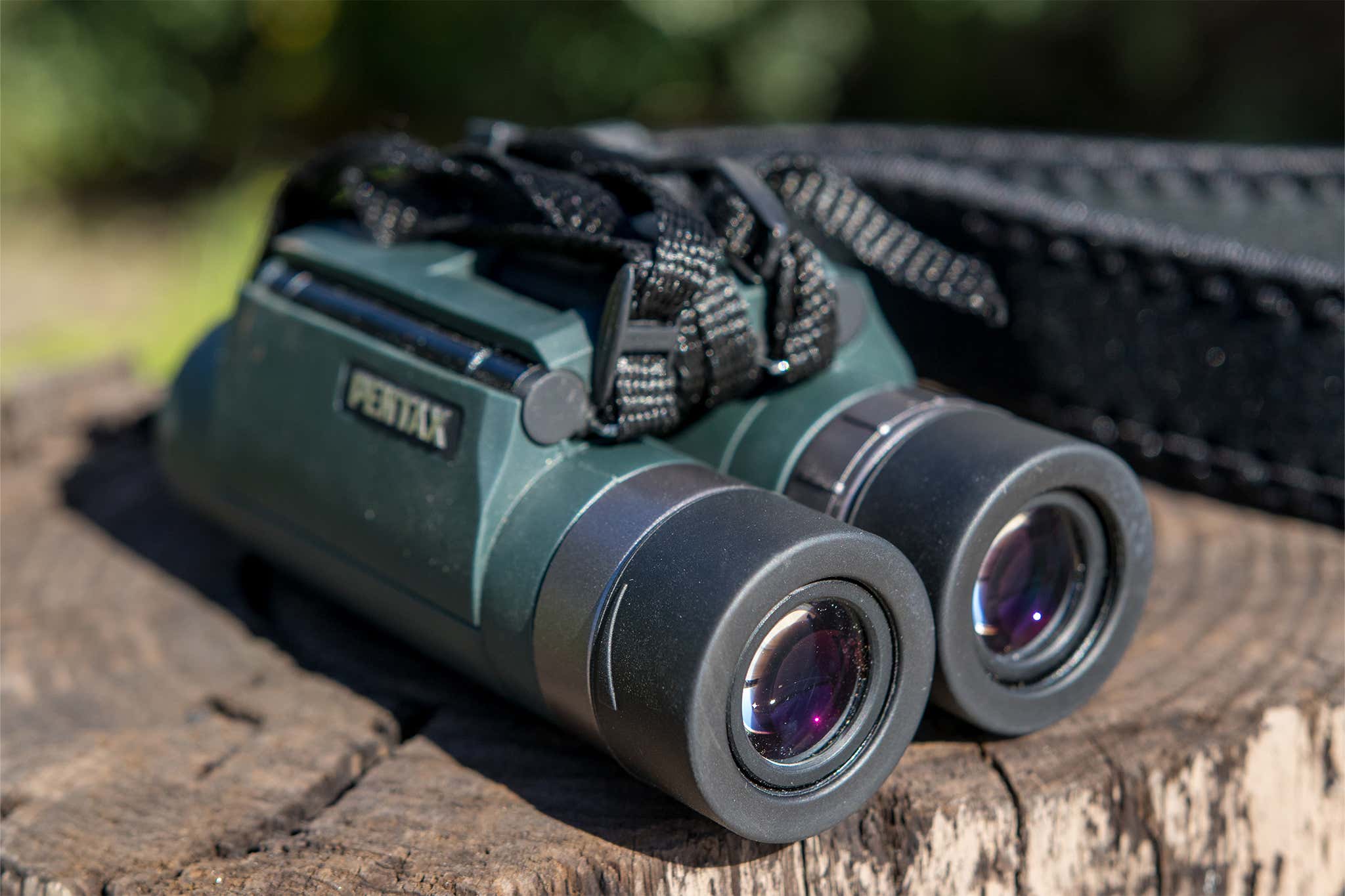
Understanding Binocular Specs
Before diving into specific models, it’s important to understand the numbers you’ll encounter when shopping for binoculars. These specs determine how you’ll experience the world through the lenses. Two numbers are always prominently displayed: magnification and objective lens diameter. For example, 8x42 or 10x50.
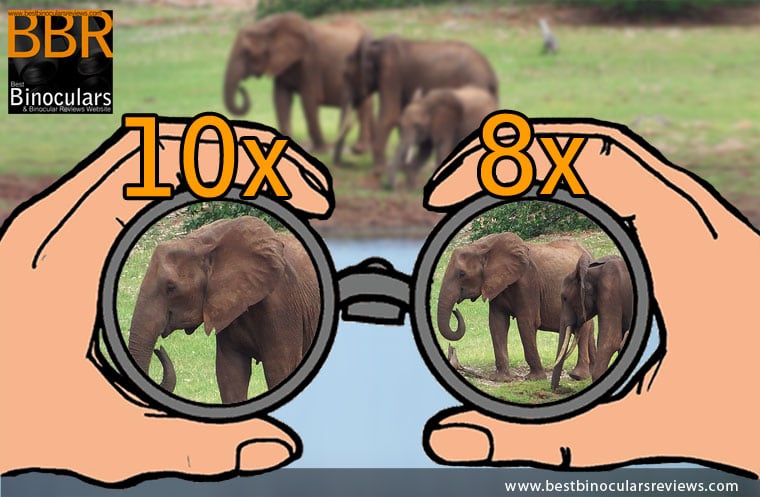
Magnification, the first number, indicates how much larger the image appears compared to viewing with the naked eye. An 8x binocular magnifies the image eight times. Higher magnification isn’t always better. While it brings distant birds closer, it also narrows the field of view and can make the image appear shaky. 8x and 10x are the most common choices for birding; 8x offers a wider field of view, while 10x provides more detail.
The second number refers to the diameter of the objective lens in millimeters. This lens gathers light, so a larger diameter results in a brighter image, especially in low-light conditions. A 42mm objective lens is a good all-around choice, offering a balance between brightness and portability. 50mm lenses are brighter but also heavier and bulkier.
Beyond magnification and objective lens size, other specs are important. Field of view is the width of the area you can see through the binoculars, measured in feet at 1000 yards or degrees. A wider field of view makes it easier to locate and track moving birds. Eye relief is the distance between your eye and the eyepiece, crucial for comfortable viewing, especially if you wear glasses. Finally, exit pupil – calculated by dividing the objective lens diameter by the magnification – determines the brightness of the image reaching your eye. A larger exit pupil is better for low-light viewing.
- Magnification: How much larger the image appears.
- Objective Lens Diameter: How much light the binoculars gather.
- Field of View: The width of the area you can see.
- Eye Relief: Distance for comfortable viewing with glasses.
- Exit Pupil: Brightness of the image reaching your eye.
Binocular Specs & Birding Scenarios: Suitability Guide
| Magnification | Objective Lens | Field of View | Open Fields | Dense Forest | Shorebirds | Long-Distance Viewing |
|---|---|---|---|---|---|---|
| 8x | 42mm | 132 degrees | Good | Good | Good | Okay |
| 10x | 42mm | 110 degrees | Good | Okay | Good | Good |
| 8x | 32mm | 140 degrees | Good | Okay | Good | Okay |
| 12x | 50mm | 90 degrees | Okay | Poor | Okay | Good |
| 10x | 50mm | 100 degrees | Good | Poor | Good | Good |
| 8x | 50mm | 130 degrees | Good | Good | Good | Okay |
| 12x | 42mm | 85 degrees | Okay | Poor | Okay | Good |
Illustrative comparison based on the article research brief. Verify current pricing, limits, and product details in the official docs before relying on it.
Top Binoculars for Birding (2026)
Finding the best binoculars depends heavily on your budget and specific needs. Here's a roundup of top contenders in 2026, categorized by price point. Keep in mind that prices can fluctuate, but these ranges are current as of late 2025.
Under $300: For beginners or casual birders, the Nikon Prostaff 3S 8x42 ($189) is a fantastic value. They’re lightweight, waterproof, and offer good image quality for the price. While not as bright or sharp as more expensive models, they’re a solid starting point. The Celestron Nature DX 8x42 ($140) is another strong contender in this price range, known for its comfortable eye relief.
$300-$600: Stepping up in price brings noticeable improvements in optical quality. The Vortex Diamondback HD 8x42 ($450) is a popular choice, praised for its clarity, brightness, and durable construction. Vortex also offers an excellent lifetime warranty. The Athlon Argos UHD 8x42 ($380) is a close competitor, offering comparable performance at a slightly lower price.
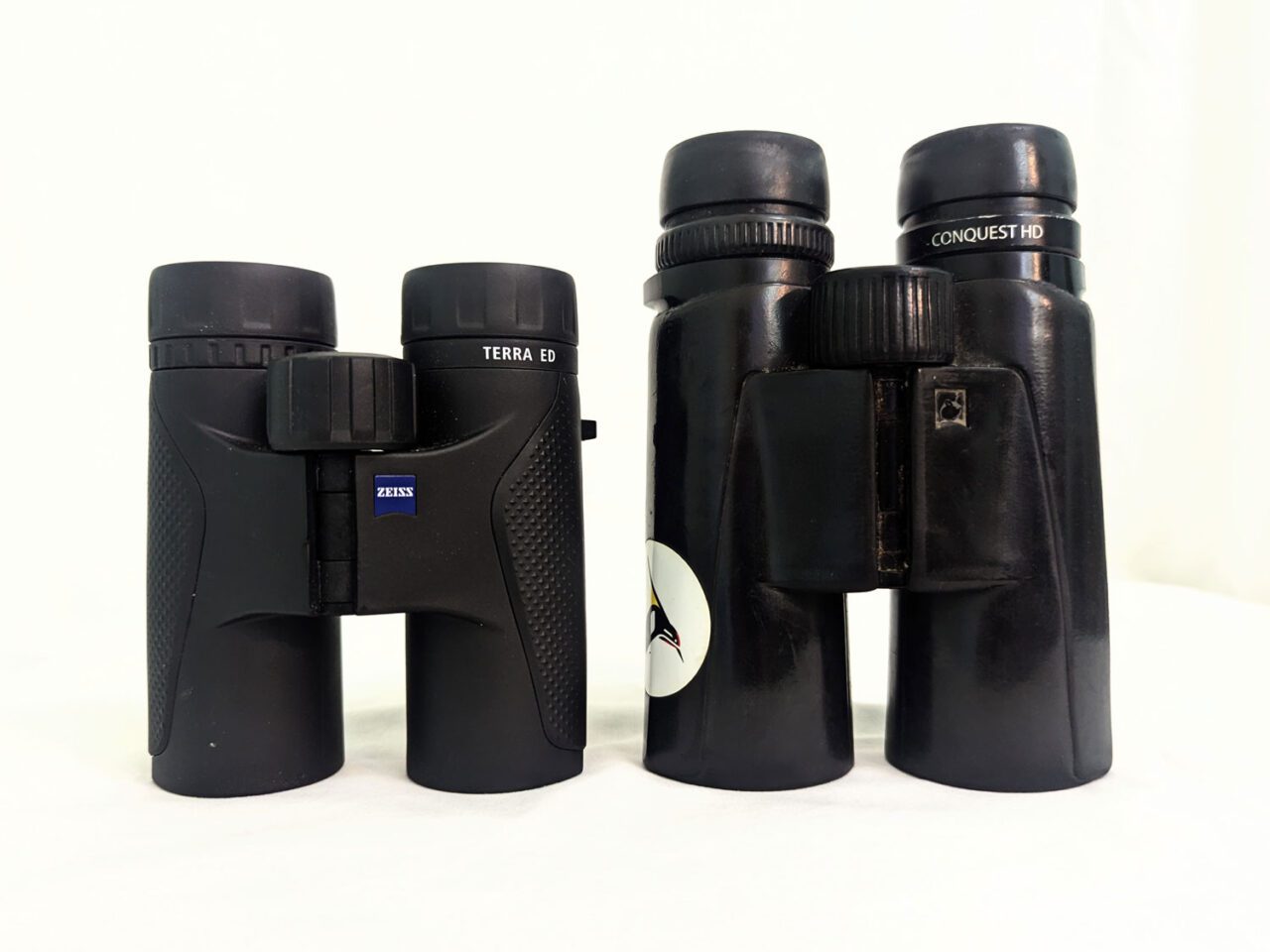
$600-$1000: This is where you start to see significant gains in image quality and features. The Zeiss Conquest HD 8x42 ($799) is renowned for its exceptional sharpness and color fidelity. It's a favorite among serious birders. The Swarovski EL 8x42 ($999) is another top performer, offering incredible clarity, brightness, and a wide field of view.
Over $1000: At this level, you’re entering the realm of premium optics. The Leica Noctivid 8x42 ($1600) is considered by many to be the gold standard in birding binoculars, boasting unparalleled image quality and build quality. The Swarovski NL Pure 8x42 ($1700) is a worthy competitor, offering a similar level of performance and innovation.
With Camera Functionality: The Bushnell Powerview 10x42 Digital Camera Binoculars ($250, Digital Camera World) offer a unique combination of optics and digital photography. While the image quality isn’t on par with dedicated cameras, they allow you to capture quick snapshots of birds you’ve spotted. This is a good option for documenting your sightings. Note: image quality will be lower than a dedicated camera.
It’s important to remember that specs don’t tell the whole story. Personal preference plays a huge role. If possible, try out different binoculars before making a purchase to see which ones feel most comfortable and provide the best viewing experience for you.
Featured Products

ED glass for exceptional clarity and color · Wide field of view to easily track birds · Waterproof, fogproof, and oil/water repellent coating for all-weather use
These binoculars offer a range of features and price points, ensuring every birder can find the perfect optical companion for their next adventure.

HD Optical System for superior image quality · Durable, waterproof, fogproof, and shockproof construction · Non-slip grip for secure handling
These binoculars offer a range of features and price points, ensuring every birder can find the perfect optical companion for their next adventure.

BaK-4 prisms and fully multi-coated lenses for bright, clear images · Wide 7.4° field of view for effortless bird spotting · Waterproof and fogproof design for all-weather performance
These binoculars offer a range of features and price points, ensuring every birder can find the perfect optical companion for their next adventure.

IPX7 waterproof rating for submersion protection · Lightweight design for comfortable carrying · Versatile for hunting, travel, and camping
These binoculars offer a range of features and price points, ensuring every birder can find the perfect optical companion for their next adventure.
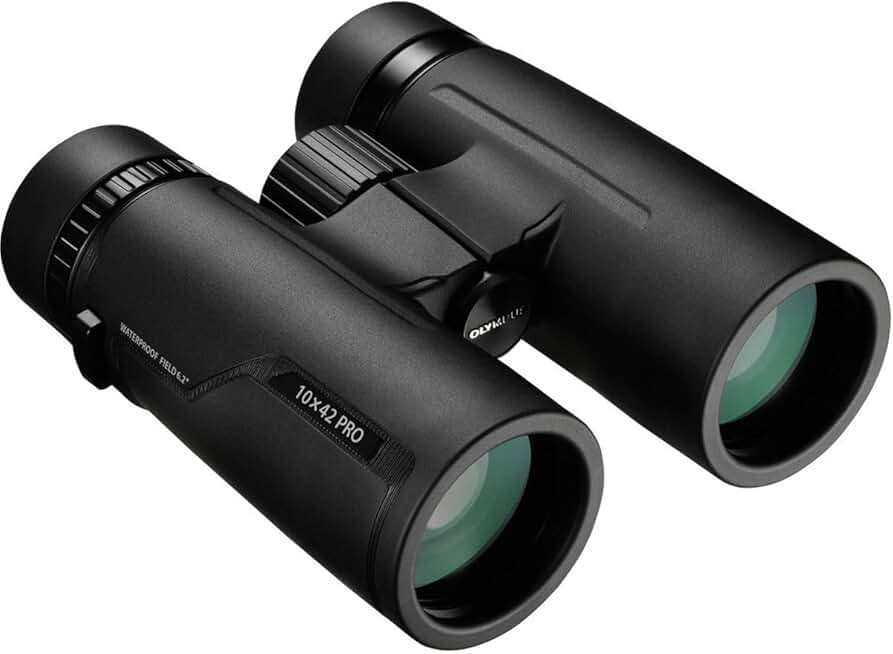
Advanced optical performance for professional-grade viewing · Robust and durable construction · Ergonomic design for comfortable extended use
These binoculars offer a range of features and price points, ensuring every birder can find the perfect optical companion for their next adventure.
As an Amazon Associate I earn from qualifying purchases. Prices may vary.
AI Binoculars: A Deeper Look
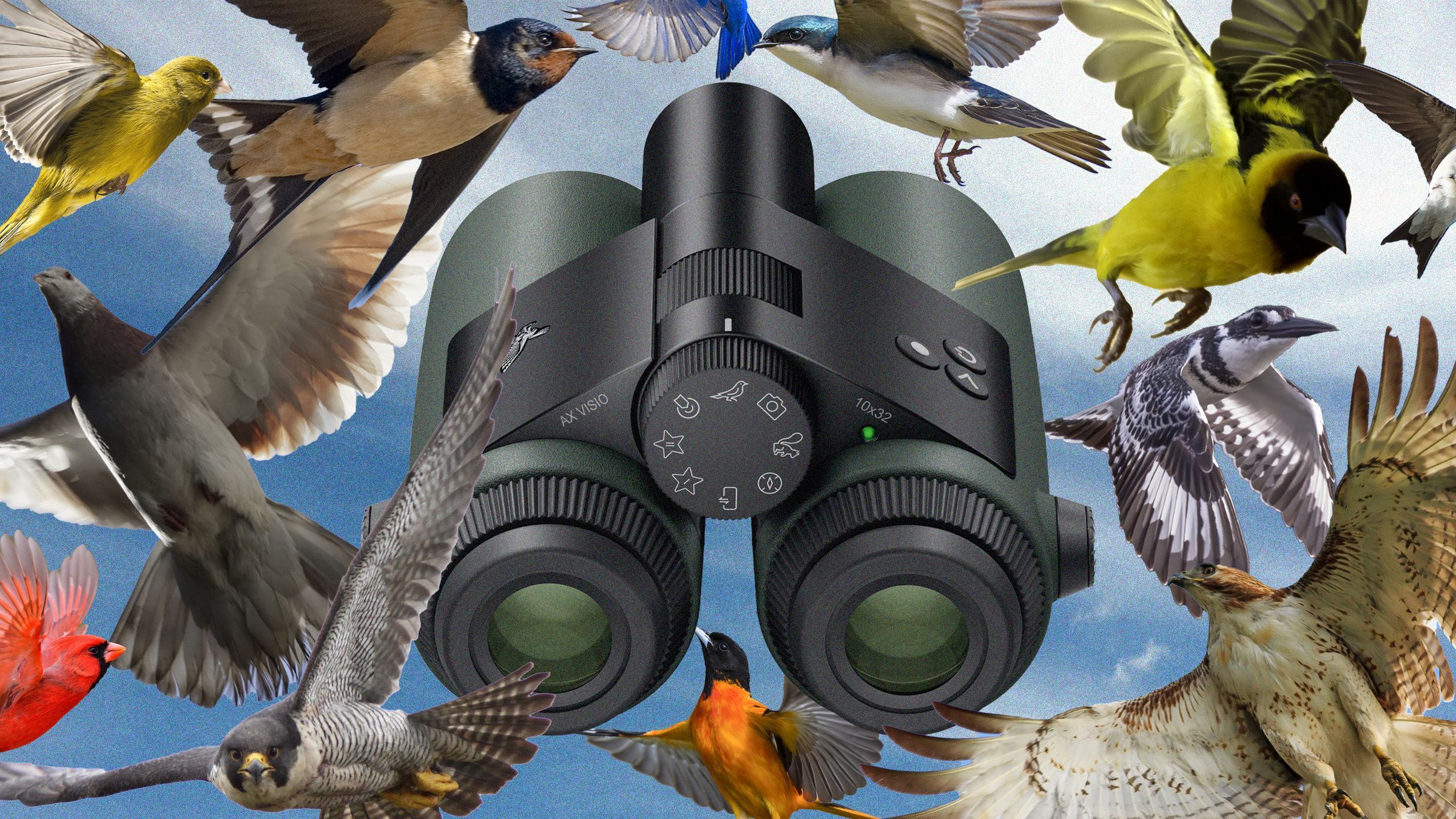
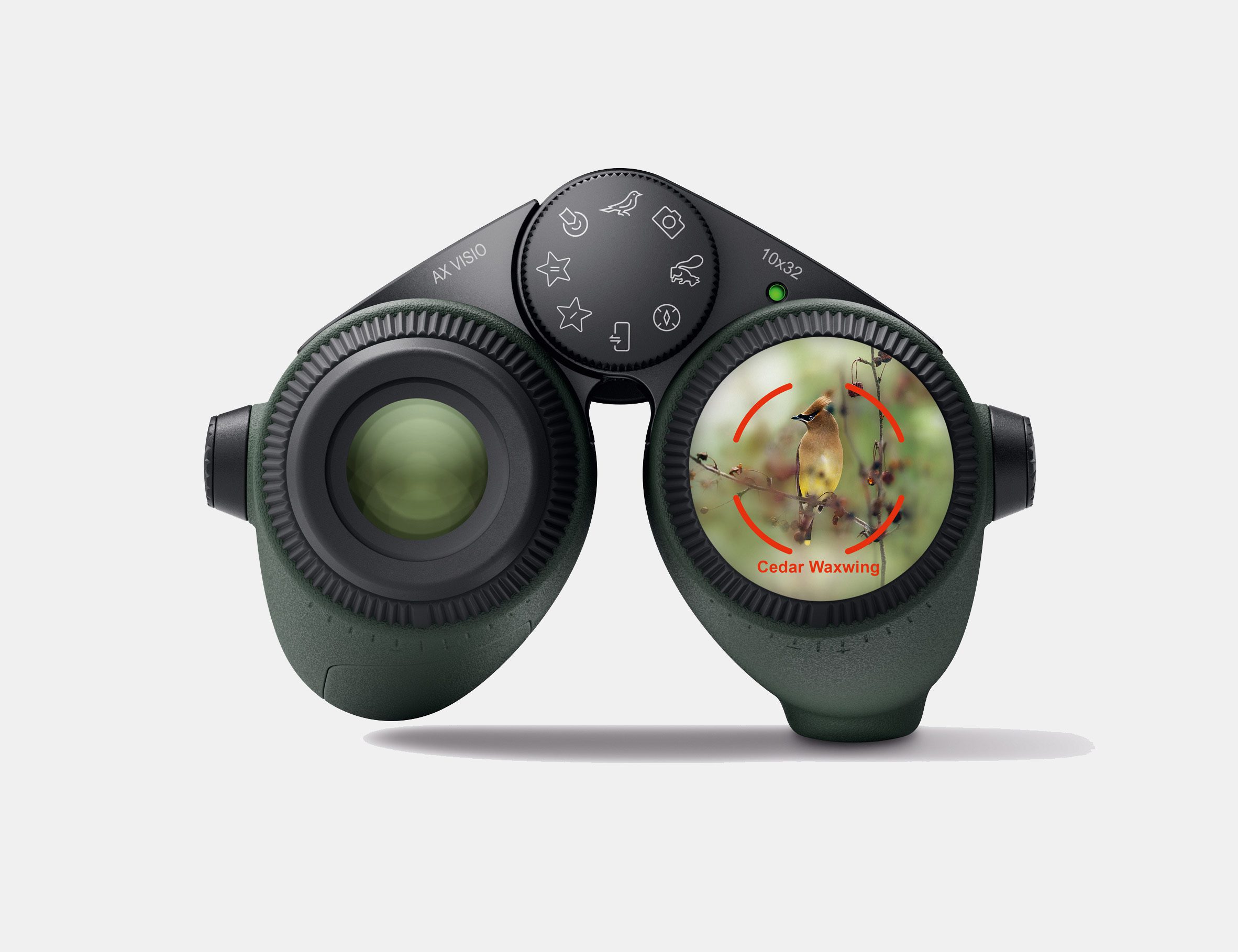
The Swarovski AX Visio, as featured in the Wired article and showcased on YouTube (though access to the video is currently restricted), represents the cutting edge of binocular technology. These AI-powered binoculars aim to identify bird species in real-time, offering a helping hand to birders of all levels. They use a combination of image recognition software and a built-in database of bird species.
The benefits are clear: instant identification, reduced reliance on field guides, and the potential for automated data logging. Imagine pointing the binoculars at a bird and immediately knowing its name and key characteristics. This can be particularly useful for identifying difficult-to-distinguish species or birds you’ve never seen before.
However, there are also drawbacks. Battery life is a concern, as the AI processing requires significant power. The cost of these binoculars is also significantly higher than traditional models. Furthermore, the accuracy of the AI identification isn't always perfect. Factors like lighting conditions, bird posture, and the completeness of the database can all affect performance. I’m not sure how reliable these systems are in real-world, variable conditions.
The current state of AI binocular technology is still evolving. Expect to see improvements in accuracy, battery life, and features in the coming years. The integration of AI into optics is a promising development, but it’s important to approach it with realistic expectations.
Beyond the Big Names: Standout Options
While the major brands dominate the market, several smaller companies offer compelling alternatives. Maven Optics is a relatively new player that has quickly gained a reputation for producing high-quality binoculars at competitive prices. Their B.1 8x42 ($800) is a great option for birders looking for premium performance without the premium price tag.
Meopta Optika HD 8x42 ($650) is another brand worth considering. They’re known for their exceptional optical clarity and robust construction. Meopta binoculars are often favored by hunters and outdoor enthusiasts, but they perform equally well for birding.
Finally, TC Optics offers a range of binoculars with unique features and customization options. They cater to a niche market of serious birders who demand the best possible performance.
Binocular Care & Maintenance
Binoculars are an investment, and proper care will extend their lifespan and maintain their performance. Regular cleaning is essential. Use a quality lens cleaning kit that includes a microfiber cloth, lens cleaning solution, and a brush to remove dust and debris.
Avoid using harsh chemicals or abrasive materials, as these can damage the lens coatings. When storing your binoculars, keep them in a protective case to prevent scratches and impacts. Avoid exposing them to extreme temperatures or humidity. If your binoculars are waterproof, ensure the seals are intact.
Consider having your binoculars professionally serviced every few years to ensure they’re properly aligned and functioning optimally. A professional cleaning and adjustment can significantly improve image quality and overall performance.
Finding the Right Fit: A Quick Checklist
Still unsure which binoculars are right for you? Here’s a quick checklist to help narrow down your choices.
Consider these questions as you evaluate your options:
- What’s your budget?
- What kind of birding do you do (backyard, hiking, travel)?
- Do you wear glasses?
- Do you need waterproof binoculars?
- Is AI functionality important to you?
No comments yet. Be the first to share your thoughts!