
Watching comet C/2023 A3
Comet C/2023 A3 (Tsuchinshan-ATLAS) might be the brightest thing in the 2026 sky. Early math suggests it could hit a magnitude of -3. If that holds, you won't even need a telescope to see it, but a pair of binoculars will turn a fuzzy smudge into a detailed event.
While large telescopes will provide stunning detail of the comet’s nucleus, binoculars excel at showing the broader context. A wider field of view allows you to see the comet’s tail stretching across the sky, something easily missed in the narrow view of a telescope. They’re also far simpler to use; no complicated setup or tracking is required to enjoy the view. You just point and observe.
Beyond the comet, 2026 offers favorable viewing of several planets. Jupiter and Saturn will be well-placed for observation, and even Uranus and Neptune are accessible with a steady hand and a good pair of binoculars. Having a versatile instrument capable of both comet and planetary viewing is a significant advantage for the enthusiastic stargazer.
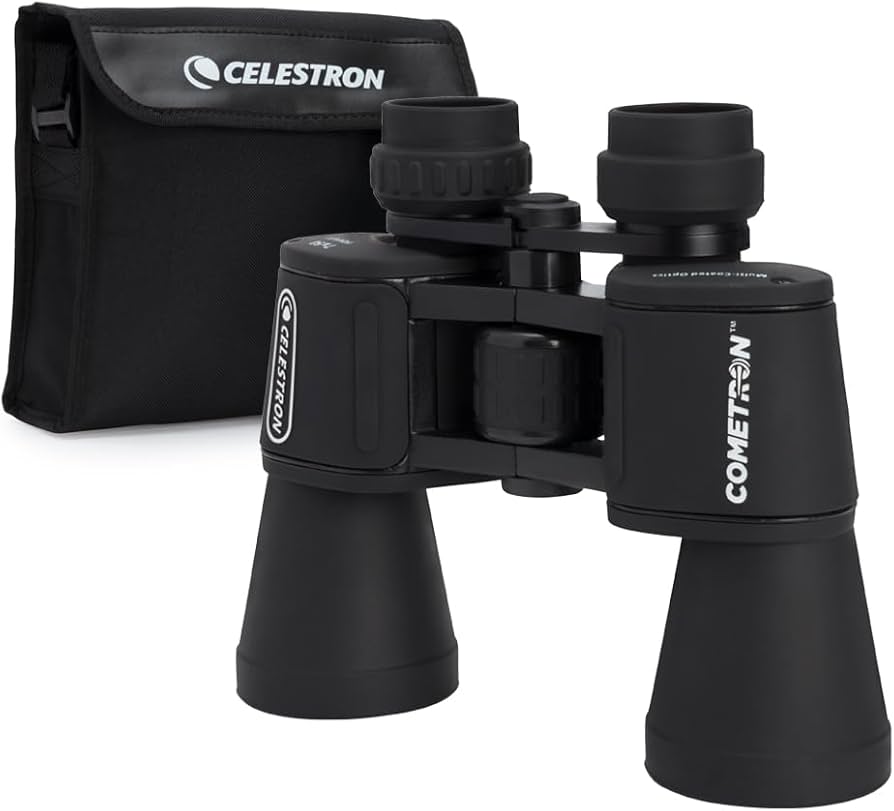
The trade-off between magnification and aperture
The two most important specifications for astronomy binoculars are magnification and aperture. It’s a relationship many beginners misunderstand. More magnification isn’t always better. In fact, pushing magnification too high with a small aperture results in a dim, blurry image. The aperture – the diameter of the objective lenses – determines how much light the binoculars can gather.
Big lenses catch more light. That's how you see the faint stuff. The downside is weight and cost. I once spent a freezing night trying to find nebulae with high-power, tiny-lens binoculars; all I got was a blurry grey mess. I'll take a heavier, wider lens over high magnification any day.
Another critical concept is the exit pupil. This is the diameter of the beam of light exiting the eyepiece. It’s calculated by dividing the objective lens diameter by the magnification. For optimal dark adaptation, you want an exit pupil of at least 3mm, and preferably larger. A larger exit pupil is easier on your eyes and provides a brighter image, especially in low-light conditions.
Binocular Specs for Deep-Sky Viewing
For serious astronomy, including comet and deep-sky object viewing, specific binocular specifications are crucial. An aperture of 70mm or larger is highly recommended. This allows for sufficient light gathering to reveal faint details in nebulae and galaxies, and to brighten the comet’s coma and tail. While 50mm binoculars are usable, they’ll show significantly less detail.
Magnification in the 7x to 15x range is a sweet spot. Lower magnifications provide a wider field of view, making it easier to locate objects, while higher magnifications allow for closer examination. I find 10x magnification to be a versatile choice for a wide range of astronomical targets. Avoid anything above 20x unless the binoculars have excellent stabilization.
Field of view is another important consideration. A wider field of view makes it easier to scan the sky and locate objects. Look for binoculars with a field of view of at least 4 degrees. Finally, and this is non-negotiable, ensure the binoculars have fully multi-coated lenses. This minimizes light loss due to reflection and maximizes image brightness and contrast.
Binoculars to watch in 2026
The market for astronomy binoculars is diverse, with options to suit various budgets and observing needs. Here are a few standouts I expect to be popular in 2026, based on current trends and performance.
Celestron Skymaster 25x70: A classic choice for budget-conscious astronomers. These offer a large aperture and high magnification at a reasonable price. While the build quality isn’t premium, they deliver surprisingly good views of planets and brighter deep-sky objects. ($200)
Nikon Aculon A211 10x50: A well-rounded option offering a good balance of performance and affordability. These are lightweight, easy to handle, and provide bright, clear images. They’re a great all-around choice for both terrestrial and astronomical viewing. ($250)
Oberwerk Mariner 15x70: Known for their excellent optics and robust construction. These binoculars offer a wide field of view and deliver sharp, detailed images. They’re a step up in quality from the Celestron and Nikon models. ($400)
Unistellar ENVISION: Representing the 'smart' binocular category, the ENVISION automatically locates and tracks celestial objects. The image stacking technology significantly enhances the visibility of faint details. They’re a significant investment, but offer a unique and user-friendly experience. ($2000)
Vixen HR10x32: A high-end option for discerning observers. These binoculars feature exceptional optics and build quality, delivering stunningly sharp and contrast-rich images. They’re lightweight and comfortable to hold, making them ideal for extended observing sessions. ($1500)
Fujinon FMTRC-X 10x50: These are a professional-grade instrument offering outstanding optical performance. Known for their exceptional clarity and color fidelity, they are a favorite among serious astronomers. ($2800)
Featured Products

15x magnification and 70mm objective lenses for enhanced celestial viewing · Multi-coated optics for improved light transmission and image clarity · Includes tripod adapter for stable long-range viewing and a protective carry case
These binoculars offer a powerful combination of magnification and aperture, making them ideal for capturing faint details of comets and planets.

10x magnification with 42mm objective lenses for a bright and wide field of view · ED (Extra-low Dispersion) glass minimizes chromatic aberration for sharper images · Waterproof, fogproof, and rubber-armored construction ensures durability in various conditions
The Nikon MONARCH M7 provides exceptional clarity and a wide field of view, perfect for sweeping the night sky and observing planetary details with minimal distortion.

10x magnification and 50mm objective lenses for bright, detailed observations · HD Optical System delivers high definition images with excellent color and contrast · Waterproof, fogproof, and shockproof design with a non-slip grip for rugged use
With its robust construction and high-definition optics, the Vortex Diamondback HD is a reliable choice for observing celestial objects in any environment.
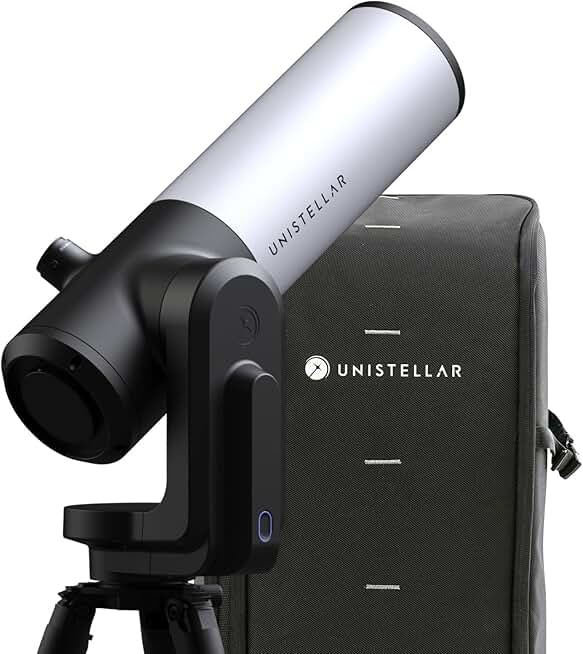
Smart telescope with integrated camera and computer for automated celestial object detection · Compact and portable design for easy deployment · Includes a dedicated backpack for convenient transport
This smart telescope simplifies astrophotography and observation, allowing for easy identification and viewing of comets and planets with minimal user input.

25x magnification and 100mm giant aperture lenses for superior light gathering · Multi-coated optics enhance contrast and resolution for deep-sky objects · Includes a tripod adapter for stable viewing and a carrying case for protection
The massive aperture of these Celestron SkyMaster binoculars captures an exceptional amount of light, crucial for observing faint details of Comet C/2023 A3 and distant galaxies.
As an Amazon Associate I earn from qualifying purchases. Prices may vary.
The rise of smart binoculars
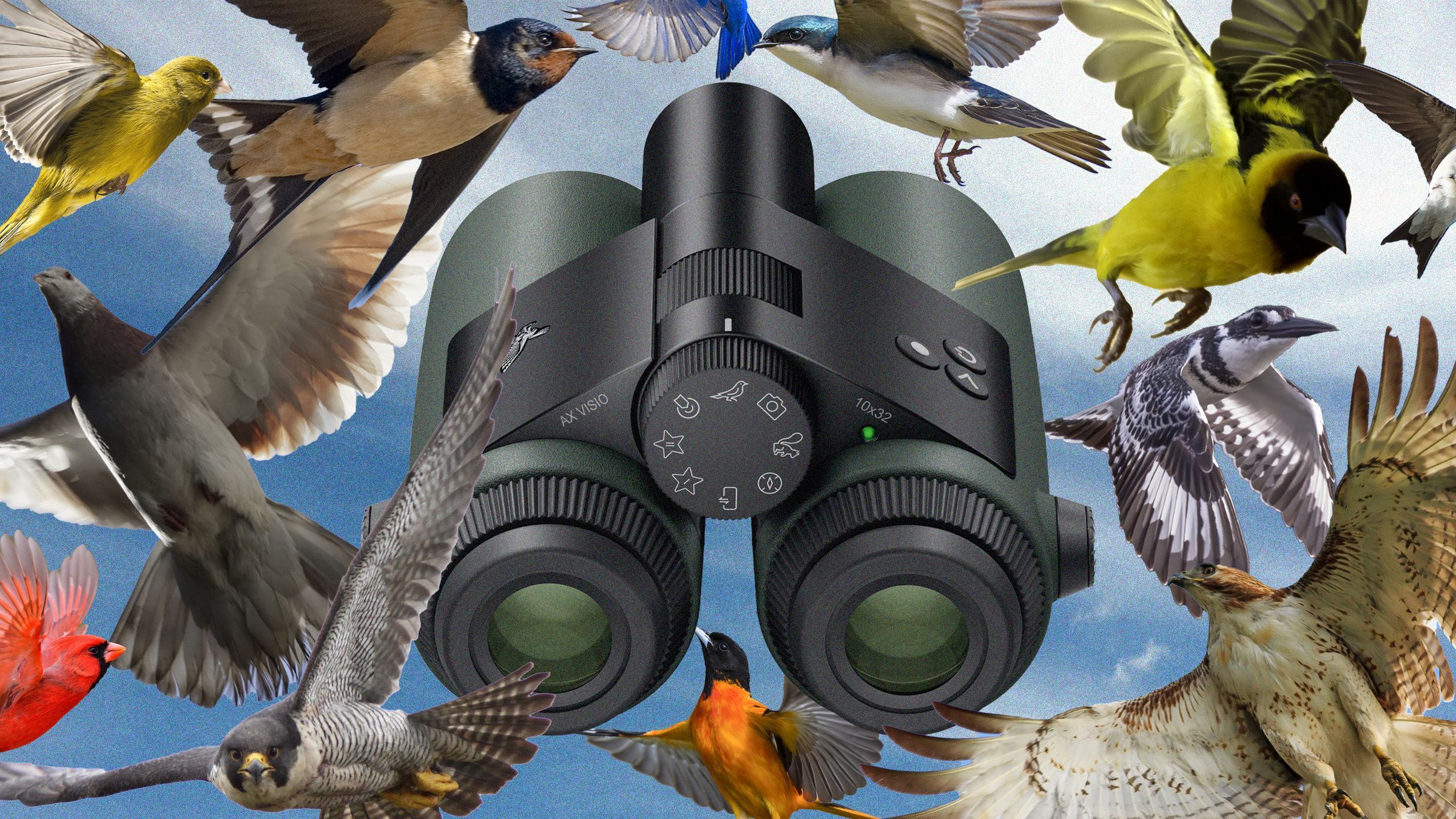
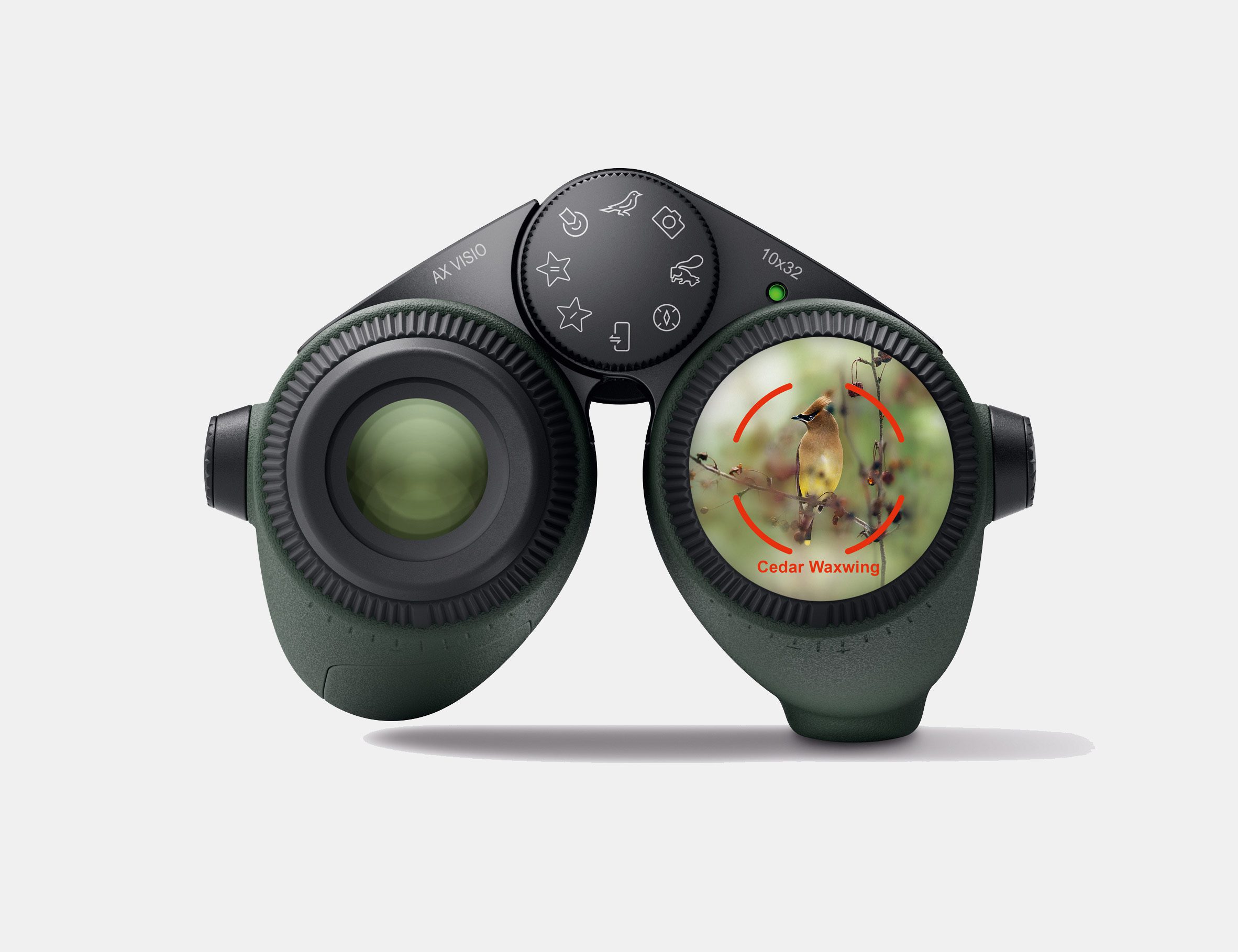
The emergence of 'smart' binoculars, exemplified by the Unistellar ENVISION, is a significant development in the astronomy world. These binoculars integrate technology like automated object location, image stacking, and app integration to enhance the stargazing experience. The app guides you to objects, and the binoculars automatically adjust to keep them in view.
Image stacking is a particularly useful feature. It combines multiple short-exposure images to create a brighter, more detailed view, revealing faint details that would otherwise be invisible. These features make astronomy more accessible to beginners, removing much of the learning curve associated with traditional observing.
I'm still wary of these. If your battery dies or the software hangs, you're left holding an expensive paperweight. There is something better about star hopping manually—finding the object yourself feels like more of an achievement than letting an app do the work.
Stabilization: Reducing Shake
Handheld astronomy viewing, especially at higher magnifications, is prone to shake. Image stabilization significantly reduces this shake, providing a steadier, more comfortable viewing experience. This is particularly beneficial for those without a tripod, or who prefer the portability of handheld observing.
Different stabilization technologies exist. Some use mechanical systems, while others employ electronic image stabilization. Electronic stabilization generally performs better, but it can also be more expensive. The effectiveness of stabilization varies between models, with some offering more pronounced stabilization than others.
What level of stabilization is 'good enough'? It depends on your individual sensitivity to shake and the magnification you’re using. A basic level of stabilization can make a noticeable difference at 10x magnification, while more advanced stabilization is necessary for comfortable viewing at 15x or higher. Expect to pay a premium for effective stabilization.
Astronomy Binocular Comparison: 2026 Stargazing Performance
| Model | Magnification & Objective Lens | Image Stability | Handheld Use | Overall Value |
|---|---|---|---|---|
| Celestron SkyMaster 25x70 | 25x, 70mm | Poor | Fair | Good |
| Nikon Aculon A211 16x50 | 16x, 50mm | Fair | Good | Good |
| Vortex Diamondback HD 10x50 | 10x, 50mm | Fair | Excellent | Excellent |
| Unistellar Envision | 25x - 50x, 50mm (Smart Binoculars) | Excellent (Digital Stabilization) | Excellent | Excellent |
| Oberwerk Mariner 15x70 | 15x, 70mm | Poor | Fair | Good |
| Leupold BX-2 Alpine HD 12x50 | 12x, 50mm | Fair | Excellent | Very Good |
Illustrative comparison based on the article research brief. Verify current pricing, limits, and product details in the official docs before relying on it.
Accessories and Enhancements
Several accessories can significantly enhance your astronomy binocular experience. A tripod adapter is essential for long observing sessions, providing a stable platform and reducing fatigue. A comfortable carrying case protects your binoculars during transport and storage.
Dew shields are useful in humid environments, preventing condensation from forming on the objective lenses. Astronomy apps, such as SkySafari or Stellarium, can help you locate objects and plan your observing sessions. A red light flashlight is crucial for preserving your night vision – white light will ruin your dark adaptation.
Don’t underestimate the importance of comfortable clothing. Observing can involve long periods of standing or sitting in cold temperatures. Dress in layers and consider a comfortable chair or observing mat. These seemingly small details can make a big difference in your overall enjoyment.
- Tripod adapter
- Carrying case
- Dew shield
- SkySafari or Stellarium apps
- Red light flashlight

No comments yet. Be the first to share your thoughts!