
Seeing Clearly: Binocular Size Explained
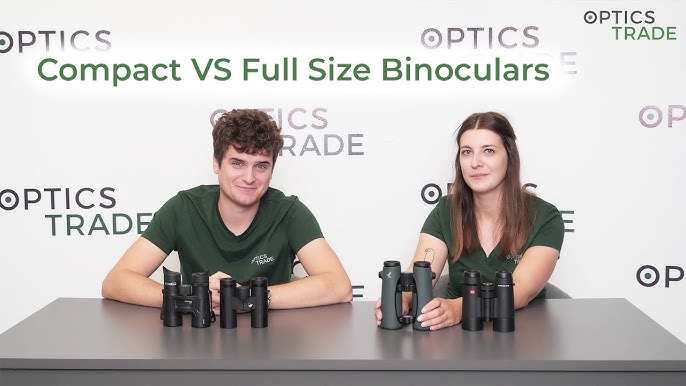
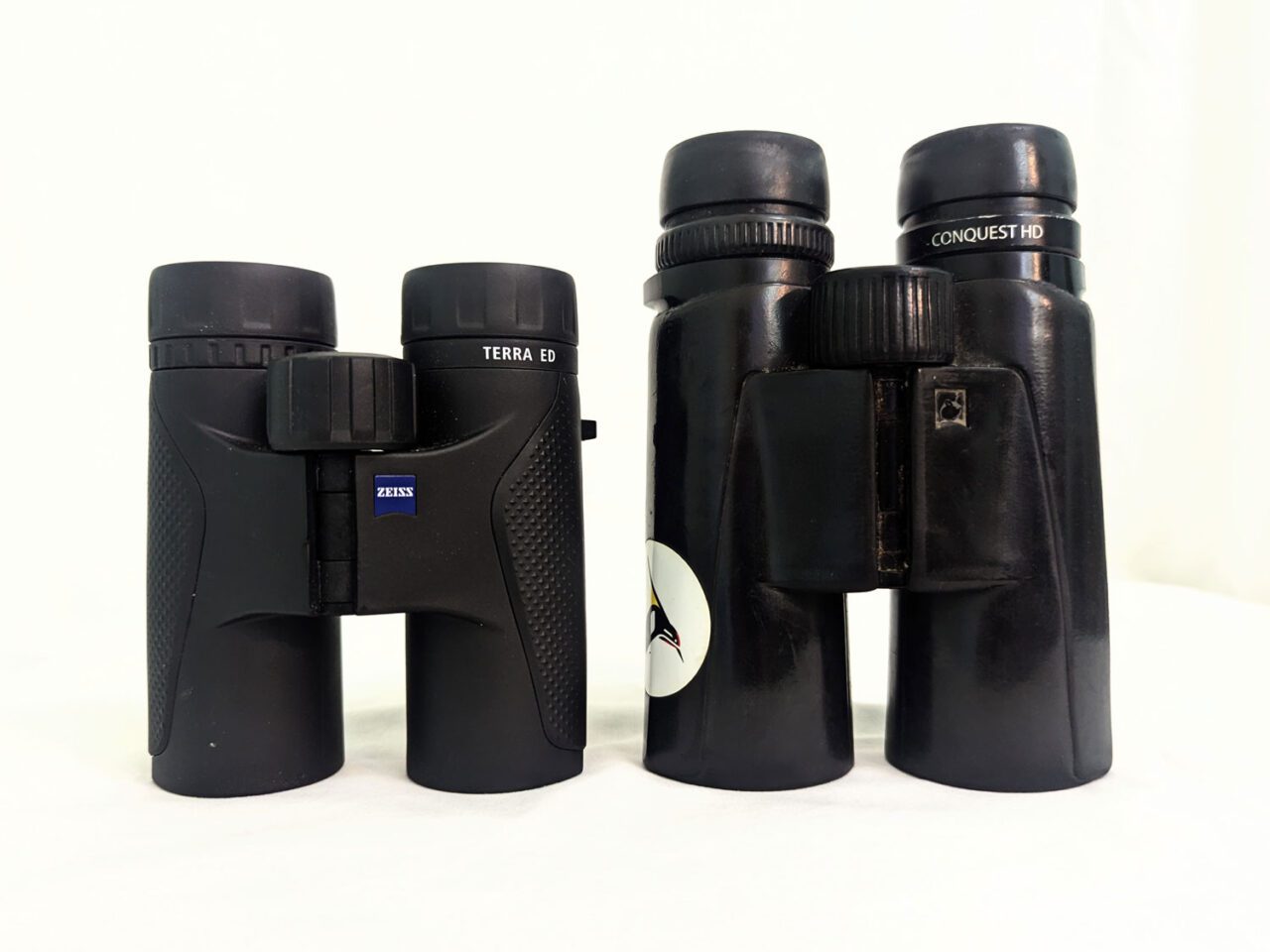
Compact and full-size binoculars differ in feel and performance. Full-size binoculars, typically with 42mm objective lenses, are larger and heavier, built for maximum light gathering. Compact binoculars, often with 32mm or smaller objectives, focus on portability. This affects weight, brightness, and field of view.
A larger objective lens gathers more light, similar to a bigger bucket catching rain, but it also adds weight. Magnification, common at 8x, 10x, and 12x, brings subjects closer but can narrow the field of view and increase shakiness. A 10x42 is a common full-size choice, while 10x32 is popular for compacts.
Full-size binoculars are best for low-light conditions like dawn, dusk, or dense forests, and for stargazing. Compact binoculars are ideal for travel, backpacking, and hiking, as they are easier to carry and store. Your choice depends on your priorities and intended use.
Weight and Portability: The Compact Advantage
Carrying unnecessary weight is undesirable on long hikes. Compact binoculars usually weigh 8 to 16 ounces, while full-size models can exceed 20 ounces, sometimes reaching over 35 ounces with larger objectives and features. This weight difference becomes apparent over distance.
Compact binoculars are easier to store in a daypack or jacket pocket, a significant advantage for travel where space is limited. However, their lighter weight can lead to more image shake, requiring bracing for a stable view.
My 10x32 compact binoculars are my go-to for hikes due to their convenience. The ease of having them readily available often outweighs the slight reduction in optical performance for my typical use.
- Backpacking: Every ounce counts.
- Travel: Save valuable space in your luggage.
- Everyday Carry: Easy to keep with you for spontaneous observations.
Brightness and Exit Pupil: Where Full-Size Wins
Larger objective lenses gather more light, which is crucial in low-light conditions such as dawn, dusk, or dense forests. A 42mm lens gathers more light than a 32mm lens, producing a brighter, more detailed image.
The 'exit pupil' is the diameter of the light beam leaving the eyepieces, calculated by dividing the objective lens diameter by the magnification (e.g., 42mm / 10x = 4.2mm for a 10x42 binocular). A larger exit pupil allows more light to reach the eye, which is helpful for eyeglass wearers.
Lens coatings significantly impact performance. Multi-layer coatings reduce reflection and increase light transmission, enhancing brightness and contrast. Binoculars with good coatings offer a brighter, sharper image than those with basic coatings, even with identical objective lens sizes.
Field of View: Scanning the Horizon
Field of view (FOV) is the width of the visible area at 1000 yards. A wider FOV aids in locating and tracking moving subjects like birds or wildlife. Full-size binoculars typically have a wider FOV than compact models.
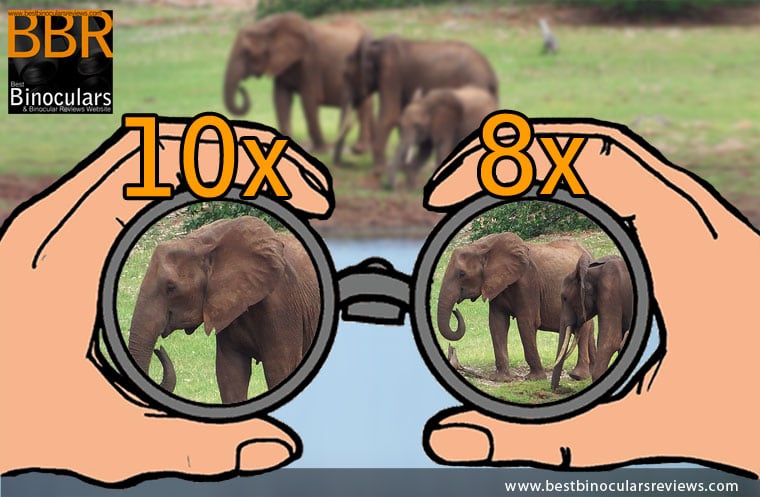
Higher magnification usually means a narrower FOV; a 10x binocular has a smaller view than an 8x of the same size because it magnifies a smaller area. A wider FOV is often preferred for stargazing to see more of the night sky.
When comparing binoculars, check the FOV. A wider FOV is generally beneficial, especially for tracking fast-moving subjects. For stationary objects, a narrower FOV may be less critical.
- Wide FOV: Easier tracking of moving subjects.
- Narrow FOV: Higher magnification, more detail on stationary objects.
- Stargazing: Wider FOV to see more of the night sky.
Binocular Size vs. Use Case
| Activity | Weight | Brightness | Field of View (FOV) | Portability |
|---|---|---|---|---|
| Birding | Lighter weight models are preferred for extended use. | Good brightness is helpful, especially in low-light conditions, but not always essential. | High FOV is crucial for quickly locating and tracking birds. | Compact binoculars are suitable, but full-size offer a more stable image. |
| Hunting | Weight is a consideration for all-day carries; balance with optical performance. | Brightness is very important, particularly for dawn and dusk hunting. | FOV needs to balance wide views with manageable magnification. | Both sizes are used; choice depends on terrain and hunting style. |
| Stargazing | Weight is less critical, as binoculars are often used mounted. | High brightness is essential for gathering faint light from celestial objects. | FOV is less critical than magnification and aperture. | Full-size binoculars are generally preferred for their larger apertures and stable viewing. |
| Travel | Lightweight and compact are highly desirable to minimize baggage. | Acceptable brightness is needed, but often traded off for size and weight. | Moderate FOV is sufficient for general sightseeing. | Compact binoculars are the clear choice for travel due to their portability. |
| General Outdoor Use | Moderate weight is acceptable, prioritizing versatility. | Good brightness is beneficial for varied lighting conditions. | A wide FOV is useful for scanning landscapes. | Both sizes are viable, depending on intended activities. |
| Marine/Boating | Waterproof models are essential; weight is a factor on smaller boats. | Brightness is important for dealing with glare and varying light. | Moderate to wide FOV is helpful for scanning the horizon. | Full-size binoculars often preferred for stability on water. |
| Wildlife Observation (General) | Balance between weight and optical quality is important. | Good brightness helps in low-light forest environments. | FOV should be wide enough to locate animals quickly. | Both sizes can be used, depending on the expected viewing distance. |
Illustrative comparison based on the article research brief. Verify current pricing, limits, and product details in the official docs before relying on it.
2026 Binocular Tech: AI and Beyond
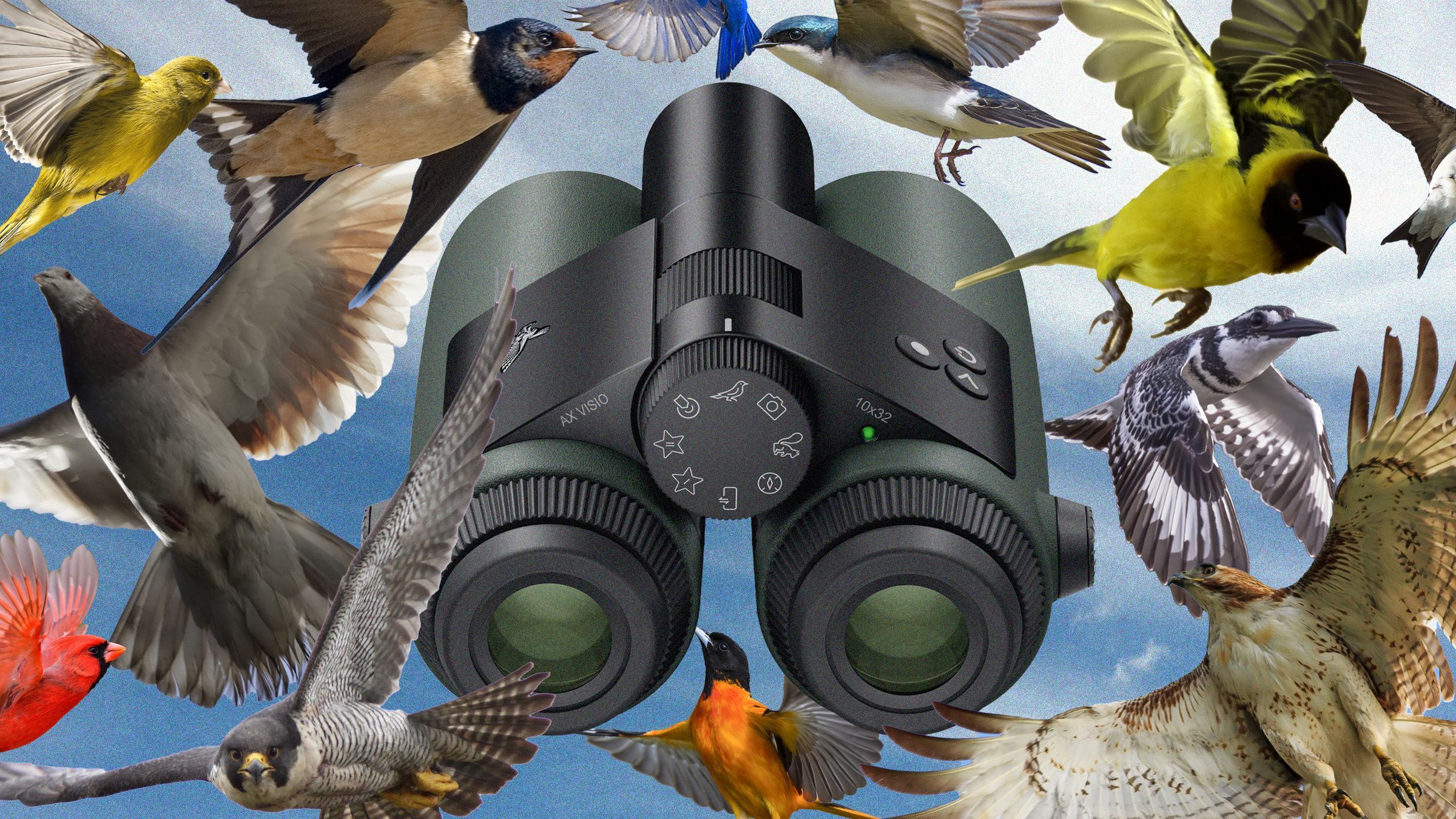
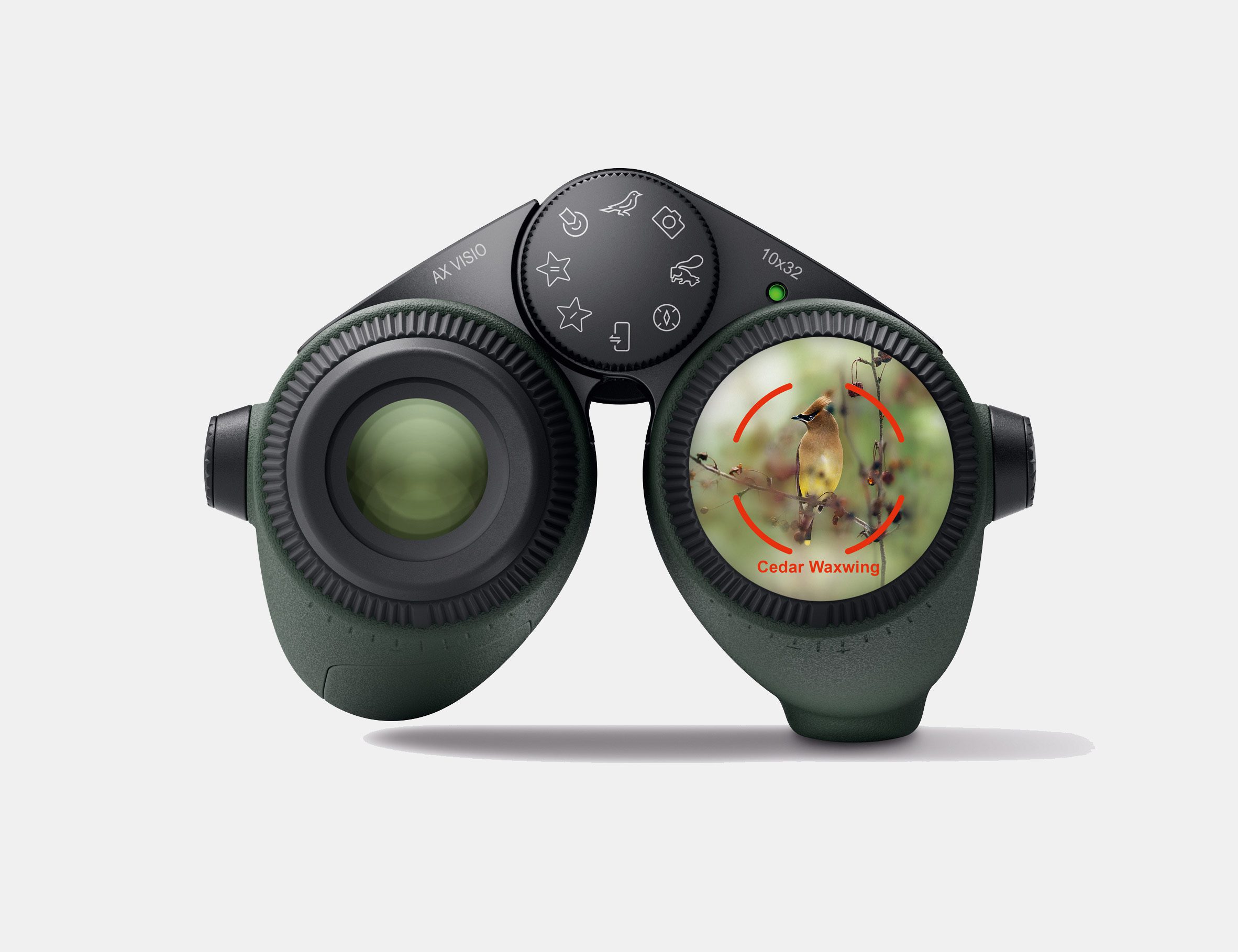
Binoculars are evolving with technology. Some AI-powered models can identify birds and wildlife in real-time using image recognition algorithms to display information. This technology is rapidly advancing.
AI night vision binoculars enhance low-light visibility and animal identification, benefiting wildlife observation and security. AI is also improving image stabilization for clearer views.
By 2026, expect more advanced AI features like rangefinding, automatic image correction, and direct observation recording. Innovations in image processing and sensor technology will drive these developments, possibly including augmented reality integration.
Top Compact Binoculars for 2026
The best compact binoculars depend on budget and needs. The Nikon Monarch 7 10x30 ($350) is noted for sharp optics and ergonomics, suitable for birding and general outdoor use.
The Celestron Nature DX 8x42 ($130) offers good value for a budget-friendly option, providing a clear image for everyday observation. The Vortex Diamondback HD 8x32 ($270) is a rugged and waterproof choice.
If you're willing to spend a bit more, the Swarovski CL Pocket 8x25 ($900) delivers exceptional optical performance in a remarkably compact package. It’s incredibly lightweight and easy to carry, making it ideal for backpacking and travel. The Bushnell Forge ED 8x32 ($300) provides excellent edge-to-edge sharpness and a wide field of view.
The Olympus 8x25 DPS I ($200) is a reliable and affordable choice for beginners. It’s easy to use and provides a decent image quality for casual birding and wildlife viewing. Finally, the Leupold BX-1 McKinley 10x32 ($230) offers a durable build and good optical clarity at a reasonable price point.
- Nikon Monarch 7 10x30: $350 - All-around performance.
- Celestron Nature DX 8x42: $130 - Budget-friendly.
- Vortex Diamondback HD 8x32: $270 - Rugged and waterproof.
- Swarovski CL Pocket 8x25: $900 - Premium optics, ultra-compact.
- Bushnell Forge ED 8x32: $300 - Sharpness and wide field of view.
- Olympus 8x25 DPS I: $200 - Beginner-friendly.
- Leupold BX-1 McKinley 10x32: $230 - Durable and clear.
Featured Products

HD Optical System · Non-Slip Grip · Waterproof, Fogproof, Shockproof
These compact binoculars offer excellent portability and performance, making them ideal companions for any outdoor enthusiast looking for a balance between size and viewing power.

ED Glass · Wide Field of View · Waterproof and Fogproof
These compact binoculars offer excellent portability and performance, making them ideal companions for any outdoor enthusiast looking for a balance between size and viewing power.

25mm Objective Lenses · BaK-4 Prisms · Multi-Coated Optics
These compact binoculars offer excellent portability and performance, making them ideal companions for any outdoor enthusiast looking for a balance between size and viewing power.

10x Magnification · IPX7 Waterproof · Lightweight Design
These compact binoculars offer excellent portability and performance, making them ideal companions for any outdoor enthusiast looking for a balance between size and viewing power.
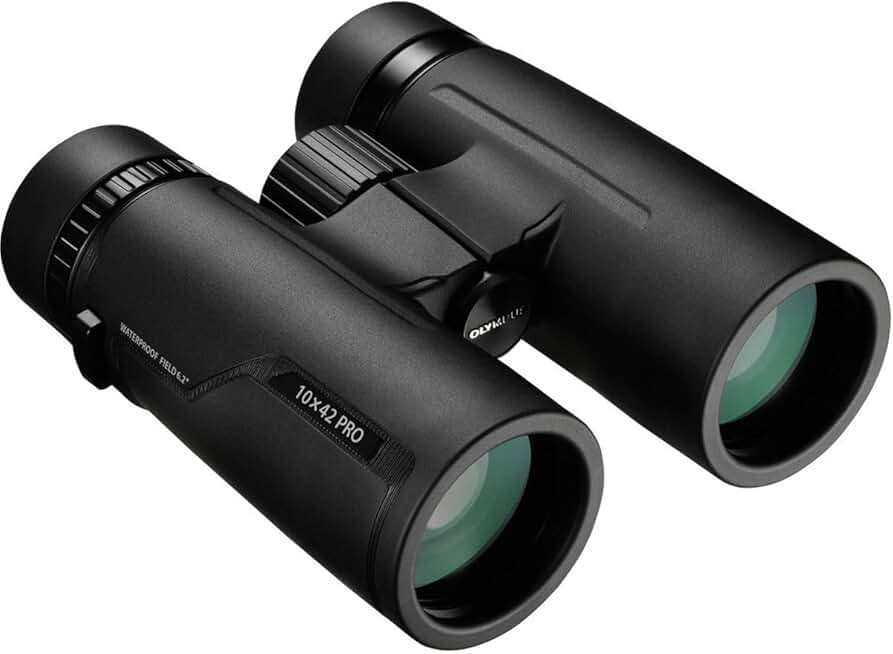
10x Magnification · 42mm Objective Lenses · PRO Binocular
These compact binoculars offer excellent portability and performance, making them ideal companions for any outdoor enthusiast looking for a balance between size and viewing power.
As an Amazon Associate I earn from qualifying purchases. Prices may vary.
Full-Size Standouts: Our 2026 Picks
For those prioritizing optical performance and brightness, full-size binoculars are the way to go. The Swarovski EL 8.5x42 ($1800) is widely considered to be one of the best binoculars on the market, offering exceptional clarity, brightness, and color fidelity. It’s an investment, but one that will last a lifetime.
The Zeiss Conquest HD 8x42 ($1300) is another top-tier option, known for its superb optics and comfortable ergonomics. It’s a great choice for serious birders and wildlife observers. The Vortex Razor UHD 10x42 ($1600) delivers incredible sharpness and a wide field of view, making it ideal for scanning large areas.
If you're looking for a more affordable full-size binocular, the Nikon Monarch M5 8x42 ($300) provides excellent value for the money. It offers a bright and clear image with good color reproduction. The Leupold BX-2 Alpine HD 10x42 ($300) is a rugged and reliable option, built to withstand harsh conditions.
The Canon 10x42 L IS ($1400) is unique for its image stabilization feature, which helps to reduce shake and provide a steadier view. This is particularly useful when observing from a moving platform or when handholding for extended periods. Finally, the Pentax SP 10x42 ($300) is a solid performer with good optical quality and a comfortable grip.
- Swarovski EL 8.5x42: $1800 - Top-of-the-line performance.
- Zeiss Conquest HD 8x42: $1300 - Superb optics and ergonomics.
- Vortex Razor UHD 10x42: $1600 - Sharpness and wide field of view.
- Nikon Monarch M5 8x42: $300 - Excellent value.
- Leupold BX-2 Alpine HD 10x42: $300 - Rugged and reliable.
- Canon 10x42 L IS: $1400 - Image stabilization.
- Pentax SP 10x42: $300 - Solid performer, comfortable grip.
Featured Products

Integrated laser rangefinder with Tracking Assistant · SWAROVISION technology for exceptional image quality · App support for enhanced functionality
These full-size binoculars offer superior light gathering, wider fields of view, and exceptional detail, making them ideal for serious outdoor enthusiasts who demand the best performance.

High-performance optics for bright, clear images · Ergonomic design for comfortable viewing · Durable and weather-resistant construction
These full-size binoculars offer superior light gathering, wider fields of view, and exceptional detail, making them ideal for serious outdoor enthusiasts who demand the best performance.

HD optical system for superior clarity and color fidelity · Rugged, waterproof, and fogproof design · Generous eye relief for comfortable viewing
These full-size binoculars offer superior light gathering, wider fields of view, and exceptional detail, making them ideal for serious outdoor enthusiasts who demand the best performance.

Extra-low Dispersion (ED) glass for chromatic aberration reduction · Wide field of view for enhanced situational awareness · Waterproof, fogproof, and oil/water repellent coatings
These full-size binoculars offer superior light gathering, wider fields of view, and exceptional detail, making them ideal for serious outdoor enthusiasts who demand the best performance.

Fully waterproof and fogproof construction · Multi-coated optics for bright, clear images · Durable, non-slip rubber armor for secure grip
These full-size binoculars offer superior light gathering, wider fields of view, and exceptional detail, making them ideal for serious outdoor enthusiasts who demand the best performance.
As an Amazon Associate I earn from qualifying purchases. Prices may vary.
Final Thoughts: Choosing What’s Right for You
Ultimately, the best binoculars for you depend on your individual needs and priorities. If you prioritize portability and convenience, a compact binocular is a great choice. If you need maximum brightness and optical performance, a full-size binocular is the way to go. Consider how you’ll be using the binoculars most often and choose accordingly.
Don’t be afraid to try before you buy. Visiting a local optics store and testing out different models is the best way to find the perfect fit. Pay attention to the weight, ergonomics, and image quality. Don't just look at the binoculars, look through them. You'll quickly get a feel for what works best for your eyes and your needs.
- Prioritize portability? Choose compact.
- Need maximum brightness? Choose full-size.
- Try before you buy! Visit a local optics store.
No comments yet. Be the first to share your thoughts!