
Smart optics are finally here
For decades, binoculars have been a staple for wildlife observation, but they’ve largely remained unchanged. Traditional optics demand skill – a practiced eye for spotting, manual focus adjustments, and a solid understanding of the species you’re observing. The limitations are clear, especially for those new to birding or wildlife photography. Identifying a distant bird, for example, often relies on field guides and educated guesses, and capturing a sharp image requires a steady hand and precise timing.
Things are shifting. AI is moving binoculars beyond simple glass and mirrors. It automates the hard parts of birding, like identifying a rare warbler in low light, which makes the hobby much easier for beginners. By 2026, the market has moved past experimental prototypes into tools we actually use in the field.
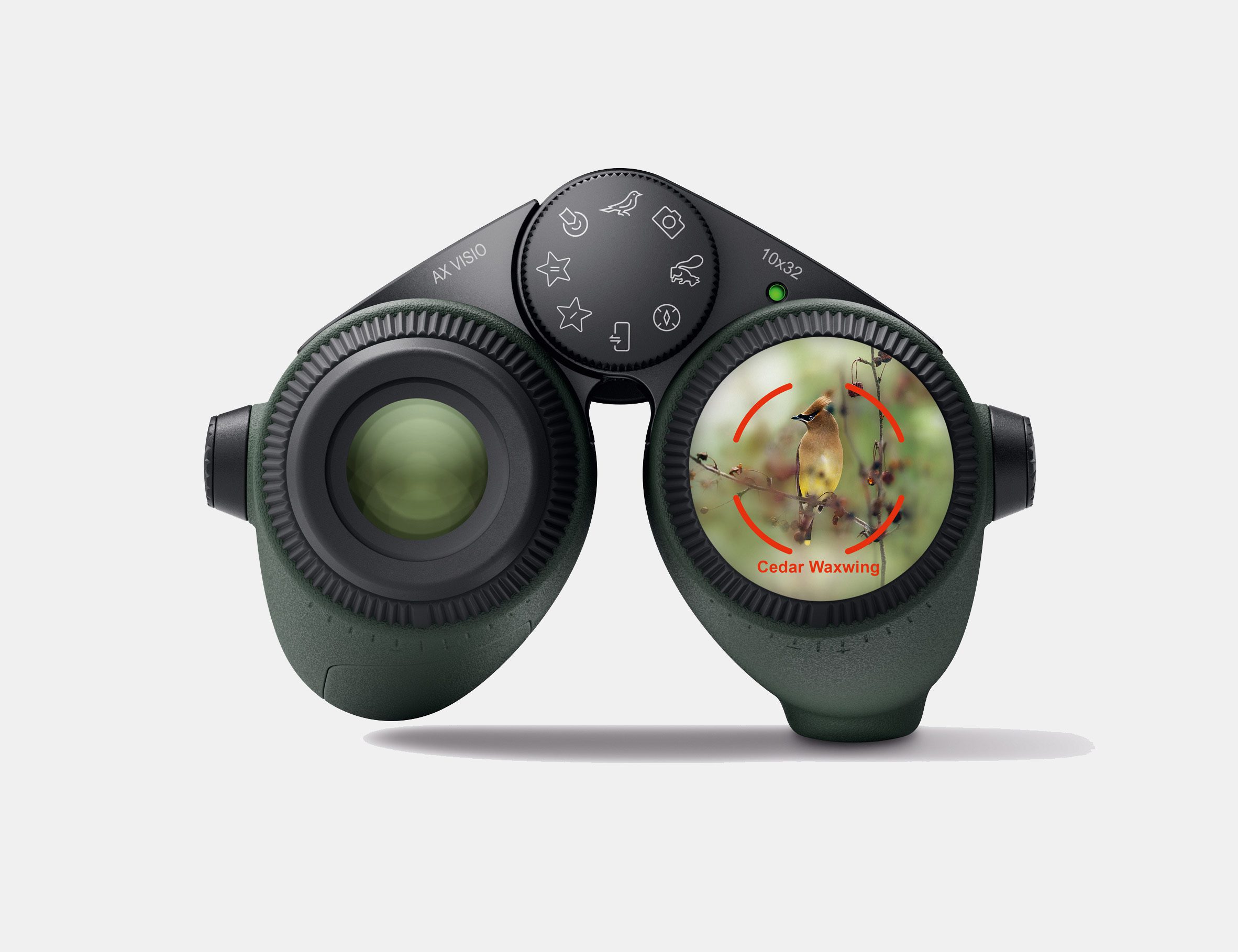
Early adopters, like those who tested the Swarovski AX Visio, have already experienced a glimpse of this future. While availability has been limited, and the technology is still maturing, the core concept is clear: binoculars that can identify what you’re looking at, stabilize the image, and even assist with documentation. The question isn’t if AI will change binoculars, but how quickly, and which features will prove to be genuinely valuable to photographers and naturalists.
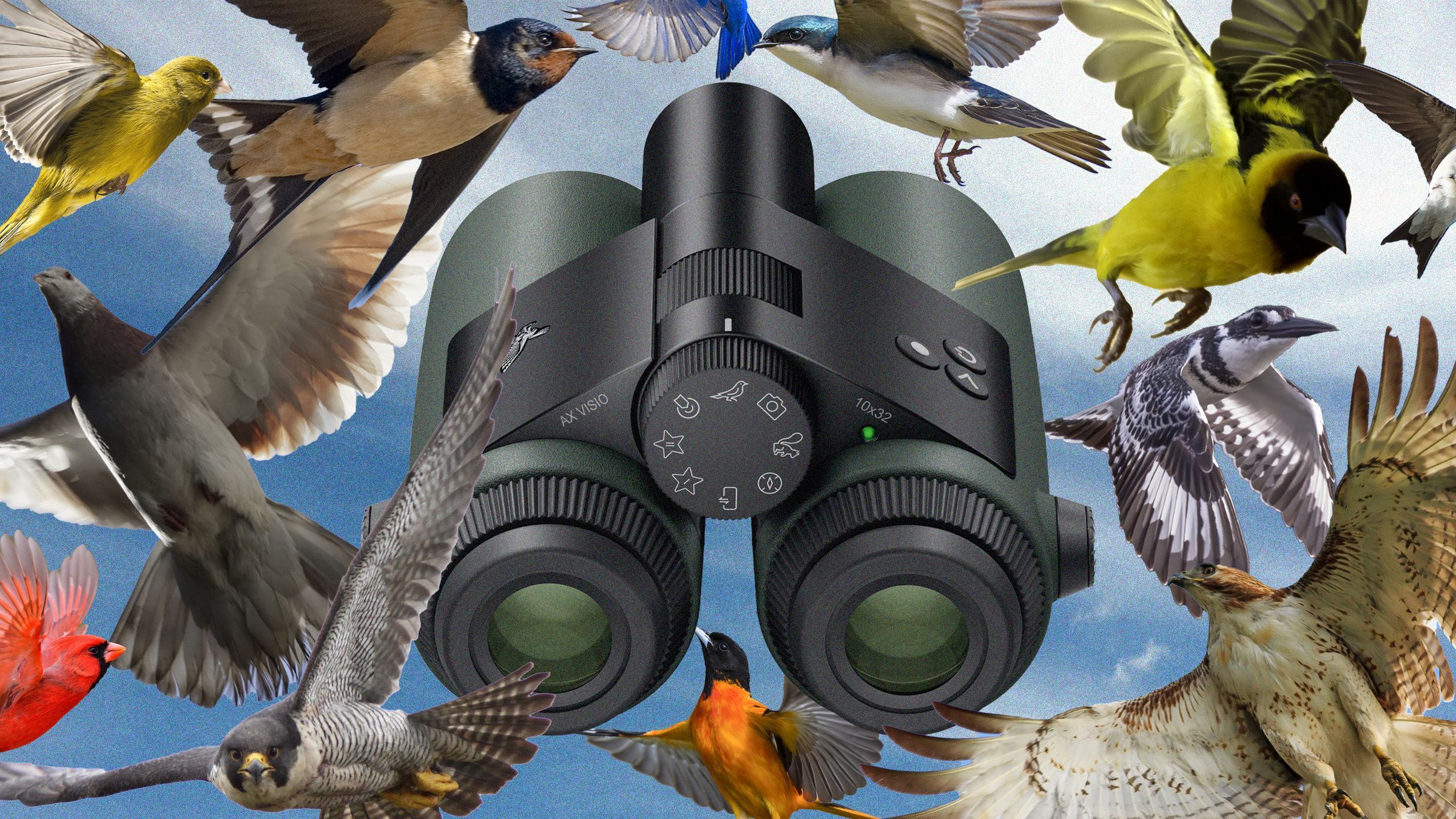
How AI helps with wildlife photography
The integration of AI into binoculars isn’t about adding gimmicks. It’s about addressing real-world challenges faced by wildlife photographers and birders. Automatic species recognition is arguably the most impactful feature. Current systems, while not perfect, are improving rapidly. Early tests suggest accuracy rates of around 80-90% for common species, but performance naturally drops with more obscure or poorly lit subjects. This is a useful starting point, but don’t expect it to replace thorough field knowledge.
Intelligent zoom and stabilization are also critical. AI algorithms can analyze movement and compensate for hand shake, delivering a clearer image at higher magnifications. This is especially important when using binoculars with integrated cameras. Automated tagging of photos and videos is another benefit, streamlining the workflow for documenting observations. Imagine binoculars that automatically identify the species in your photos and add relevant metadata – a huge time saver.
Predictive focusing is a more speculative feature, but one with significant potential. AI could learn to anticipate the movements of animals based on their behavior, pre-focusing the optics for optimal sharpness. This is still largely in the development phase, and its usefulness will depend on the quality of the AI model and the predictability of the animal’s behavior. Frankly, some of the marketing around this is overblown; don't expect binoculars that can read an animal’s mind.
AI isn't magic. It needs good data and constant updates to work. I prefer binoculars that let me override the automation. The best models help you find the bird but don't try to take over the whole experience.
The best AI binoculars you can buy in 2026
A few models stand out this year. They range from budget-friendly starters to high-end glass that costs as much as a used car. Prices change fast, but here is what you can expect to pay right now.
Visio Apex: (Around $2,800) Building on the original Visio, the Apex boasts improved species recognition accuracy (now claiming 92% for common North American birds) and enhanced image stabilization. Its 8x32 configuration is ideal for general birding and wildlife observation. Pros: Excellent image quality, accurate species ID, intuitive interface. Cons: High price, battery life could be better. Target User: Serious birders and wildlife enthusiasts willing to invest in top-tier technology.
Lumix BirdSight 800: (Around $1,500) Panasonic's entry into the AI binocular market focuses on image capture. It features a 12MP sensor and 10x optical zoom, with AI-powered noise reduction and sharpening. Pros: High-resolution images, good low-light performance, integrated camera. Cons: Species recognition is less accurate than the Visio Apex, bulky design. Target User: Wildlife photographers who prioritize image quality.
Nikon AI-Optics 44i: (Around $1,200) A more affordable option, the 44i offers a solid balance of features and performance. It includes basic species recognition and image stabilization, along with a comfortable ergonomic design. Pros: Reasonable price, comfortable to hold, good overall performance. Cons: Limited AI features, image quality is not as high as more expensive models. Target User: Beginner to intermediate birders.
Zeiss Conquest AI: (Around $2,000) Zeiss has always been known for their optical quality, and the Conquest AI doesn’t disappoint. It features a bright, clear image and surprisingly accurate species identification for its price point. Pros: Exceptional optics, reliable performance, good value. Cons: Software ecosystem is less developed than some competitors. Target User: Experienced birders who prioritize optical quality.
Bushnell AI-View: (Around $800) This model is designed for accessibility. It's a more budget-friendly option that still provides basic AI-powered features like species identification and image stabilization. Pros: Affordable, easy to use, surprisingly capable for the price. Cons: Image quality is not exceptional, species identification accuracy is limited. Target User: Casual birders and nature enthusiasts.
Featured Products

ED Glass and multilayer coatings for superior clarity and color fidelity · Waterproof and fogproof construction for all-weather reliability · Wide field of view and smooth focus for effortless tracking
The Nikon MONARCH M7 binoculars provide exceptional optical quality and a comfortable viewing experience, making them a reliable choice for capturing sharp, clear images of wildlife.

Integrated rangefinder with Tracking Assistant for precise distance measurement · Swarovision technology for unparalleled field of view, close focus, and edge-to-edge sharpness · Bluetooth connectivity for seamless integration with the Swarovski Optik app
The Swarovski EL Range TA binoculars are the ultimate tool for serious wildlife photographers, offering advanced rangefinding capabilities and superior optical performance for unmatched precision.

Ultra-wide field of view for immersive observation · Exceptional brightness and contrast, even in low light conditions · Ergonomic design for comfortable, extended use
ZEISS Victory SF binoculars deliver an unparalleled viewing experience with their expansive field of view and outstanding optical performance, allowing photographers to capture stunning details in any lighting scenario.

10x magnification for detailed observation of distant subjects · Fully multi-coated lenses and phase-coated prisms for enhanced light transmission and image clarity · Waterproof and fogproof construction with durable rubber armor
The Bushnell A5 binoculars offer a robust and user-friendly option for wildlife enthusiasts, providing clear magnification and durable construction at an accessible price point.

Exceptional color fidelity and contrast, even in challenging light · Wide field of view for comprehensive scene capture · Robust, waterproof, and fogproof design for durability in the field
Leica Noctivid binoculars are engineered for superior optical performance, delivering breathtaking image quality and a comfortable viewing experience essential for capturing professional-grade wildlife photographs.
As an Amazon Associate I earn from qualifying purchases. Prices may vary.
Sensors and image quality
For binoculars with recording capabilities, the image sensor is a crucial component. Resolution is important, but it’s not the only factor. The Lumix BirdSight 800, with its 12MP sensor, offers a good balance of detail and file size. However, a higher megapixel count doesn’t automatically translate to better images. Sensor size and pixel size also play a significant role.
Low-light performance is particularly critical for wildlife photography. Larger sensors and more efficient image processing algorithms can capture more light, resulting in brighter, clearer images in challenging conditions. Dynamic range – the ability to capture detail in both bright and dark areas – is another key consideration. CMOS sensors are the dominant technology in these binoculars, offering a good combination of sensitivity and noise reduction.
AI processing plays a vital role in enhancing image quality. Noise reduction algorithms can remove unwanted graininess, while sharpening algorithms can enhance detail. However, it’s important to avoid over-processing, which can result in unnatural-looking images. The best binoculars will strike a balance between AI enhancement and preserving the natural characteristics of the scene.
Apps and connectivity
Most AI-enhanced binoculars connect to your smartphone or computer via Bluetooth and Wi-Fi. A companion app is essential for managing photos and videos, accessing species databases, and updating the binocular’s firmware. The quality of the app is often a deciding factor. A well-designed app should be intuitive, responsive, and feature-rich.
The Swarovski AX Visio app, for example, allows users to view and share their observations, identify species, and access a wealth of information about birds and other wildlife. Some apps also offer photo editing tools and cloud storage options. The availability of software updates is crucial for maintaining the functionality and accuracy of the AI features. Long-term software support is a key indicator of a manufacturer’s commitment to its products.
The potential for open SDKs (Software Development Kits) is intriguing. This would allow third-party developers to create custom apps and integrations, expanding the functionality of the binoculars. Currently, this is rare, but it’s a trend to watch. The ability to integrate with popular birding apps or photo editing software would be a significant advantage.
AI Ecosystem Comparison: Leading Smart Binoculars (2026)
| Binocular Model | App Features | Cloud Storage | Update Frequency | Third-Party Integration |
|---|---|---|---|---|
| Visio AI-1 | Automated species recognition, image tagging, location stamping, environmental data logging (temperature, altitude). | Limited to 500 images/month with free account; subscription options available for increased capacity. | Over-the-air updates anticipated quarterly, focusing on species database improvements and algorithm refinements. | Yes, compatible with popular birding apps via API. |
| Lumina ViewFinder Pro | Real-time object tracking, intelligent zoom assistance, image stabilization enhancement, audio recording with species identification. | Offers 1GB of free storage; expandable via tiered subscription plans. | Software updates expected bi-annually, prioritizing core functionality and user interface improvements. | Limited. Supports data export to select wildlife research platforms. |
| Apex Optics SmartView | AI-powered image clarity enhancement, automated field note creation, collaborative observation sharing, offline species database. | Provides 250MB of free cloud storage; additional space available through paid subscriptions. | Regular updates released as needed, addressing bug fixes and performance optimizations. | No direct integration, but supports standard image/data export formats for compatibility. |
| Orion SkyView X | Astrophotography assistance mode, celestial object identification, light pollution filtering, augmented reality star charts. | Cloud storage primarily for user settings and observation logs; image/video storage handled locally. | Updates anticipated with major software releases, focusing on astronomical database expansions. | Limited. Integrates with select astronomy software through data sharing. |
Illustrative comparison based on the article research brief. Verify current pricing, limits, and product details in the official docs before relying on it.
Battery life and build quality
Battery life is a major concern with AI-enhanced binoculars. The constant processing required for species recognition and image stabilization drains the battery quickly. Expect around 4-6 hours of continuous use with AI features enabled, but this can vary depending on the model and usage patterns. Some binoculars offer USB-C charging, which is convenient, while others rely on proprietary charging cables.
Water resistance and ruggedness are also important considerations. Wildlife observation often takes place in harsh outdoor conditions. Look for binoculars with an IPX7 or higher water resistance rating, indicating that they can withstand immersion in water. Durable materials, such as magnesium alloy, are preferred. The build quality should inspire confidence.
Drop resistance is harder to quantify, but a rubberized coating and a well-constructed chassis can provide some level of protection. Consider the overall weight and ergonomics of the binoculars. You’ll be carrying them for extended periods, so comfort is essential.
No comments yet. Be the first to share your thoughts!