
Seeing beyond glass
For over a century, binoculars have fundamentally remained the same: two tubes, some lenses, and the ability to magnify distant objects. Traditional binoculars excel at this core function, and for many, they remain perfectly adequate. However, a new breed of optics is emerging, one that integrates artificial intelligence and digital connectivity – smart binoculars. These aren’t simply about making things bigger; they’re about understanding what you’re looking at.
This shift is driven by a growing demand for more than just magnification. Users want identification assistance, the ability to record observations, and seamless sharing capabilities. The increasing popularity of citizen science projects, like those supported by Unistellar, demonstrates a desire for more interactive and informative viewing experiences. People aren’t just passively observing; they want to actively participate and contribute.
The market is responding to this demand. We’re seeing a proliferation of models marketed as "smart’ or ‘digital" binoculars, each promising to enhance the viewing experience in unique ways. This isn't a simple upgrade to existing optics; it's a fundamental reimagining of what binoculars can be. The question isn’t whether smart binoculars are a gimmick, but rather how significantly they’ll reshape the field of optics by 2026.
The core value proposition of smart binoculars rests on augmenting the optical experience. They aim to remove barriers to entry for beginners while offering powerful tools for experienced observers. This evolution isn’t about replacing traditional binoculars, but about creating a new category that caters to a different set of needs and expectations.
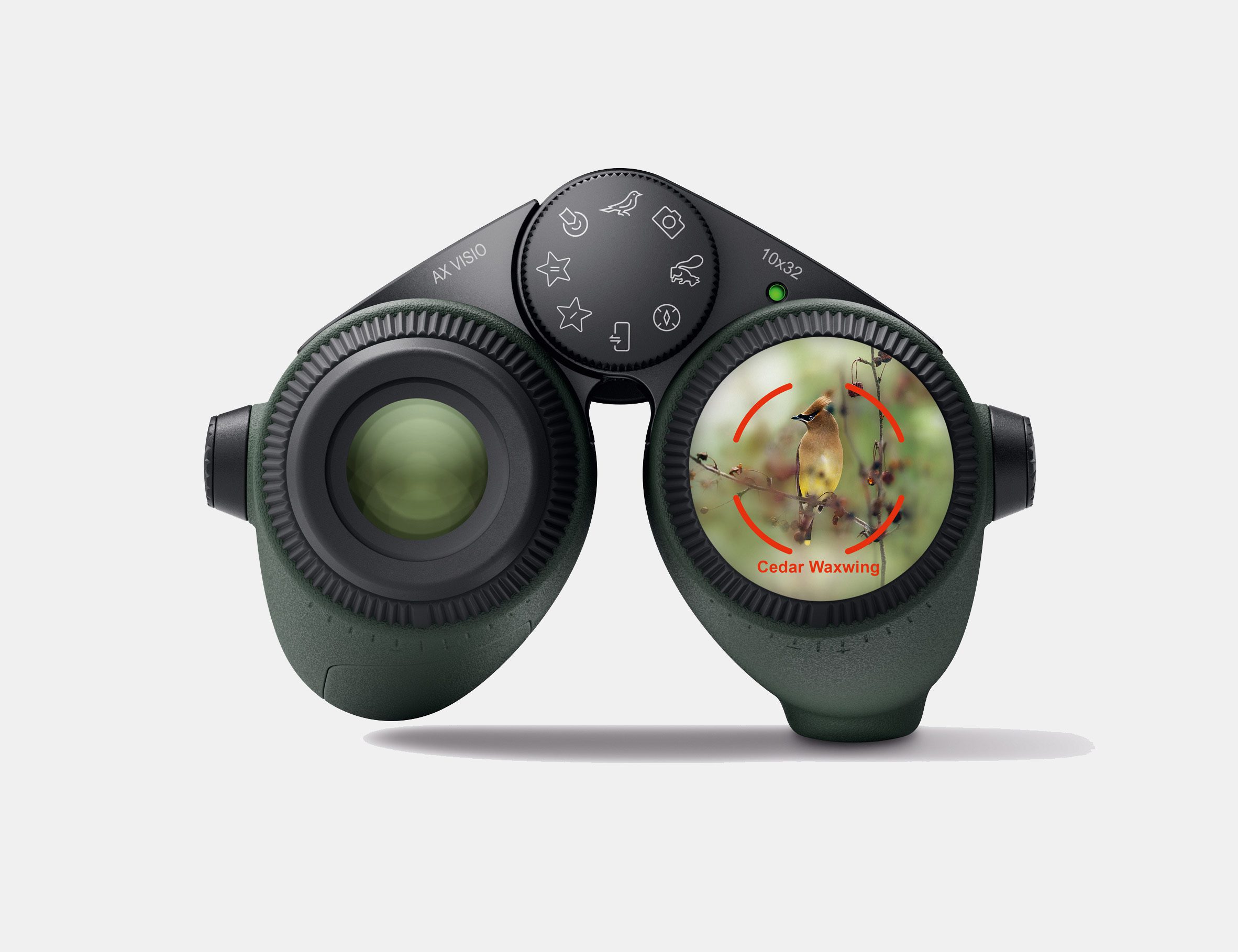
The tech inside a smart binocular
The term "smart’ encompasses a suite of technologies integrated into a binocular"s design. At the foundation is often advanced image stabilization, going beyond traditional mechanical systems to employ electronic stabilization that actively compensates for hand tremor. This is critical for higher magnification levels and for recording stable video. Beyond stabilization, a constellation of sensors plays a crucial role.
Many smart binoculars incorporate GPS to geotag observations, which is particularly useful for birding or wildlife tracking. Environmental sensors, measuring temperature, humidity, and even atmospheric pressure, can provide valuable context for astronomical viewing. However, the true intelligence lies in the computer vision capabilities. These systems utilize onboard processors and sophisticated algorithms to analyze the visual field.
Connectivity is equally important. Bluetooth allows for pairing with smartphones and tablets for control and data transfer. Wi-Fi enables over-the-air software updates and, crucially, access to cloud-based databases for object recognition. Unistellar’s Envision binoculars, for example, leverage this connectivity to access a vast library of astronomical objects and provide real-time information.
These components don’t operate in isolation. The image stabilization allows for clearer input to the computer vision system, which then utilizes GPS data and environmental information to refine its analysis. This integrated approach is what truly defines a "smart" binocular, transforming it from a simple magnifier into a powerful observation tool.
Identifying birds and stars
The most compelling feature of smart binoculars is their ability to identify objects in real-time. For birders, this means pointing the binoculars at a bird and receiving an instant identification, complete with species information and range maps. This functionality is powered by machine learning algorithms trained on massive datasets of images and sounds.
The accuracy of these systems is continually improving. Early iterations often struggled with variations in lighting, angle, and plumage. However, advancements in computer vision and the availability of larger datasets are leading to more reliable results. Space.com’s 2025 review of smart binoculars highlights this progress, noting the increasing sophistication of object recognition capabilities.
The application extends far beyond birding. Smart binoculars can identify constellations and planets, overlaying star charts onto the view. They can also be used to spot wildlife, recognize landmarks, and even identify plant species. The Forbes article on "smart" binoculars emphasizes the shareable aspect of these identifications, allowing users to easily document and share their discoveries.
These systems aren't perfect. Low light and thick branches still trip up the software. If an animal is half-hidden behind a tree, the identification often fails. It's a limitation of the current training data rather than a flaw in the glass itself.
- Bird identification: Real-time species recognition with range maps.
- Astronomy: Labels for constellations and planets overlaid on the view.
- Wildlife Spotting: Assistance in identifying various animal species.
- Landmark Recognition: Identification of prominent landmarks and geographical features.
Featured Products

10x magnification, 42mm objective lens diameter · HD optical system with fully multi-coated lenses · Waterproof, fogproof, and shockproof construction with rubber armor
This product represents a high-quality, traditional optical instrument offering robust performance and durability for general observation.
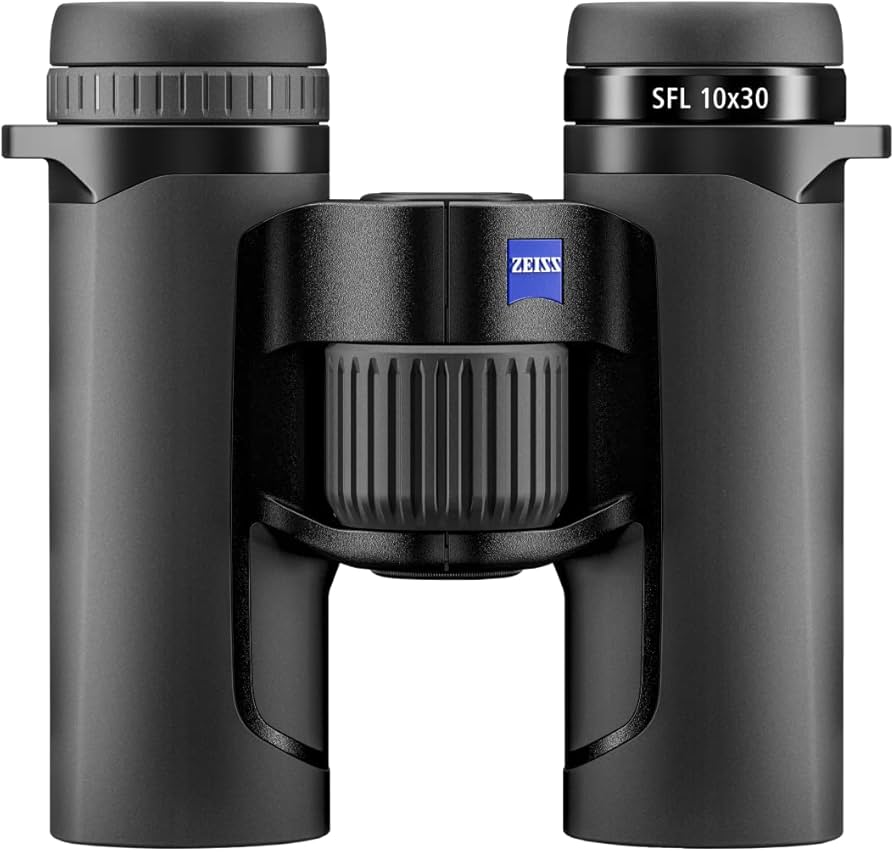
10x magnification, 32mm objective lens diameter · Integrated digital camera with AI-powered bird identification · Live streaming and photo/video recording capabilities
This product showcases cutting-edge smart binoculars that leverage AI for species identification, offering birders enhanced observational capabilities and a glimpse into the future of optical technology.

10x magnification, 32mm objective lens diameter · Integrated digital camera with AI-powered species identification · Live streaming and photo/video recording functionality
This product showcases cutting-edge smart binoculars that leverage AI for species identification, offering birders enhanced observational capabilities and a glimpse into the future of optical technology.

10-30x variable zoom magnification, 50mm objective lens diameter · Multi-coated optics for enhanced light transmission · Porro prism design with a focus on beginner use
This product is a budget-friendly, traditional zoom binocular suitable for introductory bird watching and general scenic observation.
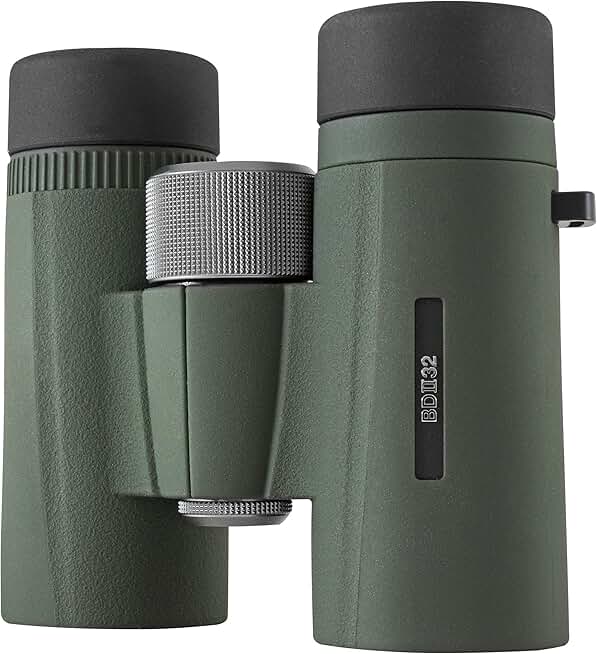
8x magnification, 32mm objective lens diameter · XD (Extra-low Dispersion) lens elements for superior chromatic aberration control · Fully multi-coated lenses and BaK-4 prisms for bright, sharp images
This product represents a premium traditional binocular known for its advanced optical design and exceptional image clarity, suitable for demanding observation tasks.
As an Amazon Associate I earn from qualifying purchases. Prices may vary.
Recording and Sharing: Capturing the View
Smart binoculars aren’t just about seeing; they’re about capturing and sharing what you see. Most models include built-in cameras capable of recording high-definition video and capturing still images. The quality varies considerably between models, but the ability to document observations is a significant advantage.
Storage options typically include internal memory and support for microSD cards. Ease of transfer to computers and mobile devices is also important, and most smart binoculars offer Bluetooth or Wi-Fi connectivity for seamless data transfer. Livestreaming capabilities are becoming increasingly common, allowing users to share their observations in real-time.
The integration with social media platforms is a key selling point for many users. Being able to quickly and easily share sightings with friends, family, or online communities enhances the overall experience and fosters a sense of connection. This is especially appealing for citizen science projects where data sharing is crucial.
The quality of the recorded video and images is, of course, a critical factor. While smart binoculars aren’t likely to replace dedicated cameras, they offer a convenient way to capture moments that would otherwise be lost. The ability to zoom in digitally during recording can be useful, but it often comes at the expense of image quality.
Why traditional glass still wins
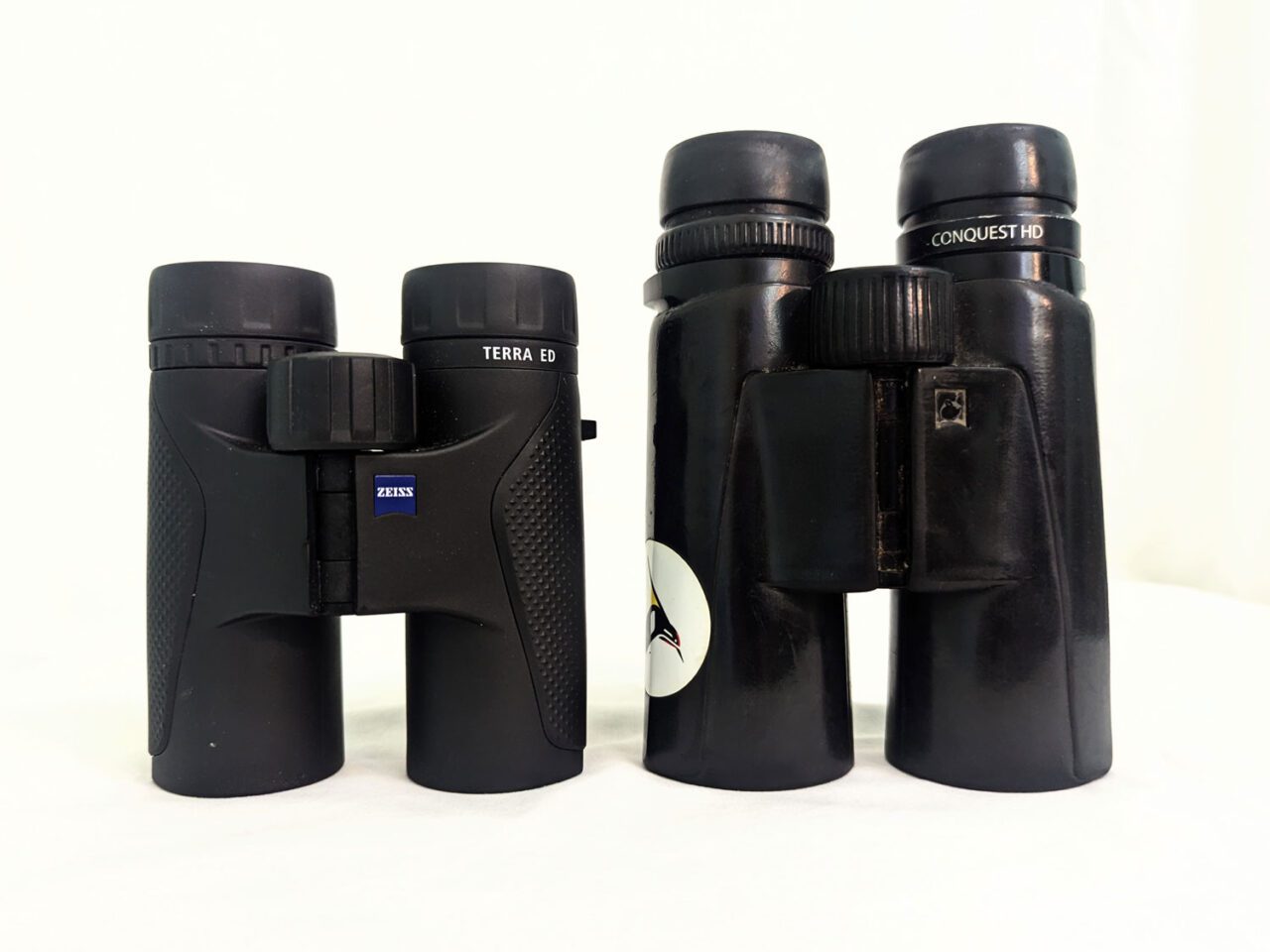
Despite the rise of smart binoculars, traditional optics remain a viable option for many users. Their strengths lie in their optical quality, durability, and simplicity. High-end traditional binoculars can deliver exceptional clarity and brightness, rivaling the performance of even the most advanced smart binoculars.
Traditional binoculars also excel in battery life. They don’t require power for basic operation, making them ideal for extended use in remote locations. Their rugged construction and resistance to environmental factors are also significant advantages. They're less prone to malfunction due to software issues or electronic failures.
Furthermore, the simplicity of traditional binoculars is appealing to users who prefer a straightforward viewing experience. There’s no need to worry about software updates, connectivity issues, or complex settings. They’re ready to use right out of the box, offering a direct and unfiltered view of the world.
However, they lack the advanced features of smart binoculars. They don’t offer object identification, recording capabilities, or seamless sharing options. For users who prioritize these features, traditional binoculars may fall short. The choice ultimately depends on individual needs and priorities; traditional binoculars aren't going anywhere soon.
Cost Comparison: Smart vs. Traditional
The price difference between smart and traditional binoculars is substantial. Traditional binoculars can be purchased for as little as a few hundred dollars, while smart binoculars typically start around $1,000 and can easily exceed $2,000 for high-end models. This initial investment is a significant barrier to entry for many users.
However, the cost doesn’t end with the initial purchase. Smart binoculars often require ongoing costs, such as software updates or data plans for accessing cloud-based services. Some models may also require proprietary accessories, adding to the overall expense.
Whether the added features of smart binoculars justify the higher price tag depends on individual needs. For casual birders or stargazers, traditional binoculars may be sufficient. However, for serious enthusiasts or professionals who rely on object identification, recording, and sharing capabilities, the investment may be worthwhile.
I'm not sure there’s a clear financial winner. It’s a trade-off between upfront cost and ongoing functionality. A user who values simplicity and optical quality might be better served by a high-end traditional binocular, while someone who prioritizes advanced features and connectivity might be willing to pay the premium for a smart model.
Smart Binoculars vs. Traditional Binoculars: A Comparative Assessment (2026)
| Criteria | Traditional Binoculars | Smart Binoculars |
|---|---|---|
| Price | Generally Low to Medium | Generally Medium to High |
| Features | Basic magnification, objective lens diameter, coating types | AI-powered object recognition, image stabilization, recording capabilities, augmented reality overlays, potential for automated tracking |
| Battery Life | Not Applicable | Medium - dependent on feature usage; requires periodic charging |
| Durability | Typically High, robust construction common | Medium - Incorporates electronic components susceptible to damage; ruggedized models are emerging |
| Ease of Use | High - Intuitive operation, minimal learning curve | Medium - Requires familiarization with software interface and connected devices |
| Optical Quality | High - Dependent on glass quality and manufacturing precision | Medium to High - Optical quality can be comparable, but processing can introduce artifacts; relies on sensor quality |
| Connectivity | Not Applicable | High - Wi-Fi and Bluetooth for app integration, data transfer, and potential remote control |
Illustrative comparison based on the article research brief. Verify current pricing, limits, and product details in the official docs before relying on it.
No comments yet. Be the first to share your thoughts!