
Seeing Clearly: AI's New Role
Choosing binoculars used to be a confusing process. Specs like magnification and objective lens size quickly became overwhelming, and what worked for one person often didn't for another. Traditional reviews offered little guidance on whether a model truly fit individual needs.
Buying guides often categorize binoculars by activity, but this approach is limited. A 'best for birding' recommendation, for example, doesn't consider if you're birding in open fields, dense forests, or from a moving boat. It also overlooks your eyesight, budget, or personal preferences. This is where artificial intelligence can help.
AI represents a fundamental shift in binocular selection. When implemented well, AI can analyze vast datasets, correlate specifications with real-world performance, and deliver personalized recommendations. This offers objective analysis tailored to individual needs, moving beyond generic advice.
Decoding Binocular Specs with Machine Learning
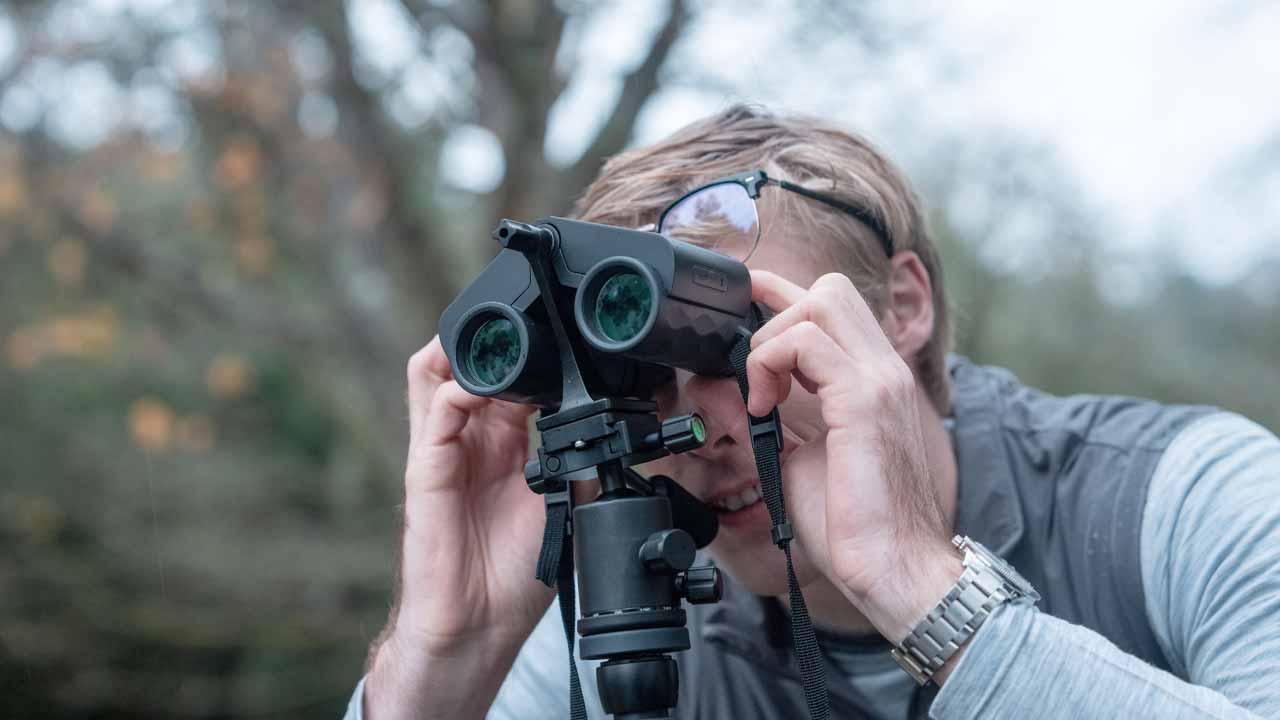
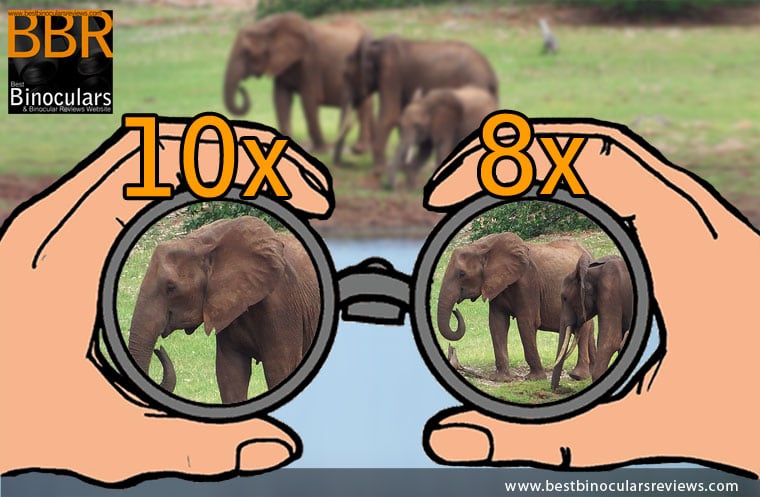
AI binocular selection works by understanding the complex relationship between specifications and performance. Magnification (like 8x or 10x) and objective lens diameter (e.g., 42mm) are easy to grasp, but their impact isn't always straightforward. AI can analyze how these specs interact with factors like prism type (Porro vs. Roof) and lens coatings to predict real-world results.
AI can assess optical quality factors that are difficult for humans to quantify consistently. Resolution, chromatic aberration (color fringing), and distortion are subjective, but AI, trained on optical tests and expert reviews, can identify patterns and predict these qualities accurately. It's about how specs combine to affect the image.
AI processes data from binocular reviews, expert analyses, and user feedback. This builds a holistic understanding of a binocular’s strengths and weaknesses, identifying models that consistently perform well or underdeliver. It moves past marketing hype to focus on optical performance.
- Magnification: How much closer the binoculars make objects appear.
- Objective Lens Diameter: Affects light-gathering ability and overall brightness.
- Field of View: The width of the area you can see at a given distance.
- Eye Relief: The distance your eye can be from the eyepiece and still see a full image.
- Prism Type: Impacts image brightness and clarity.
- Coatings: Reduce glare and improve light transmission.
Binocular Specification Importance by Activity - 2026 Outlook
| Specification | Birding | Hunting | Astronomy | General Outdoor |
|---|---|---|---|---|
| Magnification | High Importance | Medium Importance | High Importance | Medium Importance |
| Objective Lens Diameter | High Importance | High Importance | High Importance | Medium Importance |
| Field of View (degrees) | High Importance | Medium Importance | Medium Importance | Medium Importance |
| Eye Relief (mm) | Medium Importance | Medium Importance | Low Importance | High Importance |
| Optical Coatings | High Importance | High Importance | High Importance | Medium Importance |
| Waterproof/Fogproof | Medium Importance | High Importance | Medium Importance | High Importance |
| Weight | Medium Importance | Medium Importance | Low Importance | High Importance |
Illustrative comparison based on the article research brief. Verify current pricing, limits, and product details in the official docs before relying on it.
Beyond Birding: Activity-Specific AI
The idea that a single pair of binoculars is "best" for all outdoor activities is demonstrably false. The needs of a birder, an astronomer, and a hunter are vastly different. AI recognizes this and tailors recommendations accordingly. For birding, a wider field of view is often prioritized to quickly locate and track moving birds, while color fidelity is critical for accurate identification.
Astronomy demands high magnification and large objective lenses to gather as much light as possible from faint celestial objects. Stability is also paramount, often requiring a tripod adapter. Hunting, on the other hand, may prioritize a more compact and lightweight design for ease of carry, alongside features like rangefinding and ballistic calculations. These are not interchangeable priorities.
AI accounts for environmental factors as well. Binoculars used in low-light conditions, such as dawn or dusk, require superior light transmission and coatings. Those used in harsh weather need to be waterproof and fogproof. A good AI system will ask about your intended use and location to refine its recommendations. It's about understanding the context of your viewing experience.
Consider the impact of target distance. A birder might be observing birds at distances of 20-100 yards, while a hunter could be looking at targets several hundred yards away. This drastically affects the ideal magnification and reticle design. A one-size-fits-all approach simply can’t deliver optimal performance in these varied scenarios.
Current AI Binocular Systems: A Look at Options
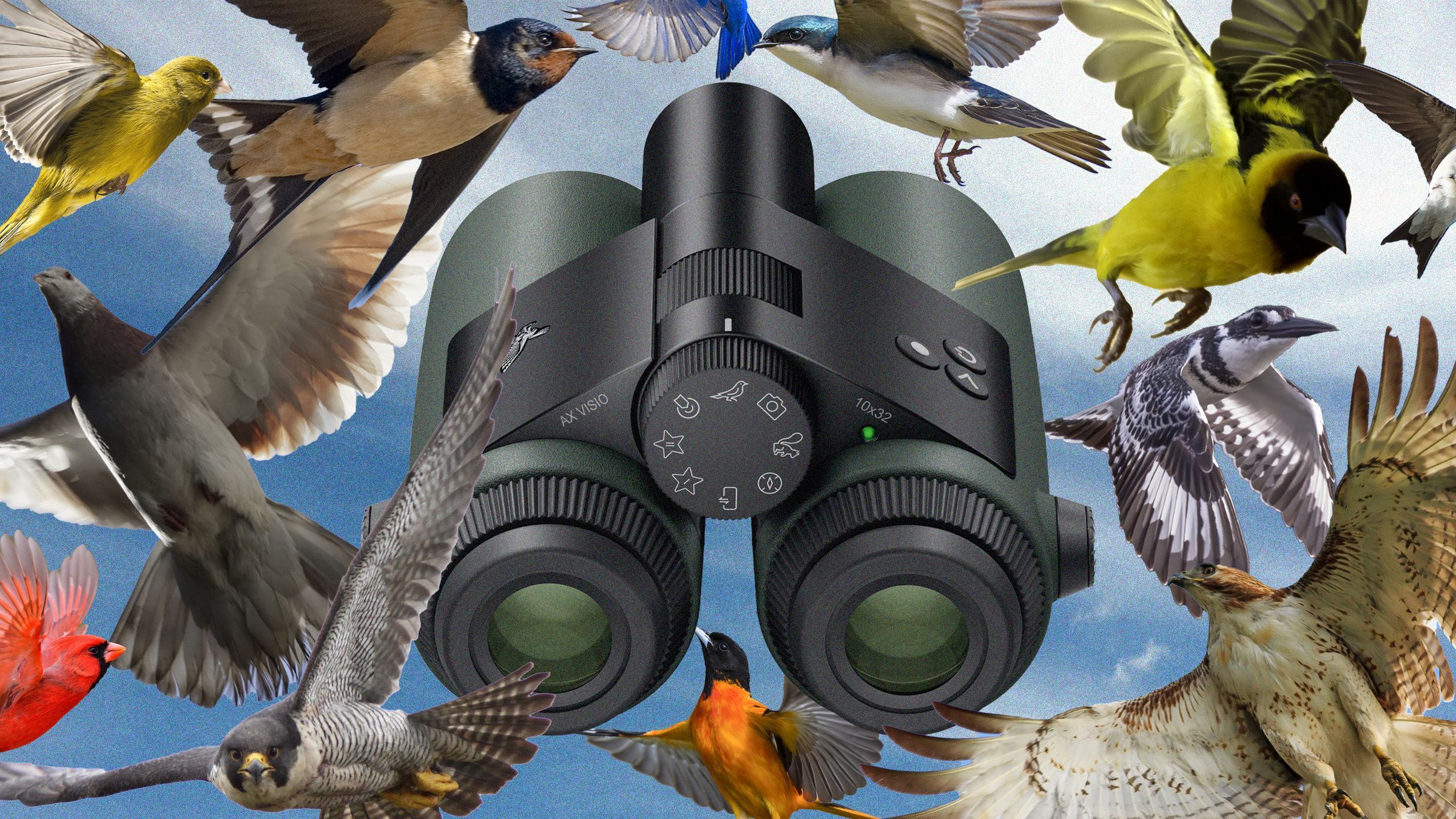
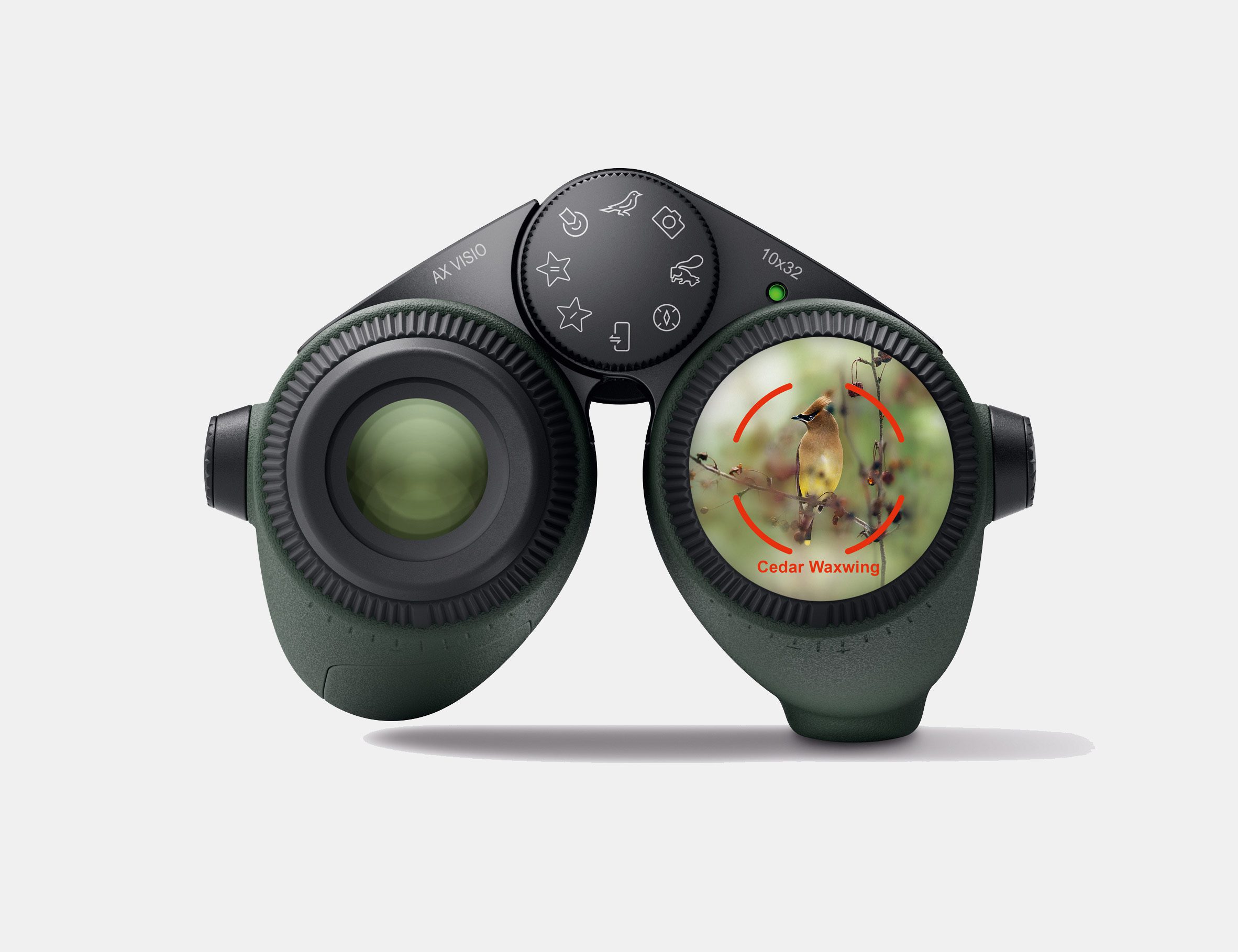
AI integration in binoculars is in its early stages, with promising systems emerging. The Swarovski Optik AX Visio binoculars, mentioned in WIRED, identify birds in real-time using an integrated AI system, displaying species information on a connected app. They also allow users to photograph the bird.
The WIRED review notes that bird identification isn't always perfect and requires a clear view. While not foolproof, this system demonstrates AI's potential to enhance birding. It combines high-end binoculars with sophisticated software.
Digital Camera World's coverage of binoculars with cameras points to another trend: integrating image capture and analysis directly into binoculars. Some models record videos and photos, which AI can then analyze to identify objects or track movement. These systems often rely on smartphone apps for processing.
Currently, most AI features are in companion apps or websites that analyze user data, rather than built into the binoculars. Some apps suggest optimal binocular settings or models based on your viewing conditions and preferences. The level of integration and functionality depends on the AI algorithms.
Featured Products

ED glass for superior clarity and color fidelity · Waterproof, fogproof, and rubber-armored for rugged durability · Oil and water-repellent coating ensures clear vision in adverse conditions
The Nikon MONARCH M7 excels in demanding environments, offering exceptional optical performance and robust construction ideal for serious birdwatchers and hunters.

HD Optical System for enhanced resolution and contrast · Waterproof, fogproof, and shockproof construction for all-weather reliability · Non-slip grip for secure handling
Vortex Diamondback HD binoculars provide outstanding value with their durable build and clear, bright optics, making them a versatile choice for a wide range of outdoor pursuits.

IPX7 waterproof rating for submersion protection · Lightweight design for comfortable extended use · Suitable for hunting, travel, and camping
The Bushnell Engage X offers reliable performance and essential features at an accessible price point, perfect for casual adventurers and budget-conscious explorers.

BaK-4 prisms and fully multi-coated lenses for bright, sharp images · Wide 7.4° field of view for expansive viewing · Waterproof and fogproof construction
Celestron Nature DX binoculars are expertly tuned for birdwatching, delivering crisp detail and a wide field of view that enhances the experience of observing wildlife.
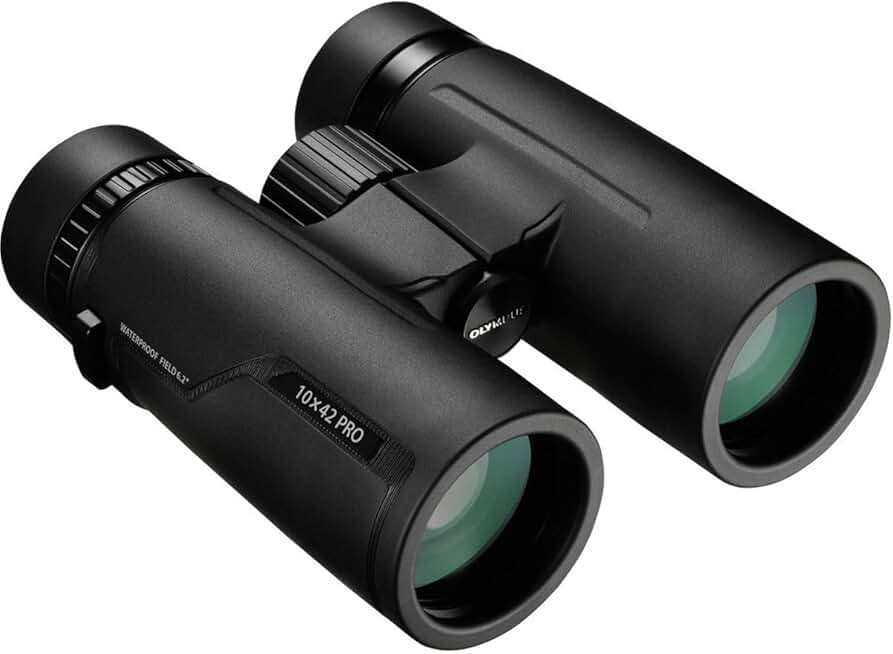
PRO-grade optics for professional-level clarity and brightness · Robust construction designed for demanding professional use · High magnification for detailed observation of distant subjects
The OM SYSTEM Olympus 10x42 PRO represents the zenith of optical engineering, providing unparalleled performance for professionals and enthusiasts who demand the absolute best.
As an Amazon Associate I earn from qualifying purchases. Prices may vary.
The Data Behind the Recommendations
The effectiveness of AI binocular recommendation systems depends on the quality and quantity of training data. This data comes from user reviews, expert opinions in optics publications, and manufacturer specifications. Environmental data, like typical lighting conditions for birding in different regions, can also be incorporated.
Data quality is a challenge. User reviews can be biased or inaccurate, expert opinions vary, and technical specifications don't always reflect real-world performance. AI algorithms are only as good as their data. Careful data cleaning and validation are needed to address biases.
Data representation is another concern. If training data favors high-end binoculars, the AI may struggle with recommendations for affordable options. A diverse and representative dataset is crucial for fairness and inclusivity, ensuring the AI sees a wide range of products and user experiences.
Privacy and AI: What Data is Collected?
As with any AI-powered system, privacy is a legitimate concern. AI binocular recommendation systems may collect data about your viewing habits, location, and preferences. This data could be used to personalize recommendations, but it could also be used for other purposes, such as targeted advertising. It's essential to understand what data is being collected and how it's being used.
Reputable companies will anonymize user data to protect privacy. This means removing any personally identifiable information before analyzing the data. However, even anonymized data can potentially be re-identified. Always review the privacy policy of any AI-powered binocular system before using it.
Look for systems that offer transparency and control over your data. You should be able to opt-out of data collection or request that your data be deleted. Be wary of systems that require excessive personal information or that lack a clear privacy policy. Protecting your privacy is paramount.
Looking Ahead: AI and the Future of Optics
The integration of AI into binoculars is just beginning. We can expect to see more sophisticated features in the coming years, such as AI-powered auto-focus that automatically adjusts the focus to match the distance of the target. Image stabilization algorithms could leverage AI to compensate for shaky hands, providing a clearer and more stable viewing experience.
Object recognition is another promising area. Imagine binoculars that can automatically identify birds, animals, or even constellations. This could be particularly useful for beginners or for those who want to. AI could also be used to enhance image quality, reducing noise and improving clarity.
Ultimately, the goal is to personalize the viewing experience even further. AI could learn your preferences over time and adjust the binocular settings accordingly. It could even suggest optimal viewing locations based on your interests and the current environmental conditions. The future of optics is undoubtedly intelligent, offering a level of customization and performance that was previously unimaginable.
No comments yet. Be the first to share your thoughts!