
First Light: Why Binoculars Matter
Looking up at the night sky evokes a sense of wonder and a desire to understand the universe. While telescopes are common starting points, binoculars offer an accessible and rewarding entry to astronomy. They are less intimidating than telescopes and more enjoyable for spontaneous stargazing.
Affordable astronomy binoculars reveal celestial wonders like Jupiter's moons, Saturn's rings (as a slight elongation), and star clusters such as the Pleiades. Brighter nebulae, like Orion, are also visible. While not Hubble-level detail, good optics significantly enhance naked-eye views.
A wide field of view is excellent for scanning the Milky Way and orienting yourself. The University of Michigan notes their portability and ease of use, making them ideal for quick observations without a full telescope setup, whether camping or in your backyard.
Seeing the Andromeda Galaxy through 10x50 binoculars, though not detailed, revealed a faint smudge of light millions of light-years away. This observation sparked a passion for astronomy, demonstrating binoculars' potential to inspire.
Decoding Binocular Numbers
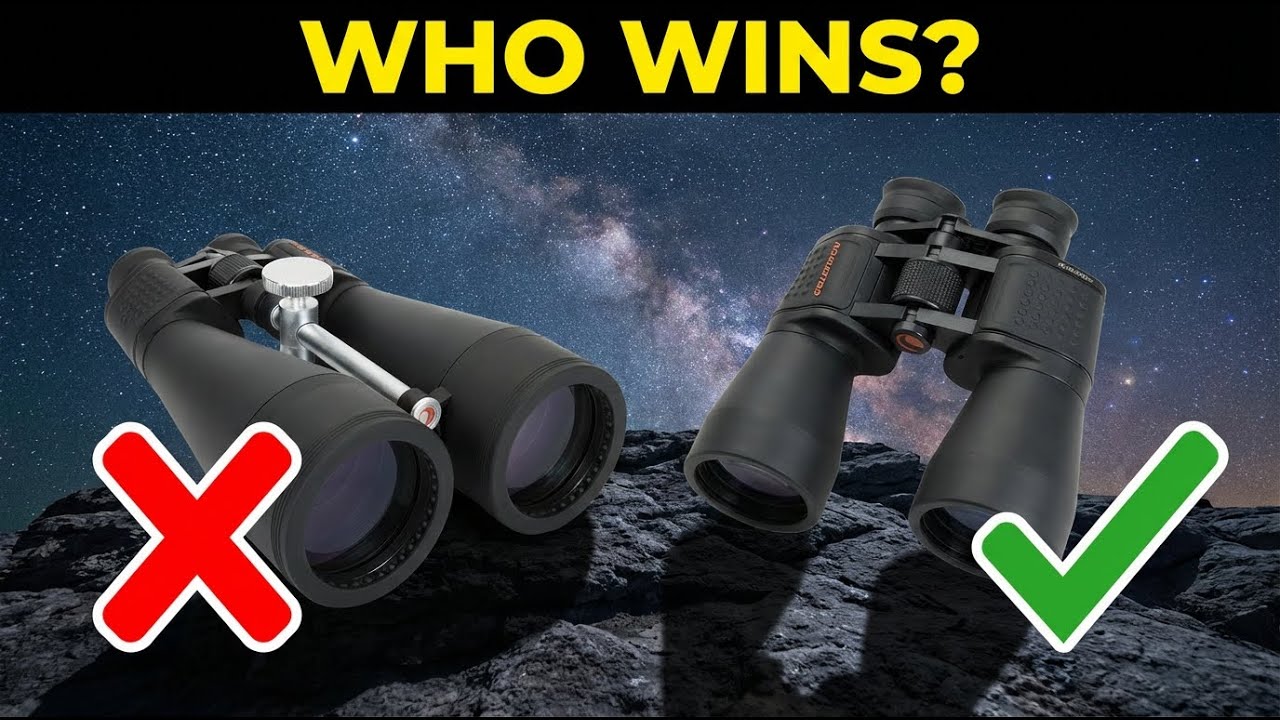
Binocular specifications like 10x50, 7x35, and 20x80 indicate key features. The first number is magnification; 10x means an object appears ten times closer than with the naked eye.
The second number is the aperture, the diameter of the objective lens in millimeters. Aperture determines light-gathering ability; a larger aperture, like 50mm compared to 35mm, produces a brighter image, which is vital for faint night sky objects.
Exit pupil, calculated by dividing aperture by magnification (e.g., 50mm / 10x = 5mm), is the diameter of the light beam exiting the eyepiece. A larger exit pupil, ideally 4mm or more (5-7mm is excellent for astronomy), improves low-light viewing by allowing more light into the eye.
Field of view, measured in degrees or feet at 1000 yards, indicates the visible area. A wider field aids sky scanning and object location, while a narrower field suits detailed observation. Understanding these specifications helps in selecting appropriate binoculars.
- Magnification: How much larger the object appears.
- Aperture: Diameter of the objective lens (light gathering ability).
- Exit Pupil: Diameter of the light beam exiting the eyepiece (low-light performance).
- Field of View: Width of the visible area.
Astronomy Binocular Comparison: Key Features
| Binocular Model | Portability 🚶 | Brightness ✨ | Magnification 🔭 | Field of View 🏞️ | Stability (Handheld) 🤝 |
|---|---|---|---|---|---|
| Celestron SkyMaster 25x100 Binoculars | Low | High | Very High | Medium | Low |
| Orion 15x70 Astronomy Binoculars | Medium | High | High | Medium | Medium |
| Nikon 10x50 Aculon A211 Binoculars | High | Medium | Medium | High | High |
| Celestron SkyMaster 15x70 Binoculars | Medium | High | High | Medium | Medium |
| Bushnell Legacy WP 10x50 Binoculars | High | Medium | Medium | High | High |
| Orion 20x80 Astronomy Binoculars | Low | Very High | Very High | Medium | Low |
| Canon 15x50 IS All Weather Binoculars | Medium | High | High | Medium | Medium-High (with IS) |
| Pentax SP 20x60 WP Binoculars | Medium | High | Very High | Medium | Low-Medium |
Illustrative comparison based on the article research brief. Verify current pricing, limits, and product details in the official docs before relying on it.
Top 8 Astronomy Binoculars of 2026
Here are eight astronomy binoculars recommended for 2026, suitable for various budgets and experience levels. Availability is projected based on current trends.
This list focuses on the strengths and weaknesses of each model for stargazing. Amazon product cards are included for reference.
- Celestron SkyMaster 25x100 Binoculars: These are a classic choice for serious stargazers. They offer high magnification and a large aperture for excellent light gathering. They are bulky and require a tripod, but the views are worth it. Standout feature: High magnification for detailed views.
- Orion 15x70 Astronomy Binoculars: A popular option for beginners and intermediate users. They provide a good balance of magnification, aperture, and price. They're relatively easy to handle and offer impressive views of the moon and planets. Standout feature: Excellent value for money.
- Nikon 10x50 Aculon A211 Binoculars: A versatile all-around binocular that's also great for astronomy. They're compact, lightweight, and offer good image quality. They’re a good choice if you want a binocular for both daytime and nighttime use. Standout feature: Versatility and portability.
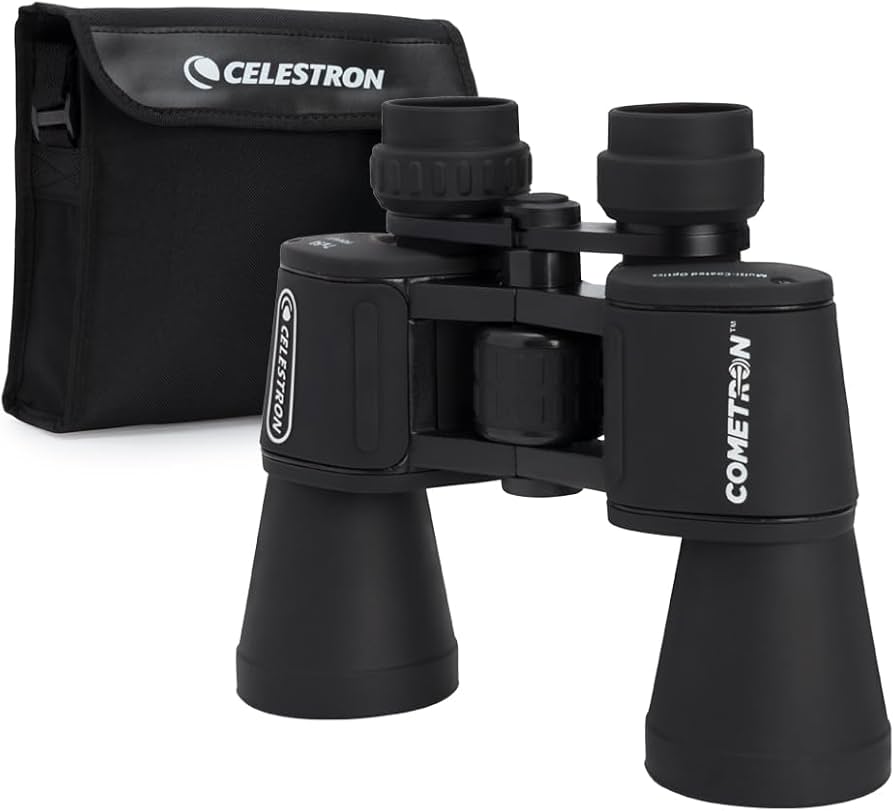
- Celestron SkyMaster 15x70 Binoculars: Similar to the Orion 15x70s, these are a solid choice for beginners. They offer good performance at an affordable price. They’re a bit heavier than the Nikon Aculon, but still manageable. Standout feature: Affordable and reliable.
- Bushnell Legacy WP 10x50 Binoculars: Waterproof and fogproof, these binoculars are built to withstand the elements. They offer good image quality and are a good choice for outdoor enthusiasts. Standout feature: Durable and weatherproof.
- Orion 20x80 Astronomy Binoculars: Offering more magnification than the 15x70s, these are a step up for more experienced stargazers. They provide brighter images and more detail. They require a sturdy tripod. Standout feature: Increased magnification for deeper sky observations.
- Canon 15x50 IS All Weather Binoculars: These binoculars feature image stabilization, which is a huge benefit for handheld viewing. They’re more expensive than other options, but the stabilization makes a noticeable difference. Standout feature: Image stabilization for steady views.
- Pentax SP 20x60 WP Binoculars: Pentax is known for its high-quality optics, and these binoculars are no exception. They offer excellent image quality and a rugged, waterproof construction. Standout feature: Premium optics and build quality.
Our Top 8 Picks for Astronomy Binoculars in 2026

25x magnification and 100mm objective lenses for incredible detail · Multi-coated optics for bright, clear views · Includes tripod adapter and carrying case for convenience
These giant aperture binoculars are perfect for serious deep-sky observation, bringing faint celestial objects into sharp focus.

15x magnification and 70mm objective lenses for excellent light gathering · Multi-coated optics for enhanced contrast and brightness · Tripod adapter and carry case included for stable viewing
A bestseller for a reason, these binoculars offer a superb balance of power and manageability for exploring the cosmos.

10x magnification and 50mm objective lenses for a wide field of view · Multilayer coating and Porro prism design for sharp, vibrant images · Turn-and-slide eyecups and tripod adaptability for comfortable viewing
These Nikon binoculars provide a comfortable and clear view of the night sky, making them a great choice for beginners and enthusiasts alike.
15x magnification and 70mm objective lenses for excellent light gathering · Multi-coated optics for enhanced contrast and brightness · Tripod adapter and carry case included for stable viewing
These binoculars offer a fantastic gateway into the wonders of the night sky, balancing magnification, aperture, and portability for an unparalleled stargazing experience.
As an Amazon Associate I earn from qualifying purchases. Prices may vary.
Beyond the Basics: Coatings and Features
Lens coatings are incredibly important for maximizing light transmission and image clarity. Fully multi-coated lenses are the best, as they have multiple layers of coating on all glass surfaces. This reduces glare and reflections, resulting in a brighter and sharper image. Coated lenses have a single layer of coating, which is better than uncoated lenses, but not as effective as fully multi-coated.
Waterproof and fogproof construction is another valuable feature, especially if you plan to use your binoculars in challenging weather conditions. Twist-up eyecups are also helpful, as they allow you to adjust the distance between your eyes and the eyepieces for comfortable viewing, especially if you wear glasses.
Tripod compatibility is essential for comfortable stargazing, especially at higher magnifications. Most astronomy binoculars have a tripod adapter that allows you to mount them on a standard photographic tripod. I’ve found that a fluid head tripod makes it easier to track objects as they move across the sky.
Smart Binoculars: A New Frontier?
We’re starting to see the emergence of "smart’ binoculars, like those offered by Unistellar. These binoculars integrate with smartphones and apps to provide features like object recognition, augmented reality overlays, and even automated tracking. Unistellar"s products, like the Envision, aim to simplify the stargazing experience and make it more accessible.
The idea is that the binoculars can identify constellations, planets, and other objects in real-time, and display information about them on your smartphone screen. Some models even allow you to share your observations with other stargazers online. It’s a really interesting concept, and I think it has the potential to revolutionize amateur astronomy.
However, this technology is still relatively new, and there are some limitations. The apps can be buggy, and the object recognition isn’t always accurate. The added electronics also add to the cost and complexity of the binoculars. But, I'm cautiously optimistic about the future of smart binoculars. As the technology matures, it could become a game-changer.
Unistellar’s use cases are particularly interesting, offering citizen science opportunities where users can contribute to real astronomical research. It’s a neat way to combine hobby and science.

Odyssey - UNISTELLAR Smart Telescope (no Eyepiece), 85mm f/3.9 (320mm) Digital & Computerized, App-Controlled Motorized Alt-Az, Enhanced Vision, RAW/FITS Export, 64GB, Tripod, 5h Battery (Black)
- App-controlled motorized alt-azimuth mount
- Enhanced Vision technology for brighter, clearer views
- RAW/FITS export for astrophotography enthusiasts
- Built-in 64GB storage and 5-hour battery life
For the tech-savvy stargazer looking to the future, the Unistellar Odyssey offers an unparalleled, app-driven journey through the cosmos, blending advanced digital capabilities with impressive optical performance.
View on Amazon →As an Amazon Associate I earn from qualifying purchases.
Mounting & Stability: Tripods and Beyond
Let me be blunt: a tripod is essential for comfortable stargazing with binoculars, especially at higher magnifications. Even slight hand tremors can make it difficult to hold the binoculars steady, resulting in a shaky image. A tripod provides a stable platform, allowing you to enjoy clear, detailed views.
There are various types of tripod mounts available. A standard photographic tripod with an adapter is a good option. Pan-and-tilt mounts allow you to smoothly track objects as they move across the sky. For portability, consider a monopod – it’s less stable than a tripod, but still offers significant improvement over handheld viewing.
When choosing a tripod, look for one that’s sturdy and has a smooth head. A heavier tripod will be more stable, but also less portable. Aluminum tripods are a good balance of weight and cost, while carbon fiber tripods are lighter but more expensive.
Binocular Care: Keeping Your View Clear
Proper care and maintenance will extend the life of your binoculars and ensure optimal performance. Always clean the lenses with a specialized lens cleaning cloth and solution. Avoid using paper towels or harsh chemicals, as these can scratch the coatings.
Store your binoculars in a protective case when not in use. This will prevent dust and debris from accumulating on the lenses. If your binoculars get wet, dry them thoroughly with a soft cloth. Fogging can occur if there’s a significant temperature difference between the binoculars and the surrounding air. Store them in a cool, dry place to prevent this.
Regularly check the alignment of your binoculars. If the images don’t overlap perfectly, you may need to have them collimated (adjusted) by a professional. Gentle cleaning is key – avoid excessive pressure on the lenses.
- Use a lens cleaning cloth and solution.
- Store in a protective case.
- Dry thoroughly if wet.
- Check alignment periodically.
Standout Picks: Worth a Closer Look
If I had to pick just a couple of binoculars from the list, I'd recommend the Orion 15x70 Astronomy Binoculars and the Canon 15x50 IS All Weather Binoculars. The Orion 15x70s offer a fantastic balance of performance and price, making them ideal for beginners and intermediate users. They're easy to use and provide impressive views of the moon, planets, and star clusters.
The Canon 15x50 IS binoculars are a splurge, but the image stabilization is a game-changer. It allows you to enjoy steady views even without a tripod, which is a huge benefit for handheld viewing. If you're willing to spend the extra money, these binoculars are well worth it. They’re a truly premium experience.
No comments yet. Be the first to share your thoughts!