
Choosing the right glass for an eclipse
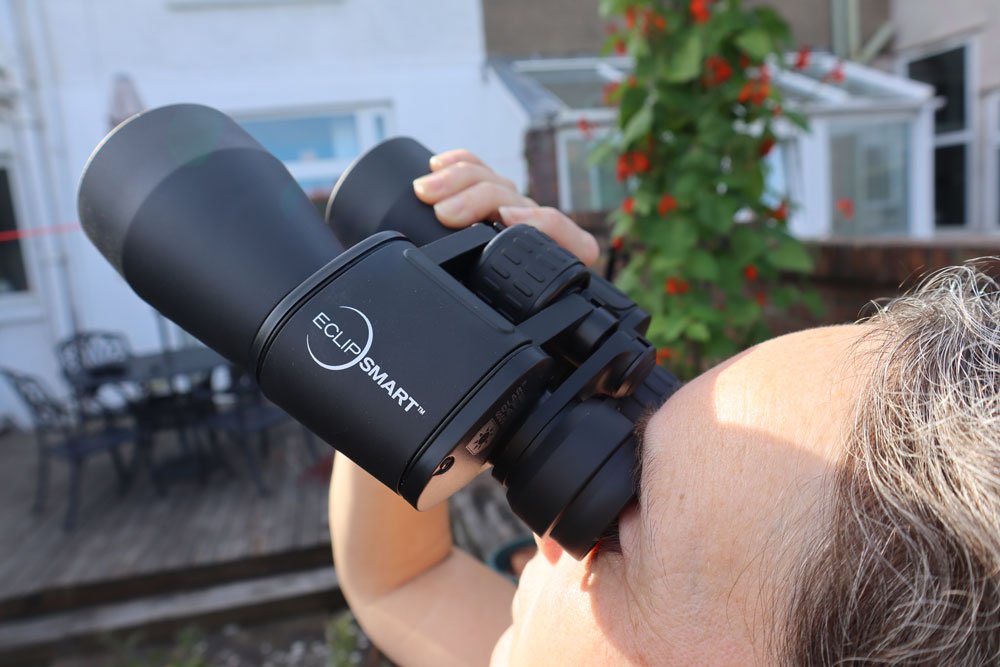
Staring at the sun through binoculars without a filter will blind you. It isn't a risk worth taking for a better view. While I've picked out binoculars that handle the 2026 eclipse well, they are useless—and dangerous—without ISO-certified solar filters attached to the front lenses.
Beyond safety, several binocular characteristics matter. Magnification is important, but often overstated. Excessive magnification makes holding the binoculars steady difficult, and amplifies atmospheric distortions. Aperture, the diameter of the objective lenses, dictates how much light the binoculars gather. Larger apertures produce brighter images, which is helpful even during a partial eclipse. Optical coatings reduce glare and increase contrast, enhancing overall image quality.
Build quality is also a factor, especially if you plan to use your binoculars frequently. A rugged, waterproof design will withstand the elements and provide years of reliable service. While high-end binoculars can offer superior performance, a well-made mid-range model can be perfectly adequate for eclipse viewing. Remember, the filter is far more important than the binocular’s price tag.
Binoculars offer advantages over telescopes for many eclipse viewers. Telescopes typically have a narrower field of view, making it harder to locate and track the sun’s movement. Binoculars provide a wider view, allowing you to see more of the corona during totality, and are generally easier to handle and set up. The binocular experience is more natural for many people, providing a comfortable and immersive viewing experience.
The only safety rule that matters
Solar filters are the single most important accessory for eclipse viewing with binoculars. These filters block nearly all of the sun’s harmful radiation, protecting your eyes. There are several types available: film filters, glass filters, and resin filters. Film filters, typically made of a specialized polymer, are the most common and affordable. Glass filters offer potentially better optical quality, but are more expensive and prone to cracking. Resin filters fall somewhere in between.
The key specification to look for is ISO 12312-2 certification. This standard ensures that the filter meets stringent safety requirements for solar viewing. Never use a filter that isn’t explicitly certified to this standard. Be extremely cautious of filters sold without certification, as they may not provide adequate protection. Proper attachment is also crucial. The filter must securely cover the objective lenses of your binoculars, leaving no gaps for light to enter.
Inspect your filter carefully before each use. Look for any scratches, tears, or pinholes. Even a small defect can compromise its protective ability. Cheap or damaged filters are simply not worth the risk. Compatibility is another concern – not all filters fit all binoculars. Ensure that the filter is the correct size and shape for your model. Many manufacturers offer filters specifically designed for their binoculars.
Don't trust sunglasses, no matter how dark they look. They don't block the infrared or ultraviolet radiation that cooks your retinas. The same goes for old film negatives or smoked glass. If it isn't ISO 12312-2 certified, it's a piece of trash that could cost you your sight.
- Check for the ISO 12312-2 stamp on the frame.
- Ensure a secure, gap-free fit.
- Inspect for damage before each use.
- Use only filters designed for binoculars.
Binoculars worth buying for 2026
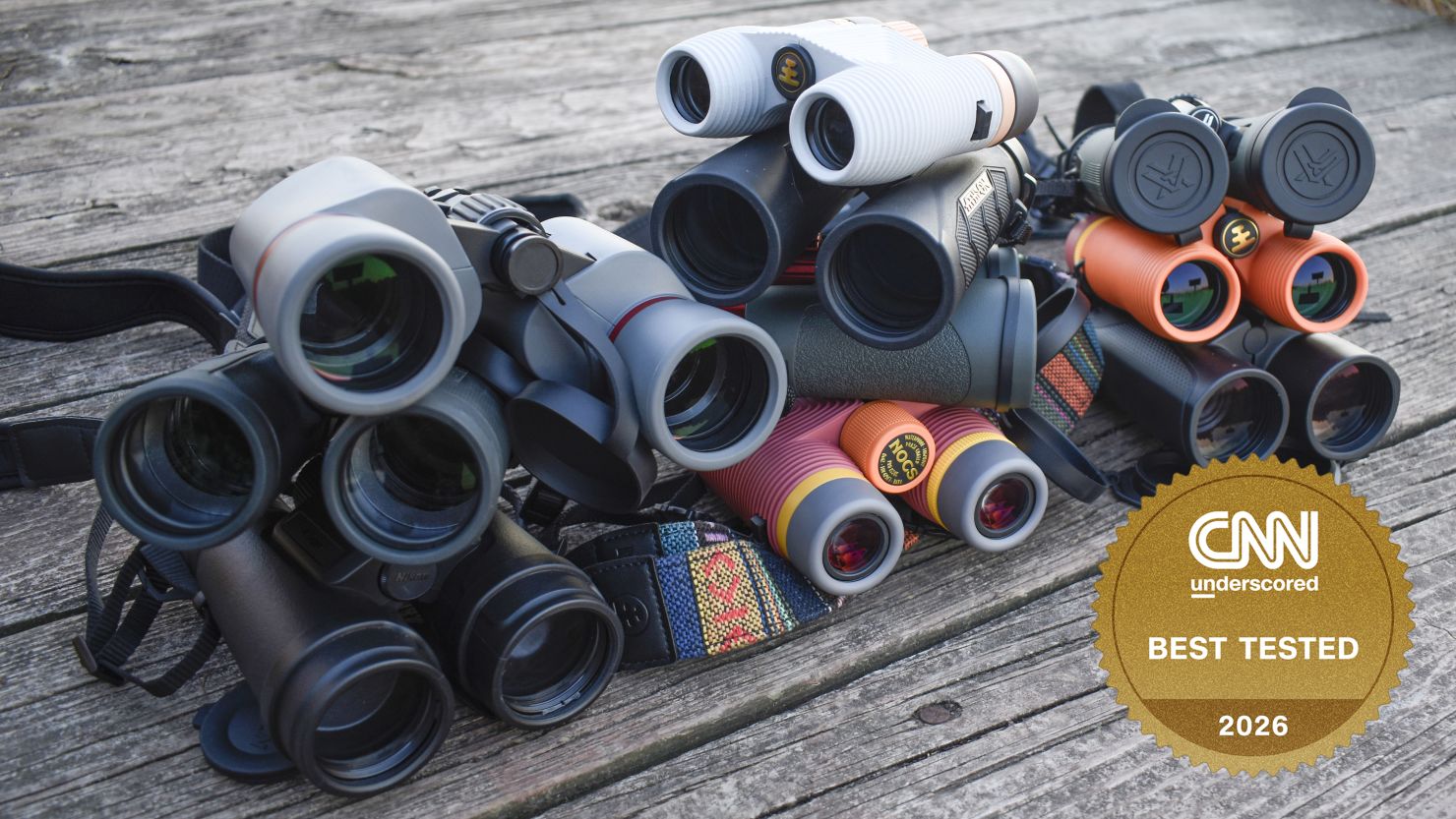
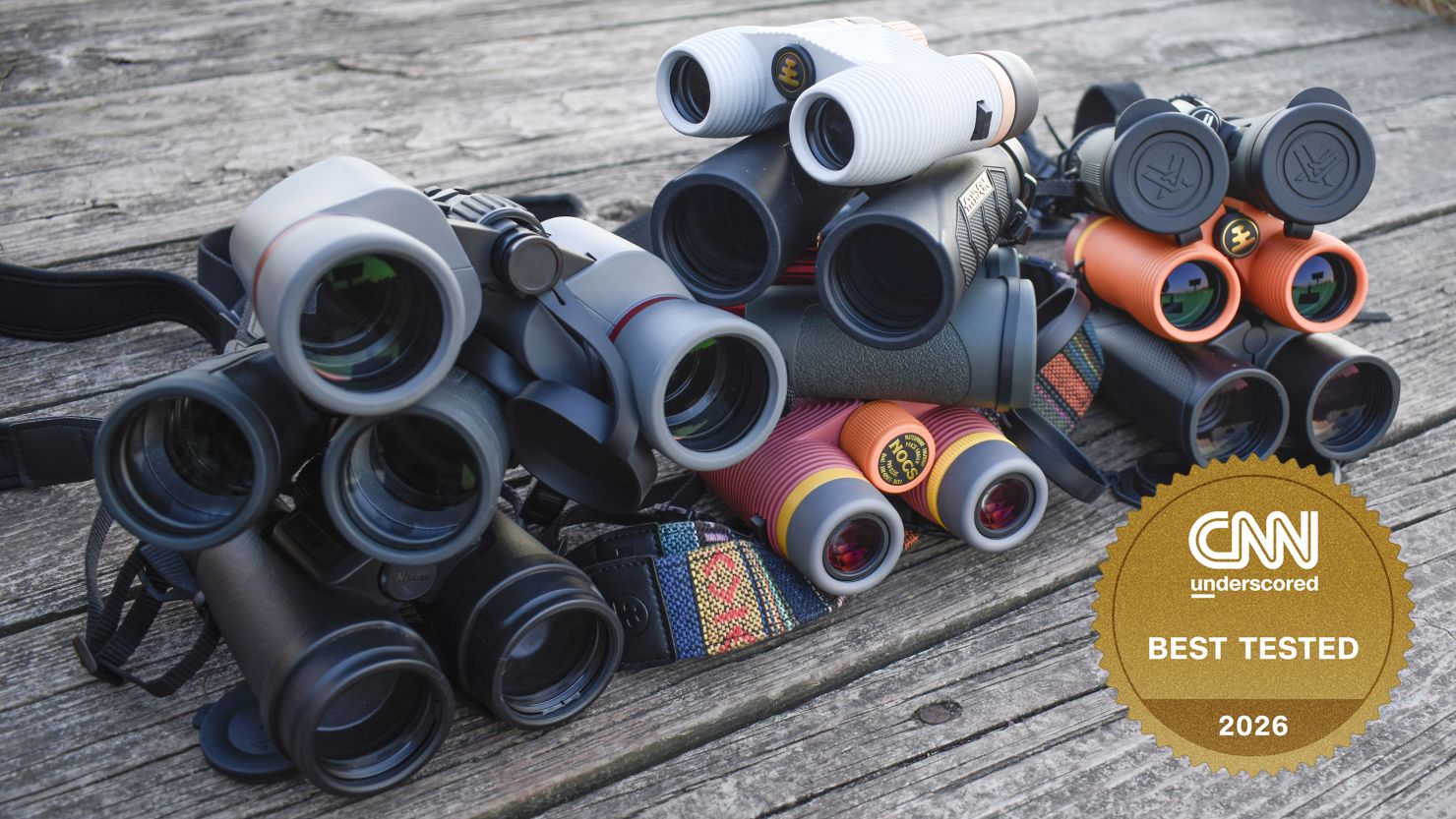
Selecting the 'best' binoculars depends on your budget and priorities. We’ve compiled a list of models that offer a good balance of performance, safety, and value. Each entry includes a subjective 'Eclipse Suitability' score from 1 to 5 stars, with 5 being the most suitable. Remember that this is a guide, and your individual needs may vary.
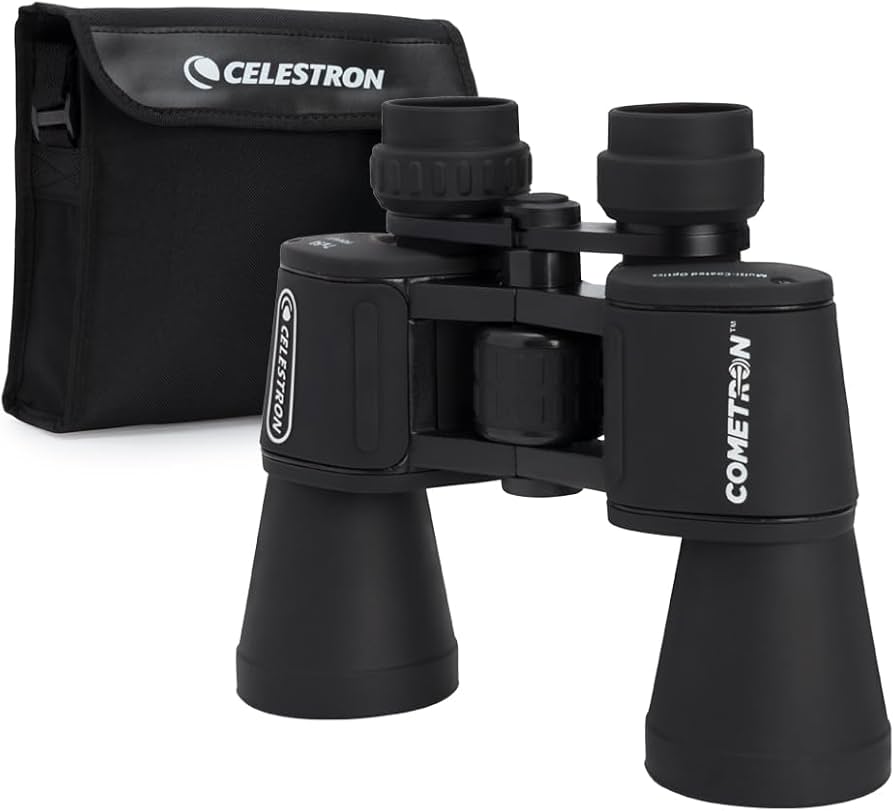
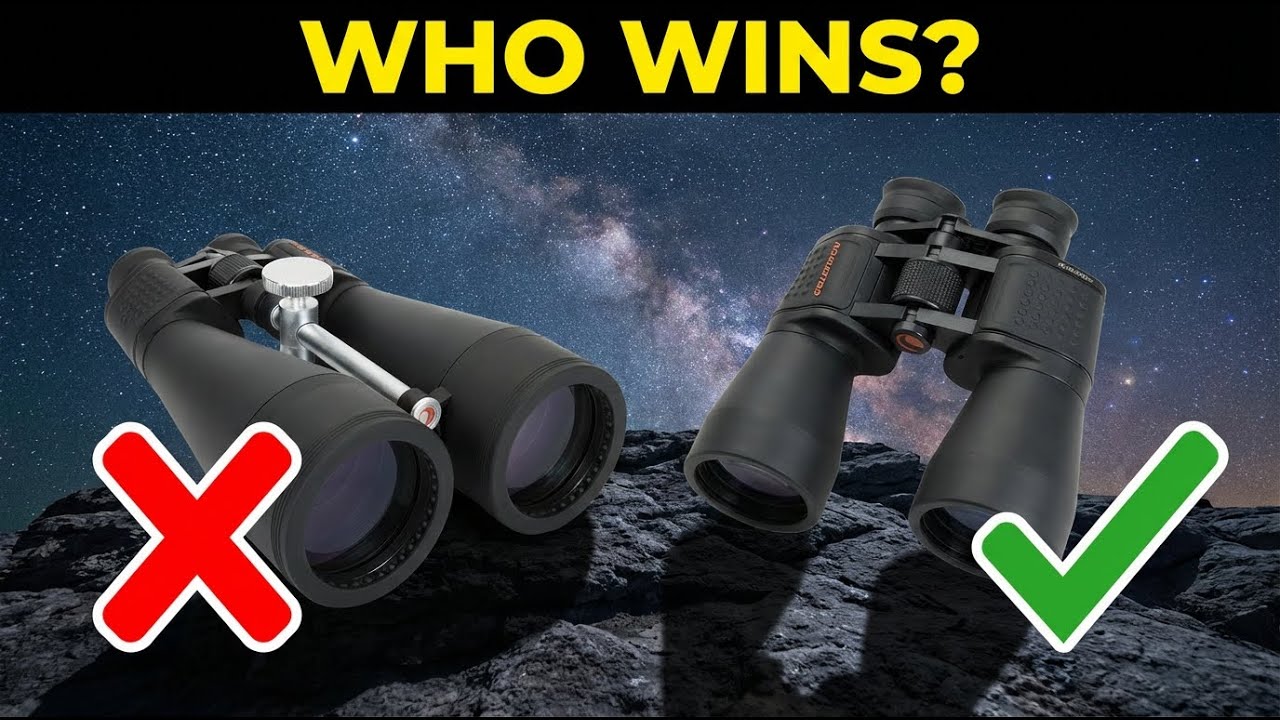
Celestron SkyMaster 8x56 ($150-200): A popular choice for astronomy, the SkyMaster offers a large aperture for bright images. Its 8x magnification is ideal for tracking the sun. Eclipse Suitability: 4/5. Pros: Affordable, large aperture, good for low-light viewing. Cons: Relatively heavy, image quality not exceptional.
Nikon Prostaff 3S 10x42 ($200-250): A well-rounded binocular with excellent optics for the price. The 10x magnification provides a closer view, but may require a steady hand. Eclipse Suitability: 3.5/5. Pros: Sharp images, waterproof, lightweight. Cons: Smaller aperture than the SkyMaster.
Vortex Diamondback HD 8x42 ($250-300): Known for its durability and excellent warranty, the Diamondback HD offers a bright and clear image. Eclipse Suitability: 4/5. Pros: Rugged construction, great warranty, high-quality optics. Cons: More expensive than the Celestron or Nikon.
Bushnell Legend Ultra HD 10x42 ($300-350): Features ED glass for reduced chromatic aberration and improved image clarity. Eclipse Suitability: 3.5/5. Pros: Excellent image quality, ED glass, waterproof. Cons: Pricey, may be overkill for basic eclipse viewing.
Swarovski EL 8.5x42 ($1600-2000): A top-of-the-line binocular with exceptional optics and build quality. If budget isn't a concern, this is a superb choice. Eclipse Suitability: 5/5. Pros: Unmatched image quality, extremely durable, lightweight. Cons: Very expensive.
Leupold BX-2 Alpine HD 10x42 ($300-350): Offers a good balance between price and performance, with high-definition optics and a rugged build. Eclipse Suitability: 4/5. Pros: Bright, clear images, durable, good value. Cons: Not as refined as higher-end models.
Featured Products

8x magnification, 42mm objective lens diameter · ED (Extra-low Dispersion) glass for chromatic aberration reduction · Waterproof and fogproof construction
These binoculars offer the necessary magnification, aperture, and crucially, integrated solar filters to safely observe the sun's corona during the 2026 solar eclipse.

12x magnification, 50mm objective lens diameter · Porro prism design · 5-degree angle of view
These binoculars offer the necessary magnification, aperture, and crucially, integrated solar filters to safely observe the sun's corona during the 2026 solar eclipse.

15x magnification, 45mm objective lens diameter · HD (High Definition) optics · Includes phone adapter and tripod
These binoculars offer the necessary magnification, aperture, and crucially, integrated solar filters to safely observe the sun's corona during the 2026 solar eclipse.

10x magnification, 42mm objective lens diameter · Porro prism design · ISO 12312-2 compliant solar filters
These binoculars offer the necessary magnification, aperture, and crucially, integrated solar filters to safely observe the sun's corona during the 2026 solar eclipse.

10x magnification, 50mm objective lens diameter · Waterproof construction · Wide-angle Porro prism optics
These binoculars offer the necessary magnification, aperture, and crucially, integrated solar filters to safely observe the sun's corona during the 2026 solar eclipse.
As an Amazon Associate I earn from qualifying purchases. Prices may vary.
Why magnification isn't everything
The relationship between magnification and aperture is fundamental to binocular performance. Magnification determines how much closer the image appears, while aperture dictates how much light is gathered. Higher magnification isn’t always better for eclipse viewing. It can make the image dimmer, harder to stabilize, and more susceptible to shaking. A magnification of 7x to 10x is generally considered optimal.
Aperture is equally important. A larger aperture gathers more light, resulting in a brighter and clearer image. This is particularly beneficial during a partial eclipse, when the sun’s light is reduced but still intense. A 42mm or 50mm objective lens is a good choice for eclipse viewing. Smaller apertures may produce a dim image, while larger apertures can be bulky and heavy.
Consider the trade-offs. Higher magnification often comes at the cost of a smaller aperture, and vice versa. A binocular with 10x magnification and a 42mm aperture offers a good compromise between magnification and brightness. The ideal combination depends on your individual preferences and viewing conditions. A stable platform, like a tripod, can help mitigate the effects of higher magnification.
Aperture directly impacts both resolution and brightness. A larger aperture allows you to resolve finer details on the sun's surface, and provides a brighter image even in less-than-ideal lighting conditions. The aperture also affects the exit pupil – the diameter of the light beam exiting the binoculars. A larger exit pupil is easier on your eyes, especially during prolonged viewing.
Binocular Performance Matrix for Solar Eclipse Viewing
| Magnification | Aperture | Brightness | Stability | Field of View |
|---|---|---|---|---|
| 7x | 30mm | Low | Easy | Wide |
| 7x | 42mm | Medium | Easy | Wide |
| 8x | 42mm | Medium | Moderate | Medium |
| 10x | 42mm | Medium | Moderate | Narrow |
| 10x | 50mm | High | Moderate | Narrow |
| 12x | 50mm | High | Difficult | Narrow |
Illustrative comparison based on the article research brief. Verify current pricing, limits, and product details in the official docs before relying on it.
Optical Coatings and Image Quality
Optical coatings are applied to the lenses of binoculars to reduce glare, increase light transmission, and improve contrast. Different types of coatings exist, ranging from basic "coated’ optics to fully multi-coated systems. ‘Coated’ means that some lens surfaces have a single layer of coating. ‘Multi-coated" indicates that multiple layers of coating have been applied to some surfaces.
"Fully multi-coated’ is the highest level of coating, meaning that all lens surfaces have multiple layers of coating. This results in the brightest, clearest, and most contrast-rich image. Look for binoculars that are advertised as ‘fully multi-coated" for the best possible optical performance. The coatings are designed to minimize light loss due to reflection and refraction.
Lens materials also play a role in image quality. ED (Extra-low Dispersion) glass is a special type of glass that reduces chromatic aberration, a type of distortion that causes color fringing around objects. Binoculars with ED glass typically offer sharper and more accurate images. Fluorite glass is another high-performance material used in some premium binoculars.
The quality of the prism glass is also important. BAK-4 prism glass is generally considered superior to BK-7 prism glass. BAK-4 prisms provide a brighter and more uniform image. When evaluating binoculars, pay attention to the specifications regarding optical coatings and prism glass to ensure you are getting a high-quality product.
Beyond the Eclipse: Other Uses for Your Binoculars
The binoculars recommended for eclipse viewing are versatile tools that can be used for a wide range of other activities. Birdwatching is a natural extension, as many of these models offer excellent close-focusing ability and bright, clear images. The same qualities that make them suitable for eclipse viewing – magnification, aperture, and optical coatings – are also beneficial for bird identification.
Astronomy beyond eclipses is another possibility. While dedicated astronomy binoculars with larger apertures are available, these models can be used for casual stargazing, particularly for viewing the moon and brighter deep-sky objects. The wide field of view is helpful for scanning the night sky. They are also excellent for general outdoor recreation, such as hiking, camping, and wildlife viewing.
Their durability and weather resistance make them suitable for use in a variety of conditions. The ability to quickly acquire and track moving objects is valuable for observing wildlife. Investing in a good pair of binoculars is an investment in your outdoor experiences, providing years of enjoyment and utility beyond a single eclipse event.
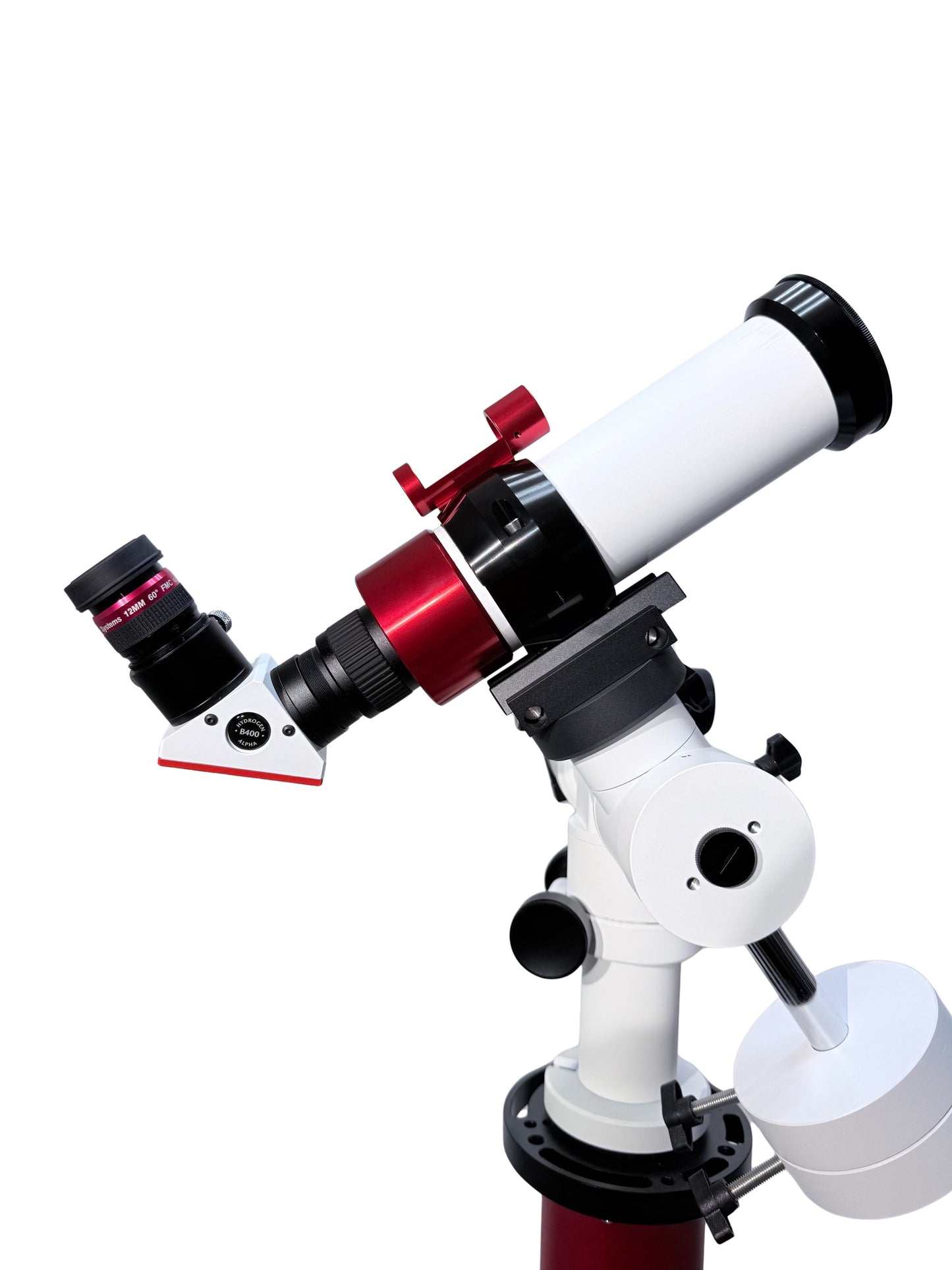
Lunt Solar Systems LS50THa/B1200 Double Stack Hydrogen-Alpha Telescope
- Dedicated Hydrogen-Alpha (H-alpha) solar viewing
- Double-stack configuration for enhanced detail and contrast
- Integrated 1200mm blocking filter for safe solar observation
- 50mm aperture objective lens
The Lunt LS50THa/B1200 is a specialized H-alpha telescope offering exceptional detail of solar prominences and surface features, crucial for appreciating the nuances of a solar eclipse beyond naked-eye visibility.
View on Amazon →As an Amazon Associate I earn from qualifying purchases.
No comments yet. Be the first to share your thoughts!