
The slow shift in birding optics
The binocular market is changing slowly. We aren't seeing massive leaps in physics, but glass quality and coatings improve every year. The biggest shift is the arrival of artificial intelligence. It's early, but we're seeing the first attempts to automate bird identification and tracking directly through the lenses.
Birding itself has seen a surge in popularity, particularly since 2020. This demand is driving manufacturers to innovate, but also to cater to a wider range of budgets. The $500 price point is interesting because it’s a sweet spot – enough to get genuinely good optics without entering the realm of diminishing returns. But it’s also a competitive space, and you need to know what to look for.
In 2026, expect to see more emphasis on ergonomics and user experience. Binoculars aren’t just about image quality; they’re about how comfortable they are to hold and use for extended periods. Weight, balance, and focusing mechanisms are all critical. A binocular that’s technically superior but awkward to use will quickly become a disappointment. Don't fall for marketing fluff; focus on practical performance.
How to read the numbers
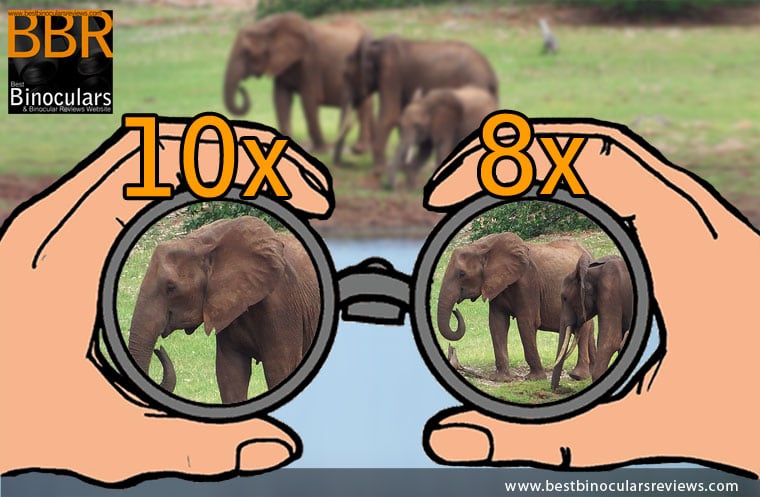
Binocular specifications can seem like alphabet soup, but understanding the basics is essential. The first number in a binocular’s designation refers to magnification – 8x or 10x are the most common for birding. 8x provides a wider field of view and a steadier image, while 10x brings birds closer but can be harder to hold still. For most birding situations, I recommend 8x.
The second number is the objective lens diameter, measured in millimeters. A larger objective lens gathers more light, resulting in a brighter image, especially in low-light conditions. However, larger lenses also add weight and bulk. 42mm is a common objective lens size, offering a good balance between brightness and portability. Don't automatically assume bigger is better; consider your typical birding environment.
Field of view (FOV) is measured in degrees or feet at 1000 yards and indicates how much of the scene you can see at once. A wider FOV makes it easier to locate and track birds, especially fast-moving species. Eye relief is the distance between your eye and the eyepiece, crucial for eyeglass wearers. Finally, exit pupil – the diameter of the light beam exiting the eyepiece – impacts brightness. A larger exit pupil is better for low-light viewing.
- Magnification: 8x is usually better than 10x because it's easier to keep the image steady.
- Objective Lens Diameter: 42mm is a good all-around size
- Field of View: Wider is better for tracking birds
- Eye Relief: Important for eyeglass wearers (14mm or more is ideal)
- Exit Pupil: Larger is better for low-light viewing
Common Binocular Specifications for Birding
| Magnification x Objective Lens | Typical Brightness | Field of View (feet at 1000 yards) | Weight (approx.) | Good For |
|---|---|---|---|---|
| 8x42 | Good to Excellent in low light | 330-350 ft | 20-28 oz | General birding, woodland and forest environments, all-around use. |
| 10x42 | Good in moderate light | 315-330 ft | 22-30 oz | Open country birding, identifying distant birds, situations where magnification is prioritized. |
| 8x32 | Good in moderate to bright light | 340-360 ft | 16-22 oz | Compact and lightweight for travel, birding in open areas, comfortable extended use. |
| 10x32 | Acceptable in moderate light | 300-320 ft | 18-24 oz | Travel, birding where weight is a concern, good balance of magnification and portability. |
| 7x35 | Good in moderate light | 350-370 ft | 18-24 oz | Beginner birders, those preferring a wider field of view and more stable image. |
| 12x50 | Best in bright light | 280-300 ft | 28-35 oz | Long-distance observation, open landscapes, requires a steady hand or tripod. |
Illustrative comparison based on the article research brief. Verify current pricing, limits, and product details in the official docs before relying on it.
The reality of AI binoculars
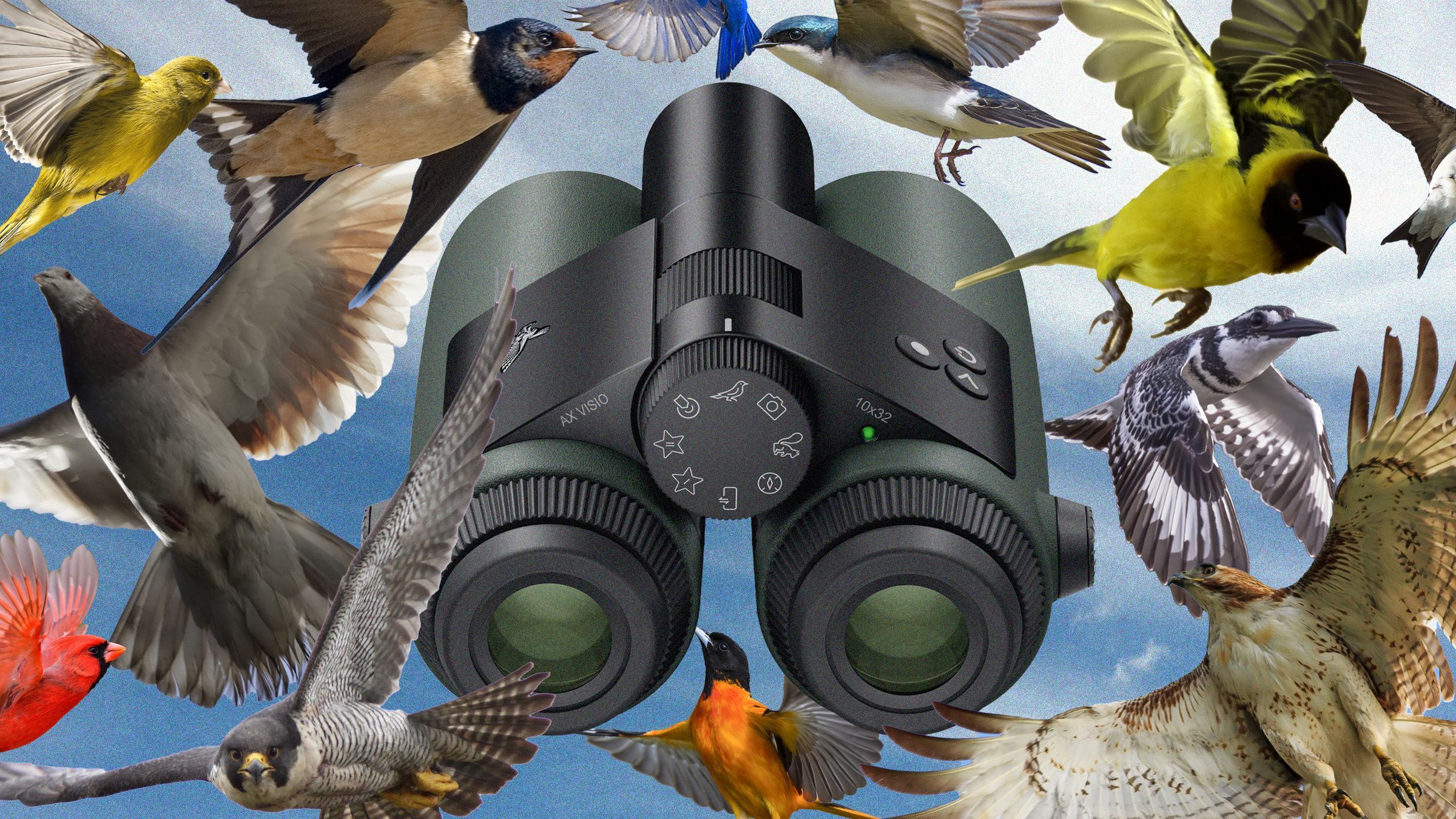
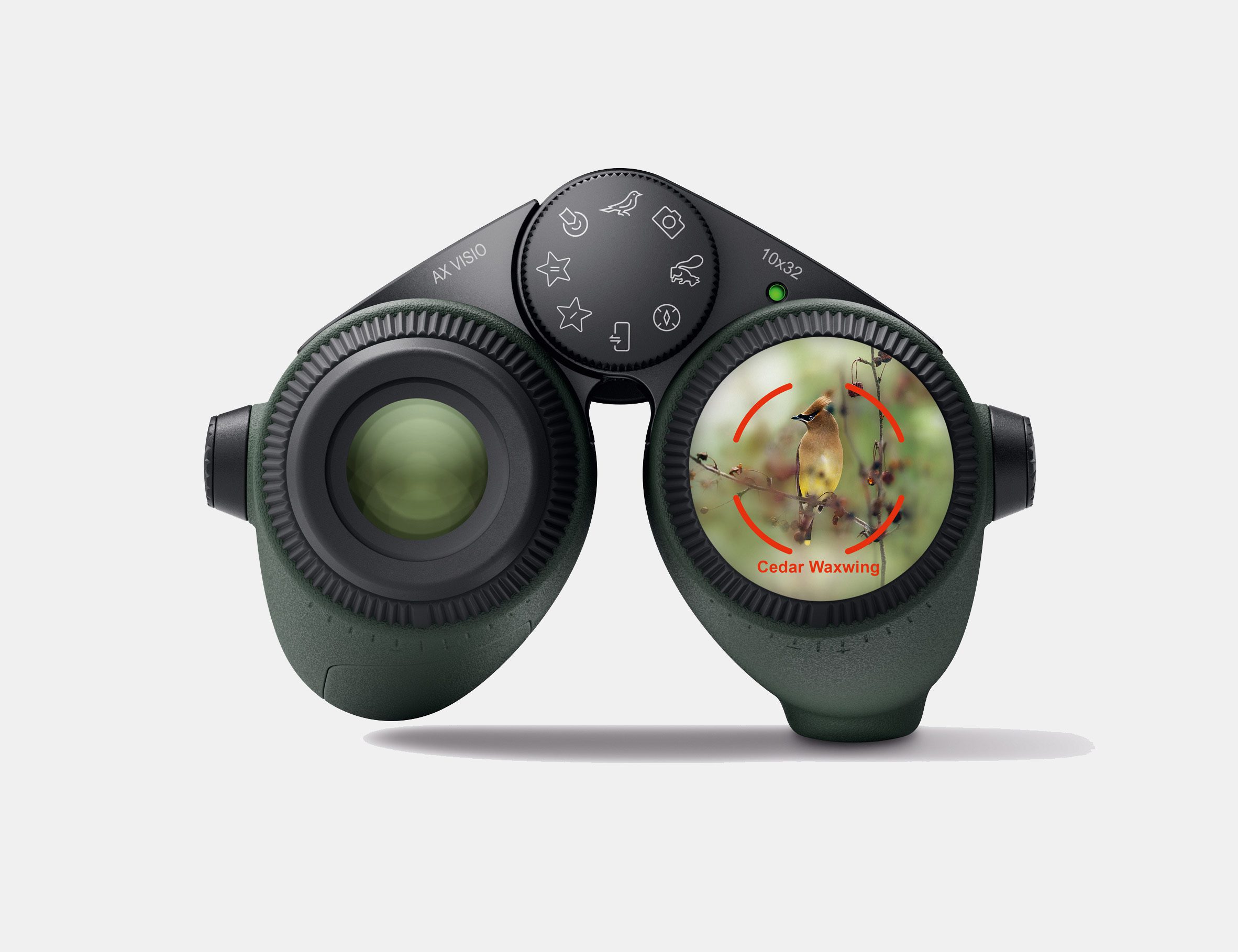
The recent buzz around AI-powered binoculars, like the Swarovski AX Visio, is interesting, but I remain skeptical. The idea of a binocular that automatically identifies birds is appealing, but the current technology is far from perfect. The WIRED article highlights the potential, but also the limitations. Bird identification relies on subtle cues – plumage variations, behavior, song – that AI struggles to interpret consistently.
Right now, these systems are essentially sophisticated pattern-matching algorithms. They can often identify common species with reasonable accuracy, but they stumble with less common birds or those exhibiting unusual characteristics. The image stabilization features are more useful, but that technology has existed for years in cameras and spotting scopes. It's not a new breakthrough.
The biggest drawback is the price. These AI-enabled binoculars are significantly more expensive than traditional models. I believe the cost outweighs the benefits for most birders. The technology has potential, but it needs to mature and become more reliable before it’s truly worth the investment. I'd rather spend the money on superior optics and learn to identify birds myself.
Top picks under $500
The under-$500 market is crowded. These 12 models represent a good balance of price, performance, and features. My 'Birding Score' is subjective, based on my experience and prioritizing factors like image clarity, brightness, ease of use, and build quality. I've focused on models readily available through major retailers like Amazon.
Preferences vary. A pair that feels balanced to me might feel heavy to you. These picks are for general-purpose birding, so if you spend your time at hawk watches or looking for owls at dusk, you'll likely want specialized glass with higher magnification or larger objectives.
- Nikon Monarch 5 8x42: My top pick for clarity and low-light performance at this price.
- Vortex Diamondback HD 8x42: (Birding Score: 8.0/10) Vortex’s reputation for quality and warranty is strong. Sharper images than previous Diamondback models.
- Celestron TrailSeeker ED 8x42: (Birding Score: 7.5/10) Offers ED glass at a competitive price. Noticeably improved color fidelity.
- Bushnell Engage DX 8x42: (Birding Score: 7.0/10) A solid all-around option. Durable and waterproof.
- Leupold BX-2 Alpine HD 8x42: (Birding Score: 7.5/10) Lightweight and compact. Good for hiking and travel.
- Wingspan Optics Spectator 8x32 Compact Binoculars: (Birding Score: 6.5/10) A very lightweight and portable option for casual birding.
- Olympus Trooper DPS I 8x40: (Birding Score: 6.0/10) A budget-friendly option. Decent image quality for the price.
- Nikon Prostaff 3S 8x42: (Birding Score: 7.0/10) A step up from the Monarch 5, offering improved clarity.
- Athlon Optics Talos G2 8x42: (Birding Score: 7.0/10) A good value option with a solid build quality.
- Hawke Frontier ED 8x42: (Birding Score: 7.5/10) Another ED glass contender. Offers excellent color reproduction.
- Vanguard Endeavor ED IV 8x42: (Birding Score: 7.0/10) A comfortable and well-balanced binocular.
- Bardic HD 8x42: (Birding Score: 6.5/10) A newer entrant to the market, offering a good feature set for the price.
Featured Products

ED glass for enhanced clarity and color fidelity · Waterproof, fogproof, and rubber-armored for rugged durability · Wide field of view for expansive observation
While slightly above budget, the Nikon MONARCH M7 delivers unparalleled optical performance and robust construction, justifying its premium price for serious birders.

HD optical system for superior image resolution and contrast · Waterproof, fogproof, and shockproof construction for all-weather reliability · Non-slip grip for secure handling in the field
The Vortex Diamondback HD offers an exceptional balance of optical quality, ruggedness, and a generous warranty, making it a standout choice for dedicated birdwatchers.

BaK-4 prisms and fully multi-coated lenses for bright, clear images · Wide 7.4° field of view to easily track moving birds · Waterproof and fogproof design for reliable use in diverse conditions
The Celestron Nature DX provides excellent optical performance and essential birding features at an accessible price point, ideal for beginners and intermediate enthusiasts.

IPX7 waterproof rating for submersion protection · Lightweight design for comfortable extended use · Durable construction suitable for hunting, travel, and camping
The Bushnell Engage X offers reliable performance and a waterproof build at a highly competitive price, making it a practical option for budget-conscious birders.
As an Amazon Associate I earn from qualifying purchases. Prices may vary.
My three favorites
From the list above, three models stand out as particularly noteworthy: the Nikon Monarch 5, the Vortex Diamondback HD, and the Celestron TrailSeeker ED. The Nikon Monarch 5 consistently receives high marks for its overall performance and value. I’ve used this binocular extensively in various conditions, and it delivers sharp, bright images with excellent color accuracy. It’s a workhorse that won’t let you down.
The Vortex Diamondback HD is a strong contender, especially if you prioritize warranty support. Vortex’s VIP warranty is legendary, and it provides peace of mind. The Diamondback HD also boasts improved optics compared to previous generations, with sharper images and better edge-to-edge clarity. It’s a bit heavier than the Monarch 5, but the added weight is justified by the improved performance and warranty.
Finally, the Celestron TrailSeeker ED offers a taste of ED glass performance at a relatively affordable price. The ED glass noticeably reduces chromatic aberration, resulting in cleaner, more natural-looking images. This is a good choice if you’re particularly sensitive to color fringing. It’s not quite as bright as the Nikon or Vortex, but the improved color fidelity is a significant advantage.
Weatherproofing and build quality
Birding often takes you into unpredictable environments, so a durable and weatherproof binocular is essential. Waterproof binoculars are sealed to prevent water from entering, protecting the internal optics from damage. Fogproof binoculars are typically nitrogen-purged, meaning that the air inside the binocular has been replaced with nitrogen, which prevents internal condensation.
Rubber armor provides a comfortable grip and protects the binocular from impacts. Magnesium alloy is a lightweight and durable material often used in the chassis of high-end binoculars. At the $500 price point, you can expect a binocular with a durable rubber-armored body and a waterproof/fogproof design.
Warranty terms vary between manufacturers. Vortex offers a lifetime VIP warranty, while Nikon and Celestron typically offer limited lifetime warranties. Read the warranty carefully to understand what is covered and what is not. A good warranty provides peace of mind and protects your investment.
No comments yet. Be the first to share your thoughts!