
Hunting optics in 2026
The woods feel different now. Not the woods themselves, of course, but how we hunt them. For generations, a good set of binoculars was the hunter’s most trusted companion – a tool for patiently scanning fields, glassing ridges, and confirming a shot. That’s still true, but the definition of "good" is rapidly evolving.
Thermal imaging is moving fast. We aren't just stuck with visible light anymore; we can pick up heat signatures through thick brush or total darkness. It works, but you'll pay a premium for that edge.
This isn't about replacing tradition, it's about augmenting it. Traditional binoculars aren’t going anywhere, and for many hunters, they remain the perfect choice. But the increasing accessibility and capability of thermal optics are forcing us to re-evaluate what’s possible, and what we need to be successful in the field. The question isn’t simply "thermal or traditional?’ but ‘which tool is right for my hunt?"
Traditional Binoculars: Still a Strong Choice
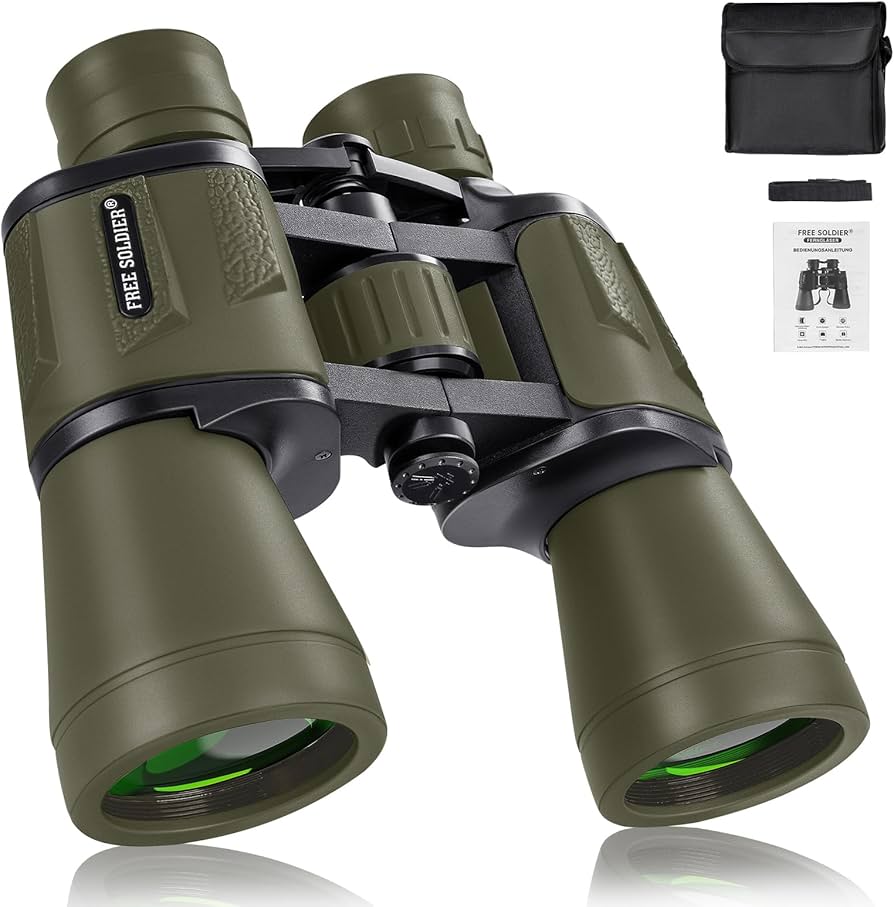
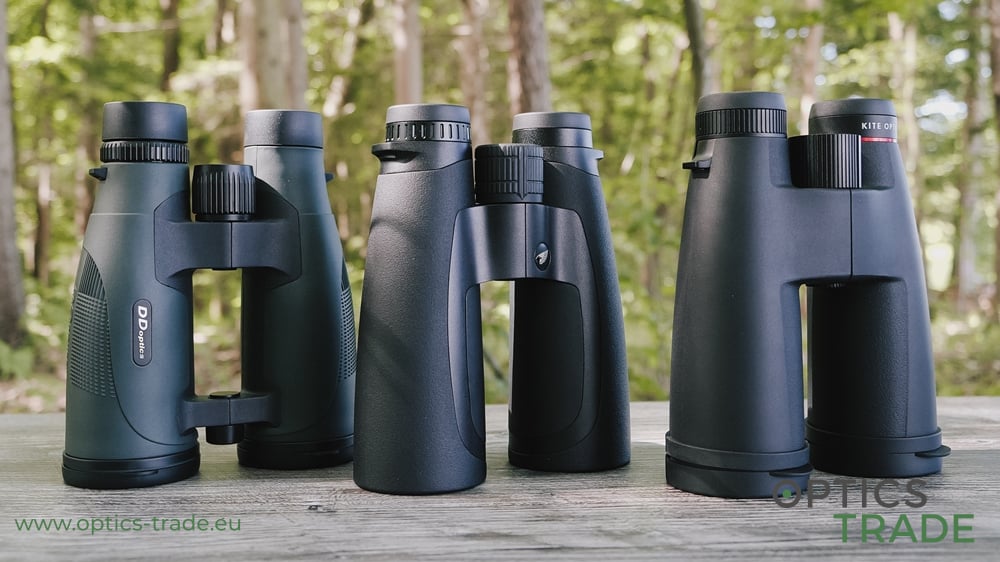
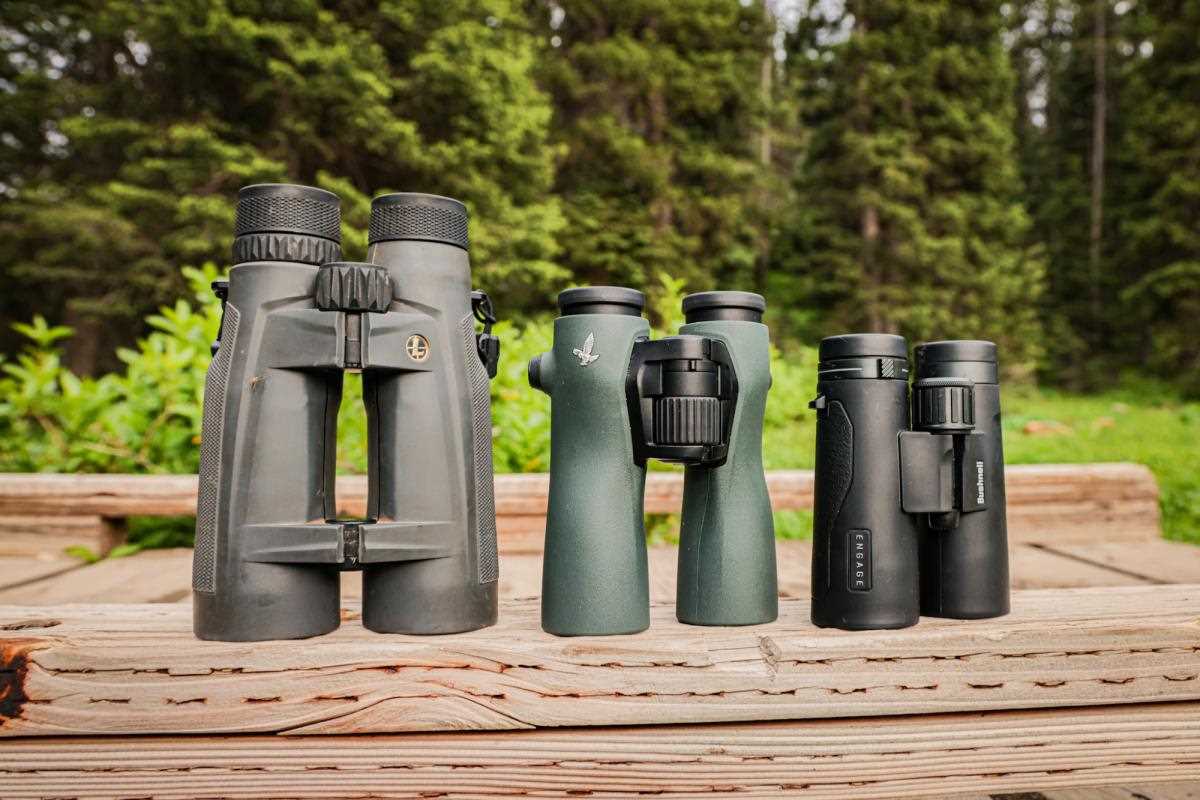
Let’s not underestimate the power of a well-made pair of traditional binoculars. When conditions are favorable – good light, open terrain – they can deliver an incredibly clear and detailed view. The key is understanding what makes a "good" pair. It starts with magnification and objective lens size.
Magnification dictates how much closer an object appears, while the objective lens (the larger lens at the front) determines how much light the binoculars can gather. A common configuration is 10x42 – 10x magnification and a 42mm objective lens. Higher magnification isn’t always better; it can make the image more unstable. Larger objective lenses gather more light, improving performance in low light, but also add weight and bulk.
However, the quality of the glass and coatings is arguably even more important. Look for binoculars with ED (Extra-low Dispersion) glass, which minimizes chromatic aberration (color fringing) and delivers a sharper, more accurate image. Multi-layer coatings on all lens surfaces are essential for maximizing light transmission and reducing glare. Brands like Swarovski and Zeiss consistently rank among the best, known for their exceptional optics and build quality.
I’ve been using a pair of Zeiss Conquest HD 10x42 binoculars for the past three seasons, and I’m consistently impressed. The clarity is outstanding, even in challenging light conditions, and the build quality feels incredibly solid. They’re not cheap, but they’re an investment that will last for years.
Beyond magnification and glass, consider features like waterproofing, fogproofing, and eye relief (the distance between your eye and the eyepiece). These details can significantly impact your comfort and usability in the field. A comfortable, reliable pair of binoculars is a pleasure to use, and can make all the difference on a long hunt.
How thermal sensors actually work
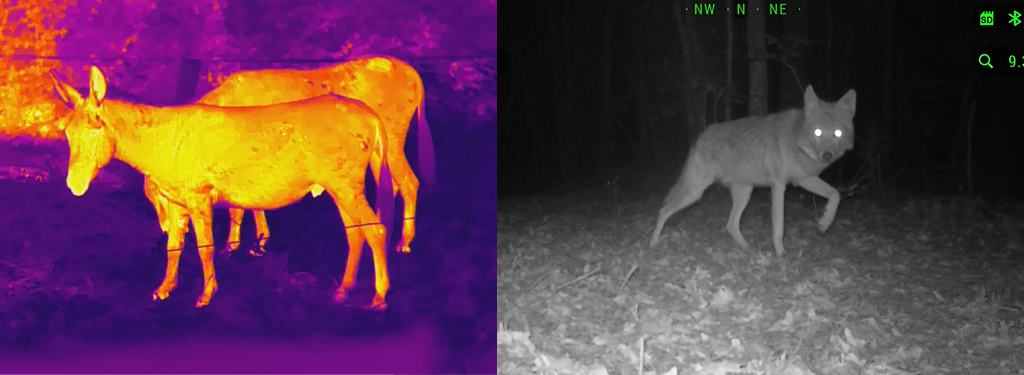
Thermal imaging isn’t about seeing visible light; it’s about detecting heat. All objects emit infrared radiation – heat – and thermal optics capture this radiation to create an image. The warmer an object, the more infrared radiation it emits, and the brighter it appears in a thermal image.
At the heart of a thermal optic is a sensor, typically a bolometer or microbolometer. These sensors are made up of tiny pixels that respond to changes in temperature. The microbolometer is the more common type in hunting binoculars, as it doesn’t require cryogenic cooling.
Resolution is a key specification for thermal optics, measured in pixels (e.g., 640x480). Higher resolution means a more detailed image, allowing you to identify smaller objects at longer distances. Refresh rate (measured in Hz) determines how smoothly the image updates. A higher refresh rate reduces motion blur, which is especially important when tracking moving targets.
Thermal optics also offer different color palettes. "White hot’ displays warmer objects as white and cooler objects as black, while ‘black hot’ reverses this. ‘Sepia" and other palettes offer variations for different viewing preferences and terrain. White hot is often preferred for identifying animals against cooler backgrounds, while black hot can be useful in environments with a lot of heat clutter.
Thermal vs. Traditional: Head-to-Head
So, where does each type of optic excel? Traditional binoculars are the clear winner in good light conditions. They provide superior clarity, color accuracy, and detail when there’s plenty of visible light to work with. For daytime scouting or hunting in open terrain, they’re hard to beat.
However, when the light fades, thermal optics truly shine. They can detect animals in complete darkness, through fog, smoke, and even dense foliage. This is a huge advantage for hunters who pursue game at dawn, dusk, or at night.
In dense cover, thermal optics can reveal animals that would be impossible to see with traditional binoculars. The heat signature cuts through the vegetation, making it easier to spot game. Similarly, at long ranges, thermal optics can detect animals that are too small or distant to be seen with traditional binoculars.
But thermal isn’t a magic bullet. One limitation is its lack of detail. While you can identify an animal’s presence, it can be difficult to discern fine details like antlers or distinguishing features. Thermal optics also struggle in situations with significant heat sources, such as near roads or buildings. Rain and humidity can also degrade thermal image quality.
Thermal isn't worth the money for everyone. If you're glassing open hills in the afternoon, stick to high-end glass. But if you're tracking hogs at night or trying to find a downed deer in a thicket, the heat signature is the only way to go.
- Traditional glass: Best for daytime, identifying antler points, and judging distance in open fields.
- Thermal Binoculars Excel: Low light conditions, dense foliage, long-range detection, nighttime hunting
Hunting Binocular Comparison: Thermal vs. Traditional (2026)
| Criteria | Traditional Optics | Thermal Optics | Notes |
|---|---|---|---|
| Cost 💰 | Generally lower initial cost. Prices range from a few hundred to several thousand dollars depending on magnification and features. | Significantly higher initial cost. Expect to pay several thousand dollars and upwards. | Thermal technology remains a premium investment. |
| Low-Light Performance 🔦 | Performance relies on ambient light. Quality glass and coatings are crucial for visibility in dusk and dawn. Can struggle in complete darkness. | Excellent in complete darkness. Detects heat signatures, rendering light conditions largely irrelevant. | Thermal excels where traditional optics fail in low-light scenarios. |
| Daytime Performance ☀️ | Superior clarity, color fidelity, and detail recognition in good lighting conditions. Offers a natural viewing experience. | Can appear lower resolution than traditional optics during the day. Image quality is improving, but color representation is absent. | Traditional optics still reign supreme for detailed daytime observation. |
| Range (Typical) | Effective range varies greatly with magnification and conditions, typically hundreds of yards for deer-sized game. | Effective detection range can be comparable or exceed traditional optics, particularly for larger animals. Ranges vary with model and environmental conditions. | Range isn't solely determined by technology; atmospheric conditions play a significant role for both types. |
| Target Detection in Foliage 🌿 | Can be challenging in dense foliage. Requires careful scanning and a bit of luck. | Excellent at detecting targets obscured by foliage, smoke, or light mist due to heat signature contrast. | Thermal's ability to 'see through' obstructions is a major advantage. |
| Ease of Use | Generally straightforward. Focus adjustments and diopter settings are familiar to most hunters. | Can have a steeper learning curve. Requires understanding of thermal palettes and image interpretation. | Modern thermal binoculars are becoming more user-friendly with intuitive controls. |
| Battery Life | Not applicable – traditional binoculars are passive optical devices. | Limited by battery capacity. Runtime varies from a few hours to over 8 hours depending on usage and model. | Battery management is crucial for thermal binocular use in the field. |
| Legal Restrictions | Generally no restrictions, though hunting regulations always apply. | May be subject to regulations regarding the use of night vision/thermal technology for hunting in certain jurisdictions. ⚠️ Check local laws. | Regulations vary widely; hunters must be aware of and comply with all applicable laws. |
Illustrative comparison based on the article research brief. Verify current pricing, limits, and product details in the official docs before relying on it.
The price gap
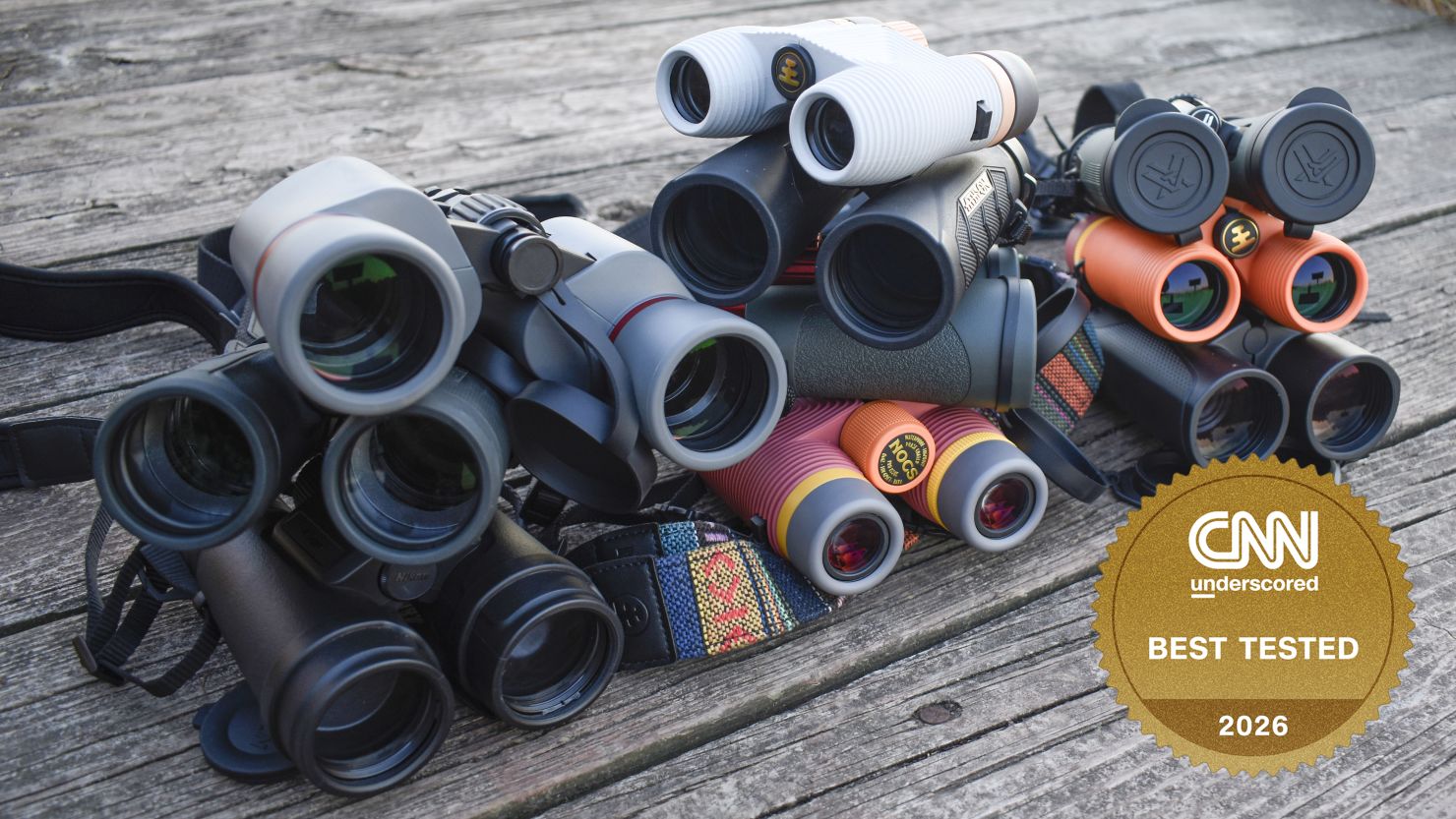
Let’s be realistic: optics can be expensive. Traditional binoculars can range from under $200 for a basic model to over $3,000 for a top-of-the-line pair from Swarovski or Zeiss. You can get a decent, serviceable pair for around $500-$800, offering good clarity and build quality.
Thermal optics, on the other hand, start much higher. Entry-level thermal monoculars can be found for around $800-$1,500, but these typically have lower resolution and limited features. Thermal binoculars with good resolution and performance generally start around $2,500 and can easily exceed $6,000 or more.
The cost of thermal optics is driven by the complexity of the technology and the quality of the sensor. Higher resolution, faster refresh rates, and advanced features like image stabilization all add to the price. Objective lens size also plays a role, with larger lenses generally being more expensive.
Financing options are becoming increasingly available for thermal optics, allowing hunters to spread the cost over time. Keep an eye out for sales and promotions, especially during hunting season. Remember to factor in the cost of accessories, such as a tripod or carrying case.
Top Thermal & Traditional Picks for 2026
Okay, let’s get specific. Here are a few recommended binoculars in both categories. These aren’t necessarily the most expensive, but they represent good value for money.
Traditional Binoculars:
Zeiss Conquest HD 10x42: As I mentioned earlier, these are my go-to binoculars. Exceptional clarity, build quality, and a comfortable viewing experience. ($1,400 - $1,700)
Swarovski EL 8.5x42: Considered by many to be the gold standard. Incredible optics, lightweight, and durable. ($2,800 - $3,200)
Vortex Razor UHD 10x42: A more affordable option that still delivers excellent performance. ($1,200 - $1,500)
Thermal Binoculars:
FLIR Breach PTQ136: A compact and versatile thermal optic with good resolution and a built-in recorder. ($2,200 - $2,500)
Pulsar Trail XQ50: Offers a good balance of performance and price. Excellent detection range and image quality. ($2,800 - $3,200)
Swarovski AX Visio 8x32: While a newer, and premium option, the integration of digital features with Swarovski's optical excellence is noteworthy. (around $6,000+)
These are just a few examples, and the best choice for you will depend on your budget and specific hunting needs. Do your research, read reviews, and try to test out different models before making a purchase.
Featured Products

10x magnification · 42mm objective lenses · HD (High Density) extra-low dispersion glass
A solid performer for traditional optics, offering excellent clarity and light gathering for its price point.

8x magnification · 42mm objective lenses · ED (Extra-low Dispersion) glass
Provides a wide field of view and excellent optical quality, ideal for scanning the terrain with traditional binoculars.

10x magnification · 42mm objective lenses · Waterproof and fogproof
An affordable and durable option for traditional binoculars, offering essential features for outdoor use.

Thermal imaging technology · High-resolution thermal sensor · Multiple color palettes
Represents the pinnacle of thermal imaging for hunters, offering unparalleled detection capabilities in all conditions.

Thermal imaging riflescope · High-resolution thermal sensor (640x512) · Long detection range
A top-tier thermal optic that integrates advanced detection with a familiar riflescope form factor for enhanced hunting performance.
As an Amazon Associate I earn from qualifying purchases. Prices may vary.
Legal and Ethical Considerations
Before you head out with a thermal optic, it’s crucial to understand the legal regulations in your area. Many states have restrictions on the use of thermal imaging for hunting, often prohibiting its use for spot-lighting or unfair advantage. Regulations can vary significantly, so it’s your responsibility to know the rules.
Ethical considerations are also important. Thermal optics can give hunters an unfair advantage over game animals, and some argue that using them violates the principles of fair chase. It’s important to use thermal optics responsibly and ethically, and to respect the rights of other hunters.
Consider the potential for misuse. Thermal optics could be used to illegally poach animals or to harass wildlife. It’s important to be aware of these risks and to use thermal optics in a way that minimizes the potential for harm. Always prioritize ethical hunting practices and respect for wildlife.
Future Trends: What's Next for Hunting Optics?
The future of hunting optics is likely to be shaped by advancements in AI and sensor technology. I’m seeing some interesting developments, like the AI-powered binoculars from Bino AI that can identify bird species – we might see similar technology applied to hunting scenarios, helping hunters identify game animals and assess their health.
Improved thermal resolution and sensitivity are also on the horizon. We can expect to see thermal optics that can detect smaller animals at longer distances, even in challenging conditions. Lighter materials and enhanced image stabilization will make thermal optics more comfortable and easier to use.
Integration with other technologies, such as GPS and mapping apps, is also likely to become more common. Imagine binoculars that can automatically mark the location of a spotted animal or overlay thermal images onto a map. The possibilities are endless.
No comments yet. Be the first to share your thoughts!