
Spring migration is here
Spring migration is starting. As trees bud and the first waves of warblers arrive, the chance to spot something rare increases. For most of us, this is the best time of year to be outside with a pair of optics.
But spotting those fleeting warblers or distant shorebirds requires more than just a good ear – it demands good optics. Binoculars aren’t just an accessory for birding; they’re the key that unlocks a whole new level of detail and enjoyment. I remember countless times missing a subtle field mark that would have confirmed an identification, simply because my binoculars weren't up to the task.
New tech is hitting the market fast, ranging from AI-powered ID software to better stabilization. With so many new lens coatings and digital features, picking a pair for 2026 is more complicated than it used to be.
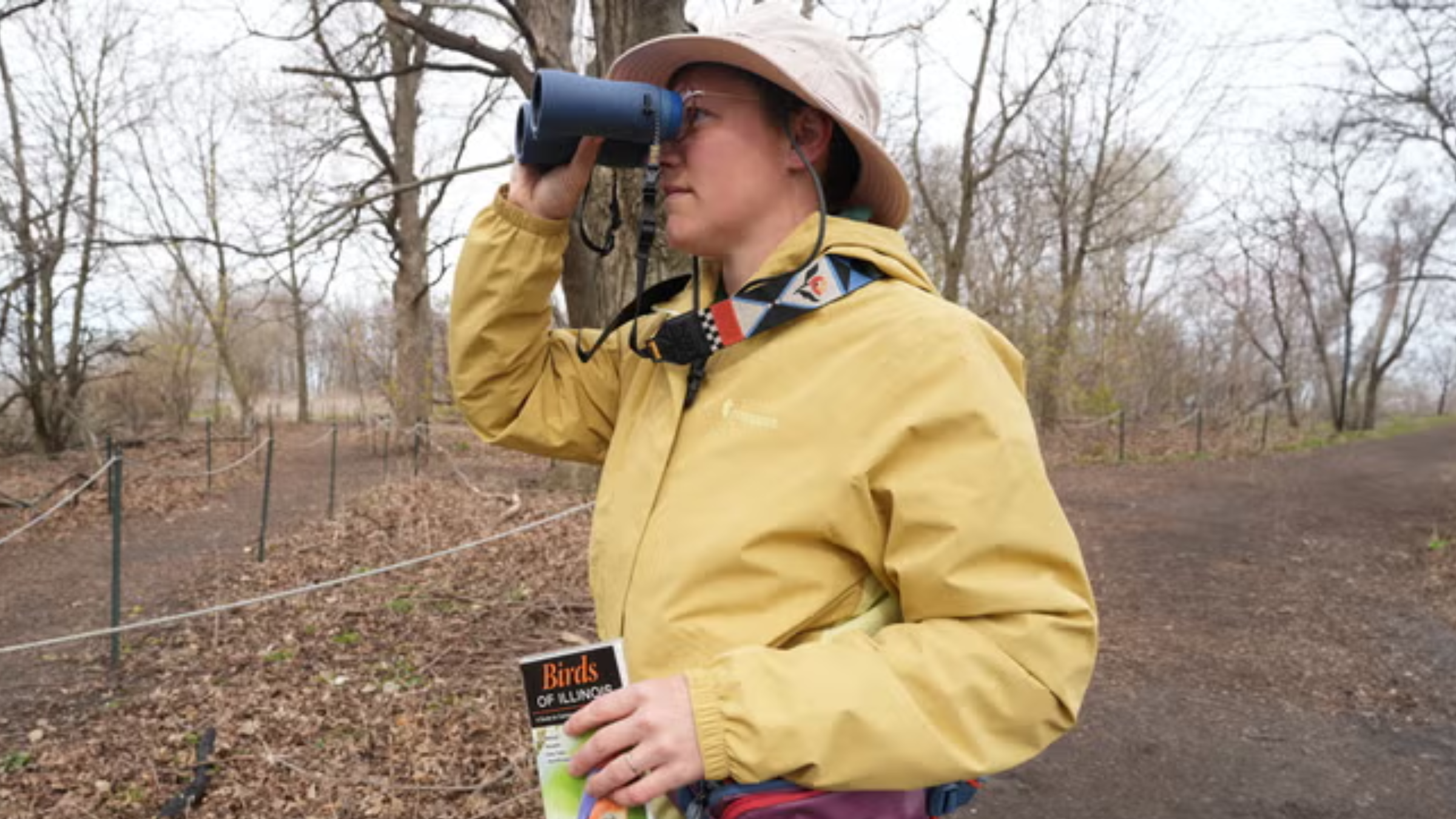
Are AI binoculars actually useful?
The biggest buzz in the binocular world lately centers around artificial intelligence. Companies like Willfine are leading the charge with models like the S7, which promise to identify birds in real-time. The idea is simple: point your binoculars at a bird, and the AI tells you what it is. It’s an appealing prospect, especially for newer birders who are still learning their field marks.
But does the technology actually deliver? The Wired review of AI binoculars was cautiously optimistic, highlighting the potential but also noting the limitations. The stabilization features and image capture capabilities seem solid, but the bird identification still has a ways to go. It’s not always accurate, and can struggle with birds in poor lighting or obscured views.
I'm skeptical. Identifying a bird involves watching its behavior and habitat, not just matching a shape. Relying on a screen might make you lazy. That said, the tech is moving fast. These are interesting tools for logging rare sightings, but they aren't a replacement for actually knowing your birds.
Eight binoculars for spring 2026
Choosing the right binoculars depends on your budget, your experience level, and the type of birding you plan to do. Here's a look at eight models that stand out for spring 2026, covering a range of price points and features.
- Nikon Monarch M5 8x42: ($799.95) A consistently praised all-rounder. The Monarch M5 delivers exceptional clarity and brightness, with a wide field of view (350 ft at 1000 yds). The multi-layered coatings on the lenses minimize chromatic aberration, resulting in sharp, true-to-life images. It’s also waterproof and fogproof, making it suitable for various weather conditions. Weight is a reasonable 21.6 oz.
- The Vortex Diamondback HD 8x42 costs $279.99 and is the best value on this list. It has HD glass and a wide 388-foot field of view. It is rugged, waterproof, and comes with a reliable warranty. It weighs 21.3 oz.
- Celestron TrailSeeker ED 8x42: ($399.99) The TrailSeeker ED combines excellent optics with a comfortable design. The ED (Extra-low Dispersion) glass minimizes chromatic aberration, providing sharp, clear images. It has a 420 ft field of view at 1000 yds and is waterproof and fogproof. A good option for those wanting a step up in quality without breaking the bank. It’s a bit heavier at 24.5 oz.
- Zeiss Conquest HD 8x42: ($1,299.99) A premium option for serious birders. The Conquest HD delivers exceptional optical performance, with incredible clarity, brightness, and color fidelity. The LotuTec coating repels water and dirt, keeping the lenses clean. The field of view is 447 ft at 1000 yds. It's lightweight for its class at 24 oz.
- Swarovski EL 8.5x42: ($1,749) Considered by many to be the gold standard. The EL offers unparalleled optical quality, with exceptional clarity, brightness, and color rendition. The ergonomic design and lightweight construction make it comfortable to use for extended periods. The field of view is 433 ft at 1000 yds. The price is steep, but the performance is truly outstanding. Weighs 24.6 oz.
- Leica Noctivid 8x42 retails for $1,699. It is a direct competitor to Swarovski, known for high performance in low light and resolving fine details. The field of view is 440 feet and it weighs 24 oz.
- Willfine S7-AI-Powered 25X Zoom Stabilized Smart Binoculars: ($599) We need to talk about the AI binocular. The S7 is a bit of a departure, offering 25x zoom, image stabilization, and bird identification capabilities. While the AI isn't perfect, it's a neat feature to have, and the stabilization is a real benefit for handheld viewing. The weight is significant at 37 oz.
- Bushnell Engage DX 8x42: ($249.99) A solid entry-level option. The Engage DX provides good optical performance for the price, with fully multi-coated lenses and a waterproof construction. The field of view is 340 ft at 1000 yds. It’s a good choice for beginners or casual birders. It's also one of the lighter options, at 18.3 oz.
Featured Products

ED glass for exceptional clarity · Wide field of view · Waterproof and fogproof construction
These binoculars offer birders exceptional clarity, brightness, and durability to enhance their spring migration viewing experience.

HD optical system for bright, clear images · Waterproof, fogproof, and shockproof · Non-slip grip for secure handling
These binoculars offer birders exceptional clarity, brightness, and durability to enhance their spring migration viewing experience.

42mm objective lenses for bright viewing · Wide 7.4° field of view · Waterproof and fogproof design
These binoculars offer birders exceptional clarity, brightness, and durability to enhance their spring migration viewing experience.
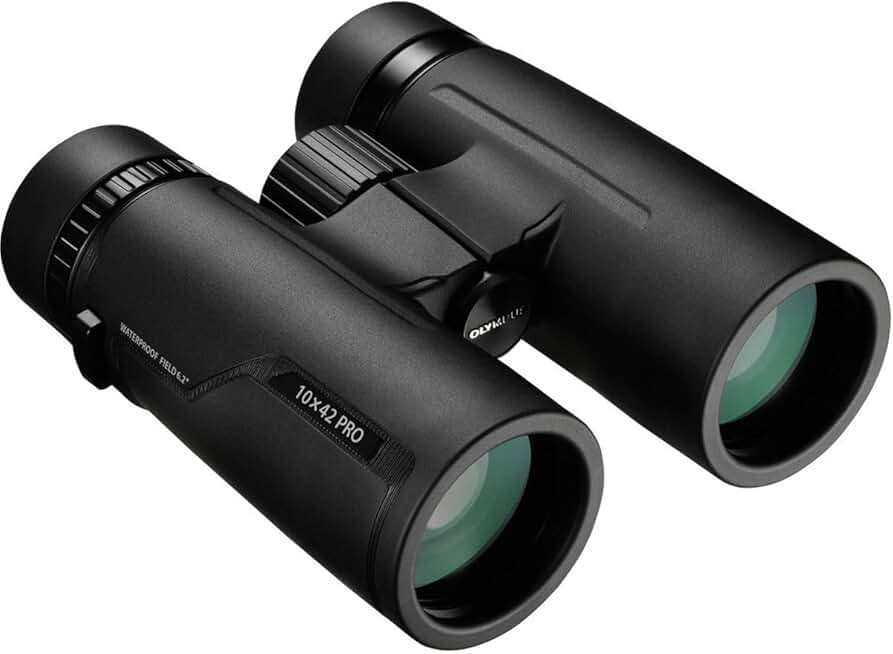
10x magnification for detailed observation · 42mm objective lenses · Durable construction
These binoculars offer birders exceptional clarity, brightness, and durability to enhance their spring migration viewing experience.

XD lenses for enhanced color and contrast · 42mm objective lenses · 8x magnification for a balanced view
These binoculars offer birders exceptional clarity, brightness, and durability to enhance their spring migration viewing experience.
As an Amazon Associate I earn from qualifying purchases. Prices may vary.
Magnification and field of view
One of the first things you’ll notice when shopping for binoculars is the two numbers that describe their magnification and objective lens diameter (e.g., 8x42, 10x50). While higher magnification might seem desirable, it often comes at a cost: a narrower field of view. A wider field of view is generally more important for birding because it allows you to scan larger areas of habitat more quickly and easily.
Think about it: birds are often moving targets. Trying to find them with a narrow field of view is like looking through a tunnel. You might spot the bird eventually, but you’ll likely miss other activity happening around it. 8x42 or 10x42 binoculars are often considered the sweet spot for birding, offering a good balance between magnification and field of view. A 10x magnification is helpful for identifying distant birds, but an 8x magnification can be easier to hold steady and provides a wider view.
Binocular Performance: Magnification vs. Field of View (Spring 2026)
Data: AI-generated estimate for illustration
Waterproofing and durability
Birding often takes you into unpredictable environments. Rain, mud, dust, and accidental drops are all part of the game. That’s why waterproofing and durability are so important. Look for binoculars that are not only waterproof but also fogproof. Fogging can occur when there’s a temperature difference between the inside and outside of the binoculars, obscuring your view.
Waterproofing is typically indicated by an IP (Ingress Protection) rating. IP67 or IP68 are good standards, meaning the binoculars are dust-tight and can withstand immersion in water. Materials also matter. Rubber-armored binoculars offer better protection against impacts and provide a more secure grip. I learned this the hard way after dropping a pair of binoculars on a rocky trail – rubber armor saved them from serious damage.
Roof prisms and porro prisms
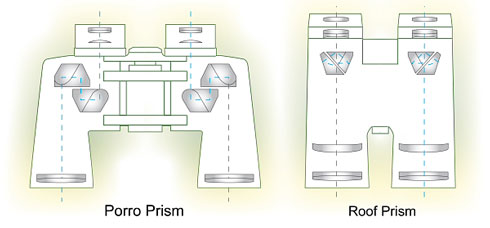
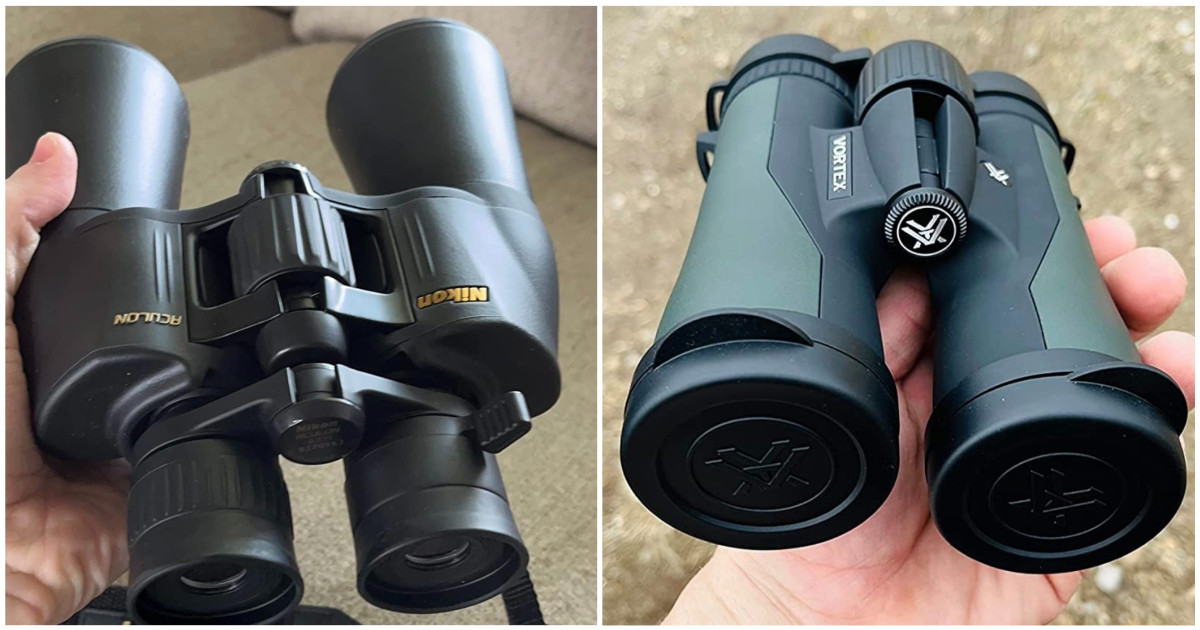
Binoculars come in two main designs: roof prism and porro prism. The difference lies in the shape and arrangement of the prisms inside the binoculars, which are responsible for correcting the image. Porro prism binoculars are the traditional design, with a wider, more bulbous shape. They tend to be more affordable and often offer better depth perception.
Roof prism binoculars are more compact and streamlined, making them easier to handle. They generally offer better optical quality, but they can be more expensive to manufacture. For birding, roof prism binoculars are often preferred due to their portability and brightness. However, a good pair of porro prism binoculars can still deliver excellent performance at a lower price point.
Optically, a well-made roof prism binocular will give you a sharper image with better contrast. The internal reflections are managed more efficiently. But the cost creeps up quickly, and you’ll pay a premium for high-end roof prism designs.
No comments yet. Be the first to share your thoughts!