
Lightweight Views: Why Compact Binoculars?
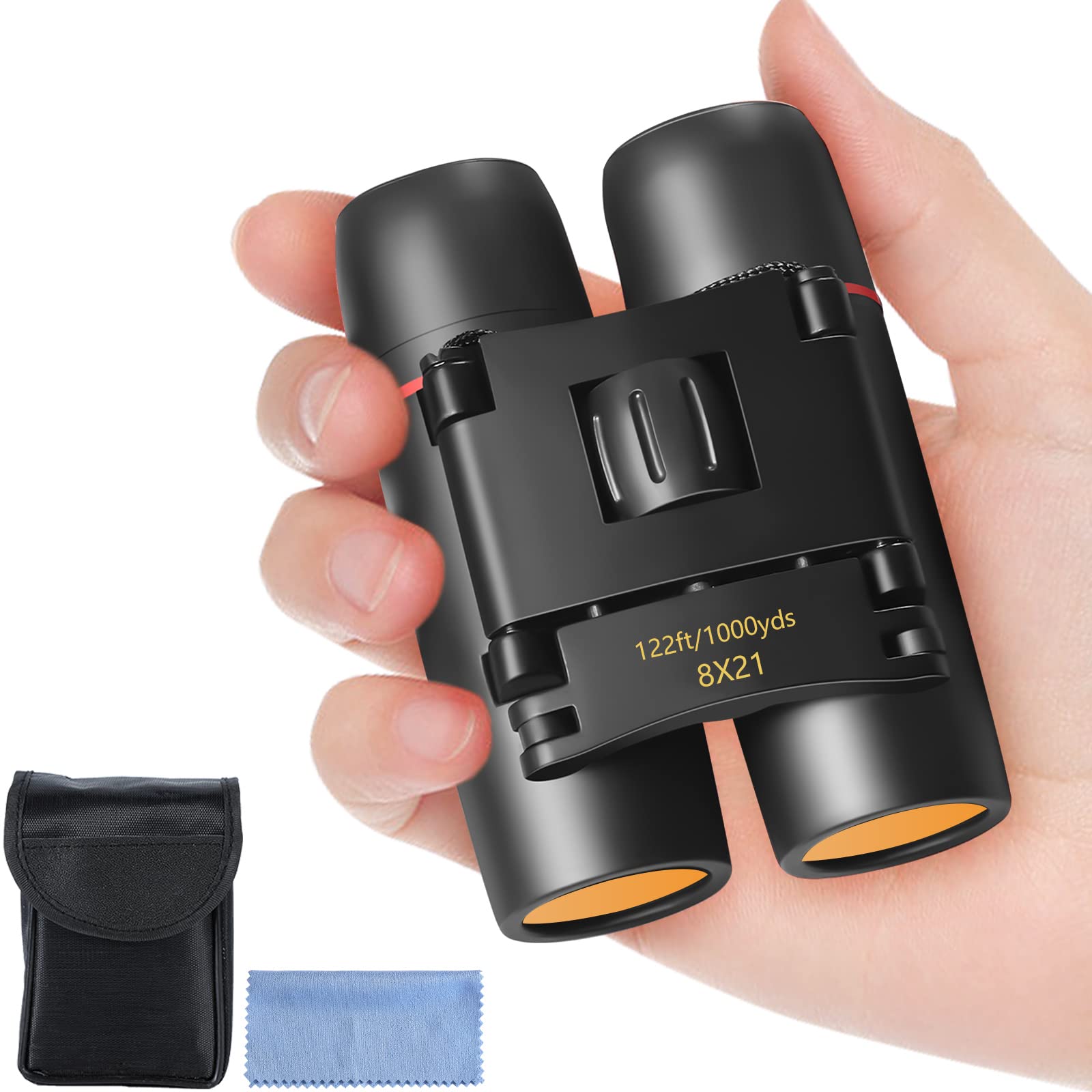
Planning a trip and want to bring binoculars, but dread lugging heavy, full-size models? Compact binoculars offer a great balance of portability and performance, ideal for travelers, hikers, and anyone wanting a convenient way to enhance their view.
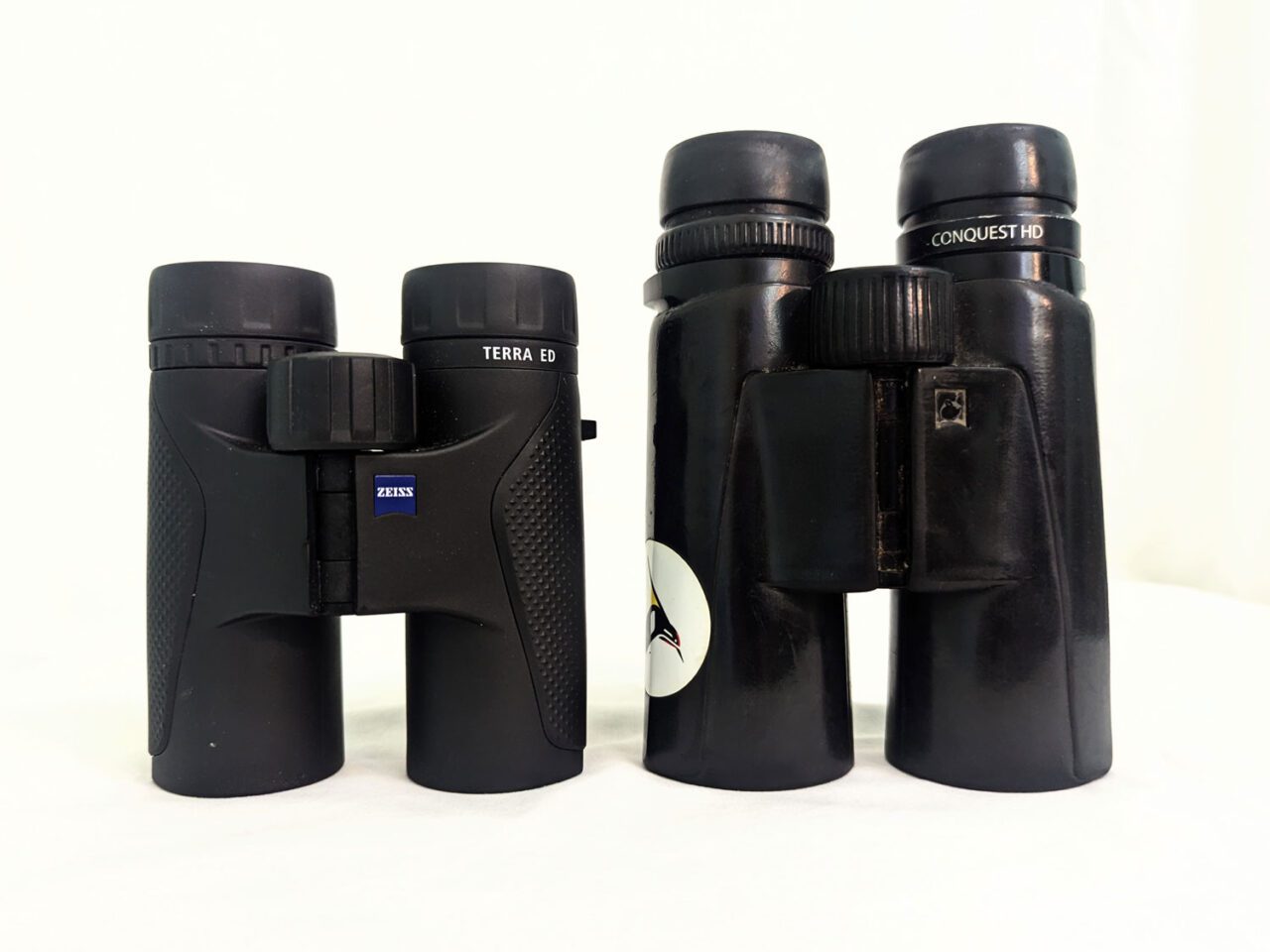
Compact binoculars are significantly lighter and smaller than full-size models, often weighing under 1 pound compared to over 2 pounds for larger pairs. This difference is substantial when minimizing luggage or carrying a backpack. They easily fit into a daypack, purse, or large coat pocket, perfect for spontaneous adventures.
Compact binoculars typically have lower magnification and smaller objective lenses, which can limit performance in low light or detail compared to high-end, full-size models. However, for everyday use, sightseeing, birdwatching in good light, and general nature observation, they are more than capable. They’re a convenient all-around choice, though not suited for serious astronomy.
Key Specs to Understand
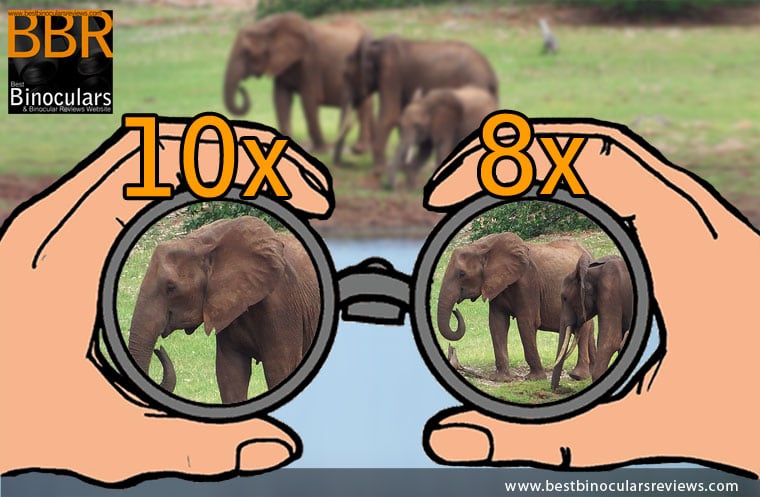
Binocular specifications include numbers that are essential for choosing the right pair. The first number is magnification; an 8x binocular makes objects appear eight times closer, while 10x makes them appear ten times closer. Higher magnification isn't always better, as it can amplify hand shake and reduce the field of view.
The second number is the objective lens diameter in millimeters, indicating the size of the front lenses. Larger lenses gather more light for a brighter image, especially in low light. Common sizes are 25mm, 30mm, and 32mm. A larger lens adds size and weight, so consider your intended use rather than assuming bigger is always better.
The field of view is the area visible at a given distance, typically measured in feet at 1000 yards. A wider field of view aids in tracking moving objects like birds. Lens coatings are also important; multiple coatings reduce glare and improve light transmission for sharper images. Look for 'fully multi-coated' lenses for best performance.
Our Top Picks Under $200 (2026)
Finding the best compact binoculars under $200 involves balancing features, performance, and price. Here are a few models that consistently receive positive reviews and offer excellent value. Availability can change, so these options are commonly found on Amazon.
Nikon ProStaff 3S 8x42: This model, while slightly larger than typical compacts, often falls under $200 and offers exceptional optical quality for the price. Specs: 8x magnification, 42mm objective lens, 350ft field of view at 1000 yards, 1.1 lbs. Pros: Excellent image clarity, durable construction, comfortable to hold. Cons: Larger and heavier than some truly compact options. Best for: General wildlife viewing, birdwatching.
Celestron Outland X 10x25: A popular choice for travelers, these binoculars are lightweight and easy to pack. Specs: 10x magnification, 25mm objective lens, 330ft field of view at 1000 yards, 0.65 lbs. Pros: Very compact and lightweight, good value. Cons: Image can be dim in low light. Best for: Travel, sightseeing, casual birdwatching.
Bushnell Legend Ultra HD 10x25: Bushnell is a well-known optics brand, and the Legend Ultra HD delivers solid performance. Specs: 10x magnification, 25mm objective lens, 340ft field of view at 1000 yards, 0.7 lbs. Pros: Good image quality, durable waterproof construction, comfortable eye relief. Cons: Can show chromatic aberration (color fringing) around bright objects. Best for: Hiking, birdwatching, general outdoor use.
Vortex Diamondback HD 8x32: Vortex is known for its excellent warranty and customer service. The Diamondback HD offers improved optical quality. Specs: 8x magnification, 32mm objective lens, 367ft field of view at 1000 yards, 1.1 lbs. Pros: Bright and clear images, durable waterproof construction, lifetime warranty. Cons: Slightly more expensive than some other options. Best for: Serious birdwatchers, nature enthusiasts.
Olympus 8x22 WP II: These are incredibly compact and lightweight, perfect for slipping into a pocket. Specs: 8x magnification, 22mm objective lens, 303ft field of view at 1000 yards, 0.5 lbs. Pros: Extremely compact and lightweight, waterproof. Cons: Limited low-light performance, smaller exit pupil. Best for: Travel, concerts, casual viewing.
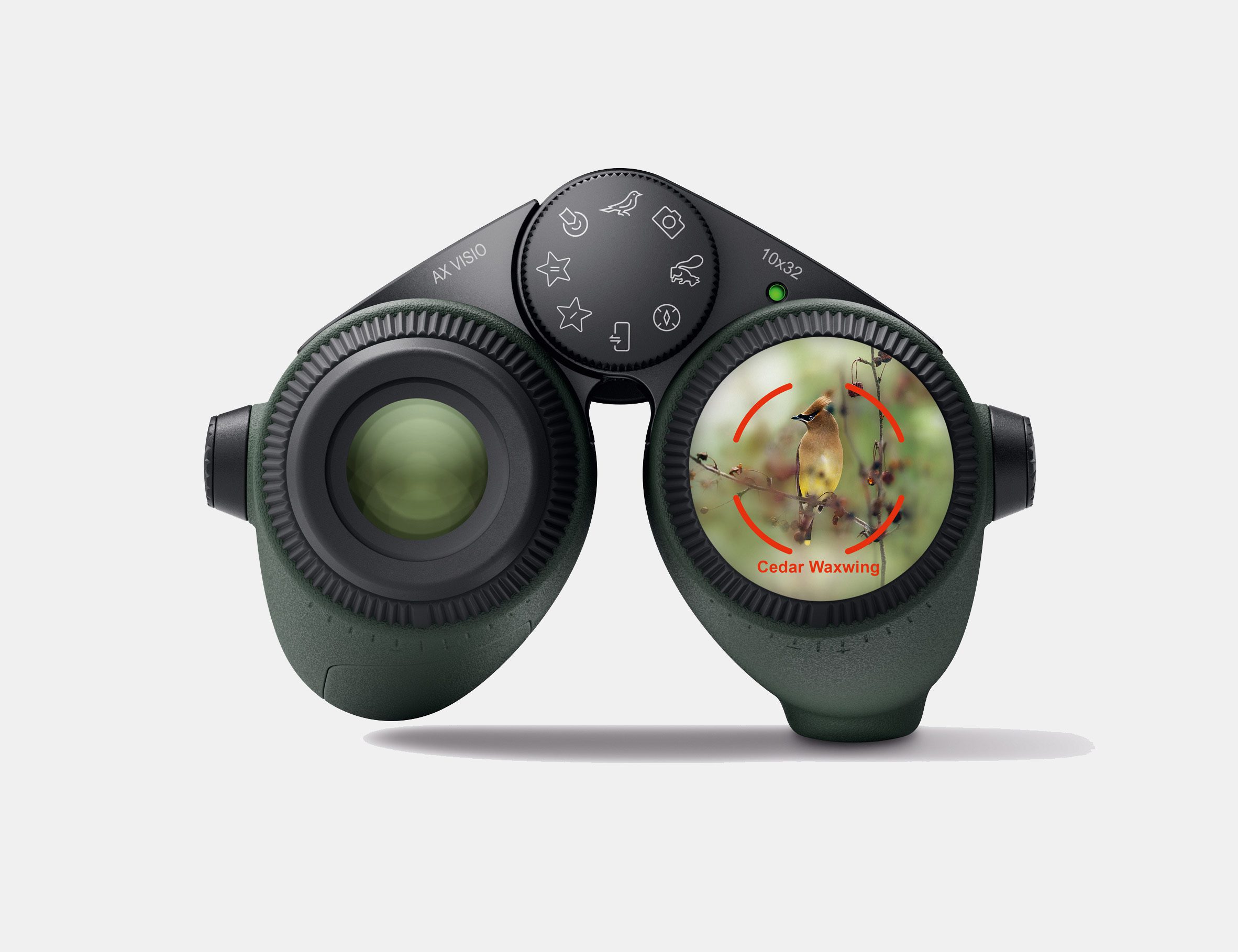
Matata Xplore: This newer model is gaining attention for its AI-powered object recognition. Specs: 10x magnification, 25mm objective lens, 369ft field of view at 1000 yards, 0.77 lbs. Pros: AI bird identification, image capture, compact design. Cons: AI accuracy not perfect, battery life could be better. Best for: Birders interested in technology, beginners.
Featured Products

ED Glass for enhanced clarity · Waterproof and fogproof construction · Long eye relief for comfortable viewing
While slightly over budget, these binoculars offer exceptional optical quality and durability for serious outdoor enthusiasts.

Ultra-compact and lightweight design · Waterproof and fogproof · Multilayer-coated optics for bright images
These ultra-compact binoculars are perfect for slipping into a pocket or small bag, offering great performance for their size and price.

10x magnification for detailed views · Waterproof (IPX7 rated) · Fully multi-coated optics
A robust and waterproof option, these binoculars provide clear and bright views, making them a reliable choice for wet conditions.

Wide 8.2° field of view · BaK-4 prisms for sharp images · Waterproof and fogproof
These are an incredibly budget-friendly option, delivering a wide field of view and clear optics that are ideal for casual birding and hiking.

Ultra HD ED Glass for superior clarity · Waterproof and fogproof · Wide field of view and close focus
Offering premium ED glass and a wide field of view at a competitive price, these binoculars provide an exceptional visual experience for bird watchers.
As an Amazon Associate I earn from qualifying purchases. Prices may vary.
AI Binoculars: A New Frontier?
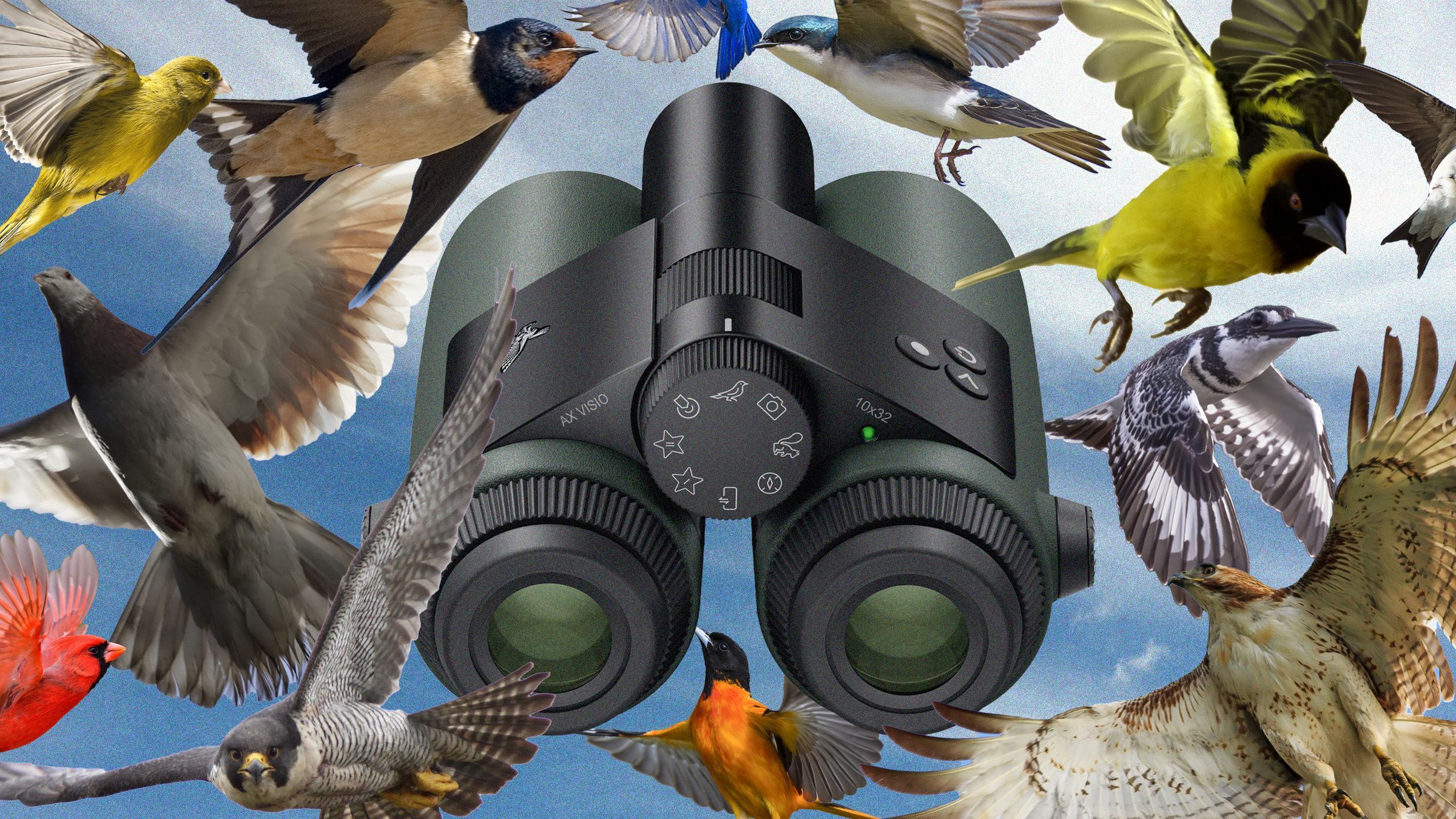
AI-powered binoculars, like the Matata Xplore, are a new development in optics. They use built-in cameras and AI algorithms to identify objects in real-time. For birders, this can mean automatic species identification with information on habitat and behavior. Wired noted the potential for this technology to revolutionize birding.
AI binoculars can also identify plants, animals, and landmarks, benefiting hikers, nature enthusiasts, and travelers. Some models capture images and videos for documenting observations, which is helpful for casual observers.
This technology is still in its early stages. AI identification accuracy isn't always perfect, and battery life can be limited. These binoculars are also typically more expensive than traditional models. While the Matata Xplore is an affordable entry point, advanced AI binoculars can cost significantly more. It's a developing area, not yet mainstream.
Standout Features: What We're Seeing Now
Beyond basic specs, features like improved lens coatings are becoming common in compact binoculars under $200. Manufacturers use advanced multi-coating techniques to maximize light transmission and reduce glare, resulting in brighter, clearer images in challenging light.
undefined relief is the distance between your eye and the eyepiece. Longer eye relief allows you to view the entire image without vignetting (darkening around the edges).
Finally, more durable construction is becoming commonplace. Many compact binoculars now feature waterproof and fogproof housings, making them more reliable in harsh weather conditions. Look for models with rubber armor for added protection against bumps and scratches. The Nikon ProStaff 3S is a good example of a durable, well-built binocular in this price range.
Durability and Weather Resistance
If you plan on using your compact binoculars outdoors, water resistance and fog proofing are essential. Water-resistant binoculars can withstand light rain and splashes, while waterproof binoculars can be submerged in water without damage. Fog proofing prevents condensation from forming on the lenses in humid or rapidly changing temperatures.
Binoculars are typically constructed from materials like polycarbonate and aluminum alloy. Polycarbonate is lightweight and durable, while aluminum alloy provides greater strength and rigidity. Rubber armor adds an extra layer of protection and improves grip. It's also worth checking the seals around the eyepieces and objective lenses to ensure they are tight and secure.
If your binoculars do get wet, dry them off immediately with a soft cloth. Avoid disassembling them, as this could void the warranty. If fogging occurs, store them in a cool, dry place with the lenses facing down. A desiccant pack can help absorb moisture. Regularly inspect your binoculars for any signs of damage and address them promptly.
Binocular Care: Keeping Them in Shape
Proper care will extend the life of your compact binoculars. Always store them in a protective case when not in use to prevent dust, scratches, and accidental damage. To clean the lenses, use a lens cleaning solution and a microfiber cloth. Avoid using paper towels or harsh chemicals, as these can scratch the lenses.
Gently wipe the lenses in a circular motion, starting from the center and working your way outwards. For stubborn smudges, use a lens brush to remove loose debris before wiping. Regularly inspect the hinges and focus wheel for any signs of wear and tear. A little preventative maintenance can save you a lot of trouble in the long run.
No comments yet. Be the first to share your thoughts!