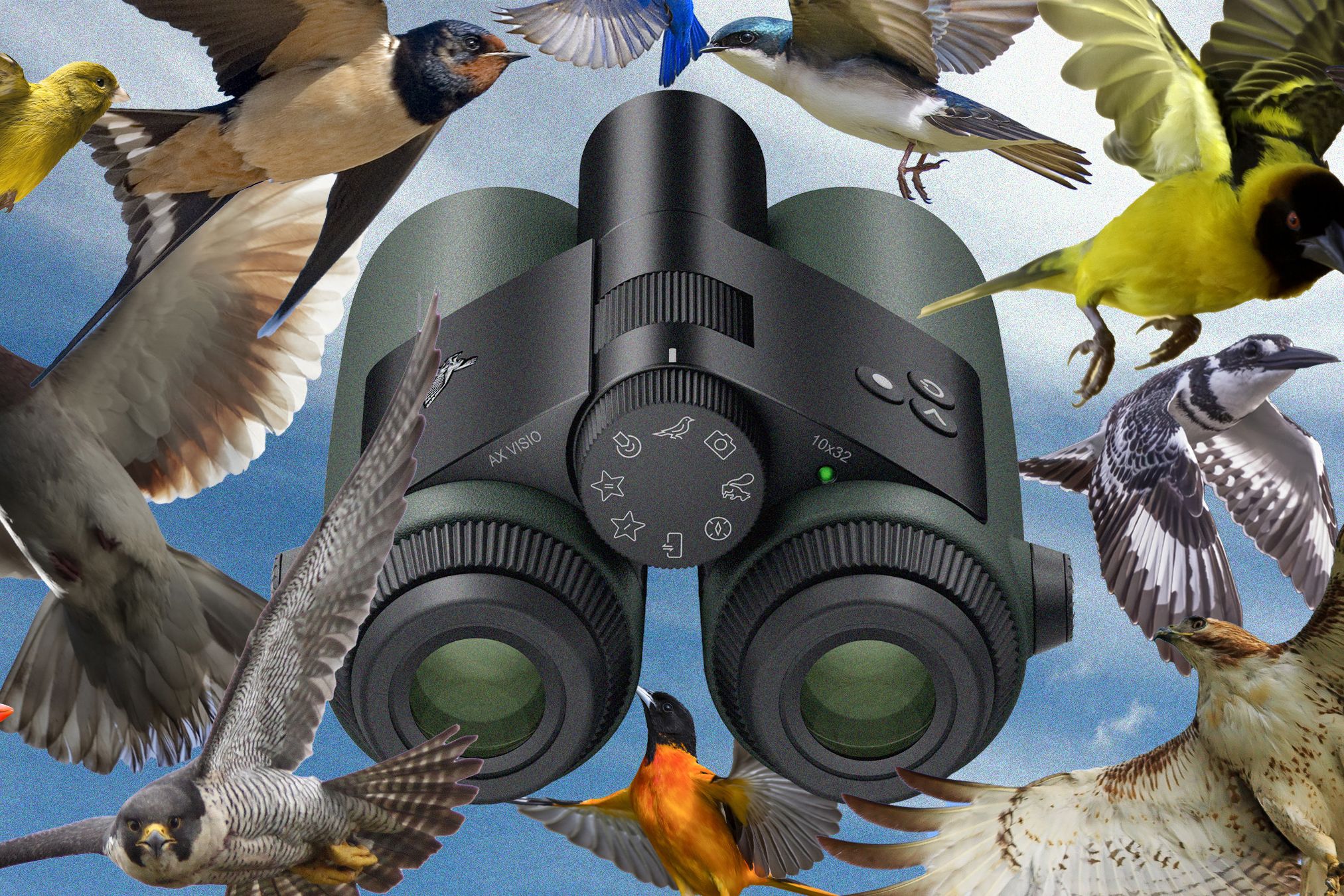

Binoculars budget
Picking birding binoculars is less about finding the cheapest option and more about finding the point where price meets utility. You can spend $100 or $1,500, but the performance gains diminish quickly after a certain threshold. For most birders, the sweet spot lies between $200 and $500, where manufacturers balance optical clarity with durable build quality without charging for premium brand prestige.
The $100–$200 Range
At this entry level, you are looking for functional optics that get the job done. Brands like Celestron and Vortex offer reliable workhorses here. The trade-off is usually in edge-of-field sharpness and low-light performance. These binoculars are perfect for casual outings or as a backup pair, but you may notice softer images when scanning distant tree lines or overcast skies.
The $200–$500 Sweet Spot
This is the core market for serious birders. Here, you get fully multi-coated lenses, better phase correction, and more ergonomic designs. Models like the Nikon Monarch M7 or Vortex Viper HD fall into this bracket. The jump in clarity is tangible, making it easier to identify field marks on small birds. This range offers the best return on investment for migratory season birding.
Above $500
Premium binoculars often feature exotic glass, waterproofing, and extreme durability. While the optics are exceptional, the weight and cost can be prohibitive for long hikes. Unless you are a professional ornithologist or bird photographer who needs every last detail, the marginal gain rarely justifies the price hike for the average birder.
Shortlist real options
Use this section to make the Best Binoculars for Birding decision easier to compare in real life, not just on paper. Start with the reader's actual constraint, then separate must-have requirements from details that are merely nice to have. A practical choice should survive normal use, maintenance, timing, and budget. If a recommendation only works in an ideal situation, call that out plainly and give the reader a fallback path.
| Factor | What to check | Why it matters |
|---|---|---|
| Fit | Match the option to the primary use case. | A good deal still fails if it does not fit the job. |
| Condition | Verify age, wear, and service history. | Hidden condition issues erase upfront savings. |
| Cost | Compare purchase price with likely upkeep. | The cheapest option is not always the lowest-cost option. |
Inspect the expensive parts
Use this section to make the Best Binoculars for Birding decision easier to compare in real life, not just on paper. Start with the reader's actual constraint, then separate must-have requirements from details that are merely nice to have. A practical choice should survive normal use, maintenance, timing, and budget. If a recommendation only works in an ideal situation, call that out plainly and give the reader a fallback path.
-
Verify the basicsConfirm the core specs, condition, and fit before comparing extras.
-
Price the downsideLook for the repair, maintenance, or replacement cost that would change the decision.
-
Compare alternativesCheck at least two comparable options before treating one listing as the benchmark.
The real cost of owning birding binoculars
The sticker price is just the entry fee. Birding gear lives in harsh environments—humidity, salt spray, and accidental drops—and the true cost of ownership lies in maintenance and longevity. A $200 pair that fogging up after two seasons costs more per year than a $600 pair that lasts a decade.
Waterproofing and nitrogen purging are not marketing gimmicks; they are insurance policies against internal fogging and mold. If your binoculars aren't nitrogen-purged, you're betting that condensation won't form inside the lenses. Once mold takes root inside an optical tube, the binoculars are effectively trash. That hidden replacement cost is why premium brands like Nikon and Swarovski command higher upfront prices; their seals hold up under pressure.
Don't overlook the cost of care. A proper lens cleaning kit (microfiber cloth and optical solution) costs less than $20 but prevents permanent scratches from dry wiping. Also, consider the value of a sturdy case. A $30 case prevents the $500 repair bill of a cracked prism assembly after a hike. When calculating your budget, factor in these small accessories as part of the initial investment, not afterthoughts.
When cheap stops being cheap
Budget binoculars often fail in two ways: optical degradation and build fragility. Cheap coatings scratch easily, reducing light transmission and contrast. In low-light migratory seasons, this means missing birds that a premium pair would reveal. Also, cheap rubber armoring delaminates, exposing metal to rust and corrosion.
If you bird more than a few times a year, mid-range options usually offer the best return on investment. They typically include the essential nitrogen purging and decent coatings without the luxury tax of high-end brands. For casual observers, a solid budget pair is fine, but treat it as a disposable tool. For serious birders, the "cheap" option often becomes expensive when you replace it every two years. Invest in durability early to avoid the cycle of replacement.


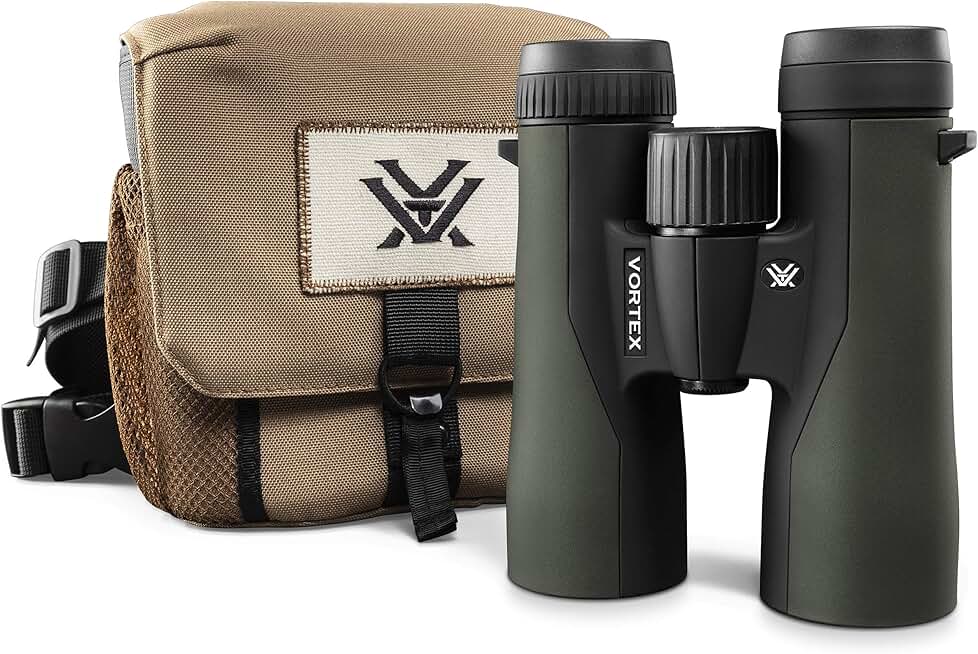
As an Amazon Associate, we may earn from qualifying purchases.
Binoculars: what to check next
Finding the right pair of optics often comes down to balancing weight, clarity, and budget. Here are the most practical answers to common questions before you commit to a purchase.
Which brand of binoculars is considered the best?
Nikon and Vortex consistently rank at the top for birding optics. Nikon’s Monarch series offers excellent color fidelity and sharpness, while Vortex provides strong warranty support and high optical value. For budget-conscious buyers, Celestron delivers reliable performance that holds up well in the field.
What is better, 12x50 or 10x42 binoculars?
For migratory birding, 10x42 is the more versatile choice. The 42mm objective lens gathers enough light for dawn or dusk viewing, while the 10x magnification is stable enough to hold handheld without a tripod. 12x50 models offer more zoom but are heavier and require steadier hands, making them better suited for stationary observation from a blind or shore.
How much does a really good pair of binoculars cost?
A high-quality pair for serious birding typically costs between $300 and $600. This range covers durable, weather-sealed optics with coated lenses that resist fogging and deliver clear images. You can find capable entry-level options for under $200, but they often lack the brightness and edge-to-edge sharpness needed for identifying distant birds.
Are expensive binoculars really worth it?
If you spend hours in the field, yes. Expensive binoculars reduce eye strain through better focus mechanisms and brighter, more color-accurate images. The difference becomes clear when scanning dense foliage or tracking fast-moving birds in low light. Cheaper models may suffice for occasional use, but they often compromise on weight, durability, and optical clarity.
No comments yet. Be the first to share your thoughts!