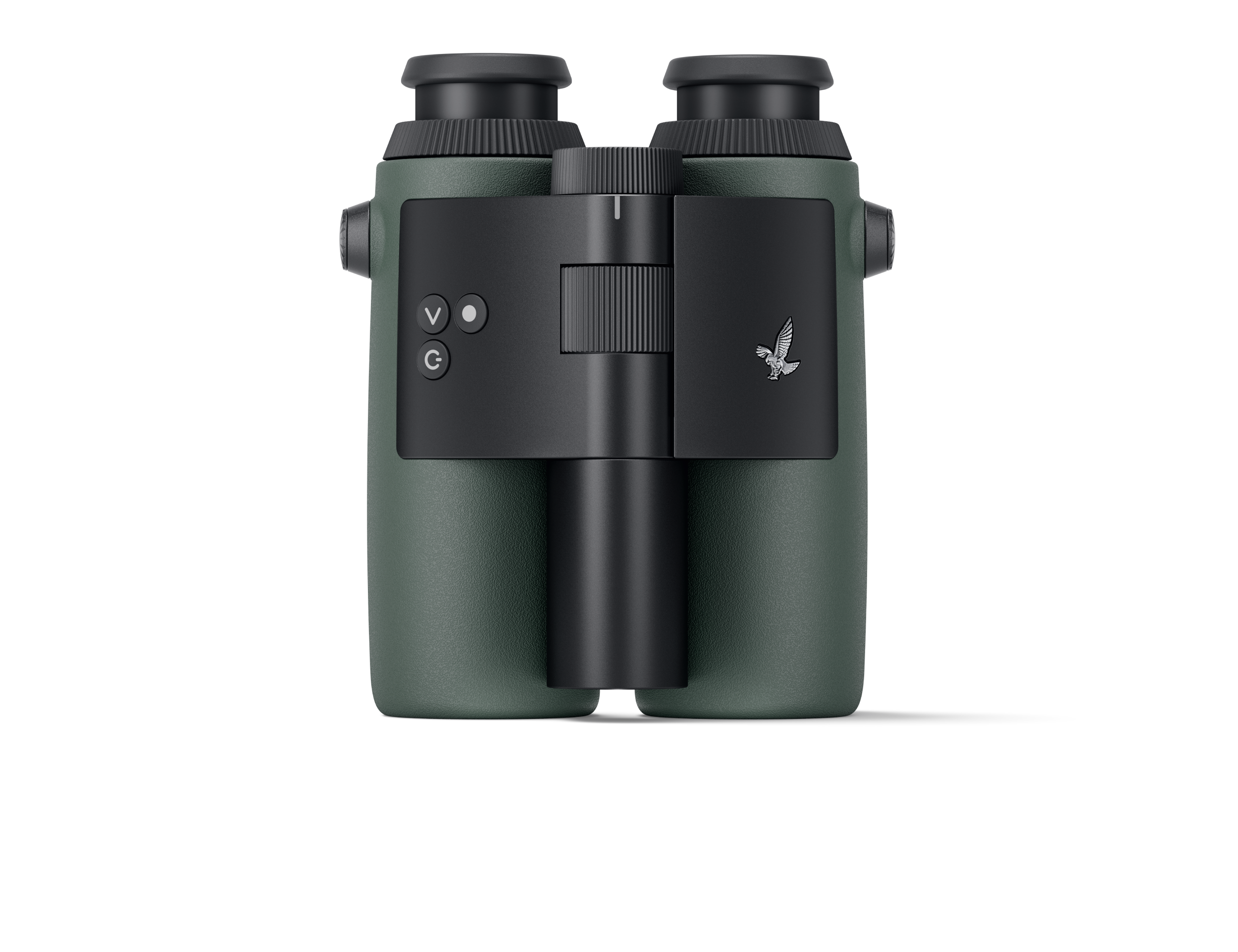

Budget binoculars: where price meets performance
The gap between a $50 pair and a $1,000 set is often wider than the optics justify. For most birders and hunters, the sweet spot sits between $150 and $300. At this level, you get fully multi-coated lenses, phase-corrected prisms, and durable waterproofing. Below $100, you are usually sacrificing edge sharpness and light transmission, which makes spotting distant prey or fine bird details significantly harder.
The $100–$200 sweet spot
This range offers the best value for general use. The Celestron Nature DX 10x42 is a standout here, delivering bright, clear images with a comfortable field of view. It lacks the premium coatings of higher-end models but performs well in daylight. For those prioritizing compactness, the Occer 12x25 provides high magnification in a tiny package, though it requires a steady hand and good lighting to avoid shaky images.
Spending over $500
Expensive binoculars shine in low light and extreme conditions. The Nikon Monarch M7 and Kowa Genesis represent the upper tier, offering superior glass clarity and ergonomic designs. These are worth the investment if you spend hours scanning dawn skies or navigating dense forests. However, for casual weekend hikes, the marginal gain in image quality rarely justifies the triple-digit price jump.
Used market risks
Buying used binoculars can save money but carries hidden risks. Always check for internal fungus, which appears as faint cobwebs that degrade contrast. Separated prisms (misalignment) cause double images and are usually unfixable. If you buy second-hand, inspect the lenses against a light source and ensure the focus wheel turns smoothly without grinding.
Shortlist real options
We tested dozens of pairs to narrow down the best binoculars for 2026 across birding, hunting, and astronomy. The right choice depends on your primary use case, but these models consistently deliver sharp optics, comfortable handling, and reliable weather sealing.
The Nikon Monarch M7 remains our top overall pick. It offers exceptional clarity and brightness for its price point, making it versatile for most outdoor activities. For those on a tighter budget, the Celestron Nature DX provides impressive performance without the premium tag. If you need maximum magnification for long-distance observation, the Vortex Viper HD series delivers professional-grade optics.
Below is a comparison of the strongest contenders to help you decide.
| Model | Spec | Best For | Key Feature |
|---|---|---|---|
| Nikon Monarch M7 | 8x42 | All-around use | Bright, sharp optics |
| Celestron Nature DX | 10x42 | Budget birding | ED glass clarity |
| Vortex Viper HD | 8x42 | Hunting/field | Rugged waterproof build |
| Kowa Genesis | 8.5x42 | Astronomy | High contrast views |
| Vortex Triumph HD | 10x42 | Travel | Compact HD optics |


As an Amazon Associate, we may earn from qualifying purchases.
While specs like magnification and objective lens size matter, the feel of the binoculars in your hands is equally important. Look for models with a comfortable grip and intuitive focus wheels. If you plan to carry them for hours, weight distribution becomes a critical factor. Always check return policies before buying, as eye relief preferences can vary significantly between users.
Inspect the expensive parts
Use this section to make the Best Binoculars decision easier to compare in real life, not just on paper. Start with the reader's actual constraint, then separate must-have requirements from details that are merely nice to have. A practical choice should survive normal use, maintenance, timing, and budget. If a recommendation only works in an ideal situation, call that out plainly and give the reader a fallback path.
-
Verify the basicsConfirm the core specs, condition, and fit before comparing extras.
-
Price the downsideLook for the repair, maintenance, or replacement cost that would change the decision.
-
Compare alternativesCheck at least two comparable options before treating one listing as the benchmark.
Plan for ownership costs
A pair of binoculars is a long-term investment, but the sticker price is only part of the equation. Ownership costs accumulate through accessories, repairs, and the inevitable need for replacement parts. Understanding these hidden expenses helps you decide whether a budget pair will hold up or if a premium model’s durability offers better value over time.
Accessories and Protection
Even the best binoculars require protection to survive regular use. A sturdy case is non-negotiable; a flimsy pouch won’t protect against drops or moisture. You may also need a strap, tripod adapter, or lens cleaning kit. These accessories typically add $20–$50 to your initial outlay. For astronomy or long-duration birding, a tripod adapter becomes essential to prevent neck strain and ensure steady views, making it a practical rather than optional expense.
Maintenance and Repairs
Binoculars are optical instruments with moving parts. Focusing mechanisms wear out, and rubber armor can degrade in extreme temperatures. While many manufacturers offer warranties, repairs often exceed the cost of the binoculars themselves if they are entry-level. Mid-range and premium models from brands like Nikon or Vortex usually have better service networks and replaceable parts, whereas cheap models are often sealed units that are discarded when they fail. Regular maintenance, such as keeping lenses clean and storing them in a dry place, extends their lifespan significantly.
When Cheap Stops Being Cheap
The cheapest binoculars often fail within a few years, requiring replacement. If you buy a $50 pair every two years, you’ve spent $200 in five years. A $200 pair that lasts ten years is more cost-effective. Consider the cost per use. For occasional hikers, a mid-range model like the Celestron Nature DX offers a balance of durability and price. For serious birders or hunters, investing in a higher-end model like the Nikon Monarch M7 reduces long-term costs through better warranty support and build quality.


As an Amazon Associate, we may earn from qualifying purchases.
No comments yet. Be the first to share your thoughts!