
Binoculars budget
The price of compact binoculars for birding spans a wide range, but the tradeoffs are consistent. You are balancing optical clarity, build quality, and portability. Spending more usually means better glass, brighter images in low light, and more durable construction. However, the "best" pair depends entirely on how often you carry them and what you expect to see.
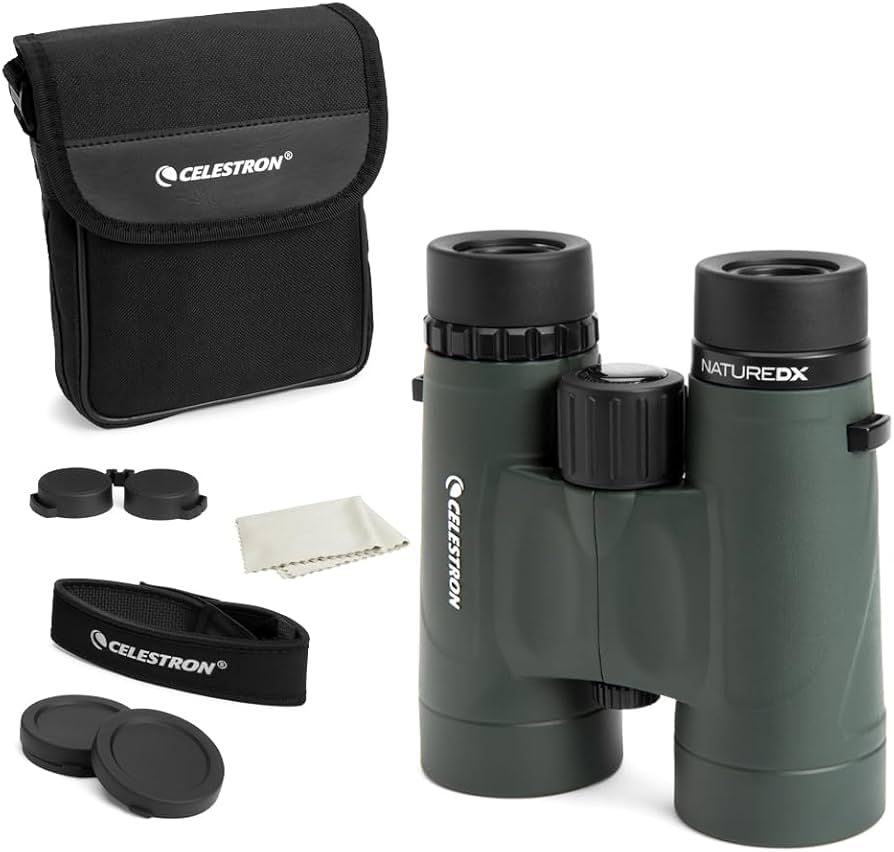
Entry-level options, often found between $50 and $100, are sufficient for casual birding or scanning distant landscapes. These models, like the Celestron Nature DX series, offer decent performance for the price but may lack the edge-to-edge sharpness needed for detailed ID of small, distant birds. They are lightweight and forgiving if dropped, making them ideal for beginners or occasional hikers who prioritize weight over precision.
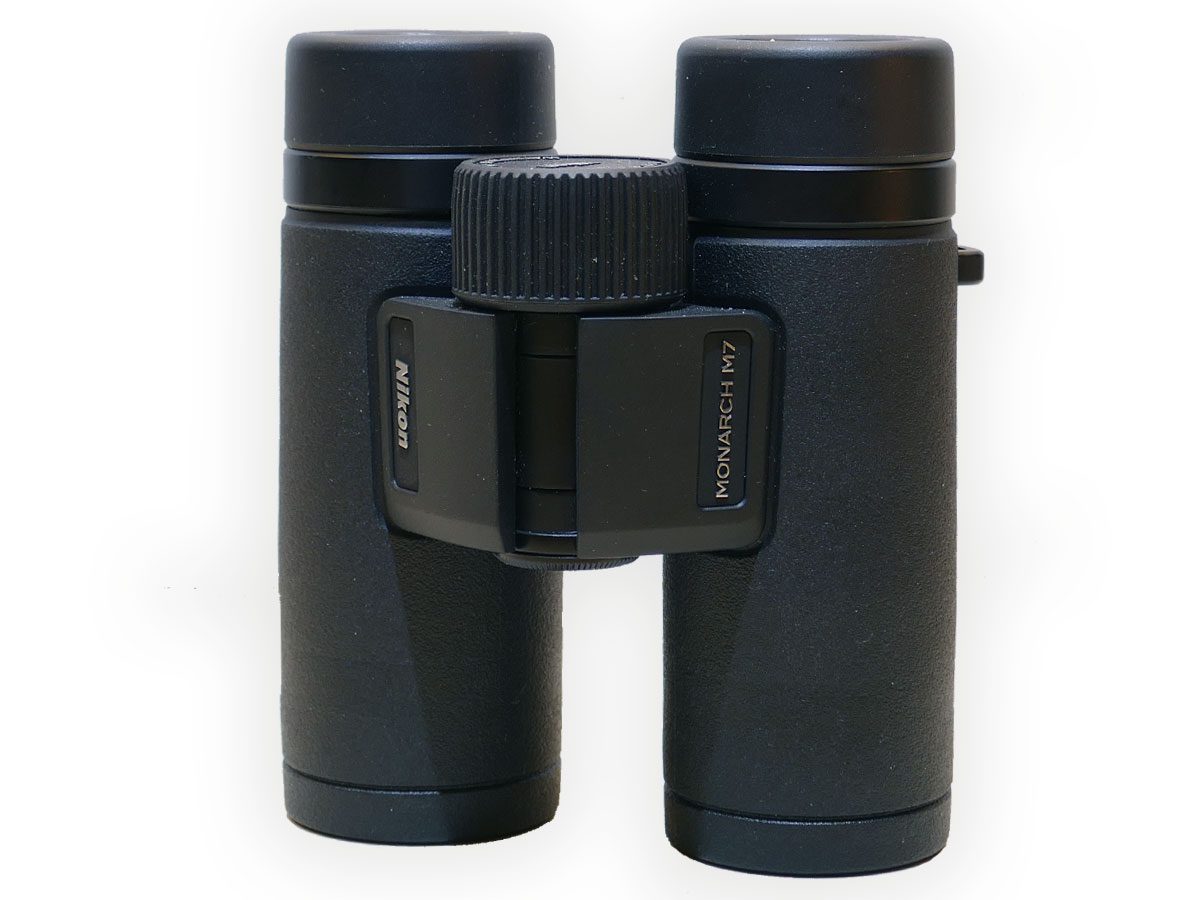
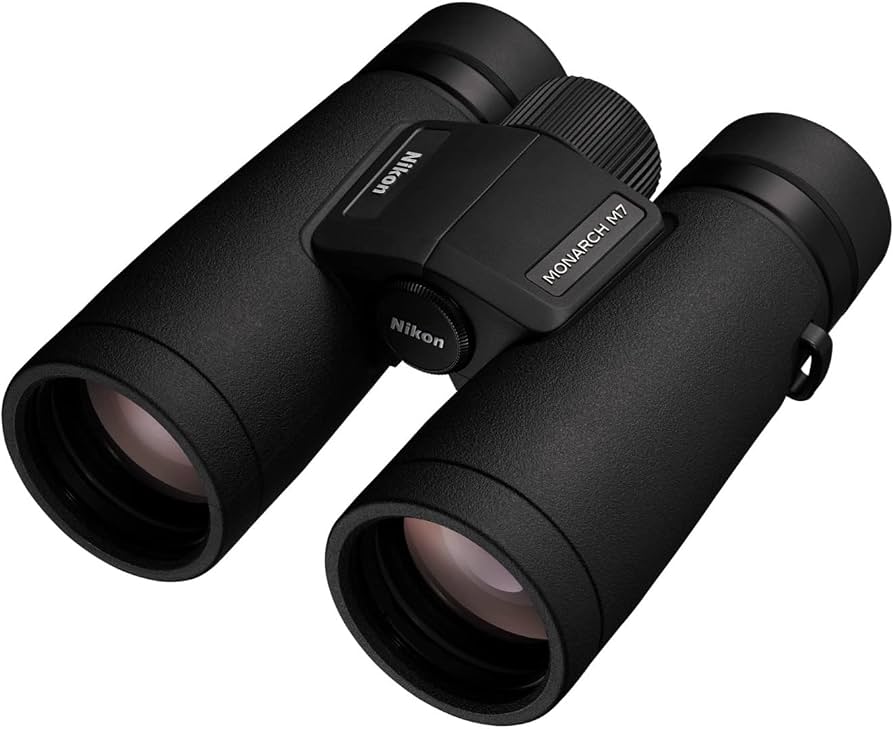
Mid-range binoculars, typically priced between $150 and $300, represent the sweet spot for serious birders. Brands like Nikon and Kowa dominate this space with models such as the Nikon Monarch M7 or Kowa Genesis. These pairs offer superior optical coatings, brighter views, and better ergonomics. The investment pays off in reduced eye strain during long observation sessions and clearer images of key field marks. For most birders, this is the level where the difference between "seeing a bird" and "identifying a bird" becomes significant.
High-end compact binoculars, costing $400 and up, are built for professionals and enthusiasts who demand the best. These models often feature premium glass, advanced coatings, and rugged, waterproof construction. While the optical performance is exceptional, the weight savings over mid-range pairs are often marginal. If you are hiking long distances, the extra cost may not justify the minimal weight difference. However, for stationary observation or critical ID work, the clarity can be worth the premium.
When choosing a budget, consider how you will use the binoculars. If you are hiking all day, prioritize weight and comfort over absolute optical perfection. If you are standing still for hours, invest in the best optics you can afford. Also, remember that a good strap can make a $100 pair feel as comfortable as a $300 pair, while a poor strap can make even the most expensive binoculars unbearable to use.


As an Amazon Associate, we may earn from qualifying purchases.
Shortlist real options
Use this section to make the Best Compact Binoculars for Birding decision easier to compare in real life, not just on paper. Start with the reader's actual constraint, then separate must-have requirements from details that are merely nice to have. A practical choice should survive normal use, maintenance, timing, and budget. If a recommendation only works in an ideal situation, call that out plainly and give the reader a fallback path.
| Factor | What to check | Why it matters |
|---|---|---|
| Fit | Match the option to the primary use case. | A good deal still fails if it does not fit the job. |
| Condition | Verify age, wear, and service history. | Hidden condition issues erase upfront savings. |
| Cost | Compare purchase price with likely upkeep. | The cheapest option is not always the lowest-cost option. |
Inspect the expensive parts
Compact binoculars are dense instruments. When they fail, it is rarely the rubber armor that gives out. It is the internal glass and mechanics that are costly to replace. A practical inspection checklist helps you spot these expensive failure points before you buy or take them into the field.
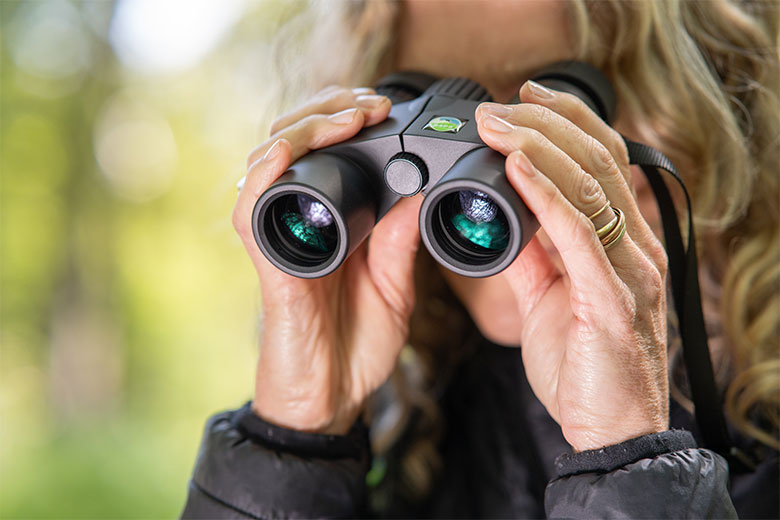
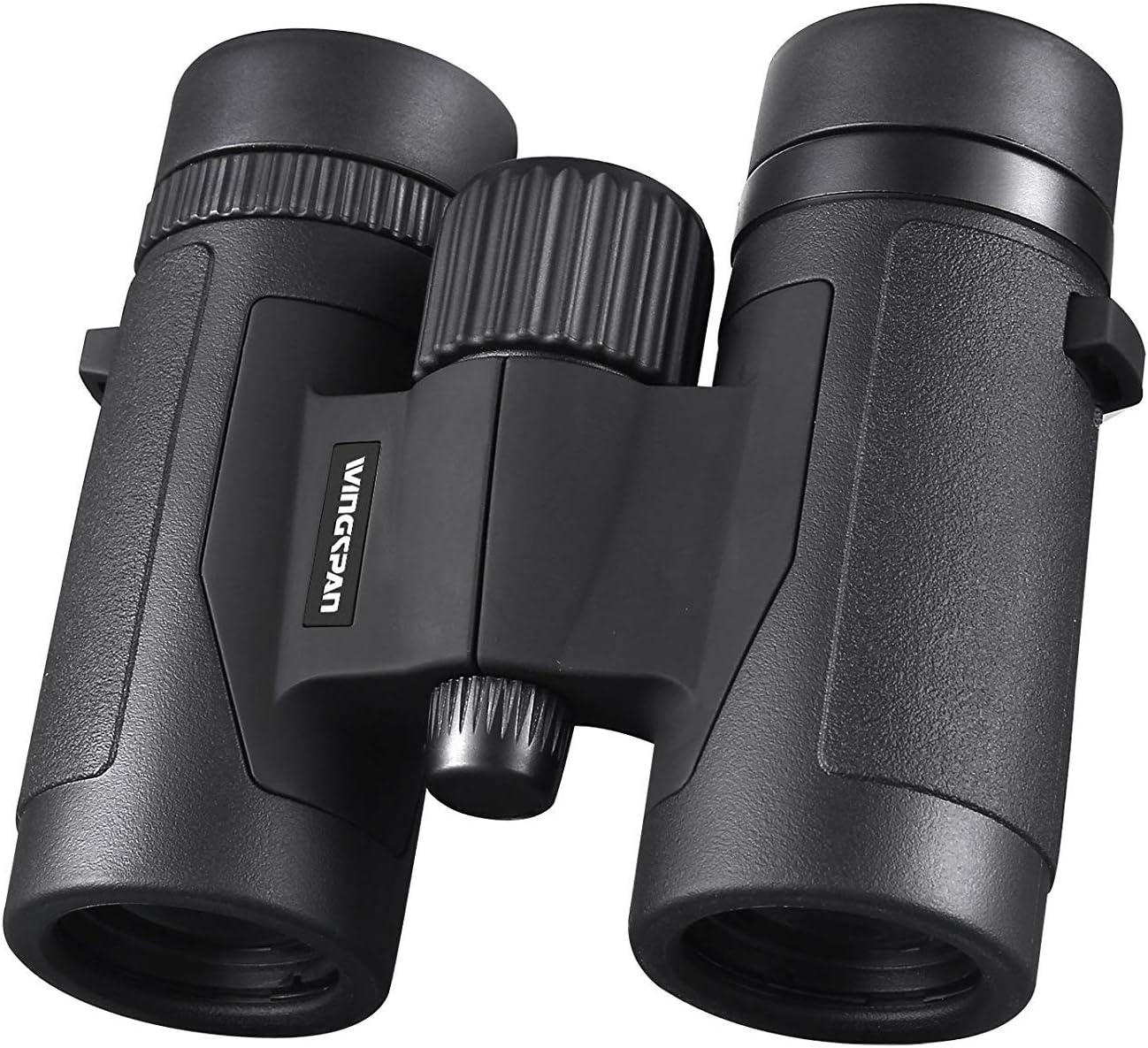
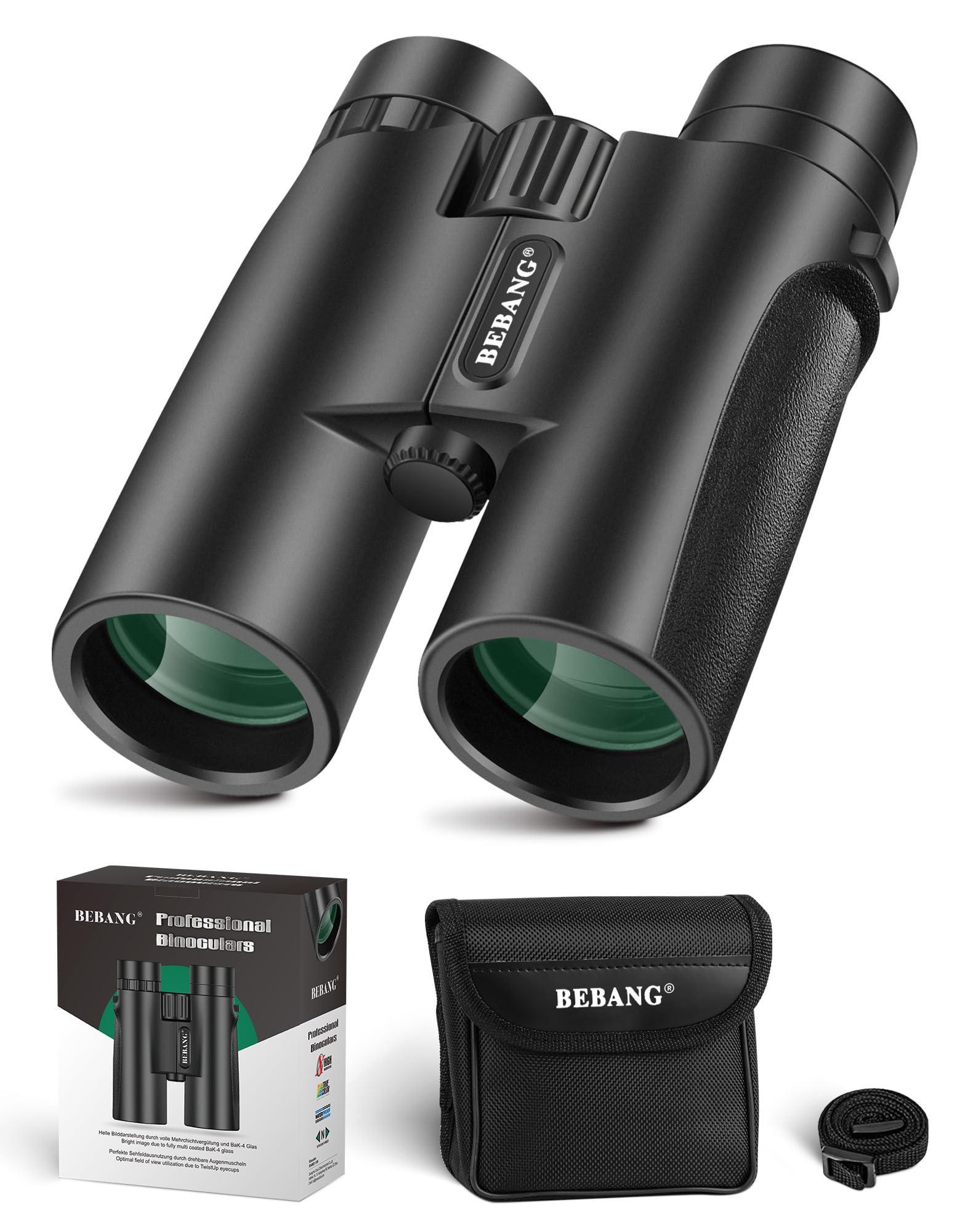
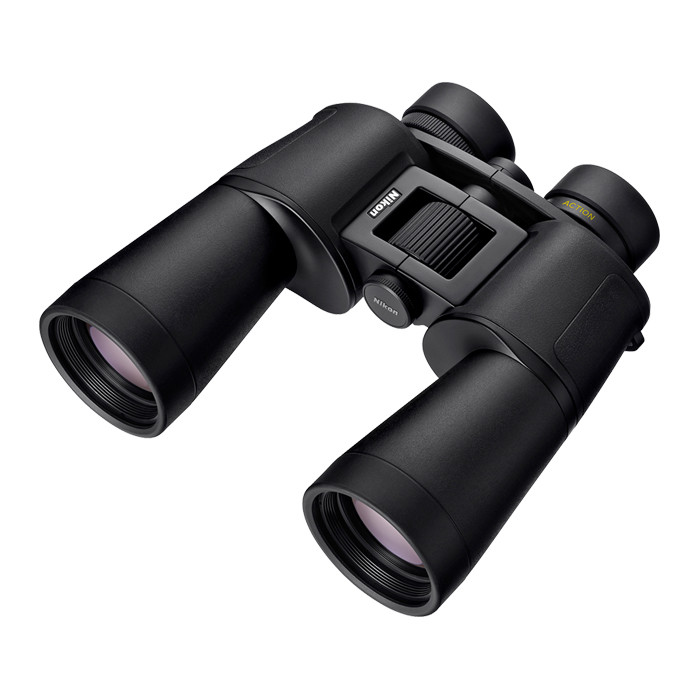
These checks focus on the components that matter most for longevity. The rubber coating is cosmetic, but the glass and focus gears are the heart of the instrument. Spending time on these four points ensures your compact binoculars will remain clear and reliable for years of birding.
Ownership costs and maintenance surprises
The sticker price of compact binoculars is only the first expense. A $150 pair can outlast a $300 pair if you account for long-term care, while a cheap buy might become expensive quickly if it lacks basic durability. When evaluating ownership costs, look beyond the initial purchase to what you’ll need to keep the optics clear and functional.
The cost of protection
Most compact binoculars come with a basic pouch, but a hard case or a dedicated neck strap often pays for itself within a year. A simple neoprene cover costs under $20 and prevents scratches on the eyepieces, which are the most common point of failure for birders who hike. Without this protection, a single scratch on the eyepiece lens can degrade contrast, making it harder to spot distant birds against bright skies.
When warranty matters
Cheaper binoculars rarely offer more than a one-year limited warranty. Higher-end compact models, like the Nikon Monarch M7 or Kowa Genesis, often provide lifetime warranties against fogging and water ingress. This isn’t just marketing; it covers the cost of internal seal failures that happen over time. If you bird in humid environments, a lifetime warranty effectively lowers your annual ownership cost by removing the risk of total loss.
Maintenance you can do yourself
You don’t need a service center to maintain your binoculars. A microfiber cloth and a blower brush are sufficient for routine cleaning. Avoid lens cleaning solutions unless absolutely necessary, as they can strip anti-reflective coatings over time. Store your binoculars in a dry place with silica gel packets to prevent internal fogging, which is the leading cause of premature binocular failure.

As an Amazon Associate, we may earn from qualifying purchases.
Hidden costs to avoid
Some compact binoculars use rubber-armored bodies that degrade in extreme cold, becoming brittle and cracking. This is a rare but costly repair. Always check if the rubber armor is rated for temperature extremes if you bird in winter. Additionally, avoid buying binoculars with fixed eyecups if you wear glasses; you’ll need to replace them with adjustable eyecups later, adding to the total cost.
Binoculars: what to check next
Choosing the right compact binoculars for birding often comes down to balancing magnification with weight and field of view. Here are answers to the most common practical questions readers ask before buying.
Are 8x32 or 10x42 binoculars better for hiking?
For most birders, 8x32 binoculars offer the best balance of portability and usability. The lower magnification provides a wider field of view, making it easier to track moving birds, while the smaller objective lenses keep the weight down for long hikes. If you prioritize clarity and light gathering over extreme reach, 8x32 is the standard choice for active birding.
Do compact binoculars lose too much light compared to larger ones?
Compact binoculars with 32mm or smaller objective lenses gather less light than 42mm models, which can affect performance in dense forests or at dawn. However, modern multi-coated optics have significantly closed this gap. For open landscapes and daytime birding, a compact pair like the Vortex Viper HD or Nikon Monarch M7 provides excellent brightness without the bulk of a full-size 10x42.
Is 10x magnification too shaky for handheld birding?
Higher magnification like 10x amplifies hand movement, which can make images jittery, especially for users who are not steady or are using the binoculars for extended periods. While 10x offers more detail, 8x is generally more forgiving and easier to keep steady. If you prefer the extra reach of 10x, look for models with robust image stabilization or a sturdy tripod adapter.
What is the minimum magnification needed to see bird details?
5x magnification is generally too low for serious birding, as it fails to bring distant subjects close enough for identification. 7x or 8x is the sweet spot for most birders, providing enough detail to read banding or see plumage patterns without sacrificing the wide field of view needed to locate birds quickly.
No comments yet. Be the first to share your thoughts!