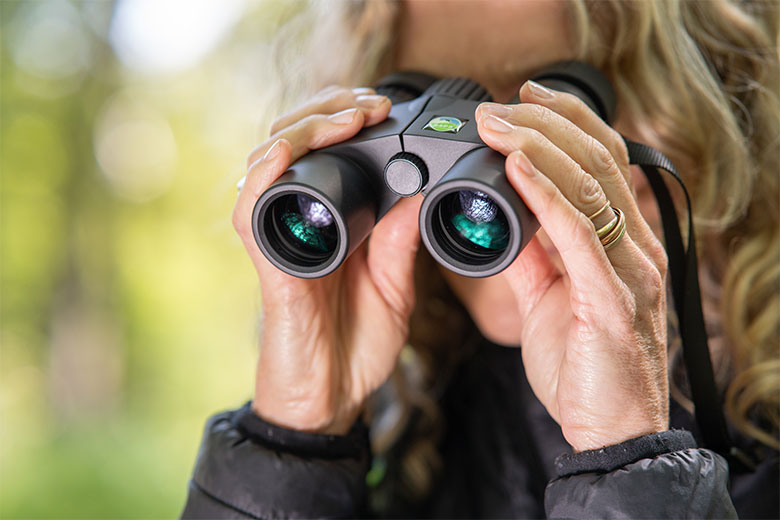

Compact binoculars budget
You can find reliable compact binoculars for birding without spending a fortune, but the tradeoffs in glass quality and build materials become sharper as you move down the price ladder. Most decent entry-level models sit between $50 and $100, offering adequate performance for casual observation but often lacking the brightness and sharpness needed for serious birding in low light.
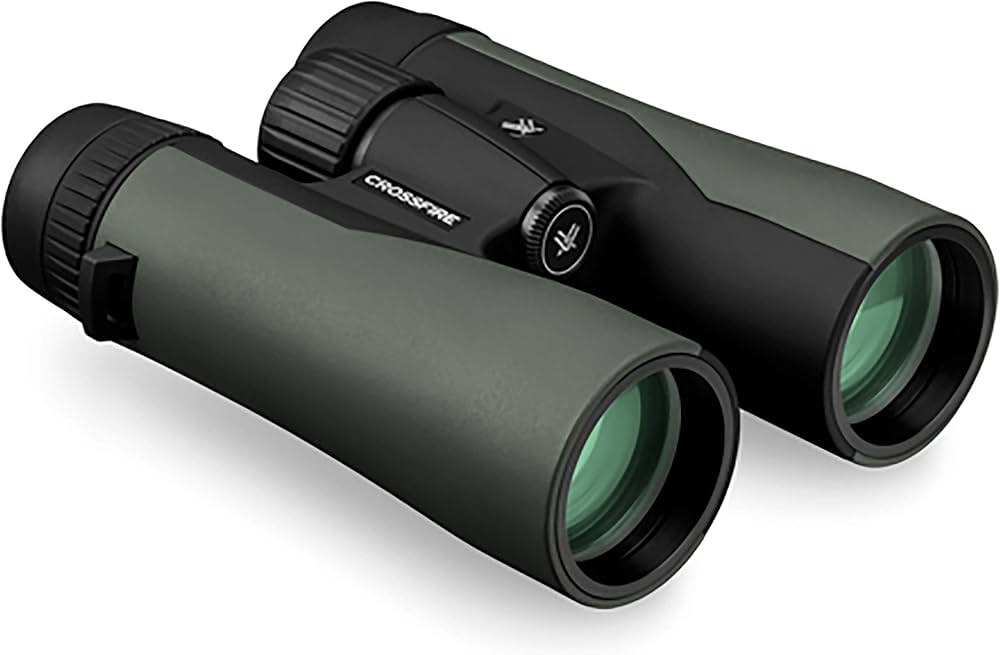
For those willing to stretch slightly, spending around $100 unlocks better optical coatings and more durable housing. The Vortex Crossfire 10x32 or 8x32 are frequent recommendations in this bracket because they balance weight with clarity, making them a solid baseline for travelers who need something tough enough to handle a backpack but clear enough to spot distant birds.
At the lower end of the spectrum, options like the Nocs Standard Issue 8x25 provide a lightweight, no-frills experience. These are ideal for hikers who prioritize pack weight over premium optics, offering a functional view of the sky and tree canopy without the bulk of larger prisms. While they may not resolve fine feather details as well as premium models, they serve their purpose well for general wildlife spotting.


As an Amazon Associate, we may earn from qualifying purchases.
Shortlist real options
Use this section to make the Best Compact Binoculars for Birding decision easier to compare in real life, not just on paper. Start with the reader's actual constraint, then separate must-have requirements from details that are merely nice to have. A practical choice should survive normal use, maintenance, timing, and budget. If a recommendation only works in an ideal situation, call that out plainly and give the reader a fallback path.
| Factor | What to check | Why it matters |
|---|---|---|
| Fit | Match the option to the primary use case. | A good deal still fails if it does not fit the job. |
| Condition | Verify age, wear, and service history. | Hidden condition issues erase upfront savings. |
| Cost | Compare purchase price with likely upkeep. | The cheapest option is not always the lowest-cost option. |
Inspect the expensive parts
Use this section to make the Best Compact Binoculars for Birding decision easier to compare in real life, not just on paper. Start with the reader's actual constraint, then separate must-have requirements from details that are merely nice to have. A practical choice should survive normal use, maintenance, timing, and budget. If a recommendation only works in an ideal situation, call that out plainly and give the reader a fallback path.
-
Verify the basicsConfirm the core specs, condition, and fit before comparing extras.
-
Price the downsideLook for the repair, maintenance, or replacement cost that would change the decision.
-
Compare alternativesCheck at least two comparable options before treating one listing as the benchmark.
Plan for ownership costs
A cheap pair of compact binoculars can become expensive if the optics fail or the mechanics break. The initial price tag is only half the equation. When evaluating compact binoculars for birding, consider the long-term costs of maintenance, warranty coverage, and the risk of replacement.
The cost of cheap optics
Budget binoculars often use inferior glass and weaker sealing against moisture. Over time, this leads to fungus growth inside the lenses or fogging that cannot be cleared. If the internal optics degrade, the binoculars are usually unrepairable. You are left buying a new pair sooner than expected. A mid-range model with a lifetime warranty offers better protection against this total loss.
Maintenance and accessories
Proper care extends the life of your binoculars and prevents costly repairs. You will need a microfiber cloth for lens cleaning and a blower brush to remove dust without scratching coatings. Avoid using household cleaners, which can strip anti-reflective coatings.
Additionally, consider the cost of a good carrying case. A flimsy pouch offers little protection during travel. A hard case or a padded sling bag prevents drops and impacts. These accessories are small costs that protect a significant investment.
Warranty and repair services
Most reputable brands offer warranties that cover manufacturing defects and sometimes even accidental damage. Vortex, for example, offers an unconditional lifetime warranty, meaning they will repair or replace damaged binoculars regardless of the cause. This peace of mind is a tangible value. Check the warranty terms before buying. A brand that stands behind its product reduces your long-term financial risk.
When to repair vs. replace
If the hinge breaks or the focus mechanism slips, repair costs can approach the price of a new entry-level pair. For compact binoculars, repair is often not cost-effective unless the optics are high-end. If the cost of repair exceeds 50% of a new mid-range model, it is usually better to replace. Always get a repair estimate before sending binoculars in.

As an Amazon Associate, we may earn from qualifying purchases.
Compact binoculars: what to check next
Choosing the right pair of compact binoculars often comes down to balancing size with optical performance. Below are answers to the most common questions readers ask before making a purchase.
What are the best compact binoculars to buy?
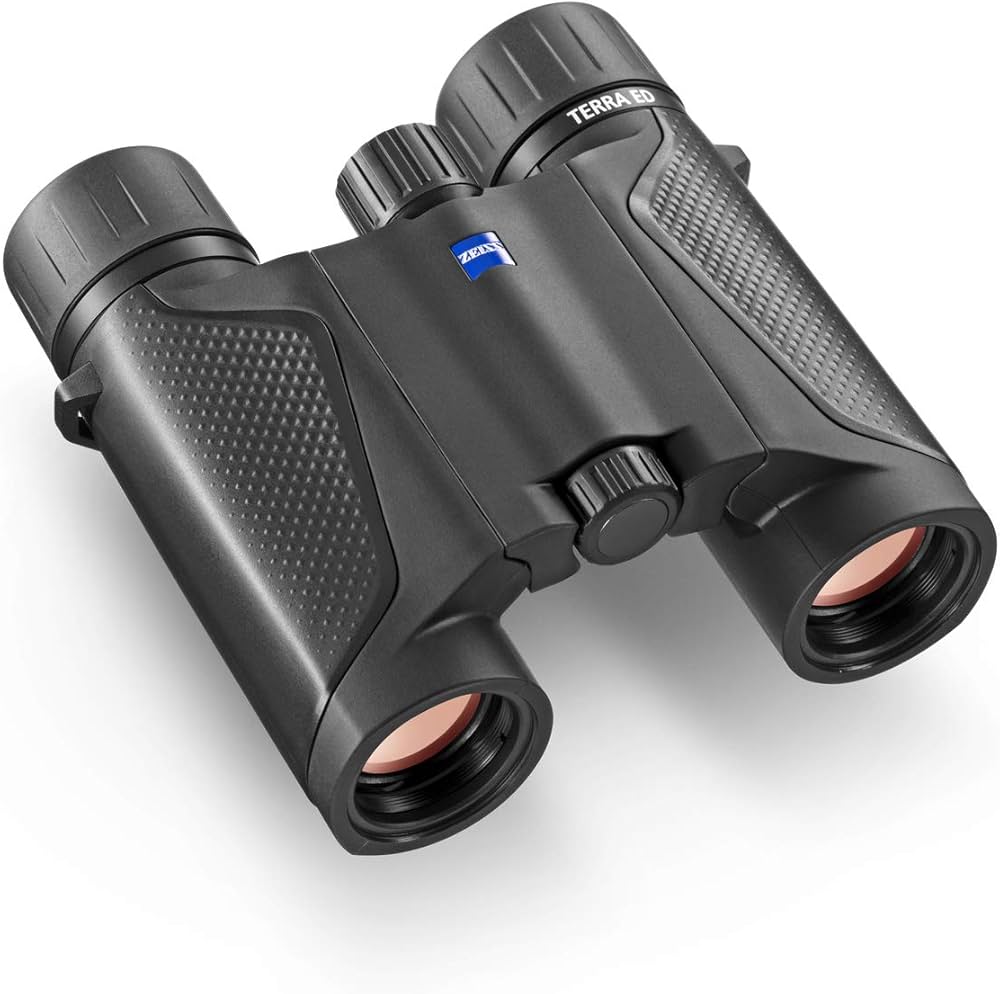
For birding and travel, the Maven B.3 6x30 and Zeiss Terra ED Pocket 8x25 are top contenders. The Maven offers a wider field of view for tracking birds, while the Zeiss provides sharper optics in a smaller package. Budget-conscious buyers often prefer the Vortex Crossfire 10x32 for its durability and value around $100.
What magnification is best for compact binoculars?
Lower magnification is generally better for compact binoculars. 8x or 10x magnification provides a stable image with less shake, which is critical when holding small, lightweight binoculars. Higher magnifications like 12x or 16x require a tripod for steady viewing and are less suitable for handheld birding.
Which is better, 12x50 or 10x42 binoculars?
Neither is truly "compact" in the pocket-sized sense, but 10x42 binoculars are more versatile. They offer a brighter image in low light and a wider field of view than 12x50s. The 12x50s are heavier and have a narrower field of view, making them harder to use for tracking fast-moving birds.
Which binoculars do Navy SEALs use?
Military special operations units typically use high-end, rugged binoculars like the Steiner Marine or Leica Geovid series. These are chosen for their durability, waterproofing, and ballistic calculation features rather than compactness. For civilian use, brands like Vortex and Swarovski offer similar durability in smaller packages.
No comments yet. Be the first to share your thoughts!