
Binoculars budget
You do not need to spend a fortune to get clear views of warblers or raptors. The gap between a $150 pair and a $600 pair is noticeable, but the biggest jump in optical performance happens at the entry level. A budget-friendly pair like the Celestron Nature DX offers BaK-4 prisms and fully multi-coated lenses that handle most daylight birding tasks well. For many birders, this is the sweet spot where you get 80% of the performance for half the price.
When setting a budget, prioritize the objective size over magnification. An 8x32 or 10x42 configuration in the $100–$200 range will serve you better than a cheap 12x50. Larger objectives gather more light, which is critical for seeing details in shaded forests or during early morning hours. The Nikon Monarch M7, often cited as a top all-around choice, sits just above this entry tier and provides a wider, sharper field of view that makes tracking moving birds easier.
Condition matters as much as price when buying used. Binoculars are mechanical devices with precise optical alignment. Avoid any pair with internal fungus, which looks like spiderwebs, or significant haze that reduces contrast. A used pair of Nikon Prostaff or Kowa Genesis in good condition is often a smarter investment than a brand-new, lower-tier model with compromised optics. Always check for smooth focusing action and secure eyecups before committing to a purchase.
Shortlist real options
Choosing the best binoculars for birding means balancing optical clarity, weight, and field of view. The market has shifted toward compact 8x32 and 10x42 configurations that offer high-definition glass without the bulk of traditional hunting optics. Below is a comparison of the top contenders that consistently rank high in professional tests and user feedback.
| Model | Type | Best For | Key Tradeoff |
|---|---|---|---|
| Nikon Monarch M7 | 8x42 / 10x42 | Overall Clarity | Slightly heavier than 32mm models |
| Vortex Viper HD | 8x42 | Durability | Excellent warranty, solid glass |
| Celestron Nature DX | 8x42 | Budget Value | Good entry-level optics |
| Kowa Genesis | 8x32 | Compactness | Premium price point |
| Nikon Prostaff P7 | 8x32 | Everyday Use | Lightweight and balanced |
These models represent the current standard for birding optics. The Nikon Monarch M7 is frequently cited as the best overall choice due to its wide field of view and sharp edge-to-edge clarity. The Vortex Viper HD offers comparable performance with a more rugged build, backed by Vortex's unconditional lifetime warranty. For those prioritizing portability, the Kowa Genesis and Nikon Prostaff P7 in 8x32 configuration provide lighter carry weight with minimal loss in image quality.
The Celestron Nature DX serves as the strongest budget option, delivering respectable glass at a lower price point. While it may not match the premium coatings of the Nikon or Kowa, it remains a viable choice for casual birders or beginners.


As an Amazon Associate, we may earn from qualifying purchases.
When evaluating these options, consider your typical birding environment. If you are hiking long distances, the 8x32 models like the Kowa Genesis or Nikon Prostaff P7 will reduce fatigue. For stationary observation at feeders or wetlands, the larger 8x42 or 10x42 barrels offer brighter images and better light gathering in dawn or dusk conditions.
Inspect the expensive parts
Birding binoculars are precision instruments, but the optics are only half the battle. The most common and costly repairs involve mechanical failures in the focusing mechanism or internal lens separation. Before committing to a purchase, or when evaluating used gear, focus your inspection on the components that drive up repair bills.

Spin the central focus wheel. It should move smoothly with consistent, slightly firm resistance. If you feel grinding, catching, or excessive play, the internal gears are likely worn or misaligned. This is a frequent failure point in budget models and a sign of poor manufacturing tolerances.
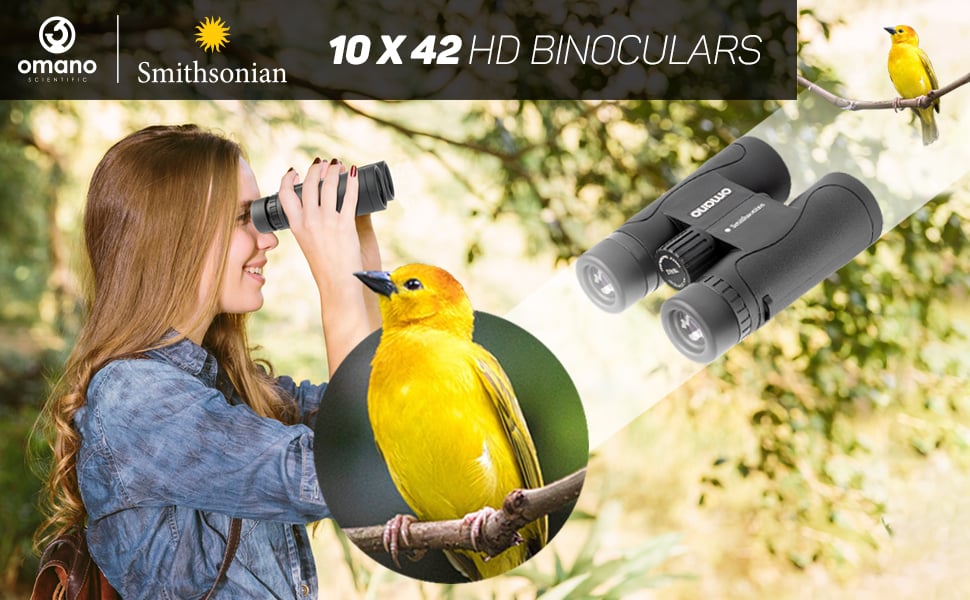
Open and close the binoculars repeatedly. The hinge should hold its position without slipping or feeling loose. A wobbly hinge often leads to misalignment of the optical axes, causing eye strain and double vision. Check for any visible gaps or cracks in the magnesium or polymer bridge connecting the barrels.
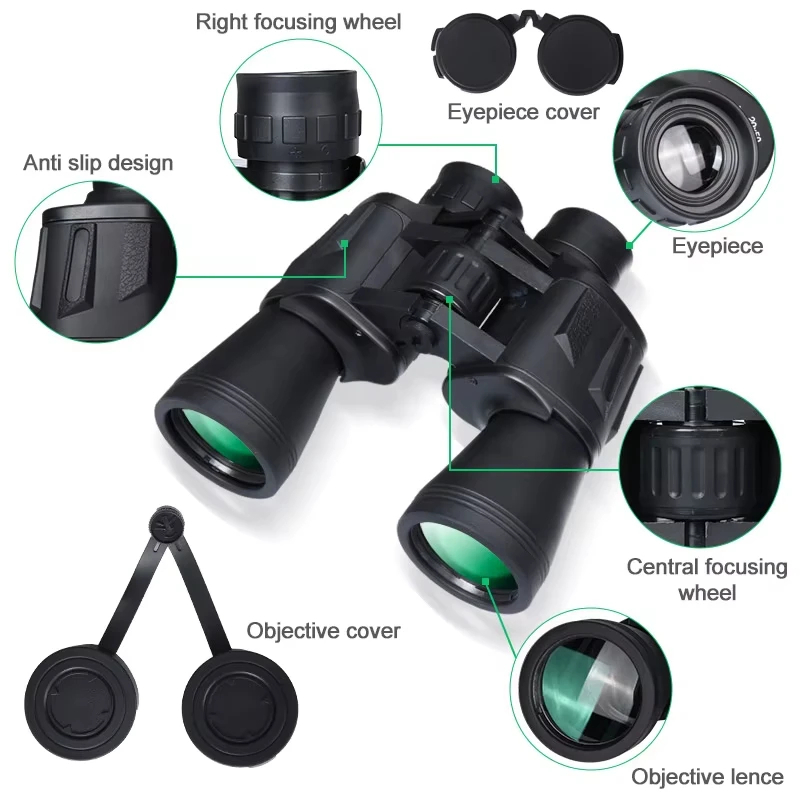
Look through the lenses at a plain, bright background. Search for any hazy spots, spiderweb-like lines, or dust clusters. While some dust is common, fungus or fog indicates a failed seal. Once moisture gets inside, it can permanently damage the lens coatings and is rarely worth the cost to repair.
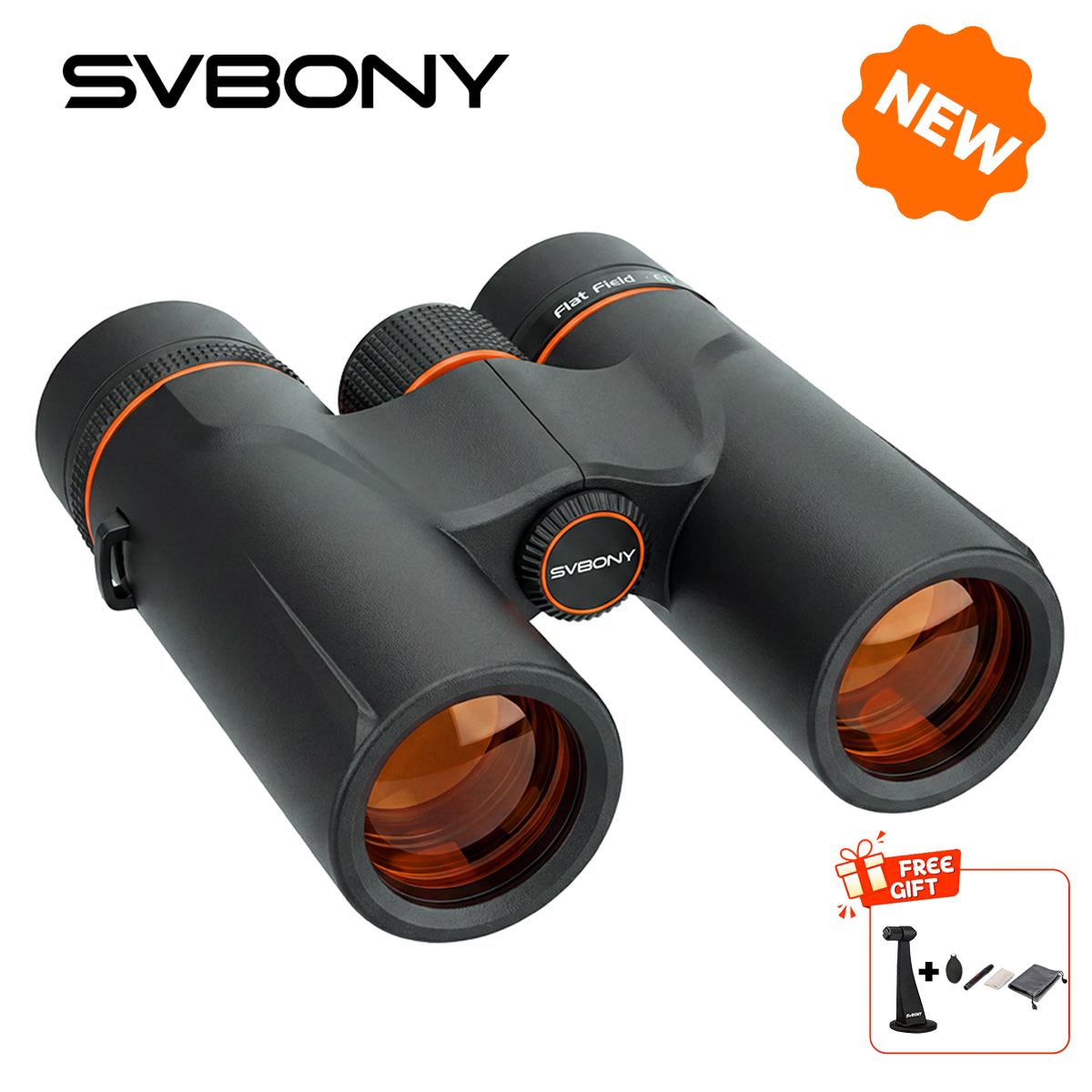
Rotate the eyecups through all their positions. They should click securely into place without wobbling. If they feel loose or strip easily, you will struggle to achieve a comfortable eye relief. Also, test the diopter ring (usually on the right eyepiece) to ensure it turns smoothly and holds its setting.
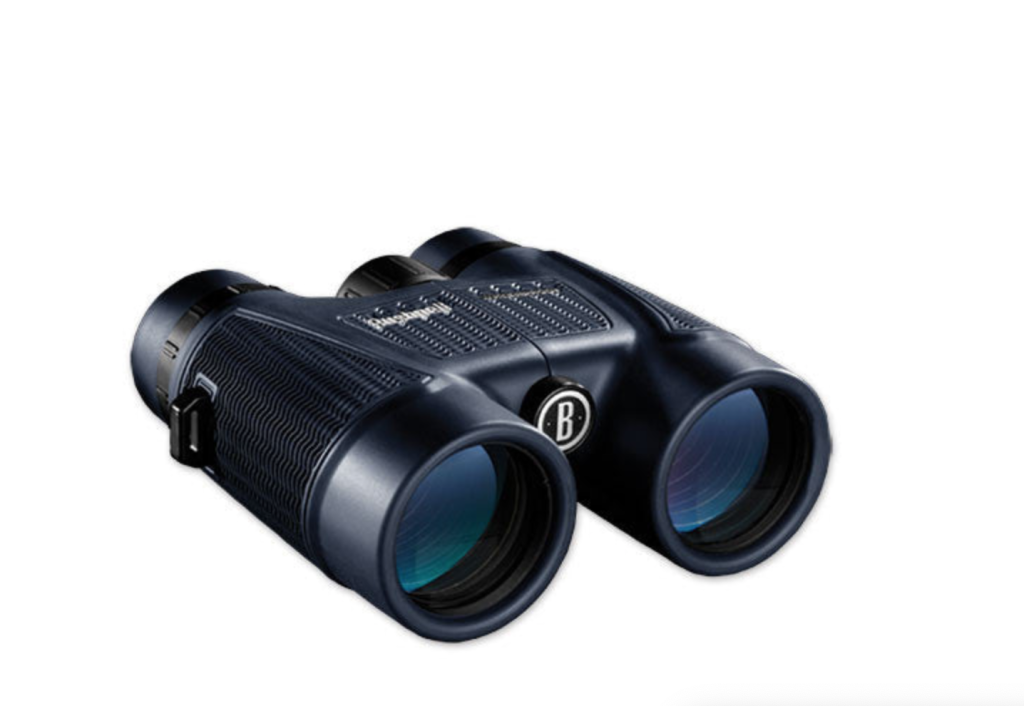
Check the rubber armor coating, especially around the barrels and focus wheel. Cracked or peeling armor exposes the underlying metal or plastic to moisture and impact damage. While cosmetic, significant degradation can compromise the waterproof seal and increase the risk of internal damage from drops.
These checks help you avoid the most common pitfalls. By focusing on mechanical integrity first, you can ensure your binoculars will withstand the rigors of trail use without requiring expensive service.


As an Amazon Associate, we may earn from qualifying purchases.
Plan for ownership costs
Buying a pair of binoculars is the first expense; keeping them in working order is the second. Cheap optics often fail not from the initial drop, but from neglected seals, fogging, or a cracked eyecup that goes unaddressed for months. When you factor in the cost of lens cleaning kits, silica gel packs, and eventual professional servicing, the "budget" pair can quickly approach the price of a mid-tier model that was built to last.
Waterproofing and nitrogen purging are non-negotiable for birding. If your binoculars fog up when you move from a cold morning into a warm field, you are paying for the privilege of missing the bird. Cheaper models often use rubberized armors that crack or adhesives that fail in humidity, requiring replacement parts that cost more than the binoculars are worth.
Consider the total cost of ownership over five years. A $200 pair that loses its focus mechanism or develops internal fungus after two rainy seasons is more expensive than a $400 pair that remains clear and functional. Factor in the cost of a sturdy case and a neck strap that won't snap, as these are the first points of failure for most users.


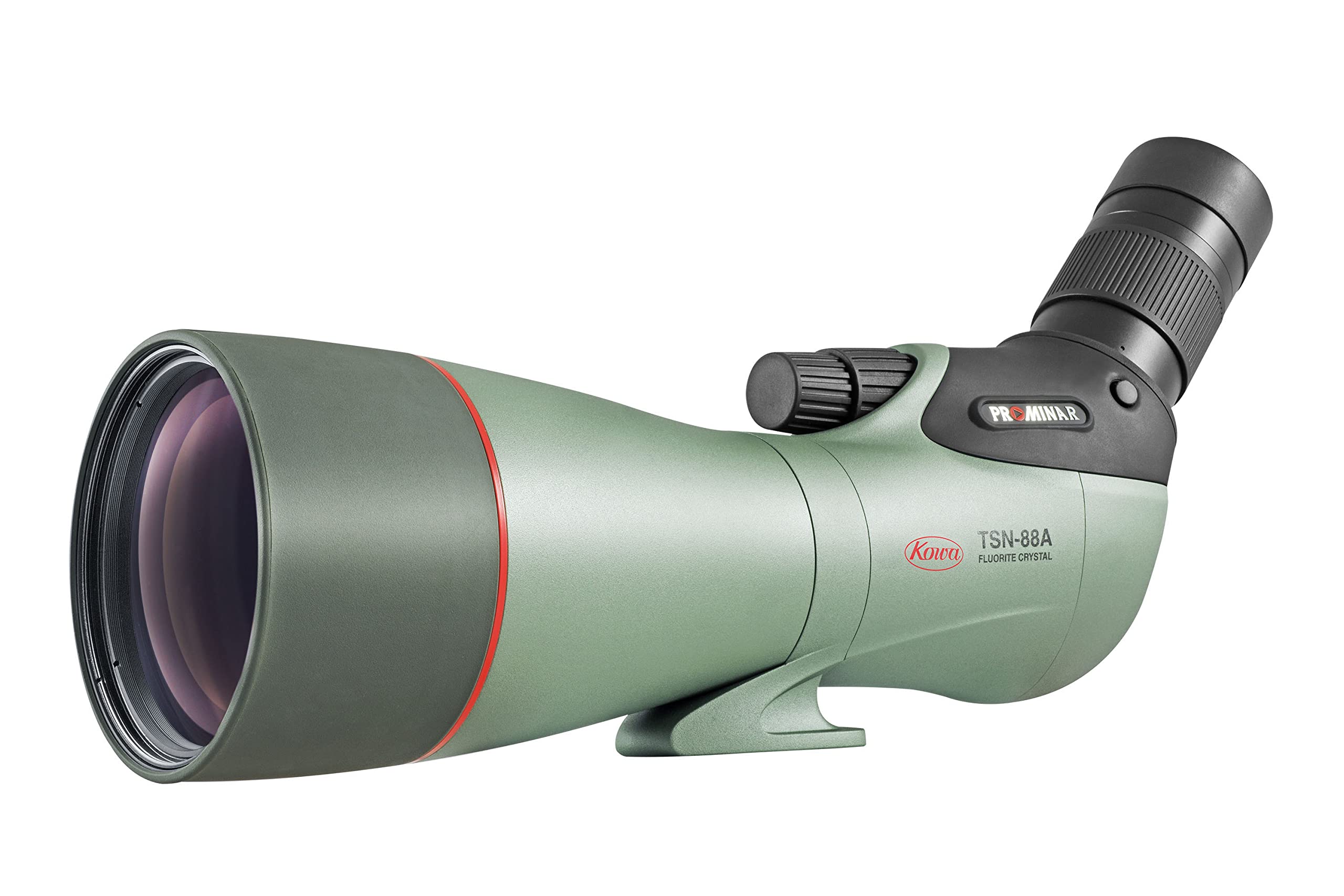
As an Amazon Associate, we may earn from qualifying purchases.
The most overlooked cost is the strap. A cheap nylon strap will dig into your neck or snap under the weight of high-end optics. Investing in a padded, adjustable strap like those from Nite Ize or Black Diamond prevents fatigue and protects the binoculars from accidental drops, which are the most common cause of irreversible damage.
Binoculars: what to check next
Choosing the right pair of binoculars for birding often comes down to balancing magnification with stability and weight. A higher power zooms in further but makes hand shake more noticeable, while a lighter body is easier to carry on long hikes but may sacrifice some optical clarity. Understanding these tradeoffs helps narrow down the dozens of models available.
What magnification is best for birding?
Most birders prefer 8x42 or 10x42 binoculars. The "8" or "10" refers to magnification; 8x provides a wider field of view and a steadier image, which is helpful for tracking fast-moving birds. The "42" is the objective lens diameter in millimeters, determining how much light enters the scope. For most day-to-day birding, 42mm lenses offer bright images in low light without adding excessive bulk.
Are compact binoculars good for hiking?
Compact models, often labeled as 8x25 or 10x25, are excellent for hiking because they fit easily into a pack pocket. However, the smaller lenses gather less light, which can make images appear dimmer in early morning or dense forest settings. If you prioritize portability over low-light performance, a compact pair like the Occer 12x25 or similar lightweight options is a practical choice.
How do I choose between 8x and 10x power?
Choose 8x if you value a wider field of view and a brighter, steadier image, especially for scanning large areas or birding in darker conditions. Choose 10x if you need more reach to spot distant birds in open spaces and have steady hands. Many birders find 8x more forgiving for general use, while 10x is preferred by those who frequently observe distant waterfowl or raptors.
What features should I look for in birding binoculars?
Look for waterproof and fogproof construction to withstand weather changes. Fully multi-coated lenses improve light transmission and contrast. A central focus wheel should turn smoothly, and individual diopter adjustment allows you to fine-tune one eye for perfect clarity. Rubber armoring provides a secure grip and protects the optics from bumps during field use.
No comments yet. Be the first to share your thoughts!