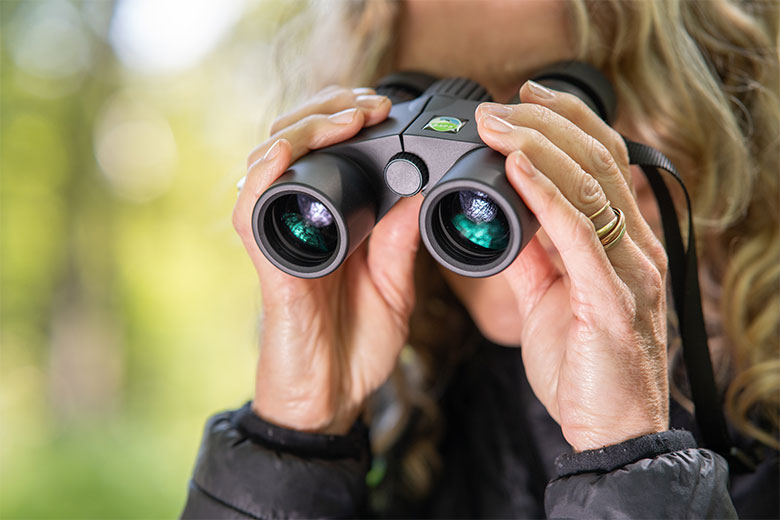

Binoculars budget
Best Compact Binoculars for Birding works best when the purchase path is explicit. Verify the source, compare the offer against real alternatives, check the total cost, and confirm what happens after payment before you decide. After each comparison, write down the one risk that would change your mind. If the seller, condition, support, warranty, shipping, or upkeep still feels uncertain, resolve that question before moving to checkout.
The simplest way to use this section is to verify the seller, compare the total cost, and resolve the biggest risk before you commit.
Shortlist real options
Use this section to make the Best Compact Binoculars for Birding decision easier to compare in real life, not just on paper. Start with the reader's actual constraint, then separate must-have requirements from details that are merely nice to have. A practical choice should survive normal use, maintenance, timing, and budget. If a recommendation only works in an ideal situation, call that out plainly and give the reader a fallback path.
| Factor | What to check | Why it matters |
|---|---|---|
| Fit | Match the option to the primary use case. | A good deal still fails if it does not fit the job. |
| Condition | Verify age, wear, and service history. | Hidden condition issues erase upfront savings. |
| Cost | Compare purchase price with likely upkeep. | The cheapest option is not always the lowest-cost option. |
Inspect the expensive parts
Use this section to make the Best Compact Binoculars for Birding decision easier to compare in real life, not just on paper. Start with the reader's actual constraint, then separate must-have requirements from details that are merely nice to have. A practical choice should survive normal use, maintenance, timing, and budget. If a recommendation only works in an ideal situation, call that out plainly and give the reader a fallback path.
-
Verify the basicsConfirm the core specs, condition, and fit before comparing extras.
-
Price the downsideLook for the repair, maintenance, or replacement cost that would change the decision.
-
Compare alternativesCheck at least two comparable options before treating one listing as the benchmark.
Plan for ownership costs
A cheap pair of binoculars often costs more over time than a mid-range model that lasts. The real expense isn't just the initial sticker price; it's the cost of repairs, replacements, and the frustration of gear that fails when you need it most. For birding, where you might carry your binoculars for hours, durability is a form of value.
Waterproofing and fog-proofing are non-negotiable for long-term ownership. Nitrogen or argon purging prevents internal fogging, which can ruin optical clarity and lead to mold or corrosion inside the lenses. If your binoculars aren't sealed, humidity and temperature changes will eventually degrade the optics, turning a $100 investment into $100 of useless glass within a few seasons.
Maintenance surprises
The most common hidden cost is lens cleaning and coating care. Cheap binoculars often have fragile anti-reflective coatings that scratch easily. Using the wrong cloth or cleaning solution can permanently damage these layers, reducing light transmission and contrast. A proper lens cleaning kit, including a blower brush and microfiber cloth, is a small investment that protects your primary gear.
Straps and eyecups are also wear items. A broken strap or cracked eyecup can be replaced, but finding exact parts for budget models can be difficult or impossible. Mid-range brands like Nikon or Kowa typically offer better support and available accessories, making long-term upkeep easier and cheaper.
When a cheap buy stops being cheap
If you find yourself replacing binoculars every two years, you're paying more than if you bought a durable pair once. A $200 pair of binoculars that lasts five years costs $40 per year. A $100 pair that lasts two years costs $50 per year. The cheaper option also means more time spent shopping and less time birding.
Consider the cost of lost opportunities. Poor optics mean missed sightings. In birding, clarity and brightness determine what you see. If your binoculars are too dim or shaky, you'll miss rare birds. That's a cost that doesn't appear on a receipt but matters deeply to your hobby.


As an Amazon Associate, we may earn from qualifying purchases.
Binoculars: what to check next
Choosing the right gear often comes down to balancing magnification, weight, and budget. Here are the answers to the most common questions we get from birders and outdoor enthusiasts.
No comments yet. Be the first to share your thoughts!