
Best Binoculars for Birding
Choosing the right binoculars for birding requires balancing optical clarity, weight, and field of view. The following models represent the current standard for performance across different price points and use cases. We’ve selected these based on consistent praise from optical reviewers and birding guides for their sharpness and color fidelity.
Vortex Viper HD 10x42
The Vortex Viper HD is a favorite among serious birders who prioritize image quality without carrying excessive weight. Its HD glass delivers high contrast and resolution, making it easy to spot fine details in distant foliage. The waterproof and fog-proof construction ensures reliability in humid or rainy conditions. While the price point is mid-to-high, the lifetime VIP warranty provides significant peace of mind.
Athlon Optics Midas ED 10x42
Athlon Optics has gained a strong reputation for offering optics that rival premium brands at a more accessible price. The Midas ED series uses extra-low dispersion glass to minimize chromatic aberration, resulting in crisp images even in low-light dawn or dusk conditions. Reviewers frequently note the comfortable eyecups and intuitive focus wheel as standout features for long observation sessions.
Vortex Razor HD 10x42
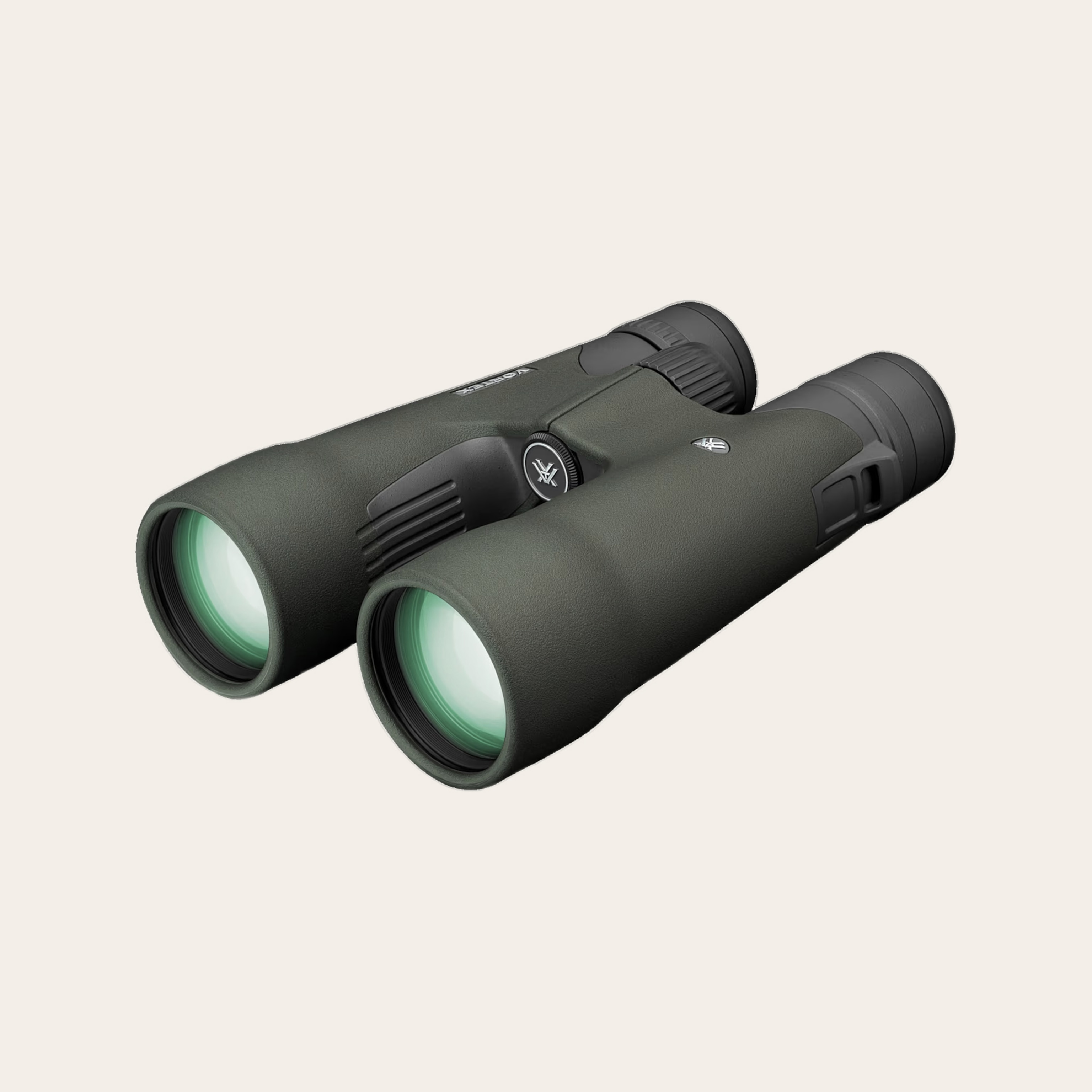
For those willing to invest in top-tier optics, the Razor HD represents the peak of Vortex’s lineup. It features fully multi-coated lenses and dielectric prism coatings for maximum light transmission. The build is rugged yet lightweight, designed for field use where every ounce matters. This model is ideal for birders who demand the sharpest possible view in challenging lighting.
Leupold DeltaPoint Pro 10x42
Leupold is known for durability and simplicity. The DeltaPoint Pro offers reliable performance with a straightforward design that minimizes potential failure points. It provides a natural field of view and excellent color accuracy, which is critical for identifying bird species. The robust construction makes it a long-term companion for frequent hikers and field researchers.
| Model | Mag/Obj | Glass Type | Best For |
|---|---|---|---|
| Vortex Viper HD | 10x42 | HD Glass | General birding & value |
| Athlon Optics Midas ED | 10x42 | ED Glass | Low light & budget |
| Vortex Razor HD | 10x42 | Dielectric Coated | Premium clarity |
| Leupold DeltaPoint Pro | 10x42 | Standard Multi-Coated | Durability & simplicity |
What to look for in a birding binocular
When evaluating these options, consider the exit pupil (objective lens divided by magnification) for low-light performance. A 10x42 configuration is the industry standard for birding, offering a balance of magnification and brightness. Higher magnifications like 12x or 15x can introduce shake, requiring a tripod or very steady hands. For most birders, 10x provides sufficient detail without compromising stability.


As an Amazon Associate, we may earn from qualifying purchases.
Final recommendation
If you are looking for the best overall value, the Athlon Optics Midas ED offers exceptional optical performance for the price. For those who want the best possible image quality and don’t mind the higher cost, the Vortex Razor HD is the top choice. The Vortex Viper HD sits comfortably in the middle, offering a great balance of features and reliability for most birders.
Inspect the expensive parts
Birding binoculars are complex mechanical instruments. A $1,000 pair fails in predictable ways. The optics are expensive to replace, but the mechanical linkages usually break first. If you are buying used or inspecting a demo model, check these failure points before you commit.
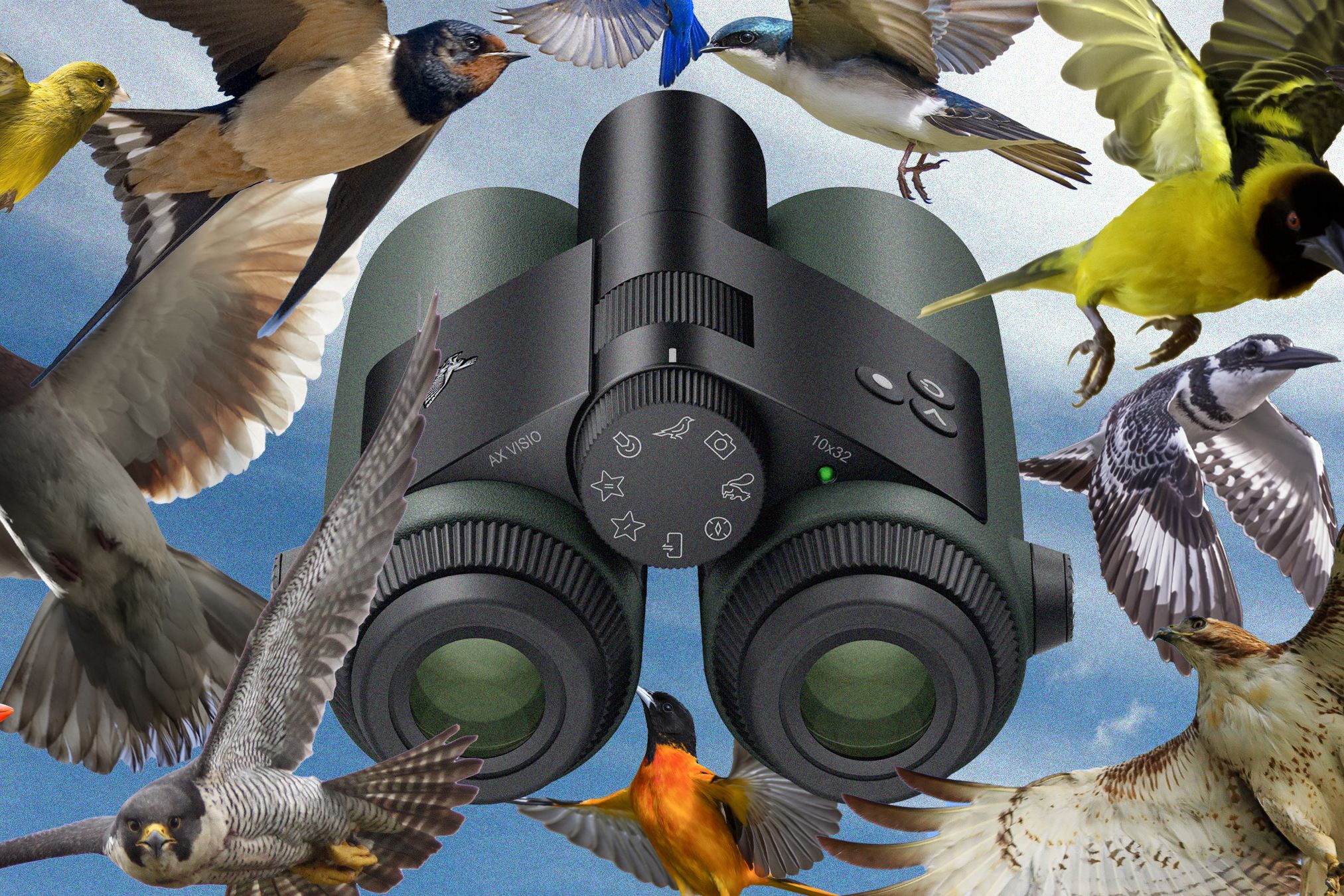
The focus wheel should turn smoothly with one finger. It should not feel gritty, loose, or stiff. Gritty movement means dust has entered the internal mechanism. A loose wheel that slips back when you release it will make tracking birds impossible. Tighten any center-wheel focus rings until they are firm but still rotatable.
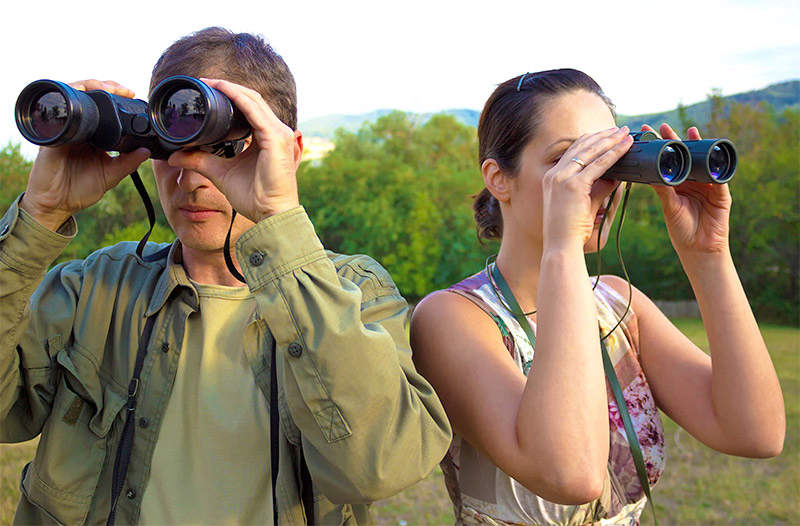
Open and close the binoculars repeatedly. The hinge should hold its position without sagging. If the barrels droop when opened, the internal spring tension is weak. Check the bridge (the connecting piece) for cracks. A cracked bridge compromises the alignment of the optical tubes, ruining your depth perception and field of view.
Hold the binoculars up to a bright, white light. Look through the eyepieces and objective lenses. You should see clear, glass-like surfaces. Any cloudy spots, webs, or floating particles indicate internal fog or fungus. Fungus eats the anti-reflective coatings and cannot be cleaned from the inside. This is a total loss for optical performance.
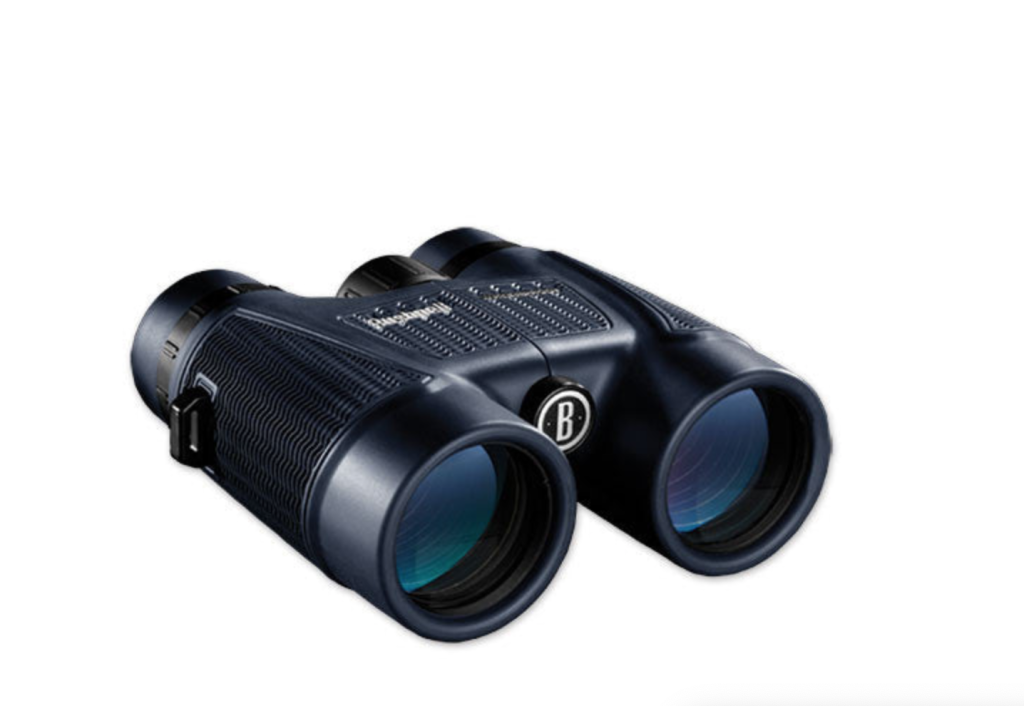
Most high-end binoculars have a diopter ring on one eyepiece to correct for vision differences between your eyes. Make sure this ring rotates freely and clicks into place. If it spins loosely or sticks, you will not be able to focus both eyes comfortably. This leads to eye strain and missed observations.
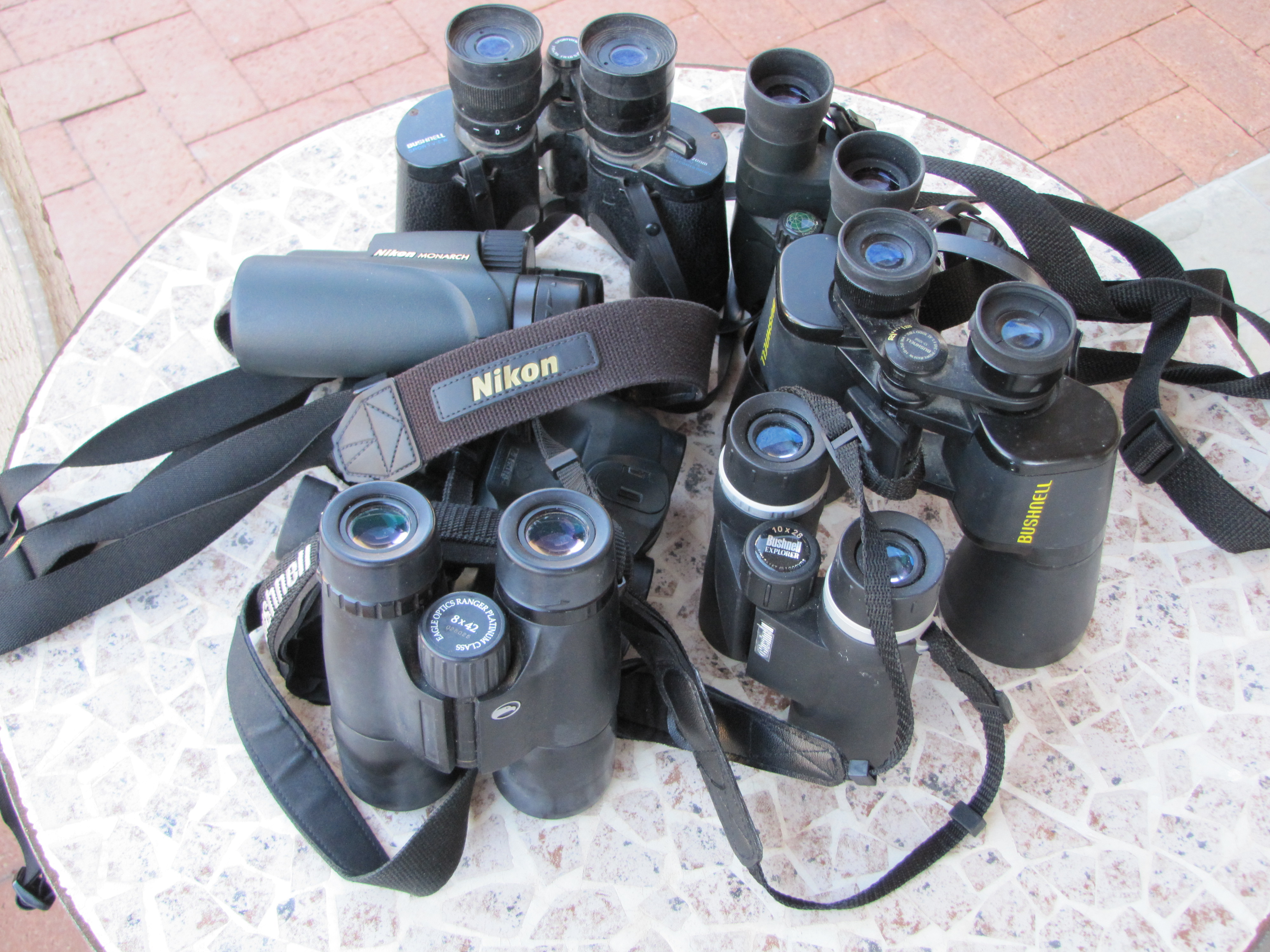
Fold and unfold the eyecups. They should lock firmly in both folded and extended positions. Cracked rubber armor exposes the magnesium or plastic body to moisture and impact. While cosmetic, this damage often precedes internal seal failure, which leads to the fogging mentioned in step three.
A quick physical inspection saves you from buying a binocular that looks perfect but fails mechanically. If the focus wheel sticks or the hinge sags, walk away. Optical clarity is useless if you cannot keep the image sharp.
Ownership costs go beyond the sticker price
A pair of binoculars is a long-term investment, but the initial cost is only the first hurdle. Cheap binoculars often hide expenses in the form of premature wear, poor optical coatings that degrade quickly, or a lack of warranty support. When you buy a budget model, you might save money upfront, but you risk replacing the device every few years or dealing with cloudy lenses and loose focus mechanisms.
Maintenance is another hidden cost. High-quality binoculars are nitrogen-purged and waterproof, protecting the internal optics from fogging and moisture damage. Cheaper models often lack these seals, leading to internal fungus growth—a common and irreversible issue in humid environments. Regular cleaning requires proper supplies, such as lens pens and microfiber cloths, which add to the annual upkeep budget.
Warranty and service plans also matter. Reputable brands like Vortex and Nikon offer lifetime warranties that cover repairs or replacements, effectively lowering the long-term cost of ownership. If a lens cracks or the focus wheel breaks, a solid warranty saves you from buying a new pair. Always check the warranty terms before purchasing; a slightly higher initial price with a comprehensive warranty often proves cheaper over a decade of birding.


As an Amazon Associate, we may earn from qualifying purchases.
Binoculars: what to check next
Choosing the right pair often comes down to balancing magnification, weight, and price. Here are answers to the most common questions birders ask before buying.
No comments yet. Be the first to share your thoughts!