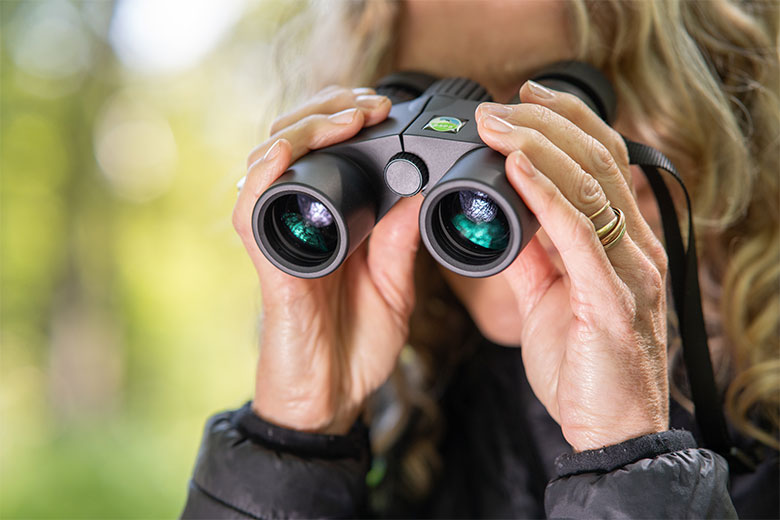

Compact binoculars budget
You can find capable compact binoculars for birding without spending a fortune, but there are hard limits to what $50–$100 optics can do. At this price point, you are trading some edge-to-edge sharpness and low-light performance for portability. The goal is to find a pair that is light enough to carry everywhere and clear enough to identify species at moderate distances.
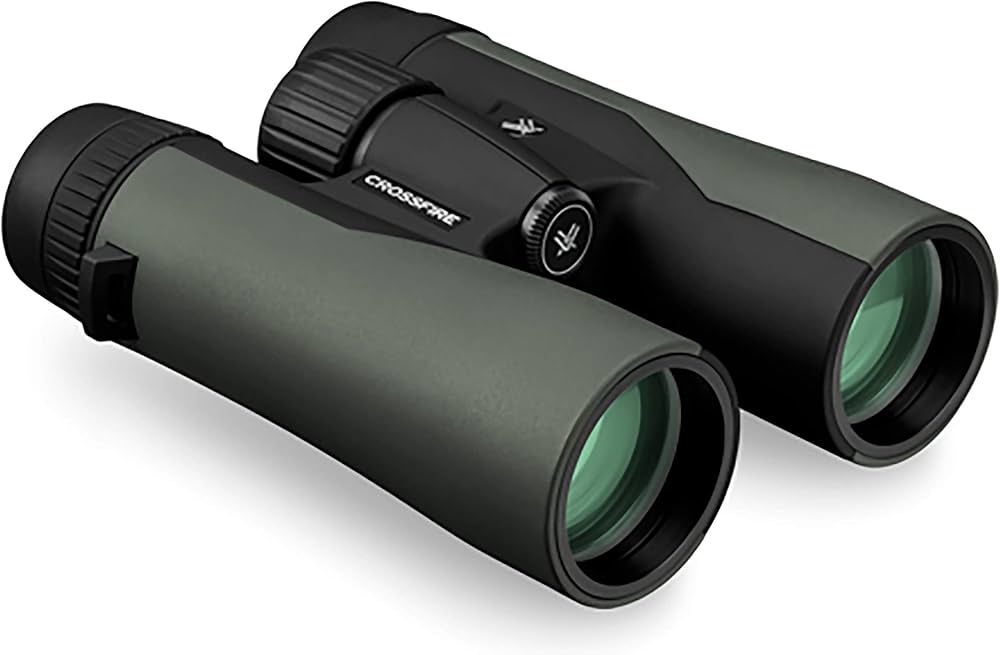
For most birders, the sweet spot sits around $100. Models like the Vortex Crossfire 10x32 or 8x32 often land in this range, offering fully multi-coated lenses and durable rubber armor. If your budget is tighter, the Vanguard Orros is a frequent top scorer in the sub-$100 category, providing decent clarity for casual observation, though it may lack the eye relief needed for glasses wearers.
When shopping on a budget, prioritize magnification between 8x and 10x. Higher magnifications like 12x or 14x in compact bodies amplify hand shake, making it difficult to track birds in flight or through foliage. Stick to 8x42 or 10x32 configurations for the best balance of stability and light gathering.


As an Amazon Associate, we may earn from qualifying purchases.
Shortlist real options
Use this section to make the Best Compact Binoculars for Birding decision easier to compare in real life, not just on paper. Start with the reader's actual constraint, then separate must-have requirements from details that are merely nice to have. A practical choice should survive normal use, maintenance, timing, and budget. If a recommendation only works in an ideal situation, call that out plainly and give the reader a fallback path.
| Factor | What to check | Why it matters |
|---|---|---|
| Fit | Match the option to the primary use case. | A good deal still fails if it does not fit the job. |
| Condition | Verify age, wear, and service history. | Hidden condition issues erase upfront savings. |
| Cost | Compare purchase price with likely upkeep. | The cheapest option is not always the lowest-cost option. |
Inspect the expensive parts
Use this section to make the Best Compact Binoculars for Birding decision easier to compare in real life, not just on paper. Start with the reader's actual constraint, then separate must-have requirements from details that are merely nice to have. A practical choice should survive normal use, maintenance, timing, and budget. If a recommendation only works in an ideal situation, call that out plainly and give the reader a fallback path.
-
Verify the basicsConfirm the core specs, condition, and fit before comparing extras.
-
Price the downsideLook for the repair, maintenance, or replacement cost that would change the decision.
-
Compare alternativesCheck at least two comparable options before treating one listing as the benchmark.
Plan for ownership costs
A $100 pair of compact binoculars can feel like a bargain until the first field trip. The real cost of birding optics lies in what happens after the purchase: lens fog, hinge wear, and the inevitable drop on a rocky trail. When evaluating budget models, look beyond the sticker price and consider the long-term durability of the seals and coatings.
Waterproofing is the single biggest factor in ownership costs. Cheap binoculars often lack nitrogen or argon purging, meaning internal fogging will degrade your view after a single cold morning. Once moisture gets inside, cleaning is nearly impossible without professional service, which often costs more than the binoculars themselves. Vortex and Nikon budget lines typically include lifetime warranties that cover accidental damage, effectively capping your financial risk. Without such coverage, a cracked prism or broken hinge turns a "cheap" buy into a total loss.
Maintenance is straightforward but often overlooked. Use a blower brush to remove dust from the eyepieces and objective lenses before wiping them. Never use household glass cleaners or rough fabrics, as these strip the anti-reflective coatings. A microfiber cloth and a dedicated lens cleaning solution are inexpensive supplies that extend the life of your optics significantly. If you bird in coastal or humid environments, rinse the exterior with fresh water and dry it thoroughly to prevent corrosion on the focus wheel and hinges.
Amazon Product Recommendations


As an Amazon Associate, we may earn from qualifying purchases.
Compact binoculars: what to check next
Choosing the right pair of compact binoculars involves balancing magnification, weight, and optical performance. Here are answers to the most common questions readers ask before buying.
What is better, 12x50 or 10x42 binoculars?
Neither is inherently "better"; they serve different purposes. A 12x50 offers higher magnification and a larger objective lens for gathering light, making it ideal for low-light conditions or long-distance viewing. However, the higher magnification amplifies hand shake, often requiring a tripod for steady viewing. A 10x42 is more versatile for general use, offering a good balance of reach and stability without the bulk of a 50mm lens.
What magnification is best for compact binoculars?
For compact binoculars, 8x magnification is generally the sweet spot. It provides enough zoom to see birds clearly at moderate distances while keeping the image steady enough to hold by hand. Higher magnifications like 10x or 12x start to become difficult to stabilize without support, especially in smaller, lighter bodies. The 8x format also typically offers a wider field of view, making it easier to track moving birds.
Is 10x42 or 8x42 better for birding?
8x42 is usually better for birding than 10x42. The wider field of view makes it easier to locate and track birds in foliage. While 10x42 offers more reach, the narrower field of view can make it frustrating to find a specific bird in a tree. Unless you are primarily scanning distant landscapes or waterfowl from a fixed position, the 8x42 is the more practical choice for active birding.
What binoculars do Navy SEALs use?
Navy SEALs and other special operations forces typically use high-end, military-spec binoculars from brands like Swarovski Optik, Zeiss, or Leica. These optics are chosen for their extreme durability, waterproofing, and clarity in low-light conditions. While they are not available for direct consumer purchase in the same configurations, many civilian "premium" models from these brands share similar optical engineering and build quality.
No comments yet. Be the first to share your thoughts!