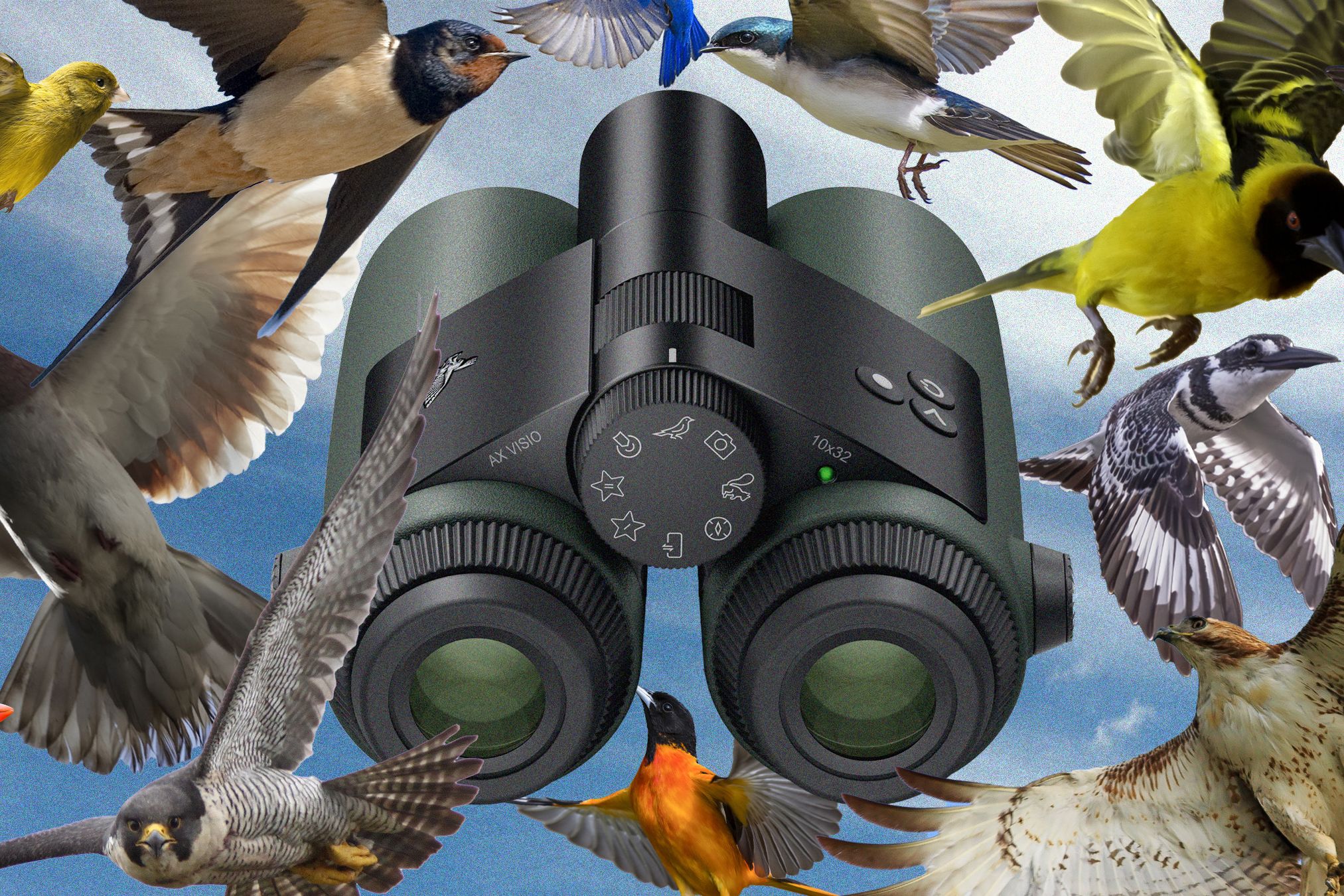

Binoculars budget
The price range for birding binoculars stretches from $30 to over $1,000. For most migratory season trips, you do not need the top tier. A solid mid-range pair delivers sharp optics and durable coatings without the premium tax. The sweet spot for value usually sits between $150 and $300, where manufacturers balance weight, light transmission, and warranty support.
Cheaper options under $100 often sacrifice brightness and edge clarity. They work for casual backyard spotting but struggle in the dim light of dense forests or open wetlands. Conversely, pro-grade models over $500 offer marginal gains in weight and color fidelity that rarely justify the cost for weekend birders. Focus on glass quality and warranty terms rather than brand prestige.
Here are concrete picks that balance performance with realistic pricing for 2026.


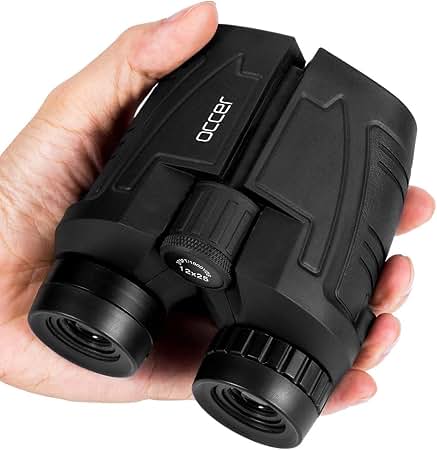
As an Amazon Associate, we may earn from qualifying purchases.
When shopping, check the exit pupil size. A larger exit pupil (like 5mm in an 8x42) lets in more light, making birds easier to see at dawn or dusk. Smaller models with 10x magnification darken the view but bring distant subjects closer. Match the spec to your typical hunting conditions, not just the highest number on the box.
Shortlist real options
The best binoculars for birding balance optical clarity with weight and ease of use. Migratory season often involves long hours scanning treetops or open water, so the right pair should feel manageable in your hands while delivering sharp images at distance. We have compared the strongest options currently available, focusing on real-world performance rather than manufacturer claims.
The Nikon Monarch M7 stands out as a top choice for most birders. It offers excellent light transmission and a wide field of view, making it easier to track moving birds. The Kowa Genesis series provides a premium alternative for those prioritizing color fidelity and edge-to-edge sharpness, though at a higher price point. For budget-conscious observers, the Celestron Nature DX delivers surprising performance for the cost, serving as a reliable entry point.
Below is a side-by-side comparison of these leading models to help you decide which features matter most for your specific birding style.
| Model | Magnification | Aperture (mm) | Weight (oz) | Best For |
|---|---|---|---|---|
| Nikon Monarch M7 | 10x | 42 | 22.1 | All-around performance |
| Kowa Genesis | 10x | 42 | 28.2 | Premium optics |
| Celestron Nature DX | 10x | 42 | 21.6 | Budget value |
| Vortex Viper HD | 10x | 42 | 22.0 | Durability & warranty |
When choosing between these options, consider how often you will carry the binoculars. Heavier models like the Kowa Genesis offer superior glass but can cause fatigue during long hikes. Lighter compact pairs sacrifice some light-gathering ability, which can be noticeable in dense forest or at dusk. The Nikon Monarch M7 and Celestron Nature DX strike a practical middle ground, offering sufficient brightness for most daylight birding scenarios without adding unnecessary bulk to your pack.
Inspect the expensive parts
Use this section to make the Best Binoculars for Birding decision easier to compare in real life, not just on paper. Start with the reader's actual constraint, then separate must-have requirements from details that are merely nice to have. A practical choice should survive normal use, maintenance, timing, and budget. If a recommendation only works in an ideal situation, call that out plainly and give the reader a fallback path.
-
Verify the basicsConfirm the core specs, condition, and fit before comparing extras.
-
Price the downsideLook for the repair, maintenance, or replacement cost that would change the decision.
-
Compare alternativesCheck at least two comparable options before treating one listing as the benchmark.
Plan for ownership costs
Binoculars are an investment in glass, but the initial price tag is only part of the equation. A $200 pair that loses its focus mechanism or fogs up after a single humid morning costs more in the long run than a $400 pair that lasts a decade. When evaluating birding binoculars, look beyond the purchase price to the hidden costs of maintenance and potential repairs.
Waterproofing and nitrogen purging are standard on mid-range and premium models, preventing internal fogging and moisture damage. Cheaper, non-sealed units often fail in these conditions, leading to irreparable internal mold or coating damage. If you bird in rain, snow, or high-humidity environments, skipping sealed optics is a false economy. Check warranty terms carefully; many brands offer lifetime warranties on optical defects, but damage from drops or mishandling is rarely covered.
Accessories also add up. A sturdy neck strap is essential for comfort during long hikes, and a carrying case protects the lenses from scratches and impacts. While many binoculars come with a basic pouch, upgrading to a hard case or a specialized harness can prevent costly lens replacements. Additionally, consider the cost of cleaning supplies—microfiber cloths and lens cleaning solutions are inexpensive but necessary for maintaining clarity.


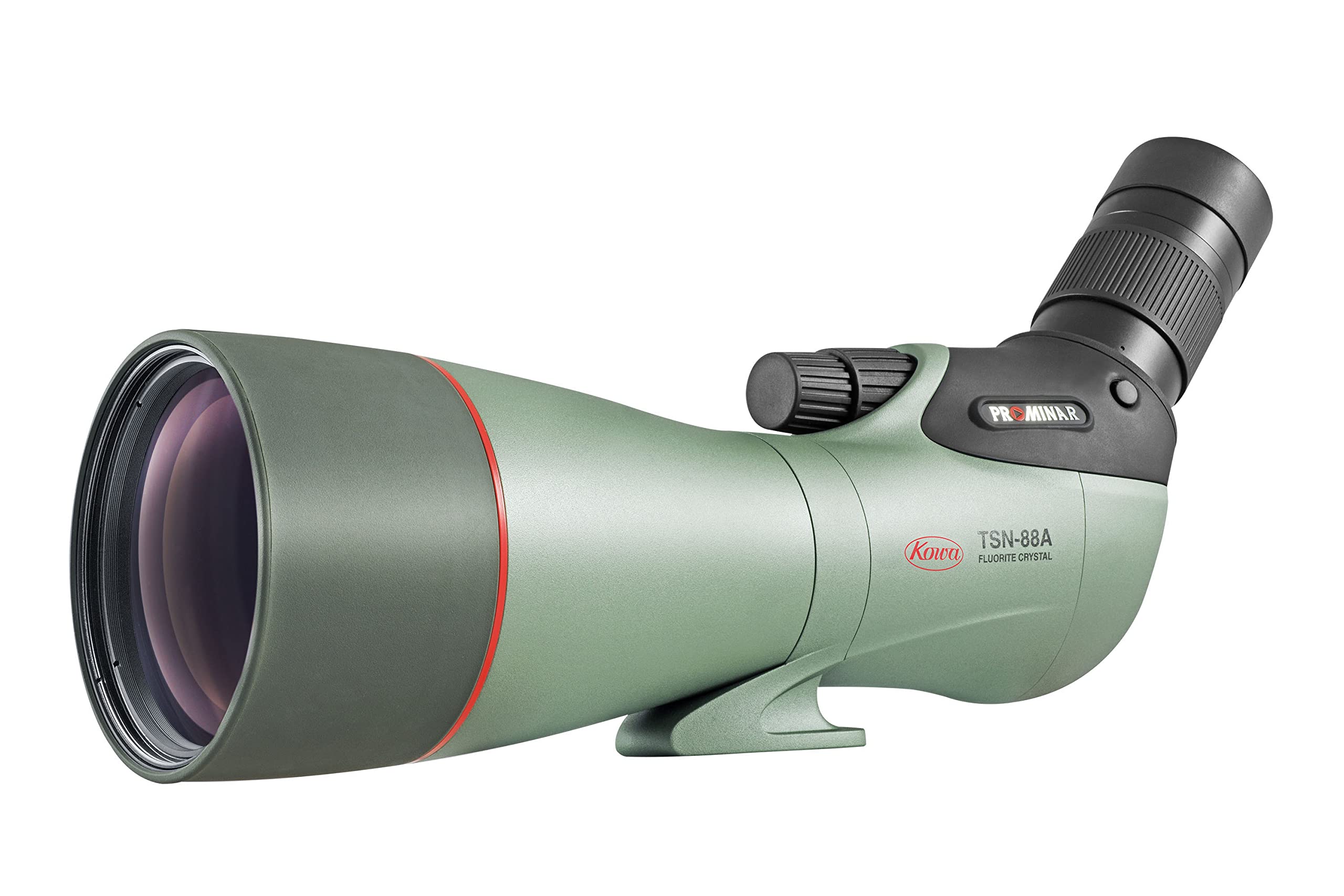
As an Amazon Associate, we may earn from qualifying purchases.
The cheapest option often requires the most attention. Lower-quality rubber armoring can crack, and focus mechanisms may become stiff or loose over time. Investing in a reputable brand with a strong service network ensures that if something does go wrong, you can get it fixed without replacing the entire unit. For migratory season birding, where reliability is paramount, the extra upfront cost of a durable, sealed pair usually pays for itself in longevity and consistent performance.
Binoculars: what to check next
Choosing the right pair of binoculars for migratory birding often comes down to balancing weight, clarity, and light gathering. Below are answers to the most common practical objections readers have before making a purchase.
No comments yet. Be the first to share your thoughts!