
Flyways and glass needs
The 2026 spring migration looks busy. Early data suggests warblers and thrushes will hit the Atlantic and Mississippi Flyways in high numbers. You need optics that can keep up with fast-moving birds in low light.
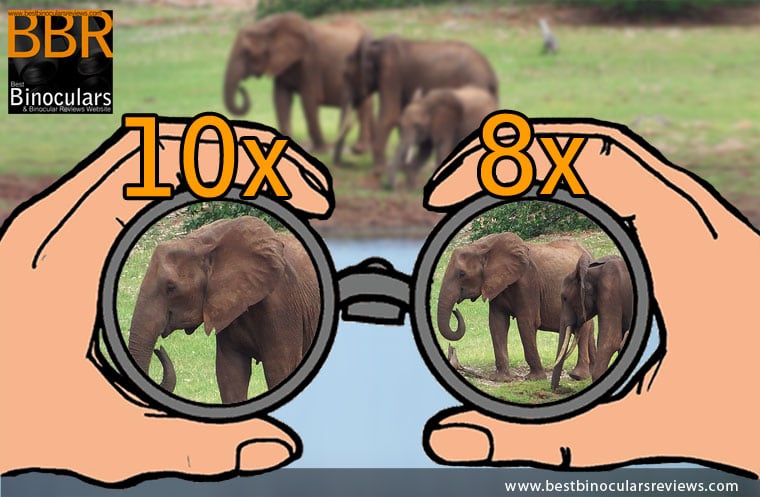
Different birding environments demand slightly different binocular specifications. Open fields and shorelines call for higher magnification to pick out distant birds, while forested areas benefit from wider fields of view to quickly scan the canopy. The key is to balance these factors to match your typical birding habitat and personal preferences. It’s easy to get lost in technical details, but remember the goal: to connect with the incredible spectacle of migration.
The excitement of spotting a rare warbler or tracking a flock of geese is undeniably enhanced by clear, bright optics. Don’t underestimate the impact of a comfortable viewing experience either. A long day in the field requires binoculars that feel natural in your hands and don’t cause eye strain. The upcoming season promises incredible sights, and being prepared will make all the difference.
The reality of AI binoculars
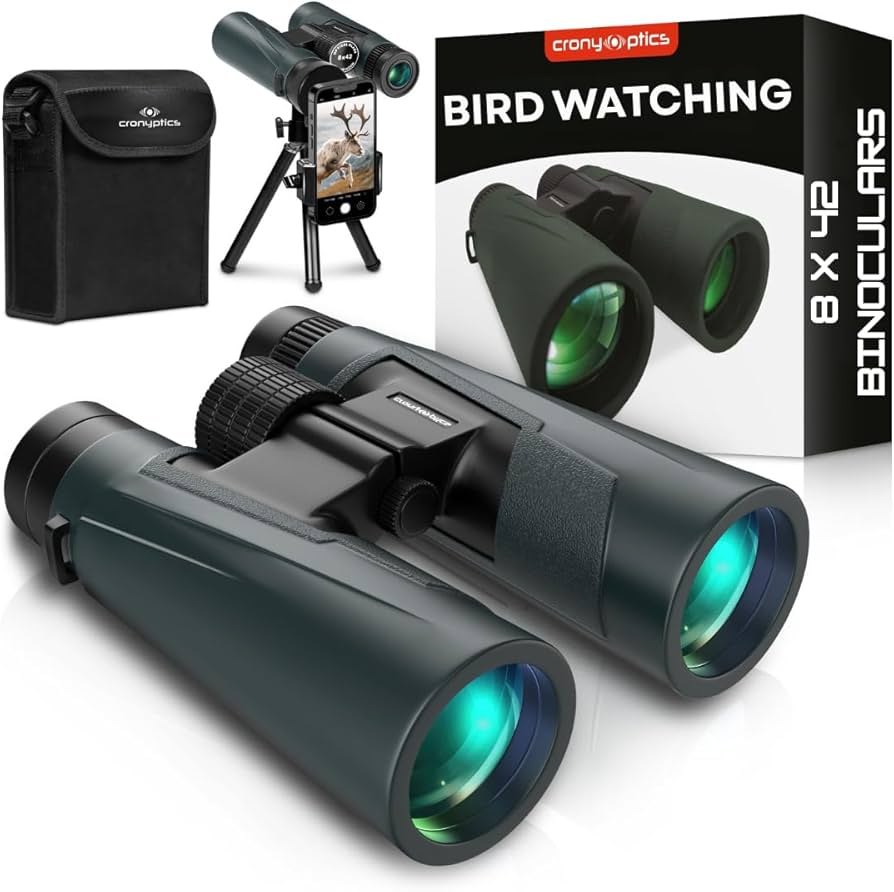
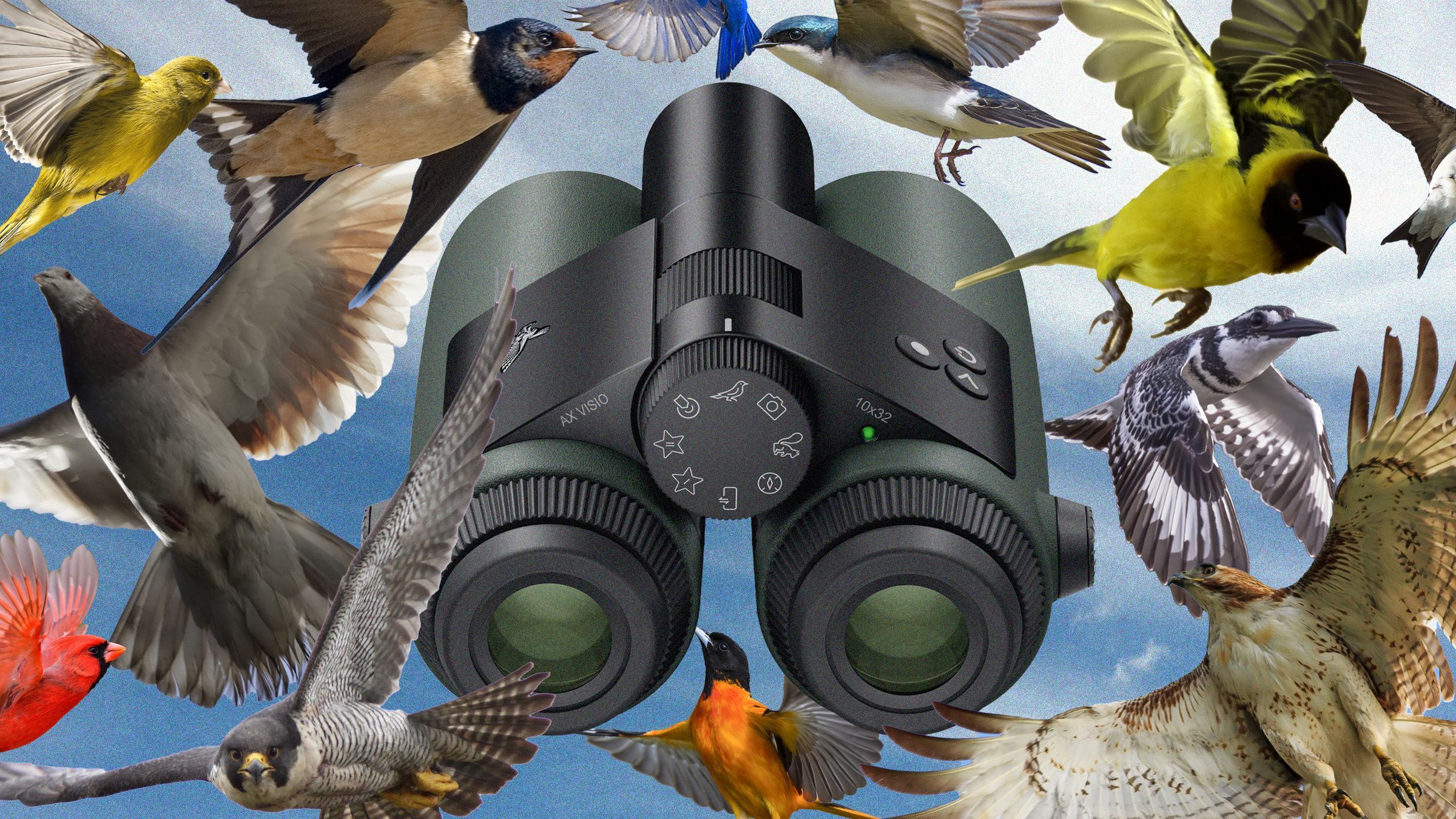
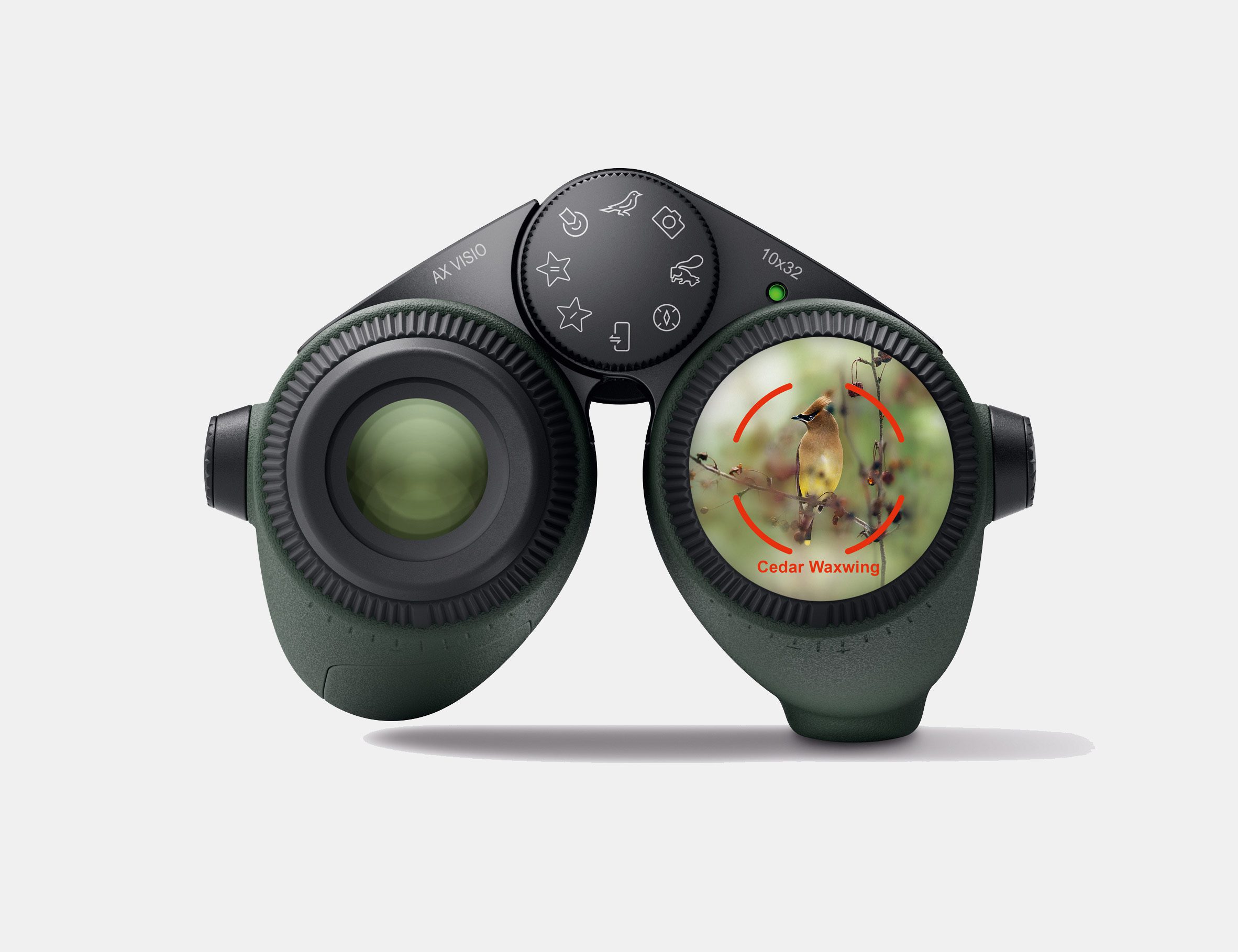
AI-powered binoculars, like those demonstrated by Swarovski Optik, are starting to move beyond novelty and offer genuinely useful features. Current capabilities include automated bird identification, rangefinding, and even image stabilization designed to counteract shaky hands. The Wired review highlighted the AX Visio’s ability to suggest species based on visual input, which is a compelling feature for both novice and experienced birders.
AI isn't a magic bullet. It struggles when a bird is behind a branch or the light is fading. In my experience, the AX Visio sometimes guesses wrong if the bird moves too fast. You also have to watch the battery; running an onboard processor drains power much faster than traditional glass.
Software updates are critical for improving the accuracy and functionality of these binoculars. Manufacturers need to continually refine their algorithms and add new species to the database. Concerns about data privacy also arise – where is the data collected by these binoculars being stored, and how is it being used? These are legitimate questions that buyers should consider.
Top 5 Binoculars for Spring 2026
Choosing the 'best' binoculars is subjective, but these five models represent a strong balance of price, performance, and features for spring bird migration. The Digital Camera World review and other sources informed these selections, focusing on models that deliver a clear, bright image and are well-suited to a variety of birding scenarios.
1. Swarovski AX Visio 10x32: The clear frontrunner, especially for those intrigued by AI. Its combination of exceptional optics and intelligent features makes it a game-changer. Specs: 10x magnification, 32mm objective lens, 115m field of view at 1000m. Best for: Tech-savvy birders who want the latest innovations.
2. Nikon Monarch M5 8x42: A classic choice known for its excellent image quality and comfortable ergonomics. Specs: 8x magnification, 42mm objective lens, 146m field of view at 1000m. Best for: All-around birding in various conditions; a reliable workhorse.
3. Vortex Diamondback HD 8x42: A great value option that doesn't compromise on performance. Specs: 8x magnification, 42mm objective lens, 165m field of view at 1000m. Best for: Beginners or budget-conscious birders who want a high-quality experience.
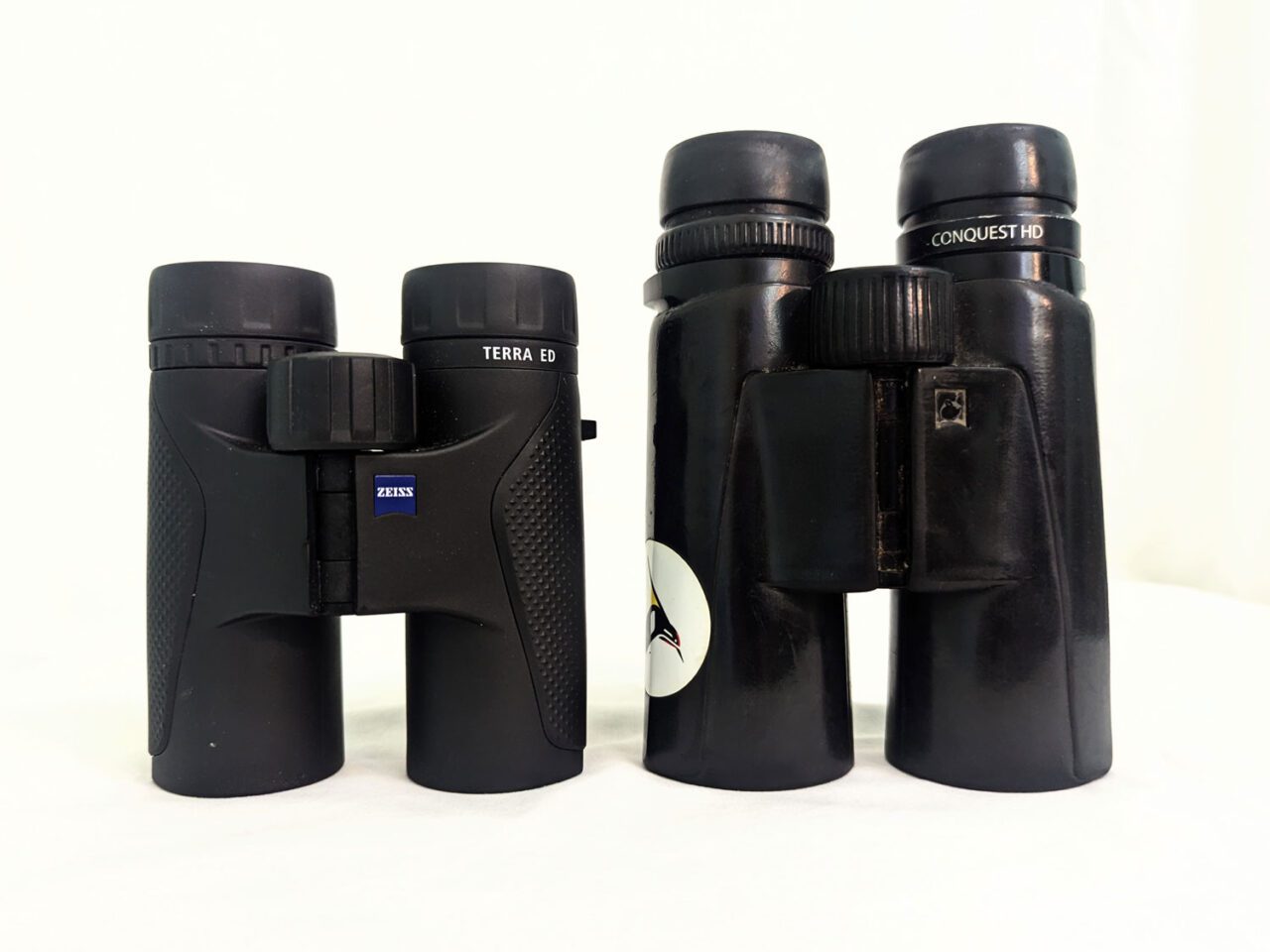
4. Zeiss Conquest HD 8x42: Renowned for its exceptional color rendition and sharpness. Specs: 8x magnification, 42mm objective lens, 130m field of view at 1000m. Best for: Birders who prioritize image fidelity and appreciate subtle details.
5. Maven C.1 8x42: A relatively new player making waves with its high-performance optics and direct-to-consumer model. Specs: 8x magnification, 42mm objective lens, 144m field of view at 1000m. Best for: Birders who want premium quality without the premium price tag.
Featured Products

8x magnification · 42mm objective lenses · Fully Multi-Coated lenses
These binoculars offer a balance of magnification, field of view, and optical clarity essential for identifying migratory birds in diverse habitats.

10x magnification · 42mm objective lenses · HD Optical System
These binoculars offer a balance of magnification, field of view, and optical clarity essential for identifying migratory birds in diverse habitats.

8x magnification · 42mm objective lenses · Wide 7.4° Field of View
These binoculars offer a balance of magnification, field of view, and optical clarity essential for identifying migratory birds in diverse habitats.

10x magnification · 42mm objective lenses · IPX7 Waterproof
These binoculars offer a balance of magnification, field of view, and optical clarity essential for identifying migratory birds in diverse habitats.

8x magnification · 42mm objective lenses · XD (Extra-low Dispersion) lens elements
These binoculars offer a balance of magnification, field of view, and optical clarity essential for identifying migratory birds in diverse habitats.
As an Amazon Associate I earn from qualifying purchases. Prices may vary.
Waterproofing & Durability
Birding frequently takes place in unpredictable weather, so waterproofing is a non-negotiable feature. Look for binoculars with an IP rating of at least IPX7, which means they can withstand immersion in water up to one meter for 30 minutes. Nitrogen or argon purging prevents internal fogging, which is essential for clear viewing in humid conditions.
Binocular construction materials also play a vital role in durability. Magnesium alloy is lightweight and strong, while rubber armor provides a protective layer against bumps and scratches. A well-built binocular will withstand years of use, even in harsh environments. I’ve personally had good experiences with binoculars featuring rubber armor, as it offers a secure grip and protects against accidental drops.
Pay attention to the quality of the lens coatings. Fully multi-coated lenses maximize light transmission and minimize glare, resulting in a brighter, clearer image. A durable binocular with high-quality optics is an investment that will pay off in the long run.
Beyond the Specs: Ergonomics & Comfort
Specifications tell only part of the story. How a binocular feels in your hands is equally important, especially during extended birding sessions. Ergonomics, eye relief, interpupillary distance adjustment, and weight distribution all contribute to overall comfort. A binocular that’s uncomfortable to use will quickly become a burden.
Eye relief – the distance between your eye and the eyepiece – is particularly important for eyeglass wearers. Look for binoculars with adjustable eye cups that allow you to customize the eye relief to your needs. Interpupillary distance (IPD) adjustment allows you to align the binoculars with your eyes for a clear, single image.
Consider accessories like neck straps and harnesses. A comfortable neck strap distributes the weight of the binoculars evenly, while a harness provides even greater support and stability. Experiment with different options to find what works best for you. A comfortable setup will allow you to focus on the birds, not on the strain on your neck and shoulders.
Binocular Configuration Comparison for Bird Migration
| Configuration | Ease of Use (Handheld Stability) | Brightness (Twilight Number) | Field of View (ft @ 1000yd) | Typical Use Case |
|---|---|---|---|---|
| 8x32 | Very High - Lightweight and easy to hold for extended periods. | Good - Twilight number typically around 16-18. | 330-350 | Forest birding, close-range observation |
| 8x42 | High - Offers a good balance of magnification and stability. | Very Good - Twilight number typically around 18-20. | 350-380 | General birding, adaptable to various habitats |
| 10x42 | Moderate - Requires a steadier hand or support for prolonged viewing. | Very Good - Twilight number typically around 20-22. | 330-350 | Open fields, medium-distance observation |
| 10x50 | Moderate to Low - Heavier and more challenging to stabilize handheld. | Excellent - Twilight number typically around 22-25. | 300-330 | Low-light conditions, long-distance viewing (shorebirds, raptors) |
| 8x30 | Very High - Extremely portable and easy to manage. | Good - Twilight number around 15-17, suitable for daylight. | 340-360 | Travel birding, compact observation |
| 12x50 | Low - Significant stability challenges without support. | Excellent - Twilight number around 24-26, excels in dim light. | 280-310 | Specialized long-range observation, dedicated shorebirding |
Illustrative comparison based on the article research brief. Verify current pricing, limits, and product details in the official docs before relying on it.
Where smart glass goes next
The future of AI-powered binoculars is promising. We can expect to see continued improvements in bird identification accuracy, with AI algorithms becoming more sophisticated and capable of recognizing a wider range of species. Integration with birding apps and online databases will likely become more seamless, allowing for instant access to information about the birds you’re observing.
More advanced image stabilization technologies could further reduce shake and blur, making it easier to view birds in challenging conditions. We might also see the development of binoculars with built-in recording capabilities, allowing you to capture high-quality photos and videos of your sightings. However, these advancements will likely come at a cost.
Privacy concerns will need to be addressed as these binoculars become more connected. It's important to understand how your data is being collected and used. Despite these potential challenges, the benefits of AI-powered binoculars – improved identification, enhanced viewing experience, and seamless documentation – are likely to drive continued innovation in this exciting field.
No comments yet. Be the first to share your thoughts!