
Beyond Magnification: What Makes Binoculars ‘Astronomy’ Binoculars?
Many assume higher magnification is the primary characteristic of astronomy binoculars, but that’s a misconception. While magnification plays a role, the most important factor is aperture – the diameter of the objective lenses. Larger apertures gather significantly more light, revealing fainter deep-sky objects. A 70mm aperture, for example, gathers four times more light than a 35mm aperture. This difference in light-gathering ability is what truly separates astronomy binoculars from general-purpose models.
Optical coatings matter as much as aperture. Multi-coated lenses reduce reflection, which keeps the image bright and sharp. The exit pupil – the diameter of the light beam exiting the eyepiece – is also important. A larger exit pupil (6mm or greater) is easier on the eyes, particularly in low light, and benefits those who wear glasses. It’s about maximizing the light reaching your eye, not simply making things bigger.
We need to set realistic expectations. Even with excellent astronomy binoculars, you won’t see the Hubble-like images often depicted. What you will see are brighter, more detailed views of the Moon, planets, and brighter deep-sky objects like nebulae and star clusters. A quality pair of astronomy binoculars unlocks a universe of detail not visible with the naked eye, but it’s a different experience than telescopic viewing. It's a more immersive, wide-field view.
Decoding Binocular Numbers: A Practical Guide
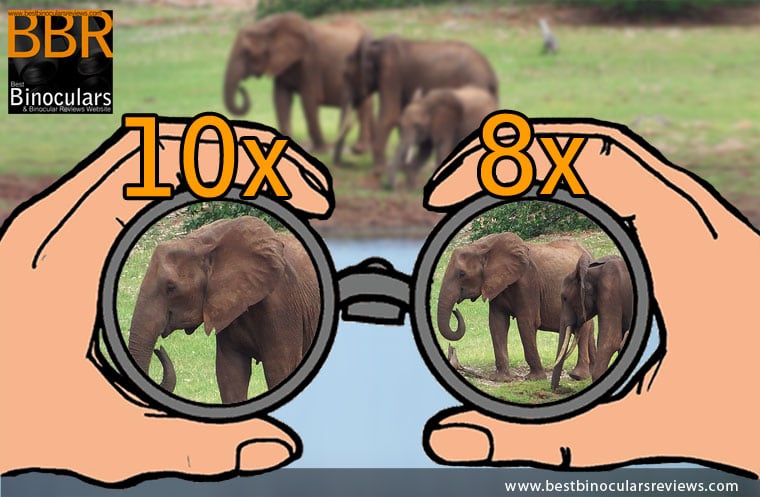
Binocular specifications are typically expressed as two numbers, such as 10x50 or 7x35. The first number indicates magnification – how many times larger an object appears compared to viewing it with the naked eye. However, higher magnification isn't always better. Excessive magnification can result in a dim, shaky image, especially when handholding. The University of Michigan's guide to understanding binoculars emphasizes the wide field of view and ease of use that lower magnifications provide.
The second number represents the aperture, measured in millimeters. A larger aperture gathers more light. A 50mm aperture is a good starting point for astronomy, offering a balance between light-gathering ability and portability. A 7x35 binocular provides a wider field of view and a brighter image than a 10x50, making it easier to locate objects, but will show less detail.
Exit pupil is calculated by dividing the aperture by the magnification. For example, a 10x50 binocular has a 5mm exit pupil (50mm / 10x). This is ideal for many observers. A larger exit pupil (6mm or more) is useful in very dark conditions and for those with smaller pupils. If the exit pupil is smaller than your pupil's dilation in the dark, you're losing light and detail. A wider field of view is also critical for locating objects—a narrower field makes scanning the night sky a frustrating experience.
Top Picks for 2026: Our Recommended Astronomy Binoculars
Choosing the "best’ astronomy binoculars depends on your budget and observing goals. For beginners, the Celestron SkyMaster 25x70 offers a good balance of aperture and magnification at a reasonable price (around $200). It’s a large binocular, so a tripod is essential, but the large aperture delivers impressive views of the Moon and brighter deep-sky objects. It’s not the sharpest option, but it"s a great entry point.
Stepping up in price, the Nikon Aculon A211 10x50 ($150) provides excellent image quality and a comfortable viewing experience. Its multi-coated optics and 10x magnification make it versatile for both terrestrial and astronomical observing. While the aperture isn’t as large as the Celestron, the superior optics deliver a brighter, clearer image. Its weight is manageable, making it easier to handhold for shorter observing sessions.
For a premium experience, the Vortex Diamondback HD 10x50 ($300) is a standout. Vortex is known for its excellent build quality and lifetime warranty. The Diamondback HD features a wider field of view and superior edge-to-edge sharpness compared to the Aculon. It's a robust and reliable option for serious stargazers. The added cost is justified by the improved optical performance and peace of mind.
If you’re looking for a compact option, the Oberwerk Mariner 8x42 ($180) is worth considering. While the smaller aperture limits its deep-sky performance, it’s remarkably sharp and provides a wide field of view. Its compact size makes it ideal for travel and handheld viewing. It’s a good choice for lunar and planetary observation. This is a great option for anyone wanting a lightweight, portable binocular.
Top Astronomy Binoculars for Deep Space Observation in 2026
10x magnification · 42mm objective lens diameter · Fully multi-coated lenses
Offers a balanced combination of magnification and aperture for general stargazing and terrestrial use.
15x magnification · 70mm objective lens diameter · BaK-4 prisms
Provides higher magnification and larger aperture for observing fainter deep-sky objects.
25x magnification · 100mm objective lens diameter · Large aperture for maximum light gathering
Ideal for serious deep-sky observation, offering exceptional light-gathering capability for nebulae and galaxies.
18x magnification with image stabilization · 42mm objective lens diameter · Wide field of view
Image stabilization technology compensates for hand shake, enabling steady high-magnification views of celestial objects.
10x magnification · 42mm objective lens diameter · ED Prime Glass for enhanced color and contrast
Offers excellent optical quality and durability for clear and bright views of the night sky.
As an Amazon Associate I earn from qualifying purchases. Prices may vary.
Beyond the Big Two: Specialized Astronomy Binoculars
Stabilized binoculars, like the ones from Unistellar, are a relatively new category. These binoculars use electronic image stabilization to counteract hand shake, providing a remarkably steady view, even at high magnifications. This is a significant advantage for handheld viewing, particularly of faint objects. However, stabilized binoculars are considerably more expensive and require batteries, adding to the overall weight and complexity.
The trade-offs are substantial. Unistellar’s Envision smart binoculars, for example, cost well over $600. While the image stabilization is impressive, the battery life is limited, and the added weight can be fatiguing during extended observing sessions. As this technology matures, we may see more affordable and lighter options become available. For now, they are a niche product aimed at serious enthusiasts.
Some binoculars feature specialized coatings designed to enhance contrast and reduce glare. These coatings can improve the visibility of faint details, particularly in light-polluted areas. While the benefits of these coatings can be subtle, they can make a noticeable difference when observing challenging objects. These are often found in higher-end models and contribute to the overall price.
What Can You Actually *See*? Expectations vs. Reality
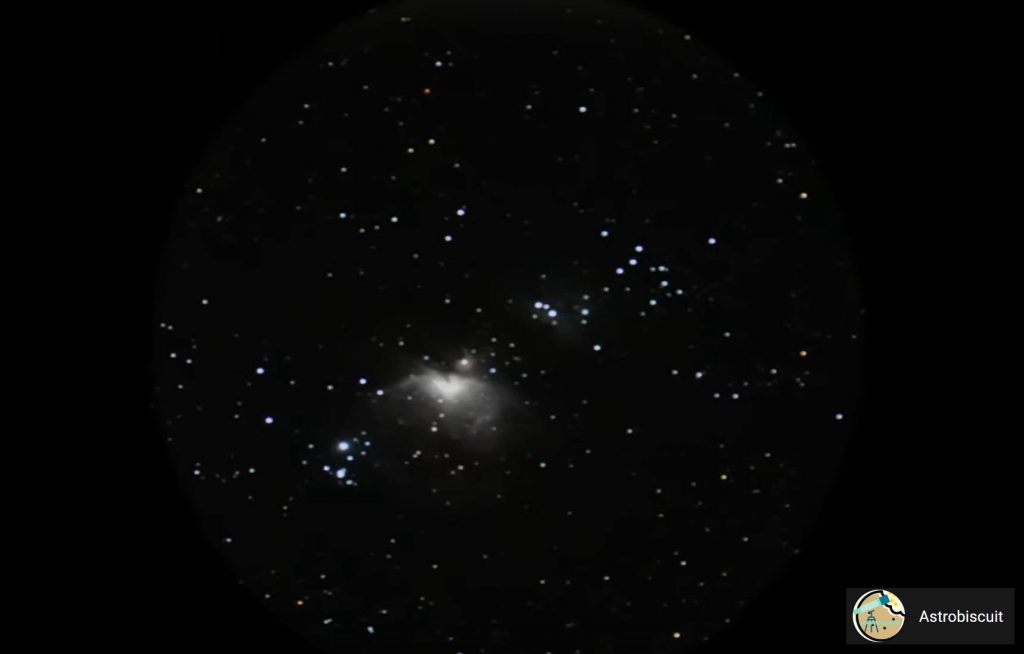
You need to know what you'll actually see through the glass. With a 10x50 binocular, you can easily observe the craters on the Moon, the phases of Venus, and the Galilean moons of Jupiter. Brighter deep-sky objects, such as the Orion Nebula (M42) and the Andromeda Galaxy (M31), will appear as fuzzy patches of light. Star clusters, like the Pleiades (M45), will resolve into dozens of individual stars.
Light pollution significantly impacts what you can see. In urban areas, only the brightest objects will be visible. Escaping to a dark-sky location dramatically improves your observing experience. The darker the sky, the fainter the objects you can detect. Using a light pollution map to find darker sites is a good idea before planning an observing session.
Dark adaptation is essential. It takes about 20-30 minutes for your eyes to fully adjust to the darkness. Avoid looking at bright lights during this time. Red light is less disruptive to dark adaptation, so use a red flashlight to read star charts or adjust your binoculars. Be patient and allow your eyes to adjust, and you’ll be rewarded with a more detailed view of the night sky.
Accessories That Enhance Your Astronomy Binocular Experience
A tripod adapter is essential for comfortable long-term viewing, particularly with larger binoculars. Handholding can be tiring and introduces unwanted shake. A comfortable neck strap is also a worthwhile investment, reducing strain during extended observing sessions. A dew shield can prevent condensation from forming on the objective lenses, which is a common problem in humid conditions.
A star chart or astronomy app (like Stellarium or SkySafari) is invaluable for locating objects. These resources provide detailed maps of the night sky and can help you identify constellations, planets, and deep-sky objects. Filters improve contrast and reveal details that are otherwise invisible.nvisible. A narrowband filter, for example, can block out light pollution and enhance the visibility of nebulae.
Don't underestimate the value of a comfortable observing chair. Spending hours looking at the sky can be physically demanding. A comfortable chair will make your observing sessions more enjoyable. These accessories don’t need to be expensive – practical and functional is the key.
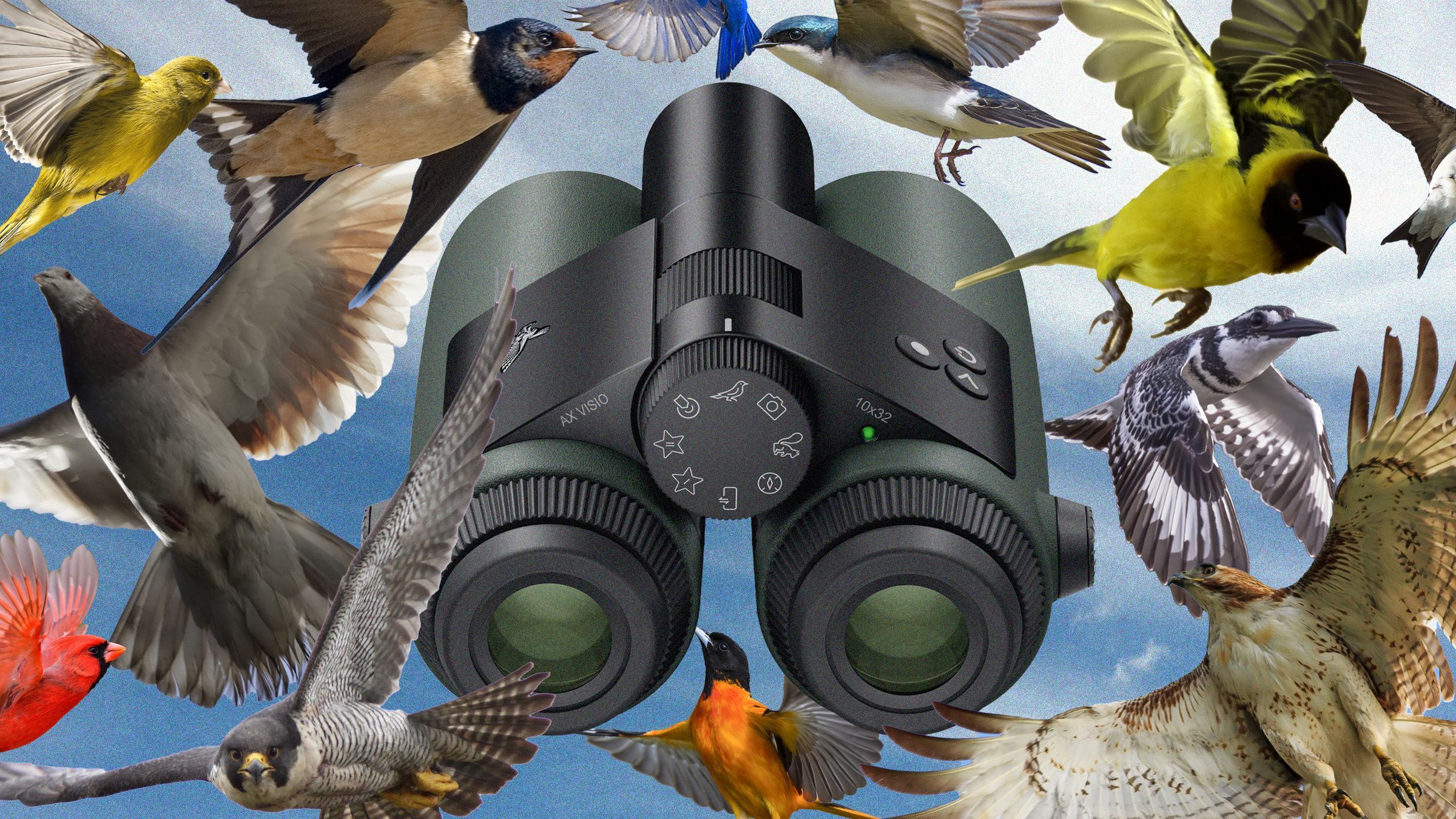
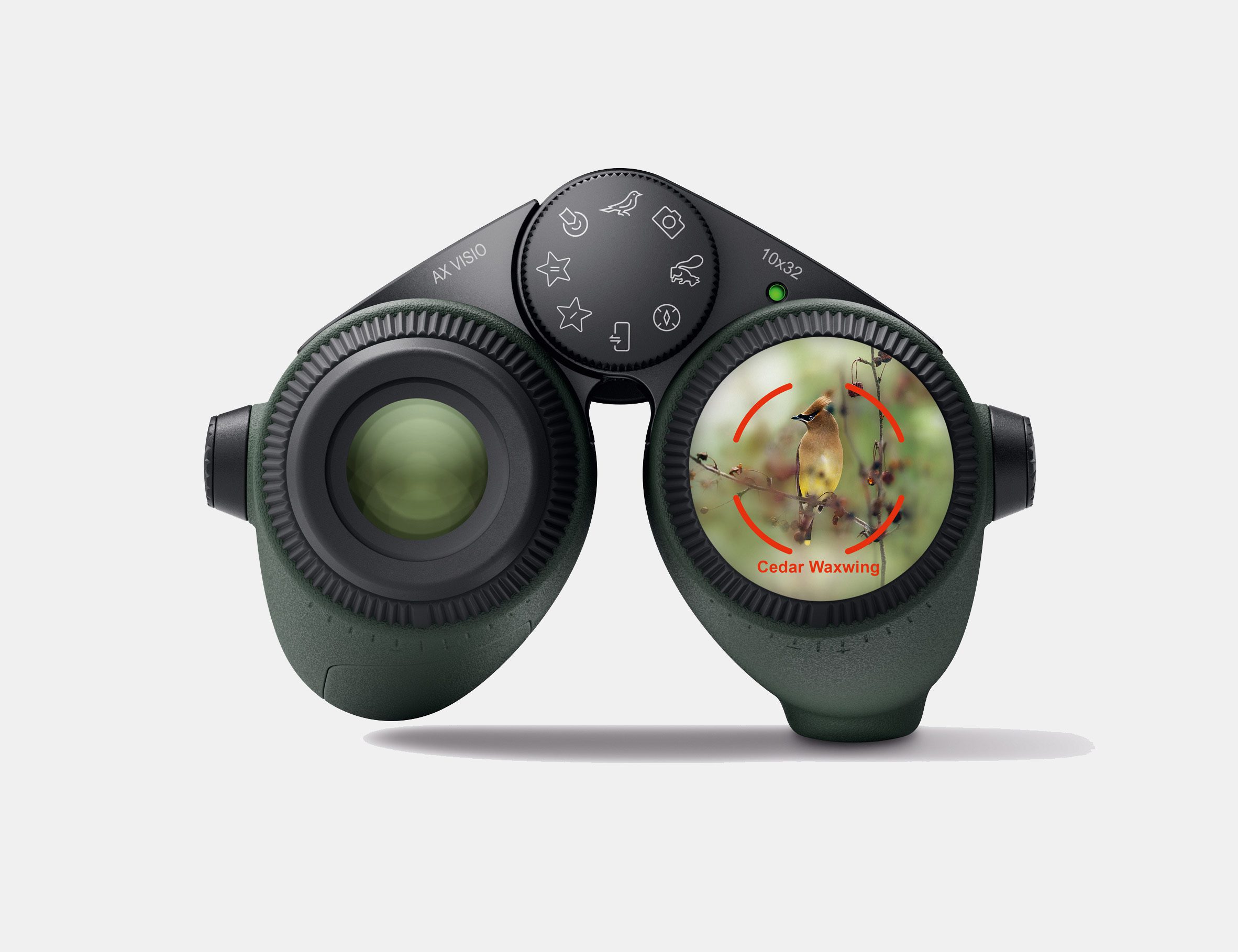
I am officially a bird watcher with the best binoculars in the game! 🐦😎 pic.twitter.com/8sUD7qh6w3
— Evan Luthra (@EvanLuthra) March 7, 2025
Maintaining Your Investment: Care and Storage
Proper care and storage are essential to protect your investment. Always clean the lenses with a microfiber cloth designed for optics. Avoid using harsh chemicals or abrasive cleaners. Dust and fingerprints can degrade image quality, so regular cleaning is important. Store your binoculars in a protective case when not in use.
Protect your binoculars from dust, moisture, and extreme temperatures. Avoid leaving them in direct sunlight or in a hot car. If your binoculars get wet, dry them thoroughly with a soft cloth. Larger binoculars may require occasional collimation – the alignment of the optical elements. If you notice distorted images, consider having your binoculars professionally collimated.
Regularly inspect the screws and hinges for tightness. A loose screw can affect image quality and stability. With proper care, your astronomy binoculars will provide years of enjoyment. A little preventative maintenance goes a long way.
No comments yet. Be the first to share your thoughts!